Robert Cowley – författare
Visar alla böcker från författaren Robert Cowley. Handla med fri frakt och snabb leverans.
18 produkter
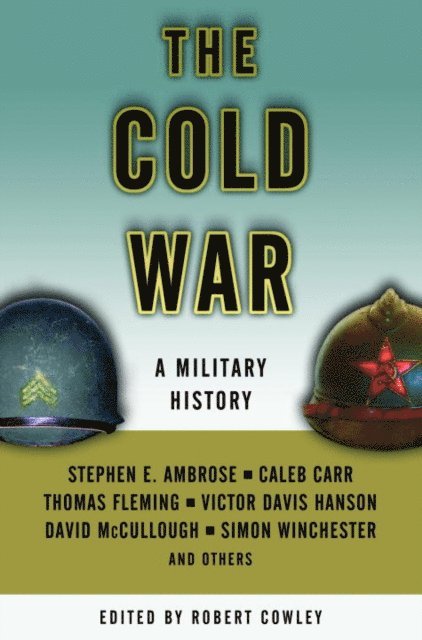
Cold War
A Military History
Av Stephen E. Ambrose, Robert Cowley
E-bok, 2009
79 kr
Lägg i varukorg
Even fifteen years after the end of the Cold War, it is still hard to grasp that we no longer live under its immense specter. For nearly half a century, from the end of World War II to the early 1990s, all world events hung in the balance of a simmering dispute between two of the greatest military …
What If?
Military Historians Imagine What Might Have Been
Häftad, 2001
186 kr
Lägg i varukorg
Anyone interested in military history or indeed history in general will find it fascinating to read.' Spectator. What If? is a collection of counterfactual essays dealing with military events. Concentrating on some of the most intriguing military history turning points of the last 3,000 years, …
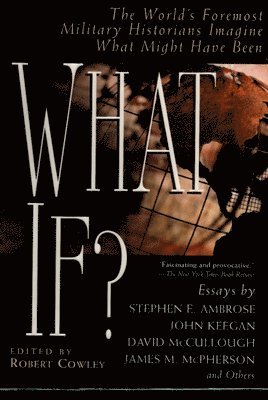
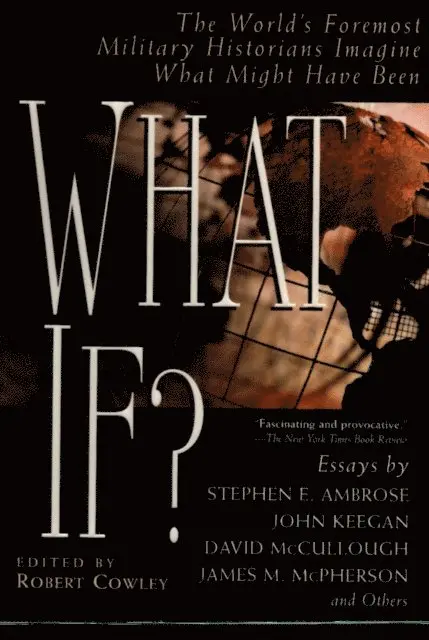
What If?: The World's Foremost Military Historians Imagine What Might Have Been
Häftad, 2000
356 kr
Lägg i varukorg
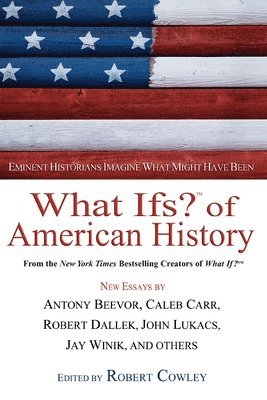
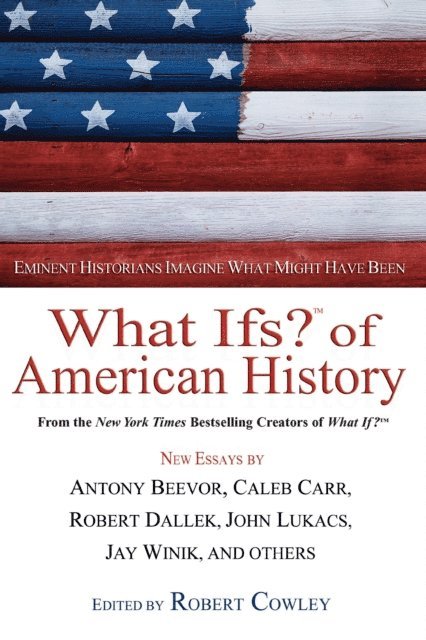
What Ifs? of American History: Eminent Historians Imagine What Might Have Been
Häftad, 2004
356 kr
Lägg i varukorg
The Reader's Companion to Military History
Av Robert Cowley, Geoffrey Parker m. fl.
Häftad, 2006
374 kr
Lägg i varukorg
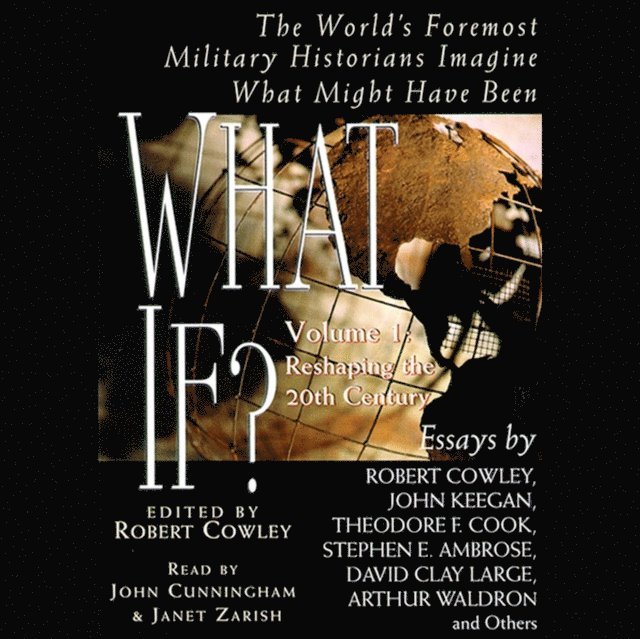
What If...? Vol 1
The World''s Foremost Military Historians Imagine What Might Have Been
Ljudbok, 1999
273 kr
Lägg i varukorg
Historians and inquisitive laymen alike love to ponder the dramatic what-ifs of history. In these never-before-published essays, some of the keenest minds of our time ask the big, tantalizing questions: Where might we be if history had not unfolded the way it did? Why, how, and when was our fortune …
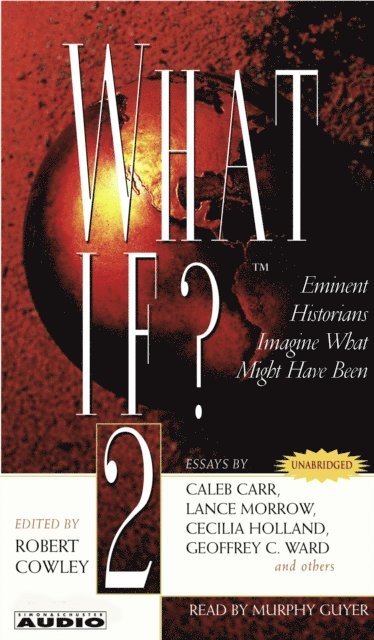
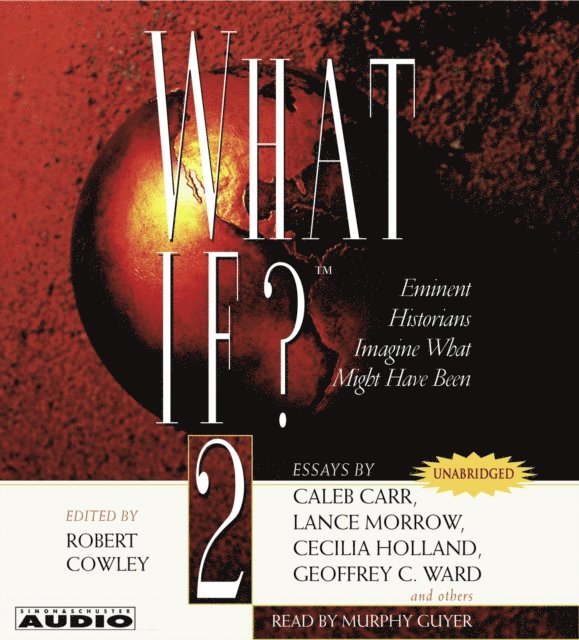
What If...? Vol 2
Eminent Historians Imagine What Might Have Been
Ljudbok, 2001
294 kr
Lägg i varukorg
There is no surer way to feel the danger or the good fortune of our collective past than to contemplate those moments when the world''s future hung in the balance. Our brightest historians speculate on some of these intriguing crossroads and the ways in which our lives might have been changed for …
What If...? Vol 3
The World''s Foremost Military Historians Imagine What Might Have Been
Av Robert Cowley, Robert Cowley
Ljudbok, 2000
294 kr
Lägg i varukorg
Historians and inquisitive laymen alike love to ponder the dramatic what-ifs of history. In these never-before-published essays, some of the keenest minds of our time ask the big, tantalizing questions: Where might we be if history had not unfolded the way it did? Why, how, and when was our fortune …
Killing Season
The Autumn of 1914, Ypres, and the Afternoon That Cost Germany a War
E-bok, 2025
189 kr
Lägg i varukorg
What If?
The World''s Foremost Historians Imagine What Might Have Been
E-bok, 2000
252 kr
Lägg i varukorg
With its in-depth reflections on the monumental events of the past, this amazing book of essays ponders what might have been if things had gone differently in history. Featuring Stephen J. Ambrose , John Keegan , and many others.
What Ifs? Of American History
Eminent Historians Imagine What Might Have Been
E-bok, 2004
98 kr
Lägg i varukorg
Did Eisenhower avoid a showdown with Stalin by not taking Berlin before the Soviets? What might have happened if JFK hadn''t been assassinated? This new volume in the widely praised series presents fascinating "what if..." scenarios by such prominent historians as: Robert Dallek, Caleb Carr, Antony …
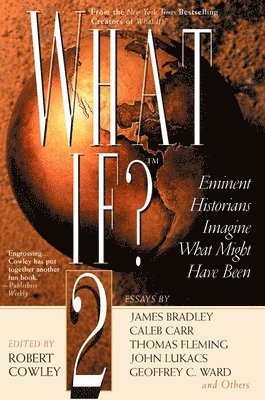
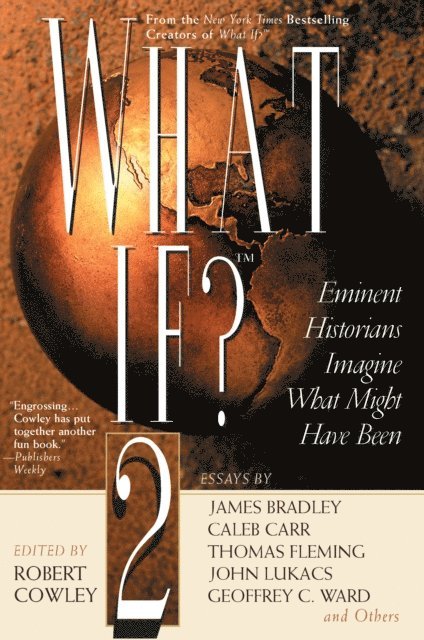
What If? II
E-bok, 2002
131 kr
Lägg i varukorg
What if Lincoln didn''t abolish slavery? What if an assassin succeeded in killing FDR in 1933? This volume presents 25 intriguing "what if..." scenarios by some of today''s greatest historical minds-including James Bradley, Caleb Carr, James Chace, Theodore F. Cook, Jr., Carlos M.N. Eire, George …
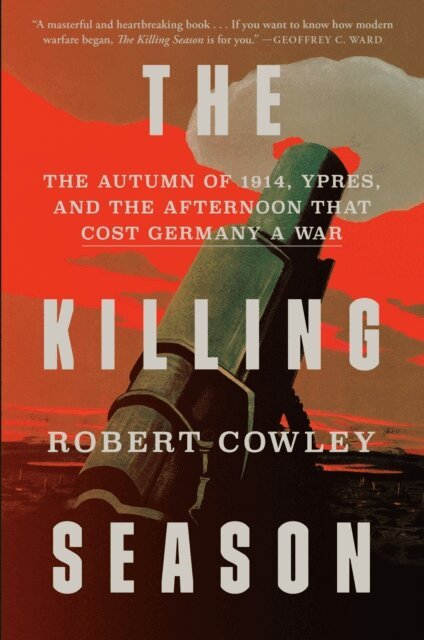
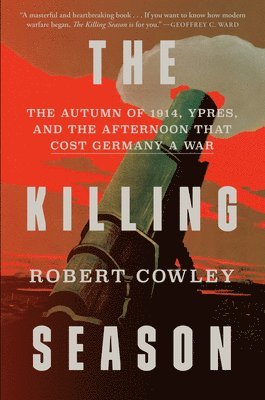
Killing Season
The Autumn of 1914, Ypres, and the Afternoon That Cost Germany a War
Häftad, 2025
427 kr
Lägg i varukorg
An in-depth, authoritative account of the fall of 1914 on the Western Front and the First Battle of Ypres, a true turning point in World War I and in modern warfare—by the founding editor of MHQ: The Quarterly Journal of Military History “A masterful and heartbreaking book . . . If you want to know …
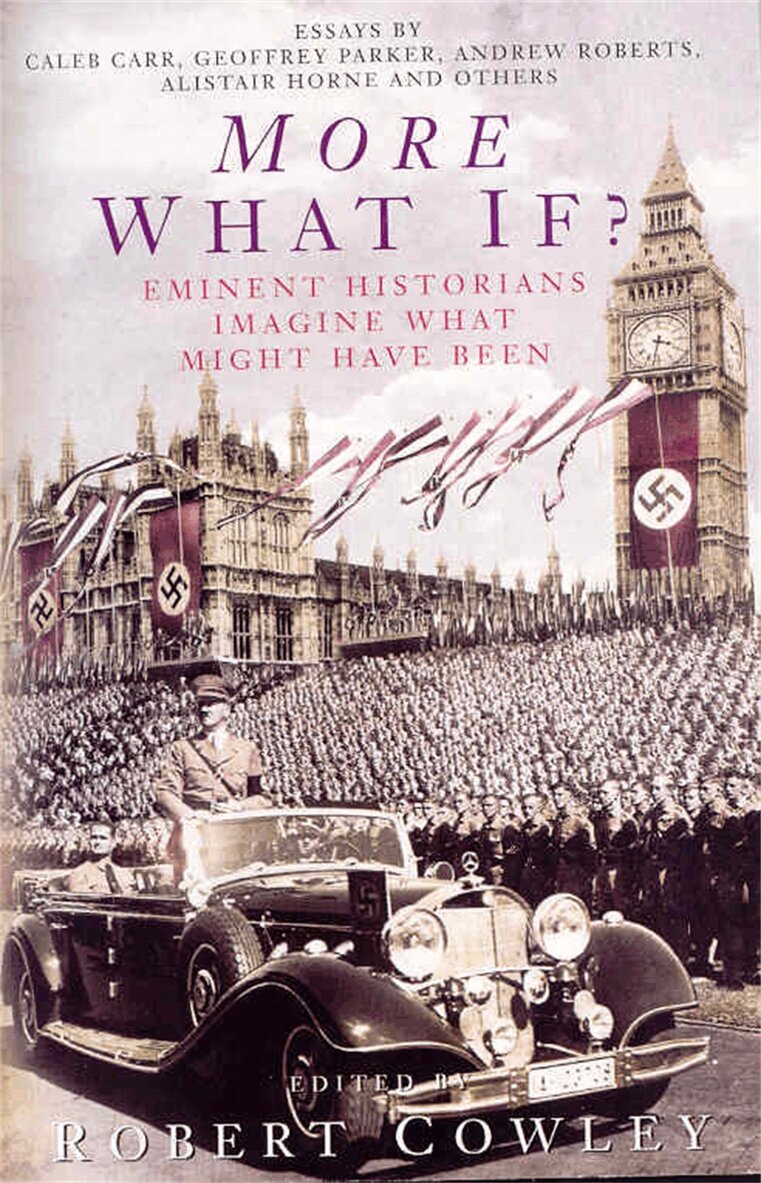
More What If?
Häftad, 2014
235 kr
Lägg i varukorg
Marvellously entertaining as well as thought-provoking - the finest intellectual parlour-game around.' Noel Malcolm, Sunday TelegraphMore What If?, the sequel to the acclaimed What If? examines history's most fascinating what-might have-beens. More of the world's leading historians, including …
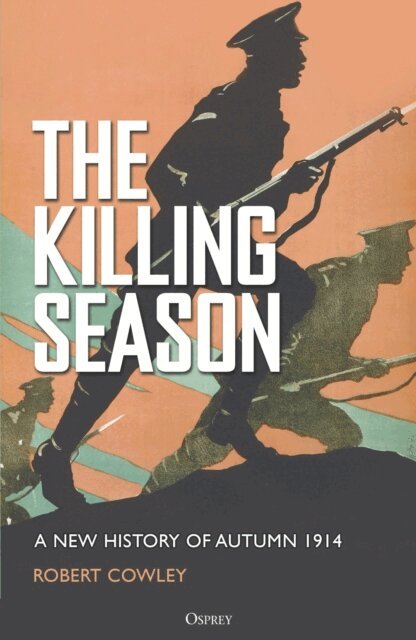
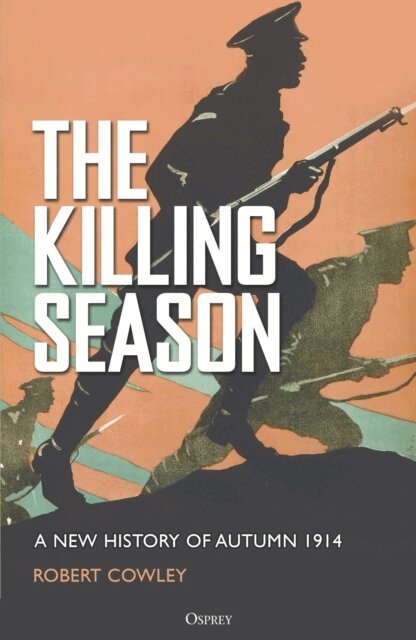
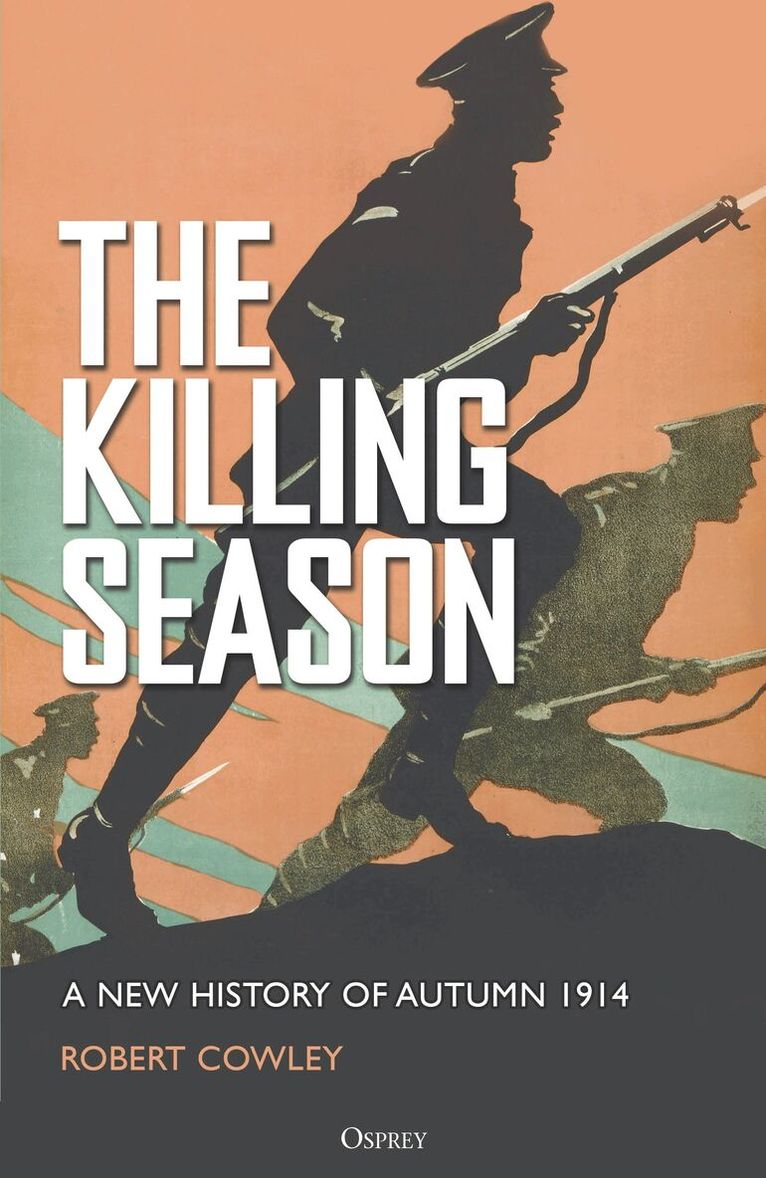
Killing Season
A New History of Autumn 1914
E-bok, 2025
324 kr
Lägg i varukorg
An in-depth, authoritative account of the autumn of 1914 on the Western Front and the First Battle of Ypres, a true turning point in modern warfare.The final months of 1914 were the bloodiest interval in a famously bloody war, a killing season. They ended with the First Battle of Ypres, a struggle …
Killing Season
A New History of Autumn 1914
E-bok, 2025
331 kr
Lägg i varukorg
An in-depth, authoritative account of the autumn of 1914 on the Western Front and the First Battle of Ypres, a true turning point in modern warfare.The final months of 1914 were the bloodiest interval in a famously bloody war, a killing season. They ended with the First Battle of Ypres, a struggle …
Killing Season
A New History of Autumn 1914
Inbunden, 2025
361 kr
Lägg i varukorg
An in-depth, authoritative account of the autumn of 1914 on the Western Front and the First Battle of Ypres, a true turning point in modern warfare.The final months of 1914 were the bloodiest interval in a famously bloody war, a killing season. They ended with the First Battle of Ypres, a struggle …