Robert D. Lupton – författare
Visar alla böcker från författaren Robert D. Lupton. Handla med fri frakt och snabb leverans.
7 produkter
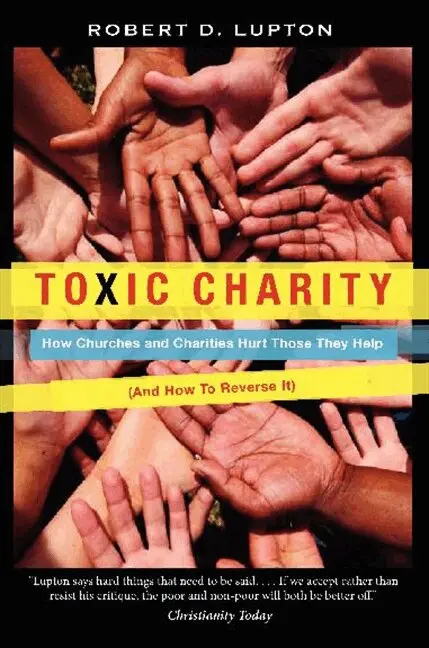
Toxic Charity
How Churches and Charities Hurt Those They Help (And How to Reverse It)
Häftad, 2012
166 kr
Lägg i varukorg
Churches and charities have fallen into the bad habit of creating programs to help the poor when in reality the only people they are helping are themselves, creating a toxic charity that needs to be reexamined and fixed. In this groundbreaking book, Lupton shows how good-intentioned people are …
Theirs Is the Kingdom
Celebrating the Gospel in Urban America
E-bok, 2010
91 kr
Lägg i varukorg
"A gripping discovery of God''s grace where we least expect to find it—in the decaying core of the city." —Ronald A. Nikkel, president, Prison Fellowship International "The story of Lupton''s ministry is one of the most inspiring in America. Those of us who are trying to accomplish something of …
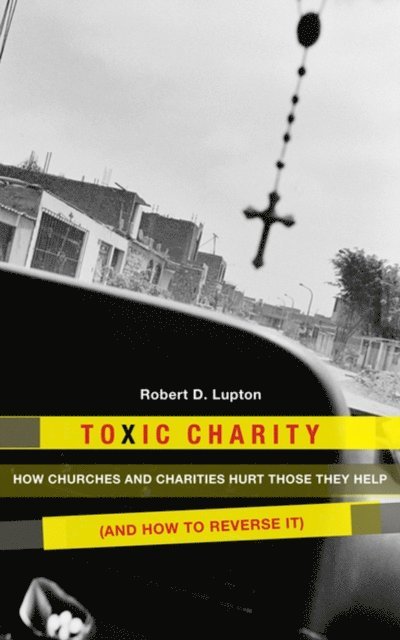
Toxic Charity
How the Church Hurts Those They Help and How to Reverse It
E-bok, 2011
102 kr
Lägg i varukorg
Veteran urban activist Robert Lupton reveals the shockingly toxic effects that modern charity has upon the very people meant to benefit from it. Toxic Charity provides proven new models for charitable groups who want to help—not sabotage—those whom they desire to serve. Lupton, the founder of FCS …
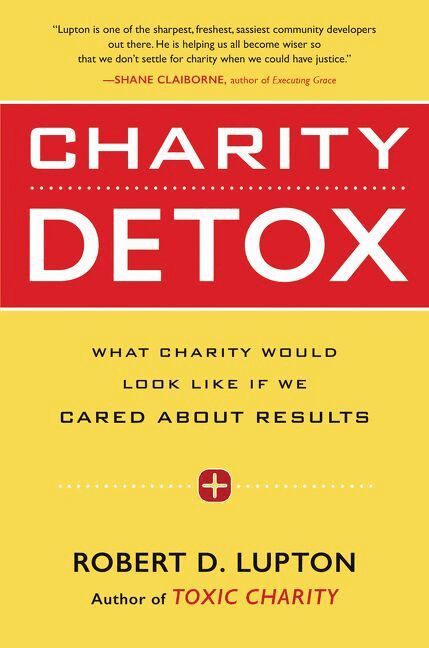
Charity Detox: What Charity Would Look Like If We Cared About Results
What Charity Would Look Like If We Cared About Results
Häftad, 2016
162 kr
Lägg i varukorg
The veteran urban activist and author of the revolutionary Toxic Charity returns with a headline-making book that offers proven, results-oriented ideas for transforming our system of giving. In Toxic Charity , Robert D. Lupton revealed the truth about modern charity programs meant to help the poor …
Charity Detox
What Charity Would Look Like If We Cared About Results
E-bok, 2015
102 kr
Lägg i varukorg
The veteran urban activist and author of the revolutionary Toxic Charity returns with a headline-making book that offers proven, results-oriented ideas for transforming our system of giving.In Toxic Charity, Robert D. Lupton revealed the truth about modern charity programs meant to help the poor …
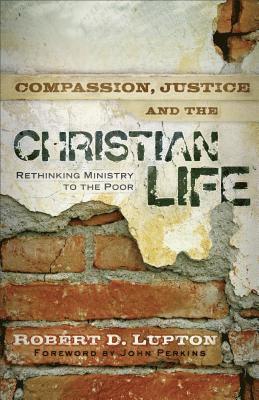
Compassion, Justice, and the Christian Life – Rethinking Ministry to the Poor
Av Robert D. Lupton, John Perkins
Häftad, 2007
233 kr
Lägg i varukorg
The urban landscape is changing and, as a result, urban ministries are at a crossroads. If the Church is to be an effective agent of compassion and justice, Robert Lupton notes, we must change our mission strategies. In this compelling book, Lupton asks the tough questions about service providing …
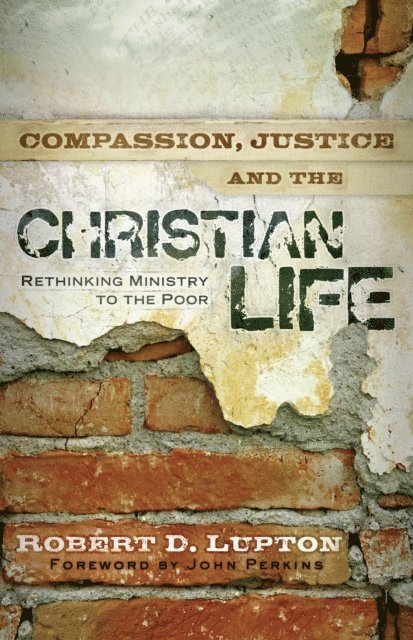
Compassion, Justice, and the Christian Life
Rethinking Ministry to the Poor
E-bok, 2007
157 kr
Lägg i varukorg
The urban landscape is changing and, as a result, urban ministries are at a crossroads. If the Church is to be an effective agent of compassion and justice, Robert Lupton notes, we must change our mission strategies. In this compelling book, Lupton asks the tough questions about service providing …