Robert D. Russell – författare
Visar alla böcker från författaren Robert D. Russell. Handla med fri frakt och snabb leverans.
8 produkter
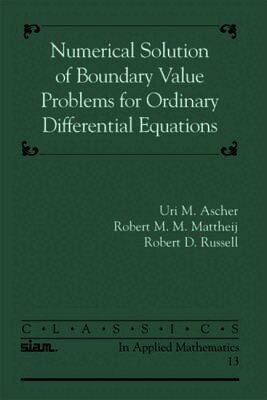
Numerical Solution of Boundary Value Problems for Ordinary Differential Equations
Av Uri M. Ascher, Robert M.M. Mattheij m. fl.
Häftad, 1995
1028 kr
Lägg i varukorg
This book is the most comprehensive, up-to-date account of the popular numerical methods for solving boundary value problems in ordinary differential equations. It aims at a thorough understanding of the field by giving an in-depth analysis of the numerical methods by using decoupling principles. …
North America Its Agriculture and Climate [microform]
Containing Observations on the Agriculture and Climate of Canada, the United States, and the Island of Cuba
Häftad, 2021
332 kr
Lägg i varukorg
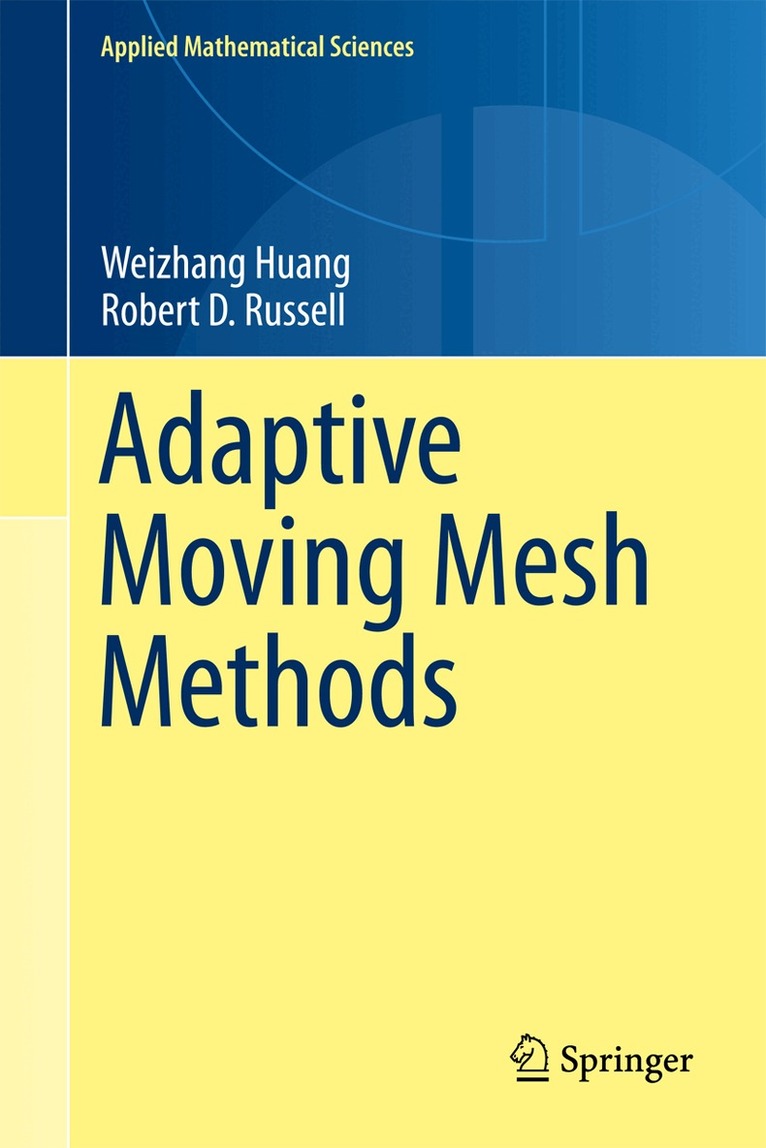
Adaptive Moving Mesh Methods
Av Weizhang Huang, Robert D. Russell
Inbunden, 2010
552 kr
Lägg i varukorg
Moving mesh methods are an effective, mesh-adaptation-based approach for the numerical solution of mathematical models of physical phenomena. Currently there exist three main strategies for mesh adaptation, namely, to use mesh subdivision, local high order approximation (sometimes combined with …
Adaptive Moving Mesh Methods
Av Robert D. Russell, Weizhang Huang
E-bok, 2010
710 kr
Lägg i varukorg
Moving mesh methods are an effective, mesh-adaptation-based approach for the numerical solution of mathematical models of physical phenomena. Currently there exist three main strategies for mesh adaptation, namely, to use mesh subdivision, local high order approximation (sometimes combined with …
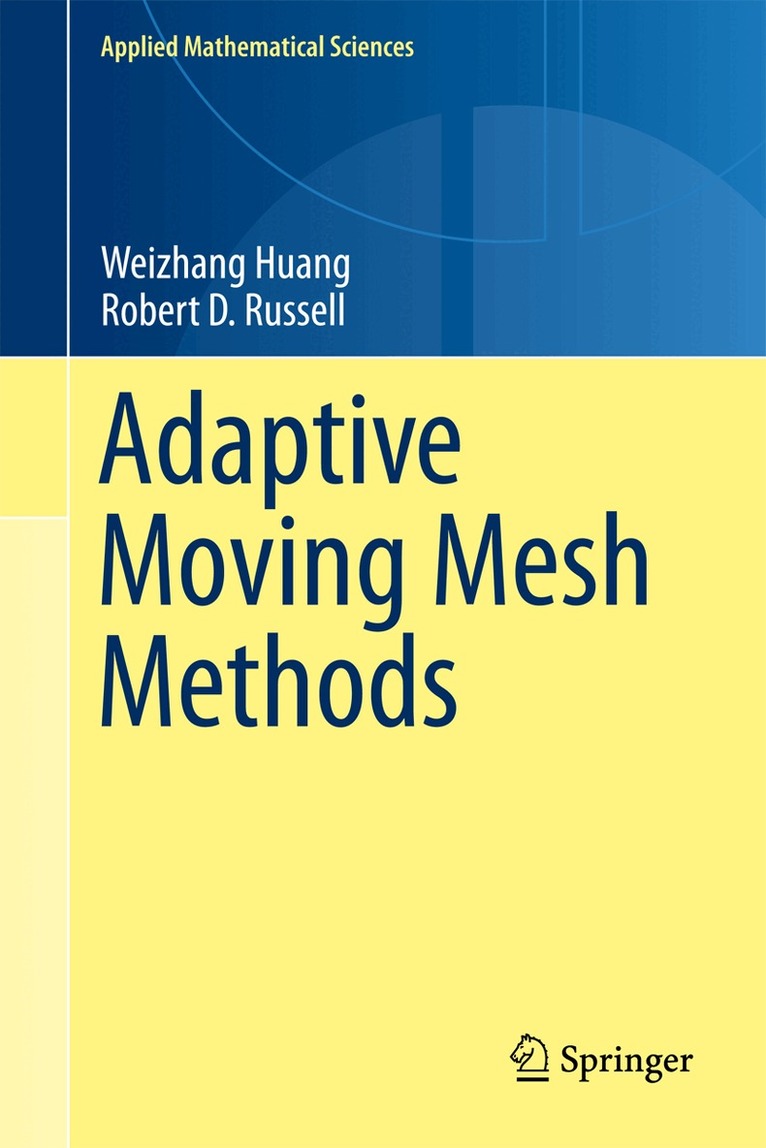
Adaptive Moving Mesh Methods
Av Weizhang Huang, Robert D. Russell
Häftad, 2012
552 kr
Lägg i varukorg
Moving mesh methods are an effective, mesh-adaptation-based approach for the numerical solution of mathematical models of physical phenomena. Currently there exist three main strategies for mesh adaptation, namely, to use mesh subdivision, local high order approximation (sometimes combined with …
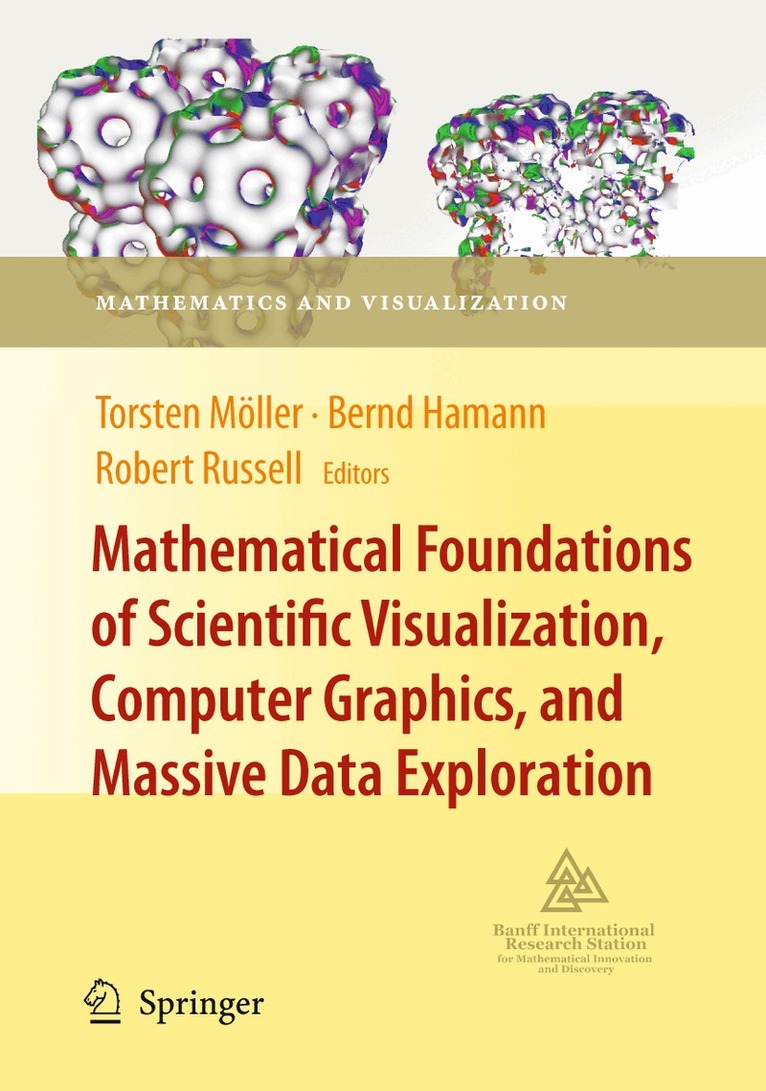
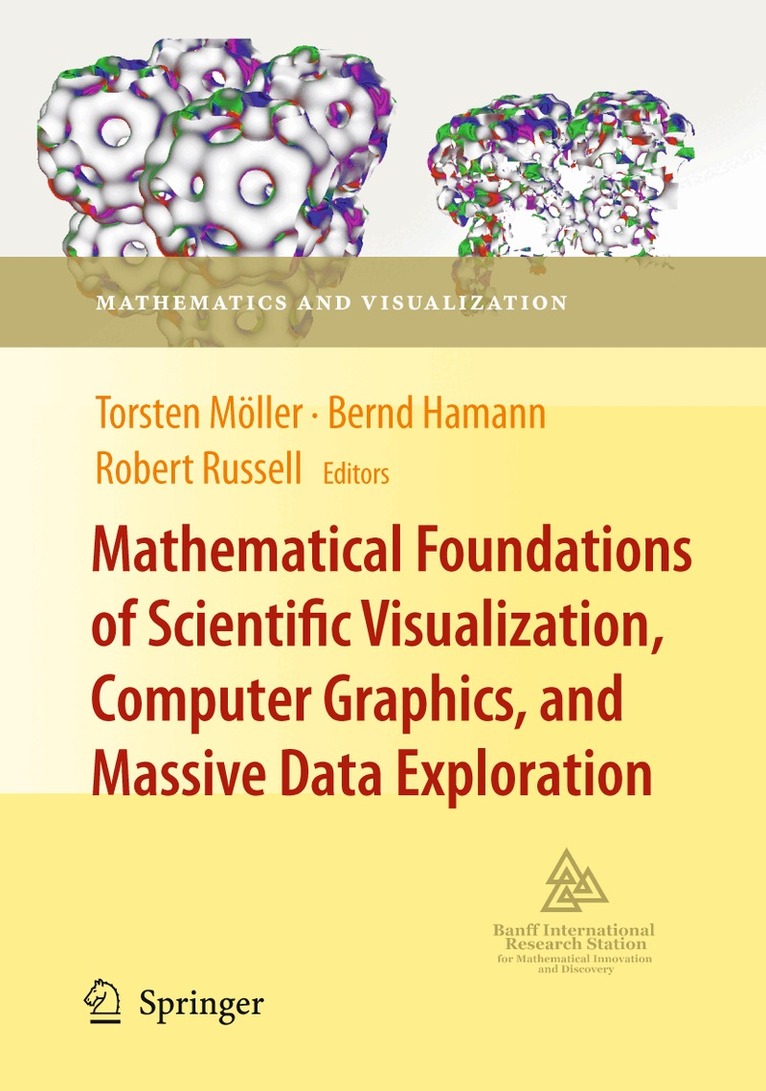
Mathematical Foundations of Scientific Visualization, Computer Graphics, and Massive Data Exploration
Av Torsten Möller, Bernd Hamann m. fl.
Inbunden, 2009
1129 kr
Lägg i varukorg
The goal of visualization is the accurate, interactive, and intuitive presentation of data. Complex numerical simulations, high-resolution imaging devices and incre- ingly common environment-embedded sensors are the primary generators of m- sive data sets. Being able to derive scienti?c insight …
Mathematical Foundations of Scientific Visualization, Computer Graphics, and Massive Data Exploration
Av Robert D. Russell, Bernd Hamann m. fl.
E-bok, 2009
1459 kr
Lägg i varukorg
The goal of visualization is the accurate, interactive, and intuitive presentation of data. Complex numerical simulations, high-resolution imaging devices and incre- ingly common environment-embedded sensors are the primary generators of m- sive data sets. Being able to derive scienti?c insight …
Mathematical Foundations of Scientific Visualization, Computer Graphics, and Massive Data Exploration
Av Torsten Möller, Bernd Hamann m. fl.
Häftad, 2010
1096 kr
Lägg i varukorg
The goal of visualization is the accurate, interactive, and intuitive presentation of data. Complex numerical simulations, high-resolution imaging devices and incre- ingly common environment-embedded sensors are the primary generators of m- sive data sets. Being able to derive scienti?c insight …
![Robert D. Russell - North America Its Agriculture and Climate [microform], Häftad. Tillgänglighet: Lägg i varukorg](https://image.bokus.com/images2/9781015091146_766)