Robert Dodgshon - Böcker
Visar alla böcker från författaren Robert Dodgshon. Handla med fri frakt och snabb leverans.
4 produkter
4 produkter
1 640 kr
Skickas inom 10-15 vardagar
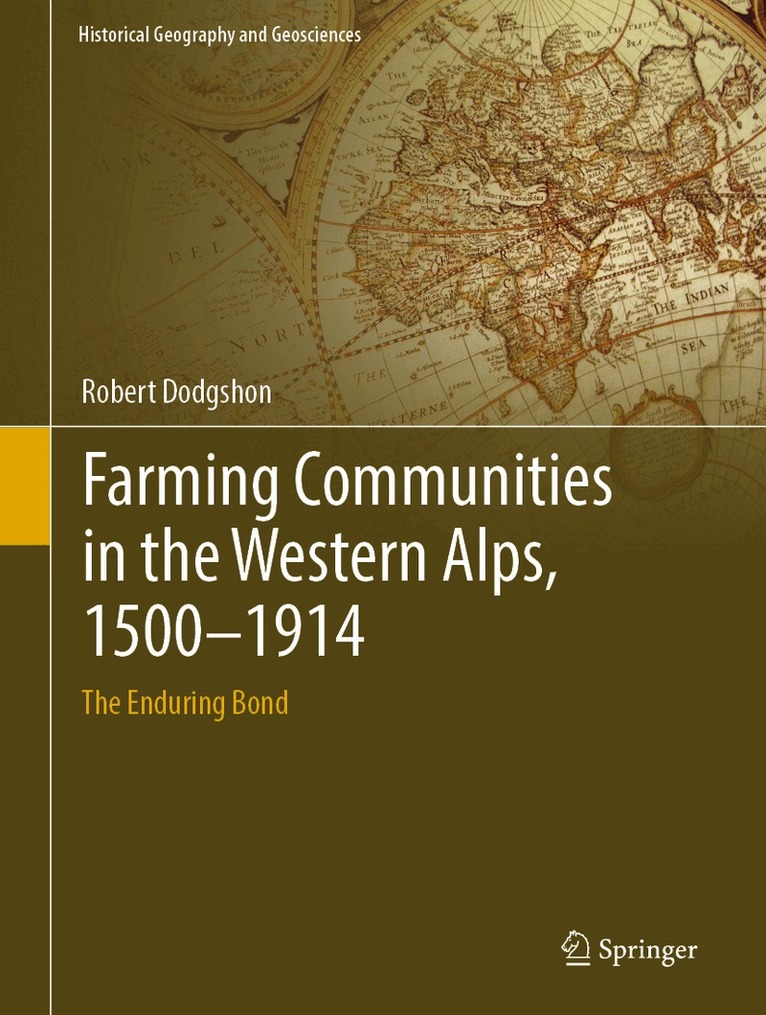
This monograph explores traditional farming communities in French-speaking areas of the western Alps for the period 1500-1914 and how they endured in such an environment despite the many problems and risks which it posed for their subsistence and welfare. Using an extensive amount of archival material drawn from the relevant regional archives, the book presents a great deal of fresh data. Its central theme is how such communities responded to the opportunities and challenges presented by the highly variegated environment of their setting. The view taken is that their strategies of exploitation stressed diversity and flexibility, mapping the highly varied ecologies and resource opportunities of their setting into these strategies by spreading livelihood and risk as widely as possible. This interpretative framework is developed across all the book's themes: landholding, arable and livestock sectors, use of the commons and, finally, how communities coped with climate-based risks.The book appeals to geographers, historians, environmental scientists and everyone interested in traditional farming communities and their long-term challenges.
1 640 kr
Skickas inom 10-15 vardagar
This monograph explores traditional farming communities in French-speaking areas of the western Alps for the period 1500-1914 and how they endured in such an environment despite the many problems and risks which it posed for their subsistence and welfare.
1 858 kr
Skickas inom 7-10 vardagar
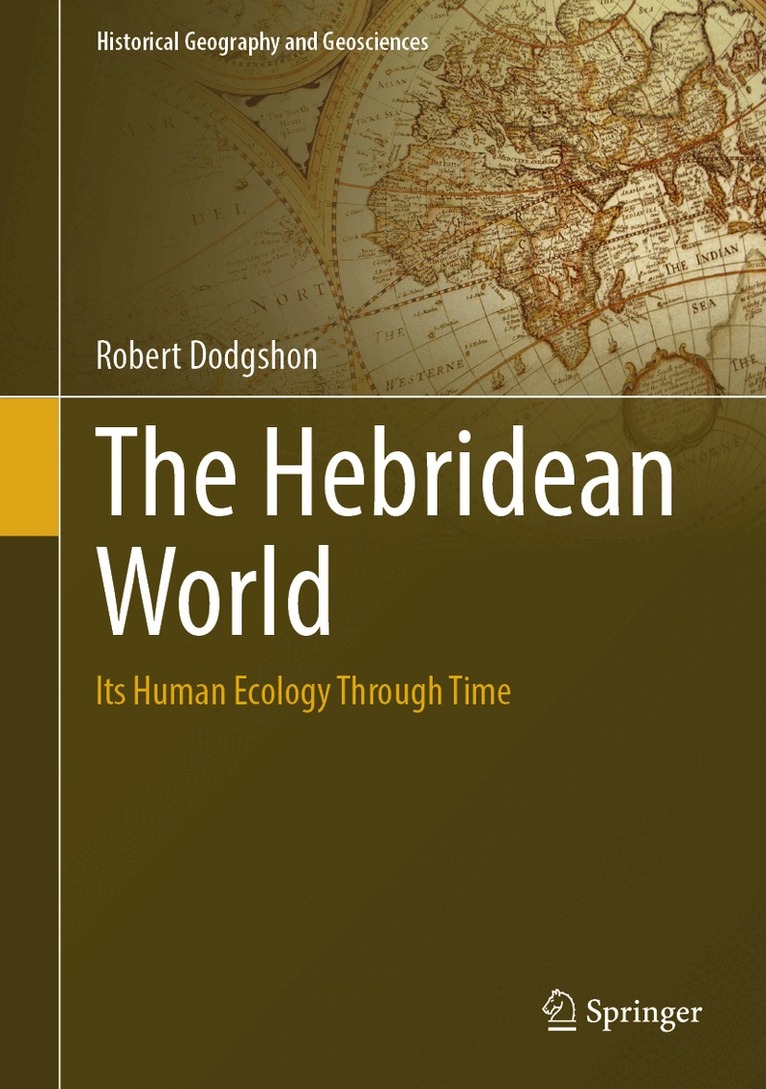
The Hebrides has long been seen as an area that, when considered over time, was slow to absorb change. Indeed, from the nineteenth century onwards, it attracted the attention of scholars for being seen as having not just the oldest rocks in Europe but also, some of its oldest cultural practices and institutional forms. This unchanging ‘archaic’ character has continued to attract a great deal of research but, over recent decades, a counter view has emerged that highlights the changes that the region did experience. This book argues the case for the latter by drawing out how the institutional forms around which the region and its farming communities were organised changed over time. As background. It highlights the importance of understanding two key inter-related features that underpinned these changes: the low output of Hebridean farming with its high frequency of poor harvests and the range of environmental hazards that beset the region. Brought together, the interaction between these two features makes the survival strategies adopted by communities an important part of the region’s history.Because society/environment interactions are at the heart of the problem, the book’s discussion is presented as a study in human ecology. One of the benchmark studies of the region in modern times, or Sir Fraser Darling’s The West Highland Problem: A Study in Human Ecology (OUP, 1955) adopted such an approach. This book gives this human ecological perspective on the region a greater time-depth.In addition to a Preface and an Epilogue, it is divided into 12 chapters:Title: The Hebridean World: Its Ecological History Through TimePreface1: The Hebrides: Their Physical Endowment and Its Challenges2: The Oldest Cultural Landscapes3: The Hebridean Mix: Picts, Scots and Vikings 4: How Land was Occupied Before Crofting 5: How the Land was Farmed before Crofting 6: Landscapes of Summer: the Shielings7: The Inter Tidal and Beyond: the Harvest of Shore and Sea 8:Survival on the Margins 9: The Landscapes of Crofting 10: The Harvesting and Processing of Grain 11: The Clearances for Sheep and Deer12: Hebridean Housing and SettlementEpilogue
1 858 kr
Skickas inom 10-15 vardagar
The Hebrides has long been seen as an area that, when considered over time, was slow to absorb change. Indeed, from the nineteenth century onwards, it attracted the attention of scholars for being seen as having not just the oldest rocks in Europe but also, some of its oldest cultural practices and institutional forms. This unchanging ‘archaic’ character has continued to attract a great deal of research but, over recent decades, a counter view has emerged that highlights the changes that the region did experience. This book argues the case for the latter by drawing out how the institutional forms around which the region and its farming communities were organised changed over time. As background. It highlights the importance of understanding two key inter-related features that underpinned these changes: the low output of Hebridean farming with its high frequency of poor harvests and the range of environmental hazards that beset the region. Brought together, the interaction between these two features makes the survival strategies adopted by communities an important part of the region’s history.Because society/environment interactions are at the heart of the problem, the book’s discussion is presented as a study in human ecology. One of the benchmark studies of the region in modern times, or Sir Fraser Darling’s The West Highland Problem: A Study in Human Ecology (OUP, 1955) adopted such an approach. This book gives this human ecological perspective on the region a greater time-depth.In addition to a Preface and an Epilogue, it is divided into 12 chapters:Title: The Hebridean World: Its Ecological History Through TimePreface1: The Hebrides: Their Physical Endowment and Its Challenges2: The Oldest Cultural Landscapes3: The Hebridean Mix: Picts, Scots and Vikings 4: How Land was Occupied Before Crofting 5: How the Land was Farmed before Crofting 6: Landscapes of Summer: the Shielings7: The Inter Tidal and Beyond: the Harvest of Shore and Sea 8:Survival on the Margins 9: The Landscapes of Crofting 10: The Harvesting and Processing of Grain 11: The Clearances for Sheep and Deer12: Hebridean Housing and SettlementEpilogue