Robert E. Bonner - Böcker
Visar alla böcker från författaren Robert E. Bonner. Handla med fri frakt och snabb leverans.
6 produkter
6 produkter
409 kr
Skickas inom 7-10 vardagar
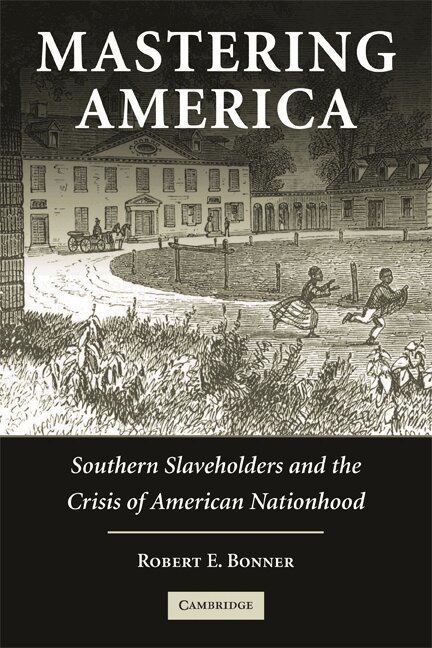
Mastering America recounts efforts of 'proslavery nationalists' to navigate the nineteenth-century geopolitics of imperialism, federalism, and nationalism and to articulate themes of American mission in overtly proslavery terms. At the heart of this study are spokesmen of the Southern 'Master Class' who crafted a vision of American destiny that put chattel slavery at its center. Looking beyond previous studies of the links between these 'proslavery nationalists' and secession, the book sheds new light on the relationship between the conservative Unionism of the 1850s and the key formulations of Confederate nationalism that arose during war in the 1860s. Bonner's innovative research charts the crucial role these men and women played in the development of American imperialism, constitutionalism, evangelicalism, and popular patriotism.
Mastering America
Southern Slaveholders and the Crisis of American Nationhood
Inbunden, Engelska, 2009
618 kr
Skickas inom 7-10 vardagar
Mastering America recounts efforts of 'proslavery nationalists' to navigate the nineteenth-century geopolitics of imperialism, federalism, and nationalism and to articulate themes of American mission in overtly proslavery terms. At the heart of this study are spokesmen of the Southern 'Master Class' who crafted a vision of American destiny that put chattel slavery at its center. Looking beyond previous studies of the links between these 'proslavery nationalists' and secession, the book sheds new light on the relationship between the conservative Unionism of the 1850s and the key formulations of Confederate nationalism that arose during war in the 1860s. Bonner's innovative research charts the crucial role these men and women played in the development of American imperialism, constitutionalism, evangelicalism, and popular patriotism.
339 kr
Skickas inom 7-10 vardagar
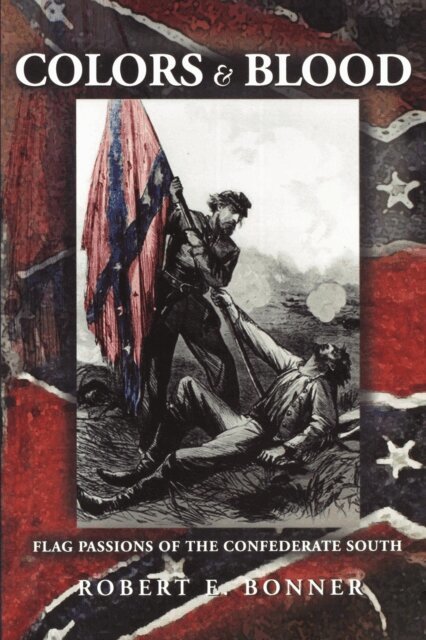
As rancorous debates over Confederate symbols continue, Robert Bonner explores how the rebel flag gained its enormous power to inspire and repel. In the process, he shows how the Confederacy sustained itself for as long as it did by cultivating the allegiances of countless ordinary citizens. Bonner also comments more broadly on flag passions--those intense emotional reactions to waving pieces of cloth that inflame patriots to kill and die. Colors and Blood depicts a pervasive flag culture that set the emotional tone of the Civil War in the Union as well as the Confederacy. Northerners and southerners alike devoted incredible energy to flags, but the Confederate project was unique in creating a set of national symbols from scratch. In describing the activities of white southerners who designed, sewed, celebrated, sang about, and bled for their new country's most visible symbols, the book charts the emergence of Confederate nationalism. Theatrical flag performances that cast secession in a melodramatic mode both amplified and contained patriotic emotions, contributing to a flag-centered popular patriotism that motivated true believers to defy and sacrifice.This wartime flag culture nourished Confederate nationalism for four years, but flags' martial associations ultimately eclipsed their expression of political independence. After 1865, conquered banners evoked valor and heroism while obscuring the ideology of a slaveholders' rebellion, and white southerners recast the totems of Confederate nationalism as relics of the Lost Cause. At the heart of this story is the tremendous capacity of bloodshed to infuse symbols with emotional power. Confederate flag culture, black southerners' charged relationship to the Stars and Stripes, contemporary efforts to banish the Southern Cross, and arguments over burning the Star Spangled Banner have this in common: all demonstrate Americans' passionate relationship with symbols that have been imaginatively soaked in blood.
447 kr
Kommande
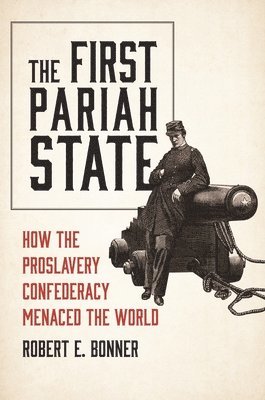
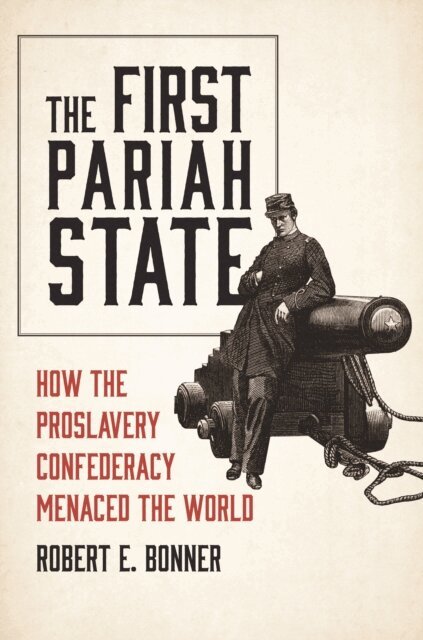
The often-forgotten global story of how the Confederacy lost its bid for sovereign nationhoodIn 1861, proslavery secessionists severed ties with the United States, launched the Confederacy, and readied their new government to join the international community as a sovereign nation. In The First Pariah State, Robert Bonner tells the story of how a transatlantic publicity campaign dashed Confederate hopes by ostracizing its rebellion as an immoral, global menace.The international anti-Confederate campaign built on existing antislavery themes but moved far beyond them. Improvised indictments circulated secessionists’ most incendiary words across the world. The Union and its foreign allies condemned the marauding Southern navy for disrupting high-seas commerce, violating civilized norms, and preparing for the resumption of the African slave trade. Abraham Lincoln and Senator Charles Sumner sought to convert rhetorical barbs and maritime anxieties into novel doctrines of international law designed to counter rogue regimes. And Union opinion-makers, including Black abolitionists, worked with European supporters to stymie the South’s naval expansion, war finances, and diplomatic efforts to gain formal recognition.International worries about the Confederate rebellion waned after U.S. victory, and the Southern pariahdom of the 1860s left few enduring traces in international law or overseas remembrances. In fact, over the next century and a half, the pro-Confederate “Lost Cause” mythology proved to be as powerful abroad as it was within the restored United States.
248 kr
Skickas inom 10-15 vardagar
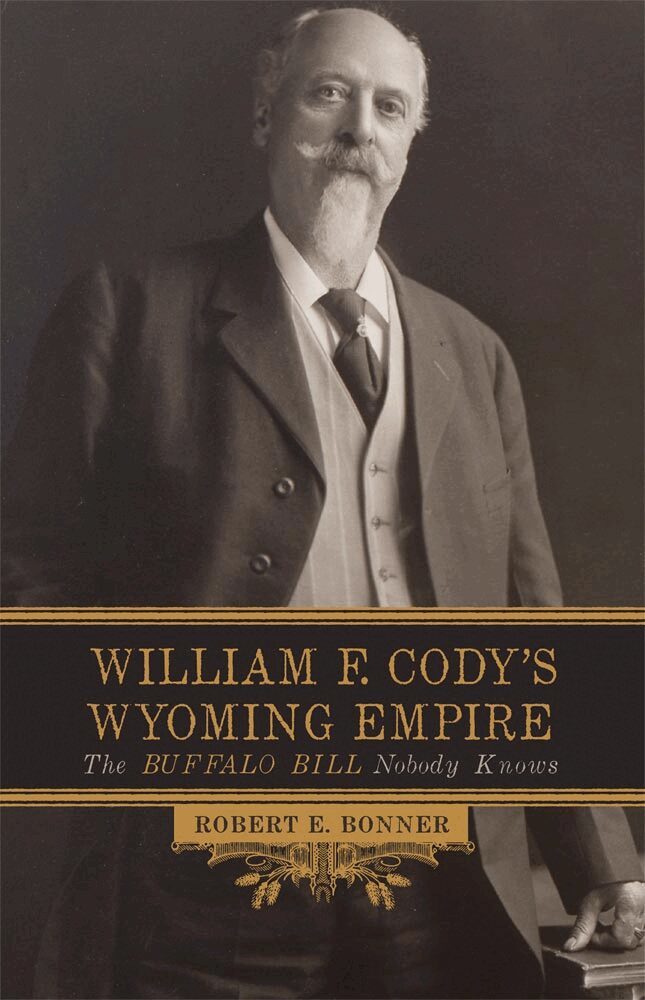
Celebrated showman of the Old West, William F. ""Buffalo Bill"" Cody took on another role unknown to most Americans, that of the western land developer and town promoter. In this captivating study, Robert E. Bonner demonstrates that the skills Cody acquired from decades in show business failed to prepare him for the demanding arena of business and finance.Bonner examines Cody's efforts as president of the Shoshone Irrigation Company to develop the Big Horn Basin through large-scale irrigation and town development. This meticulously researched account shows us a Buffalo Bill preoccupied with making a buck and not at all shy about using his fame to do it.Cody spent huge sums, bullied partners, patronized state officials, and exercised his charm in pursuit of developing the high plains east of Yellowstone National Park. His efforts helped shape the city of Cody and the Big Horn Basin. With the famous Irma Hotel as a cornerstone, he built the first infrastructure of the Cody-Yellowstone tourist trade and connected his little Wyoming town with the wealth of the East through personal hospitality and travel.Laced with engaging anecdotes and featuring more than twenty photographs, William F. Cody's Wyoming Empire is a much needed look at an overly mythologized character. There was more to William F. Cody than the Wild West show - and we cannot construct a full picture of the man without understanding his entrepreneurial activities in Wyoming.
238 kr
Skickas inom 5-8 vardagar