Robert F Burk – författare
Visar alla böcker från författaren Robert F Burk. Handla med fri frakt och snabb leverans.
9 produkter
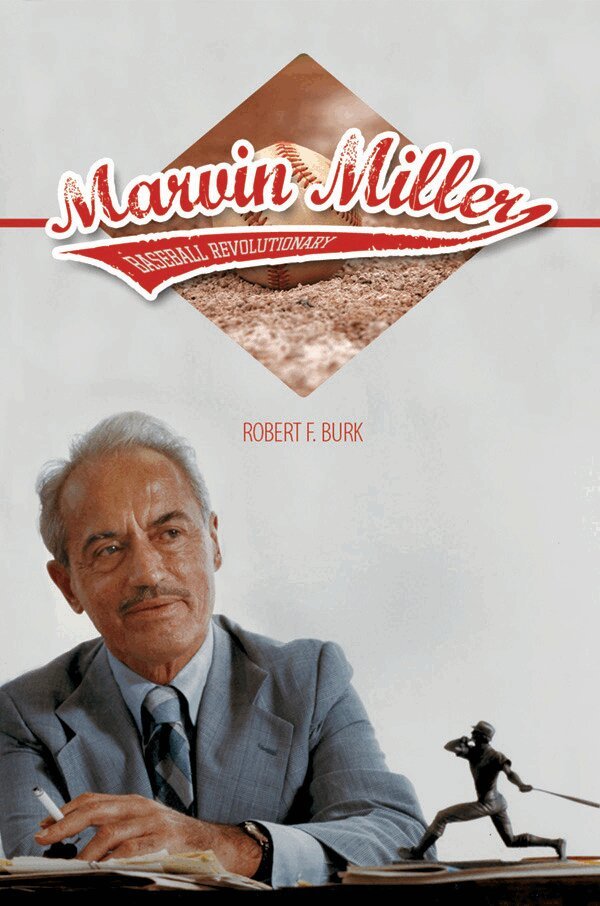
Marvin Miller, Baseball Revolutionary
Inbunden, 2015
483 kr
Lägg i varukorg
Marvin Miller changed major league baseball and the business of sports. Drawing on research and interviews with Miller and others, Marvin Miller, Baseball Revolutionary offers the first biography covering the pivotal labor leader's entire life and career. Baseball historian Robert F. Burk follows …
Marvin Miller, Baseball Revolutionary
E-bok, 2015
603 kr
Lägg i varukorg
Marvin Miller changed major league baseball and the business of sports. Drawing on research and interviews with Miller and others, Marvin Miller, Baseball Revolutionary offers the first biography covering the pivotal labor leader''s entire life and career. Baseball historian Robert F. Burk follows …
Corporate State and the Broker State
The Du Ponts and American National Politics, 1925–1940
Inbunden, 1990
987 kr
Lägg i varukorg
The du Ponts, one of the most powerful families in American industry, actively fought the policies that gave government more and more power over the economy. It was not centralization they opposed—indeed, the New Deal initially gained their favor because it appeared to promise a “corporate state” …
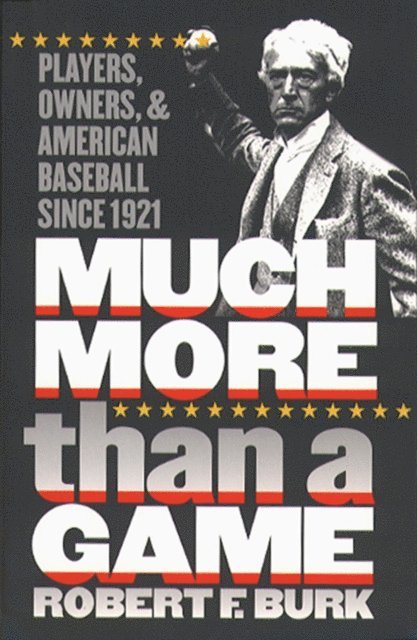
Much More Than a Game
Players, Owners, and American Baseball Since 1921
Häftad, 2001
487 kr
Lägg i varukorg
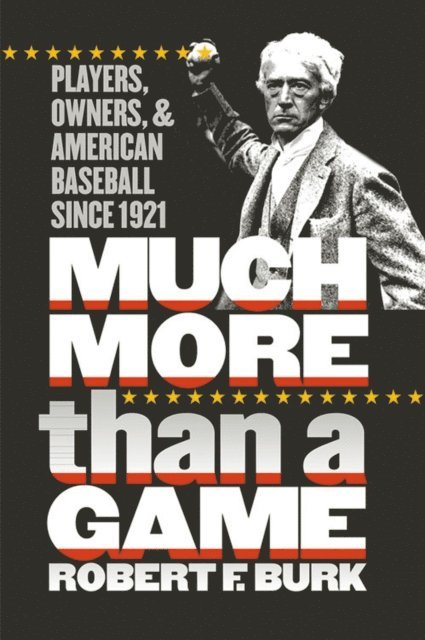
Power struggles off the field To most Americans, baseball is just a sport; but to those who own baseball teams - and to those who play on them - our national pastime is much more than a game. In this book, Robert Burk traces the turbulent labor history of American baseball since 1921. His …
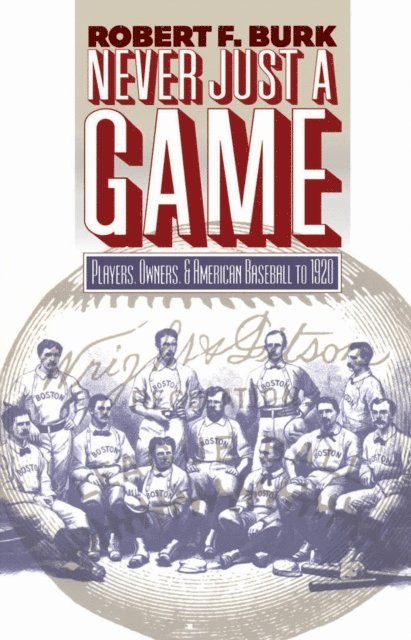
Never Just a Game
Players, Owners, and American Baseball to 1920
Häftad, 2001
545 kr
Lägg i varukorg
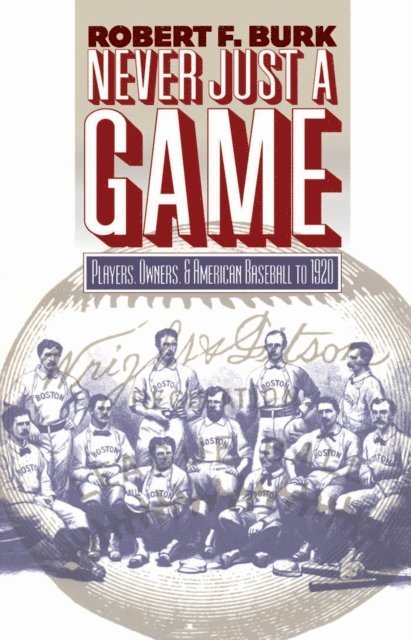
Baseball's early labor wars America's national pastime has been marked from its inception by bitter struggles between owners and players over profit, power, and prestige. In this labor history of baseball from its beginning to 1920, Robert Burk describes the evolution of the ballplaying world force …
Never Just a Game
Players, Owners, and American Baseball to 1920
E-bok, 2000
535 kr
Lägg i varukorg
America’s national pastime has been marked from its inception by bitter struggles between owners and players over profit, power, and prestige. In this book, the first installment of a highly readable, comprehensive labor history of baseball, Robert Burk describes the evolution of the ballplaying …
Much More Than a Game
Players, Owners, and American Baseball since 1921
E-bok, 2003
402 kr
Lägg i varukorg
To most Americans, baseball is just a sport; but to those who own baseball teams--and those who play on them--our national pastime is much more than a game. In this book, Robert Burk traces the turbulent labor history of American baseball since 1921. His comprehensive, readable account details the …
Never Just a Game
Players, Owners, and American Baseball to 1920
E-bok, 2000
535 kr
Lägg i varukorg
America’s national pastime has been marked from its inception by bitter struggles between owners and players over profit, power, and prestige. In this book, the first installment of a highly readable, comprehensive labor history of baseball, Robert Burk describes the evolution of the ballplaying …
Much More Than a Game
Players, Owners, and American Baseball since 1921
E-bok, 2003
410 kr
Lägg i varukorg
To most Americans, baseball is just a sport; but to those who own baseball teams--and those who play on them--our national pastime is much more than a game. In this book, Robert Burk traces the turbulent labor history of American baseball since 1921. His comprehensive, readable account details the …