Robert G. Ousterhout – författare
Visar alla böcker från författaren Robert G. Ousterhout. Handla med fri frakt och snabb leverans.
11 produkter
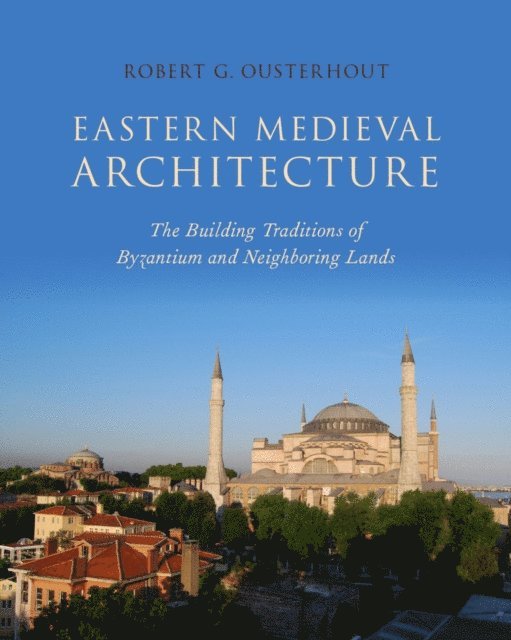
Eastern Medieval Architecture
The Building Traditions of Byzantium and Neighboring Lands
E-bok, 2019
812 kr
Lägg i varukorg
Aside from Hagia Sophia, the monuments of the Byzantine East are poorly understood today. This is in sharp contrast to the well-known architectural marvels of Western Europeâs Middle Ages. In this landmark survey, distinguished art historian Robert Ousterhout introduces readers to the rich and …
Eastern Medieval Architecture
The Building Traditions of Byzantium and Neighboring Lands
E-bok, 2019
812 kr
Lägg i varukorg
Aside from Hagia Sophia, the monuments of the Byzantine East are poorly understood today. This is in sharp contrast to the well-known architectural marvels of Western Europeâs Middle Ages. In this landmark survey, distinguished art historian Robert Ousterhout introduces readers to the rich and …
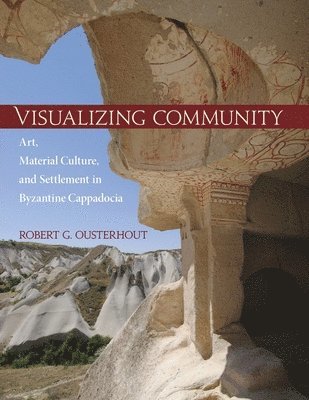
Visualizing Community
Art, Material Culture, and Settlement in Byzantine Cappadocia
Inbunden, 2017
803 kr
Lägg i varukorg
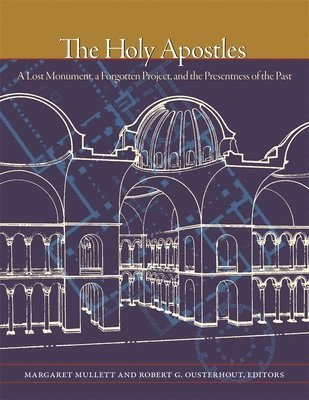
Holy Apostles
A Lost Monument, a Forgotten Project, and the Presentness of the Past
Av Margaret Mullett, Robert G. Ousterhout
Inbunden, 2020
582 kr
Lägg i varukorg
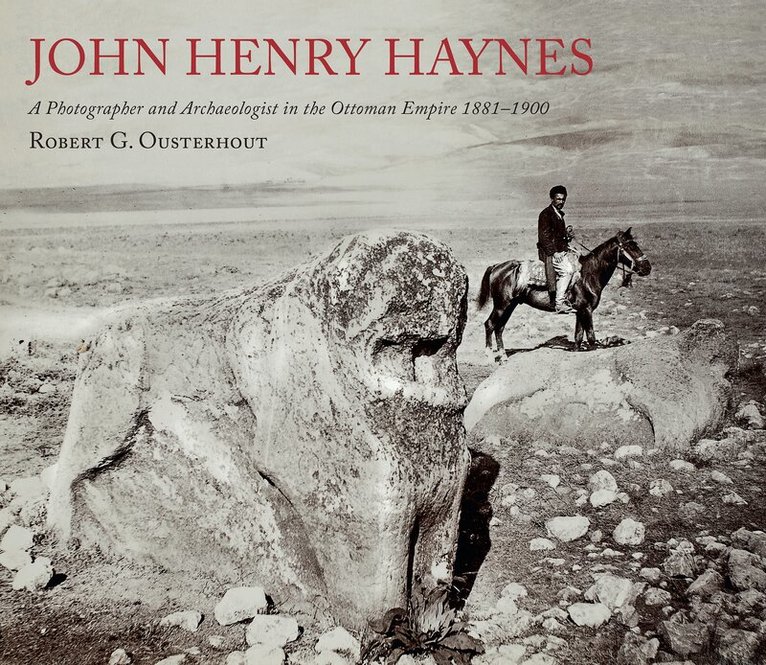
John Henry Haynes: A Photographer and Archaeologist in the Ottoman Empire 1881–1900
Häftad, 2018
368 kr
Lägg i varukorg
Virtually unknown today, John Henry Haynes (1849-1910) may be regarded as the father of American archaeological photography. His travels took him from Athens to Istanbul and on to Mesopotamia. In this landmark study, now revised with additional unpublished photographs published for the first time, …
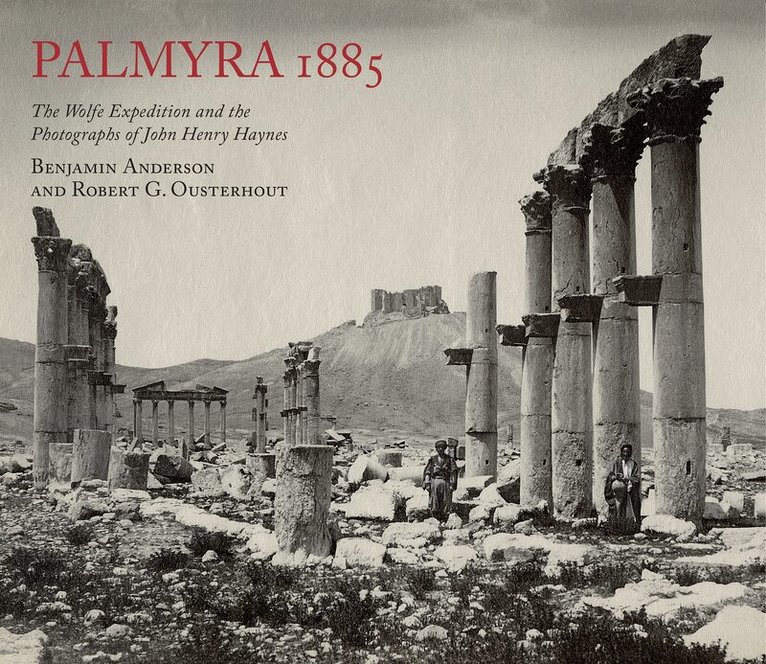
Palmyra 1885: The Wolfe Expedition and the Photographs of John Henry Haynes
Av Benjamin Anderson, Robert G. Ousterhout
Häftad, 2018
314 kr
Lägg i varukorg
European adventurers began exploring Palmyra's priceless Roman ruins in the 17th century, but it wasn't until the advent of photography that the public became aware of its scale and majesty. In 1885, the sight of Palmyra astounded members of the Wolfe Expedition as they journeyed home from …
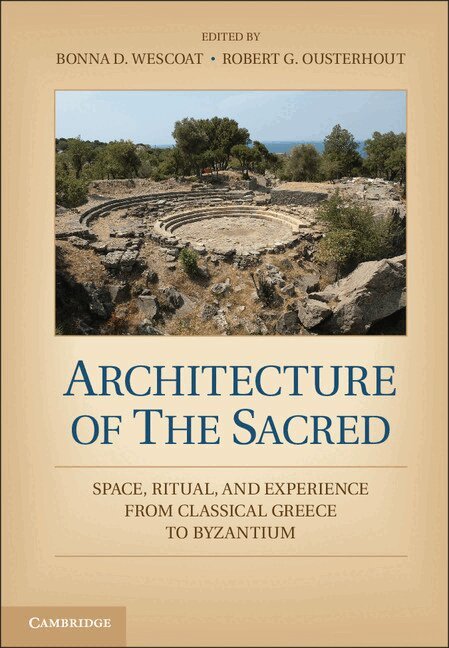
Architecture of the Sacred
Space, Ritual, and Experience from Classical Greece to Byzantium
Av Bonna D. Wescoat, Robert G. Ousterhout
Häftad, 2014
687 kr
Lägg i varukorg
In this book, a distinguished team of authors explores the way space, place, architecture, and ritual interact to construct sacred experience in the historical cultures of the eastern Mediterranean. Essays address fundamental issues and features that enable buildings to perform as spiritually …
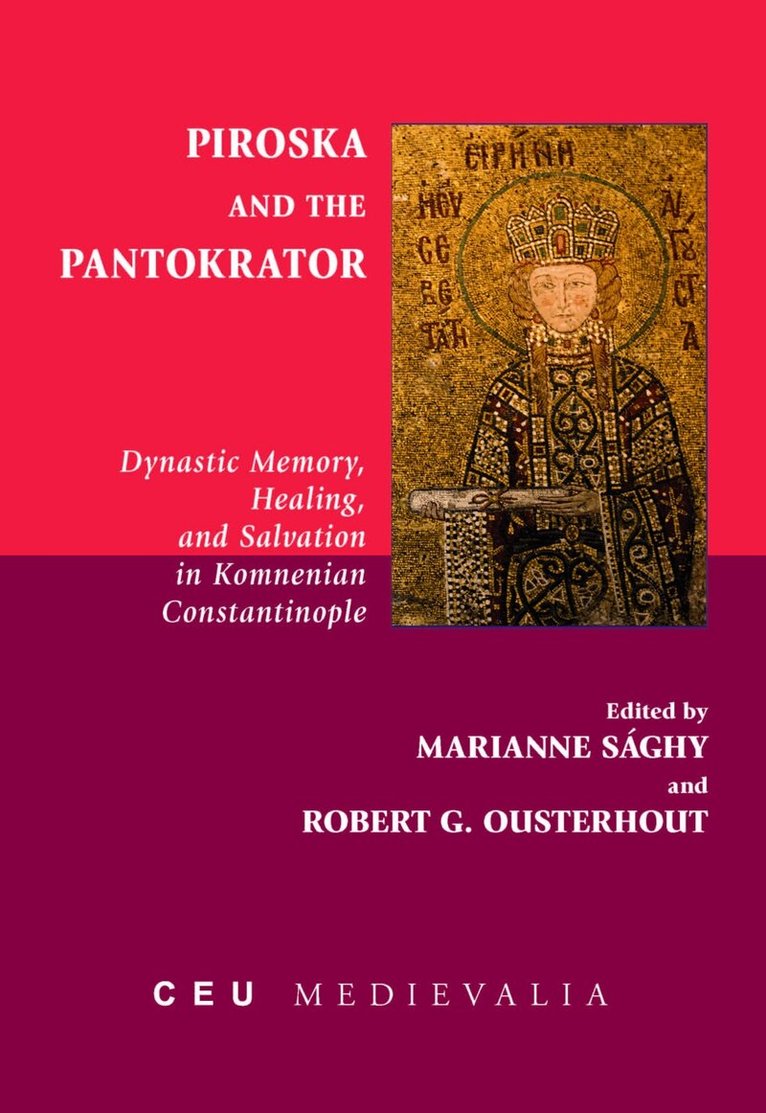
Piroska and the Pantokrator
Dynastic Memory, Healing and Salvation in Komnenian Constantinople
Av Marianne Sághy, Marianne Sághy m. fl.
Häftad, 2019
953 kr
Lägg i varukorg
This book is about the Christ Pantokrator, an imposing monumental complex serving monastic, dynastic, medical and social purposes in Constantinople, founded by Emperor John II Komnenos and Empress Piroska-Eirene in 1118. Now called the Zeyrek Mosque, the second largest Byzantine religious edifice …
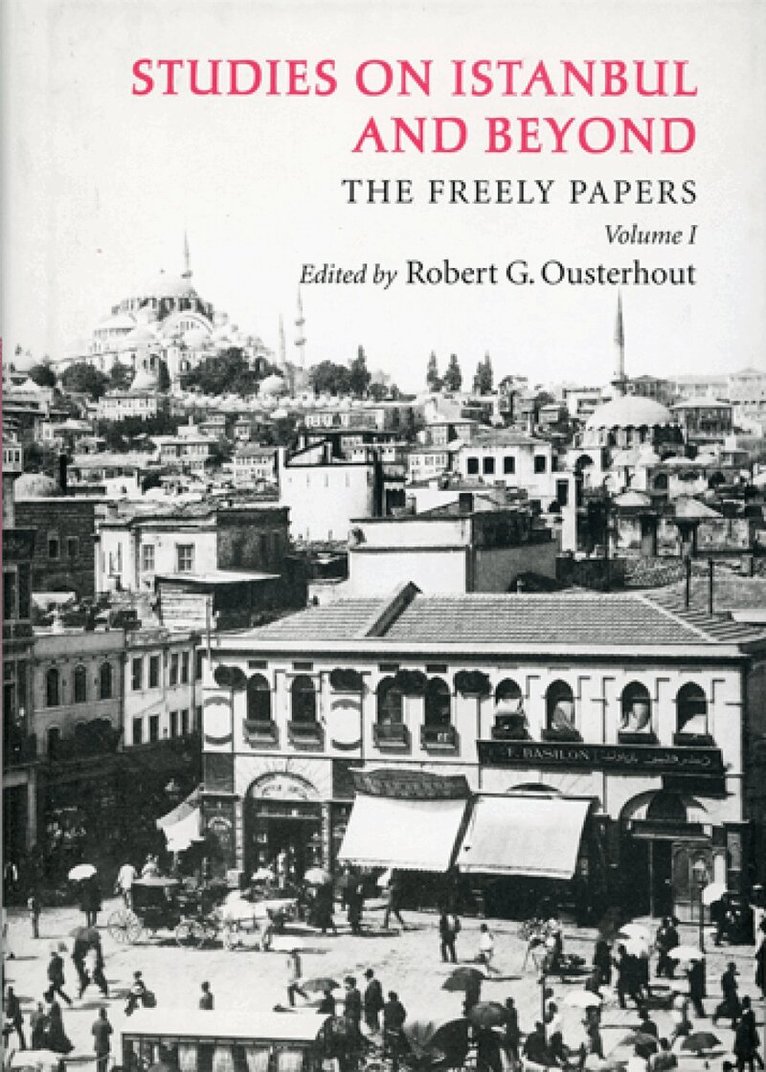
Studies on Istanbul and Beyond – The Freely Papers, Volume 1
Inbunden, 2007
510 kr
Tillfälligt slut
Written by recipients of the John Freely Fellowship awarded annually through the American Research Institute in Turkey from a major gift from the Joukowsky Family Foundation of New York to honor a celebrated author of travel and history books, this volume focuses particular attention on the city of …
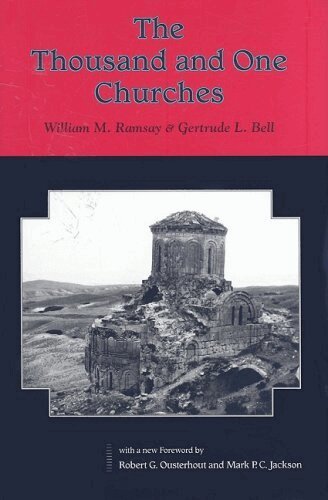
Thousand and One Churches
Av William M. Ramsay, Gertrude L. Bell m. fl.
Inbunden, 2008
792 kr
Tillfälligt slut
Published in 1909 and long out of print, The Thousand and One Churches remains a seminal study of the postclassical monuments of Anatolia. Now a new generation of readers can learn of the extensive remains of the sprawling early Christian site known as Binbirkilise ("Thousand and One Churches," …