Robert Gooding-Williams - Böcker
Visar alla böcker från författaren Robert Gooding-Williams. Handla med fri frakt och snabb leverans.
9 produkter
9 produkter
950 kr
Skickas inom 7-10 vardagar
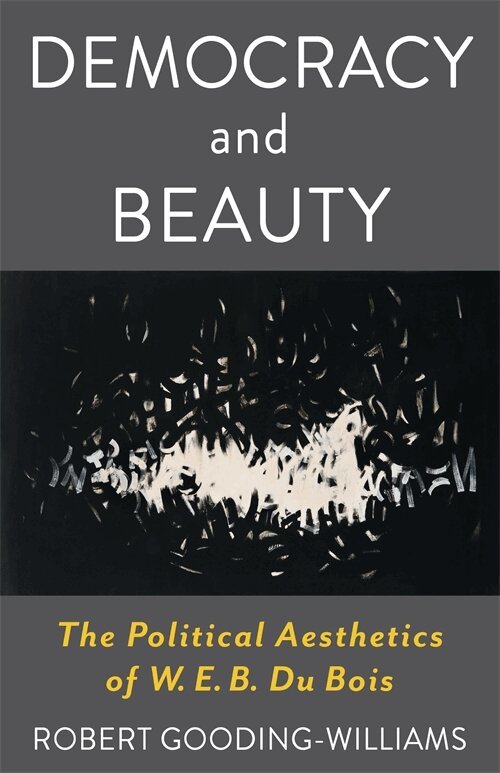
What is beauty, and what is its political function? In what ways might it help undermine white supremacy and cultivate a more democratic political culture? Democracy and Beauty shines a light on W. E. B. Du Bois’s attempts to answer these questions during the decade surrounding the First World War and, in so doing, offers a groundbreaking account of the philosopher’s aesthetics.Robert Gooding-Williams reconstructs Du Bois’s defense of the political potential of beauty to challenge oppressive systems and foster an inclusive democracy. White supremacy is a powerful force that defies rational revision, Du Bois argued, because it is rooted in the entrenched routines of its adherents. Beauty, however, has a distinctive role to play in the struggle against white supremacy. It can strengthen resolve and ward off despair by showing the oppressed that they can alter their social world, and it can unsettle and even transform the pernicious habits that perpetuate white supremacy. Gooding-Williams also explores Du Bois’s account of the interplay among white supremacy, Christianity, capitalism, and imperialism as well as key tensions in his work. A rich engagement with Du Bois’s philosophy of beauty, this book demonstrates the relevance of his social thought and aesthetics to present-day arguments about Black pessimism, Black optimism, and the aesthetic turn in Black studies.
227 kr
Skickas inom 7-10 vardagar
What is beauty, and what is its political function? In what ways might it help undermine white supremacy and cultivate a more democratic political culture? Democracy and Beauty shines a light on W. E. B. Du Bois’s attempts to answer these questions during the decade surrounding the First World War and, in so doing, offers a groundbreaking account of the philosopher’s aesthetics.Robert Gooding-Williams reconstructs Du Bois’s defense of the political potential of beauty to challenge oppressive systems and foster an inclusive democracy. White supremacy is a powerful force that defies rational revision, Du Bois argued, because it is rooted in the entrenched routines of its adherents. Beauty, however, has a distinctive role to play in the struggle against white supremacy. It can strengthen resolve and ward off despair by showing the oppressed that they can alter their social world, and it can unsettle and even transform the pernicious habits that perpetuate white supremacy. Gooding-Williams also explores Du Bois’s account of the interplay among white supremacy, Christianity, capitalism, and imperialism as well as key tensions in his work. A rich engagement with Du Bois’s philosophy of beauty, this book demonstrates the relevance of his social thought and aesthetics to present-day arguments about Black pessimism, Black optimism, and the aesthetic turn in Black studies.
2 100 kr
Skickas inom 10-15 vardagar
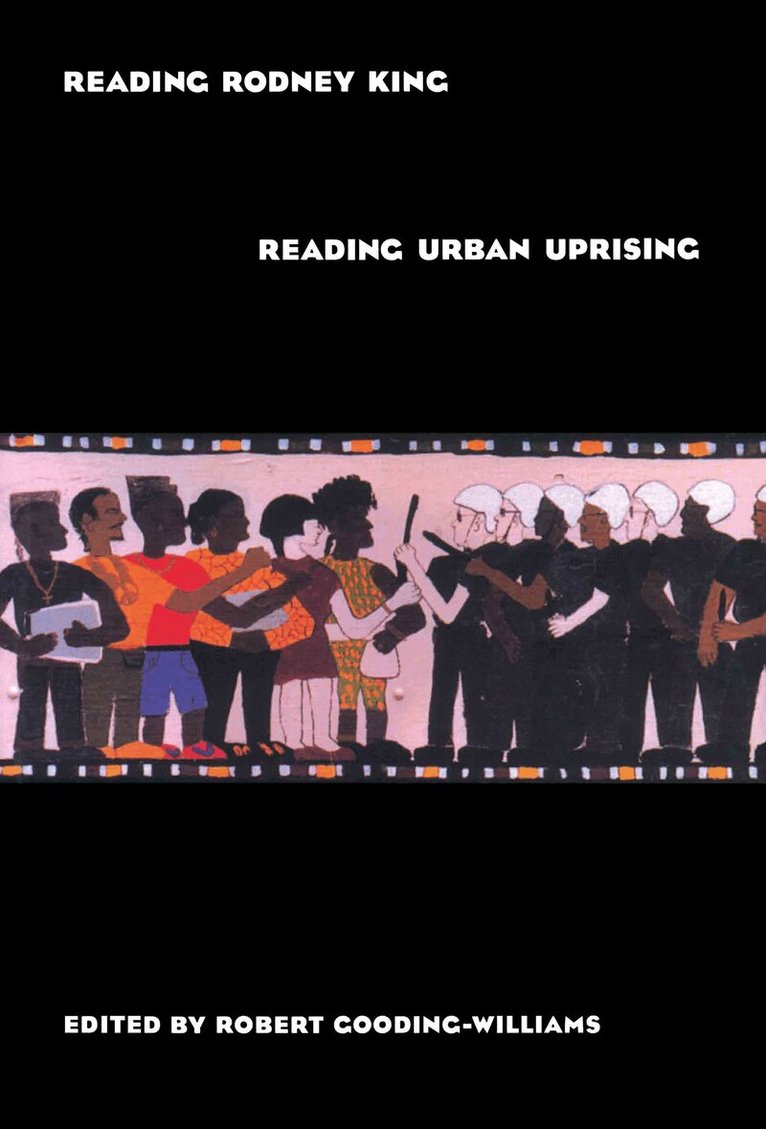
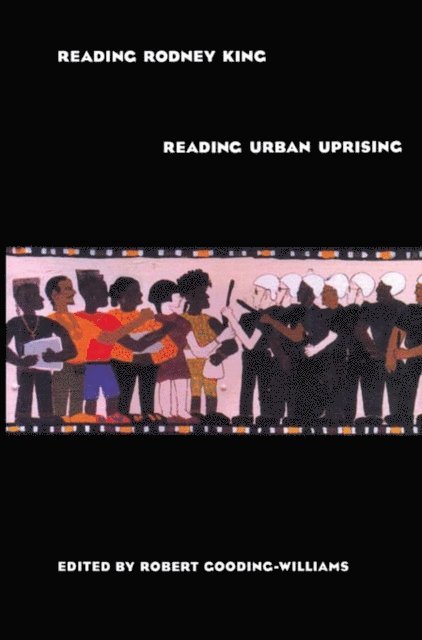
Reading Rodney King/Reading Urban Uprising keeps the public debate alive by exploring the connections between the Rodney King incidents and the ordinary workings of cultural, political, and economic power in contemporary America. Its recurrent theme is the continuing, complicated significance of race in American society. Contributors: Houston A. Baker, Jr.; Judith Butler; Sumi K. Cho; Kimberle Crenshaw; Mike Davis; Thomas L. Dumm; Walter C. Farrell, Jr.; Henry Louis Gates, Jr.; Ruth Wilson Gilmore; Robert Gooding-Williams; James H. Johnson, Jr.; Elaine H. Kim; Melvin L. Oliver; Michael Omi; Gary Peller; Cedric J. Robinson; Jerry Watts; Cornel West; Patricia Williams; Rhonda M. Williams; Howard Winant.
668 kr
Skickas inom 10-15 vardagar
Reading Rodney King/Reading Urban Uprising keeps the public debate alive by exploring the connections between the Rodney King incidents and the ordinary workings of cultural, political, and economic power in contemporary America. Its recurrent theme is the continuing, complicated significance of race in American society. Contributors: Houston A. Baker, Jr.; Judith Butler; Sumi K. Cho; Kimberle Crenshaw; Mike Davis; Thomas L. Dumm; Walter C. Farrell, Jr.; Henry Louis Gates, Jr.; Ruth Wilson Gilmore; Robert Gooding-Williams; James H. Johnson, Jr.; Elaine H. Kim; Melvin L. Oliver; Michael Omi; Gary Peller; Cedric J. Robinson; Jerry Watts; Cornel West; Patricia Williams; Rhonda M. Williams; Howard Winant.
2 640 kr
Skickas inom 10-15 vardagar
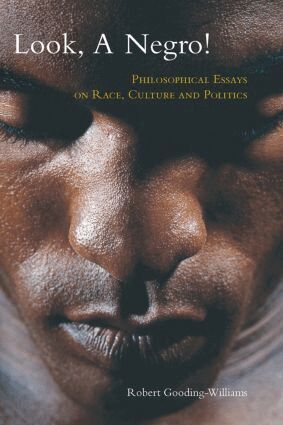
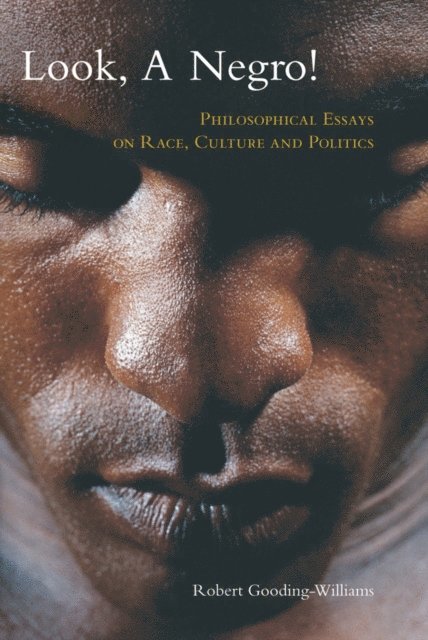
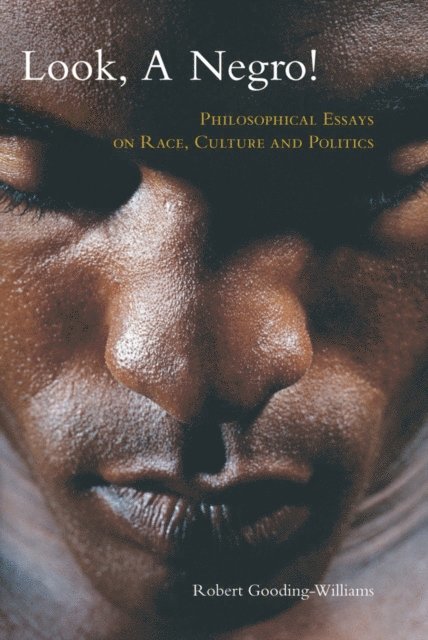
In Look, a Negro! , political theorist Robert Gooding-Williams imaginatively and impressively unpacks fundamental questions around race and racism. Inspired by Frantz Fanon's famous description of the profound effect of being singled out by a white child with the words Look, a Negro!, his book is an insightful, rich and unusually wide-ranging work of social criticism.These essays engage themes that have dominated debates on race and racial identity in recent years: the workings of racial ideology (including the interplay of gender and sexuality in the articulation of racial ideology), the viability of social constructionist theories of race, the significance of Afrocentrism and multiculturalism for democracy, the place of black identity in the imagination and articulation of America's inheritance of philosophy, and the conceptualization of African-American politics in post-segregation America.Look, a Negro! will be of interest to philosophers, political theorists, critical race theorists, students of cultural studies and film, and readers concerned with the continuing importance of race-consciousness to democratic culture in the United States.
574 kr
Skickas inom 10-15 vardagar
In Look, a Negro! , political theorist Robert Gooding-Williams imaginatively and impressively unpacks fundamental questions around race and racism. Inspired by Frantz Fanon's famous description of the profound effect of being singled out by a white child with the words Look, a Negro!, his book is an insightful, rich and unusually wide-ranging work of social criticism.These essays engage themes that have dominated debates on race and racial identity in recent years: the workings of racial ideology (including the interplay of gender and sexuality in the articulation of racial ideology), the viability of social constructionist theories of race, the significance of Afrocentrism and multiculturalism for democracy, the place of black identity in the imagination and articulation of America's inheritance of philosophy, and the conceptualization of African-American politics in post-segregation America.Look, a Negro! will be of interest to philosophers, political theorists, critical race theorists, students of cultural studies and film, and readers concerned with the continuing importance of race-consciousness to democratic culture in the United States.
296 kr
Skickas inom 10-15 vardagar
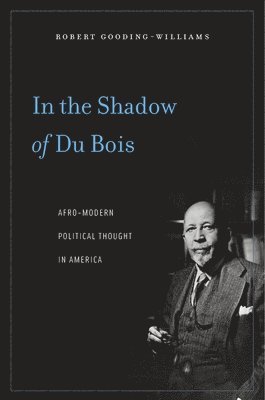
The Souls of Black Folk is Du Bois’s outstanding contribution to modern political theory. It is his still influential answer to the question, “What kind of politics should African Americans conduct to counter white supremacy?” Here, in a major addition to American studies and the first book-length philosophical treatment of Du Bois’s thought, Robert Gooding-Williams examines the conceptual foundations of Du Bois’s interpretation of black politics. For Du Bois, writing in a segregated America, a politics capable of countering Jim Crow had to uplift the black masses while heeding the ethos of the black folk: it had to be a politics of modernizing “self-realization” that expressed a collective spiritual identity. Highlighting Du Bois’s adaptations of Gustav Schmoller’s social thought, the German debate over the Geisteswissenschaften, and William Wordsworth’s poetry, Gooding-Williams reconstructs Souls’ defense of this “politics of expressive self-realization,” and then examines it critically, bringing it into dialogue with the picture of African American politics that Frederick Douglass sketches in My Bondage and My Freedom. Through a novel reading of Douglass, Gooding-Williams characterizes the limitations of Du Bois’s thought and questions the authority it still exerts in ongoing debates about black leadership, black identity, and the black underclass. Coming to Bondage and then to these debates by looking backward and then forward from Souls, Gooding-Williams lets Souls serve him as a productive hermeneutical lens for exploring Afro-Modern political thought in America.
1 963 kr
Skickas inom 10-15 vardagar
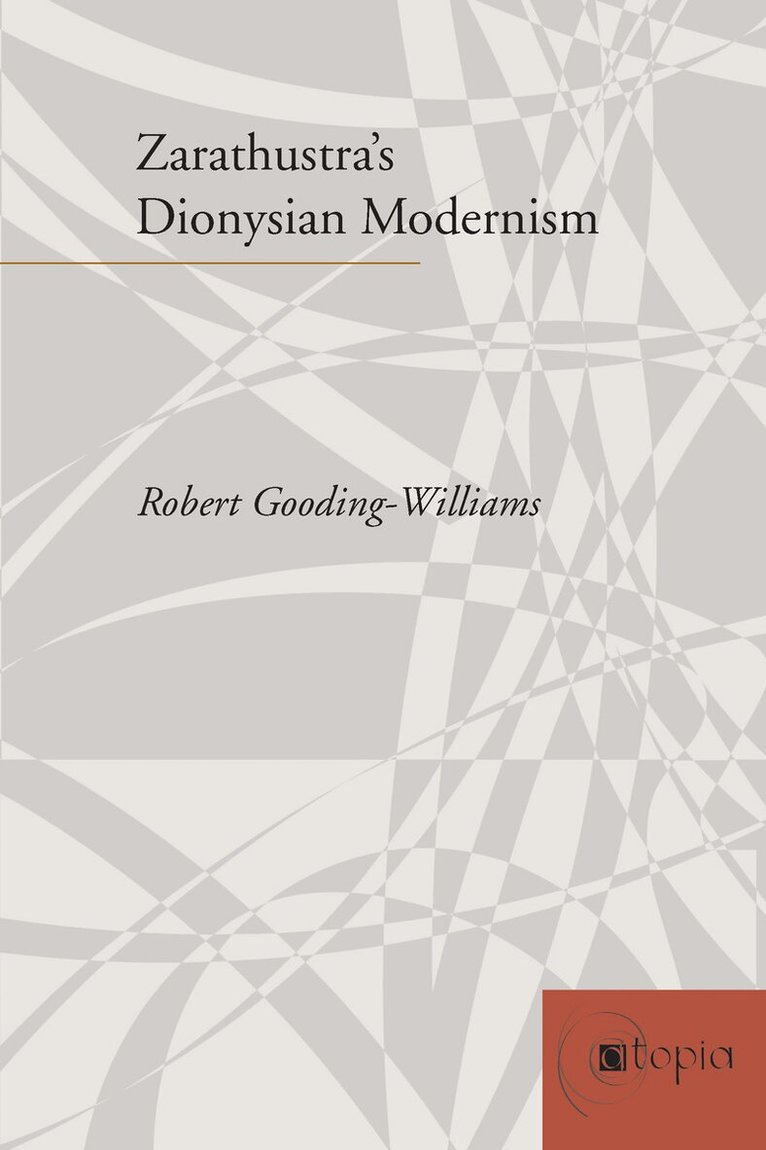
In arguing that Nietzsche's Thus Spoke Zarathustra is a philosophical explanation of the possibility of modernism—that is, of the possibility of radical cultural change through the creation of new values—the author shows that literary fiction can do the work of philosophy.Nietzsche takes up the problem of modernism by inventing Zarathustra, a self-styled cultural innovator who aspires to subvert the culture of modernity (the repressive culture of the "last man") by creating new values. By showing how Zarathustra can become a creator of new values, notwithstanding the forces that hinder his will to innovate, Nietzsche answers the skeptic who proclaims that new-values creation is impossible. Zarathustra is a story of repeated clashes between Zarathustra's avant-garde, modernist intentions and figures of doubt who condemn those intentions.Through a close reading of Zarathustra, the author reconstructs Nietzsche's explanation of the possibility of modernism. Showing how parody, irony, and plot organization frame that explanation, he also demonstrates the central significance of Zarathustra's speeches on the body and the will to power. The author argues that Nietzsche's critique of the modern philosophy of the subject revises Kant's concept of the dynamical sublime and makes allegorical use of the myth of Theseus, Ariadne, and Dionysus. He also proposes an original interpretation of the thought of eternal recurrence (according to Nietzsche, the "fundamental conception" of Zarathustra). Breaking with conventional Nietzsche scholarship, the author conceptualizes the thought not as a theoretical or a practical doctrine that Nietzsche endorses, but as a developing drama that Zarathustra performs.
475 kr
Skickas inom 7-10 vardagar
In arguing that Nietzsche's Thus Spoke Zarathustra is a philosophical explanation of the possibility of modernism—that is, of the possibility of radical cultural change through the creation of new values—the author shows that literary fiction can do the work of philosophy.Nietzsche takes up the problem of modernism by inventing Zarathustra, a self-styled cultural innovator who aspires to subvert the culture of modernity (the repressive culture of the "last man") by creating new values. By showing how Zarathustra can become a creator of new values, notwithstanding the forces that hinder his will to innovate, Nietzsche answers the skeptic who proclaims that new-values creation is impossible. Zarathustra is a story of repeated clashes between Zarathustra's avant-garde, modernist intentions and figures of doubt who condemn those intentions.Through a close reading of Zarathustra, the author reconstructs Nietzsche's explanation of the possibility of modernism. Showing how parody, irony, and plot organization frame that explanation, he also demonstrates the central significance of Zarathustra's speeches on the body and the will to power. The author argues that Nietzsche's critique of the modern philosophy of the subject revises Kant's concept of the dynamical sublime and makes allegorical use of the myth of Theseus, Ariadne, and Dionysus. He also proposes an original interpretation of the thought of eternal recurrence (according to Nietzsche, the "fundamental conception" of Zarathustra). Breaking with conventional Nietzsche scholarship, the author conceptualizes the thought not as a theoretical or a practical doctrine that Nietzsche endorses, but as a developing drama that Zarathustra performs.