Robert Henke – författare
Visar alla böcker från författaren Robert Henke. Handla med fri frakt och snabb leverans.
17 produkter
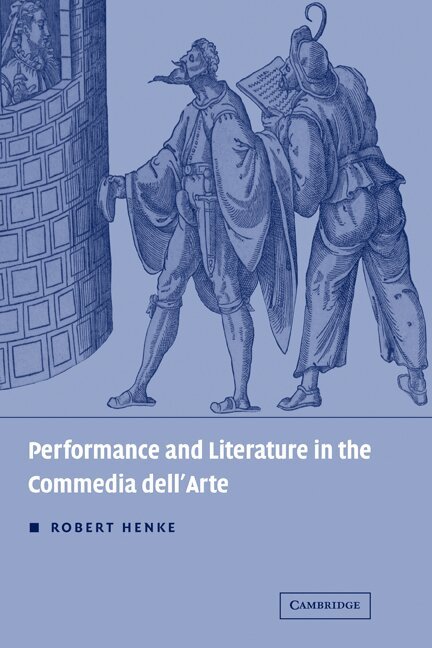
Performance and Literature in the Commedia dell'Arte
Av Robert Henke
Häftad, 2010
823 kr
Lägg i varukorg
This 2002 book explores the commedia dell'arte: the Italian professional theatre in Shakespeare's time. The actors of this theatre usually did not perform from scripted drama but improvised their performances from a shared plot and thorough knowledge of individual character roles. Robert Henke …
Performance and Literature in the Commedia dell'Arte
Av Robert Henke
Inbunden, 2002
1872 kr
Lägg i varukorg
This 2002 book explores the commedia dell'arte: the Italian professional theatre in Shakespeare's time. The actors of this theatre usually did not perform from scripted drama but improvised their performances from a shared plot and thorough knowledge of individual character roles. Robert Henke …
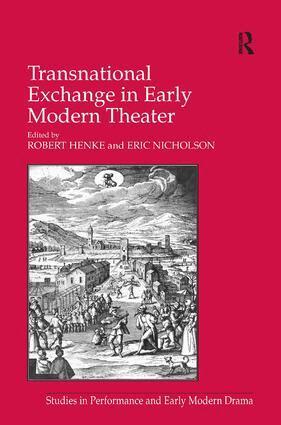
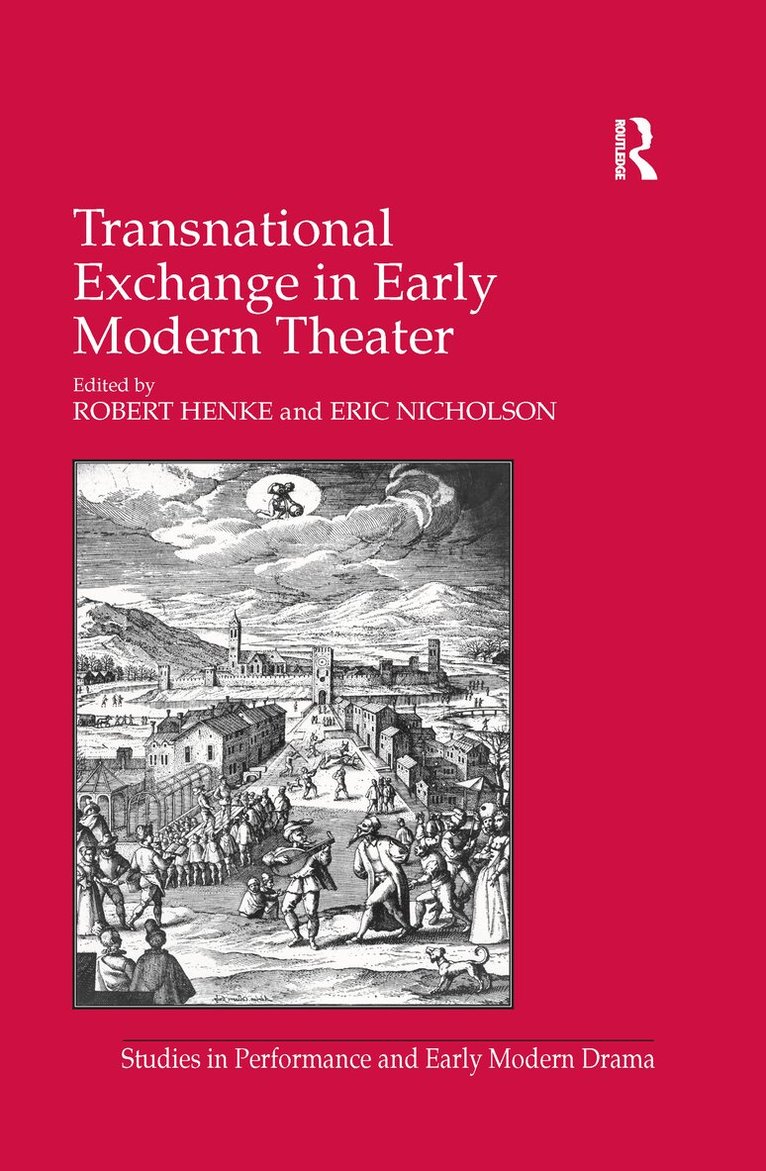
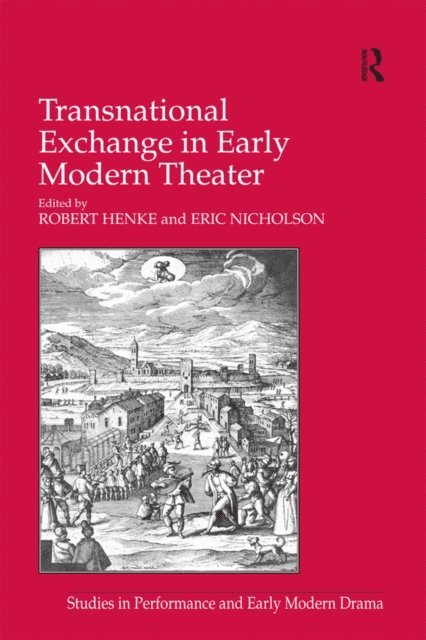
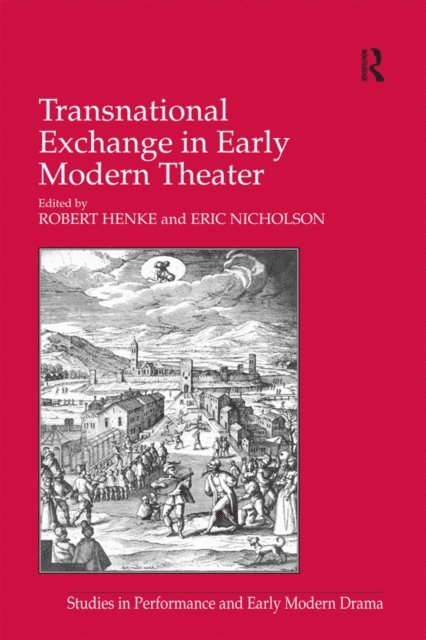
Transnational Exchange in Early Modern Theater
Av Eric Nicholson, Robert Henke
Inbunden, 2008
2586 kr
Lägg i varukorg
Emphasizing a performative and stage-centered approach, this book considers early modern European theater as an international phenomenon. Early modern theater was remarkable both in the ways that it represented material and symbolic exchanges across political, linguistic, and cultural borders (both …
European Theatre Performance Practice, 1580-1750
Av Robert Henke, M.A. Katritzky
Häftad, 2024
667 kr
Lägg i varukorg
This volume presents foundational and representative essays of the last half century on theatre performance practice during the period 1580 to 1750. The particular focus is on the nature of playing spaces, staging, acting and audience response in professional theatre and the selection of previously …
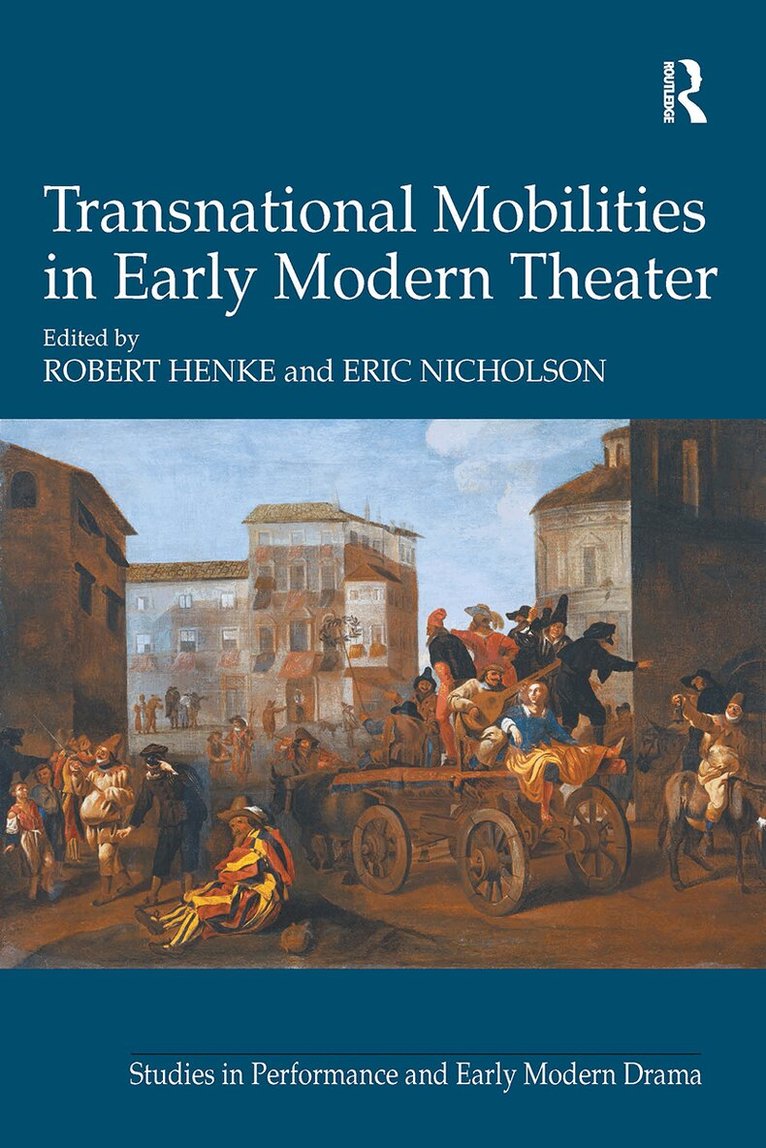
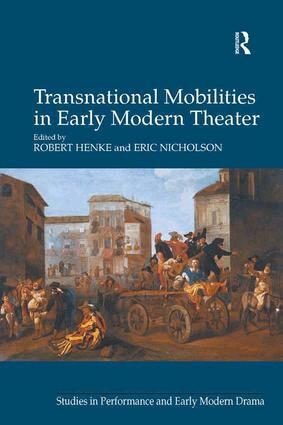
Transnational Mobilities in Early Modern Theater
Av Robert Henke, Eric Nicholson
Häftad, 2024
745 kr
Lägg i varukorg
The essays in this volume investigate English, Italian, Spanish, German, Czech, and Bengali early modern theater, placing Shakespeare and his contemporaries in the theatrical contexts of western and central Europe, as well as the Indian sub-continent. Contributors explore the mobility of theatrical …
Transnational Exchange in Early Modern Theater
Av Eric Nicholson, Robert Henke
Häftad, 2016
996 kr
Lägg i varukorg
Emphasizing a performative and stage-centered approach, this book considers early modern European theater as an international phenomenon. Early modern theater was remarkable both in the ways that it represented material and symbolic exchanges across political, linguistic, and cultural borders (both …
Transnational Mobilities in Early Modern Theater
Av Eric Nicholson, Robert Henke
E-bok, 2016
851 kr
Lägg i varukorg
The essays in this volume investigate English, Italian, Spanish, German, Czech, and Bengali early modern theater, placing Shakespeare and his contemporaries in the theatrical contexts of western and central Europe, as well as the Indian sub-continent. Contributors explore the mobility of theatrical …
Transnational Mobilities in Early Modern Theater
Av Eric Nicholson, Robert Henke
E-bok, 2016
876 kr
Lägg i varukorg
The essays in this volume investigate English, Italian, Spanish, German, Czech, and Bengali early modern theater, placing Shakespeare and his contemporaries in the theatrical contexts of western and central Europe, as well as the Indian sub-continent. Contributors explore the mobility of theatrical …
Transnational Exchange in Early Modern Theater
Av Eric Nicholson, Robert Henke
E-bok, 2016
1175 kr
Lägg i varukorg
Emphasizing a performative and stage-centered approach, this book considers early modern European theater as an international phenomenon. Early modern theater was remarkable both in the ways that it represented material and symbolic exchanges across political, linguistic, and cultural borders (both …
Transnational Exchange in Early Modern Theater
Av Eric Nicholson, Robert Henke
E-bok, 2016
1175 kr
Lägg i varukorg
Emphasizing a performative and stage-centered approach, this book considers early modern European theater as an international phenomenon. Early modern theater was remarkable both in the ways that it represented material and symbolic exchanges across political, linguistic, and cultural borders (both …
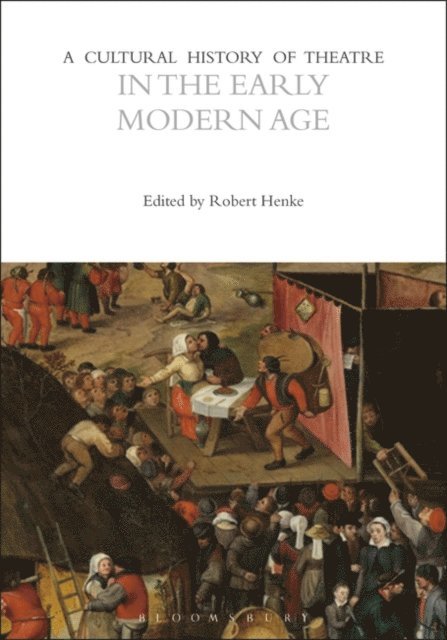
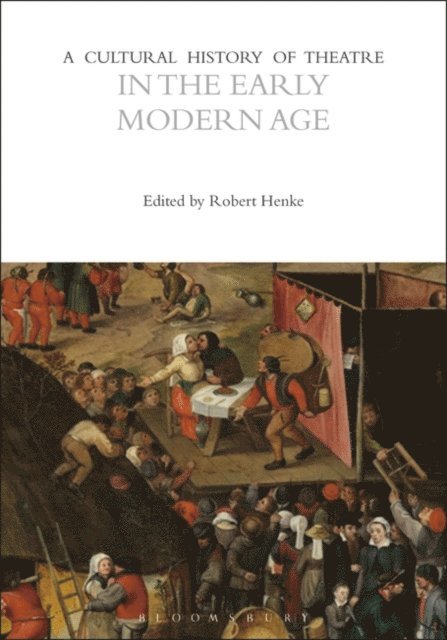
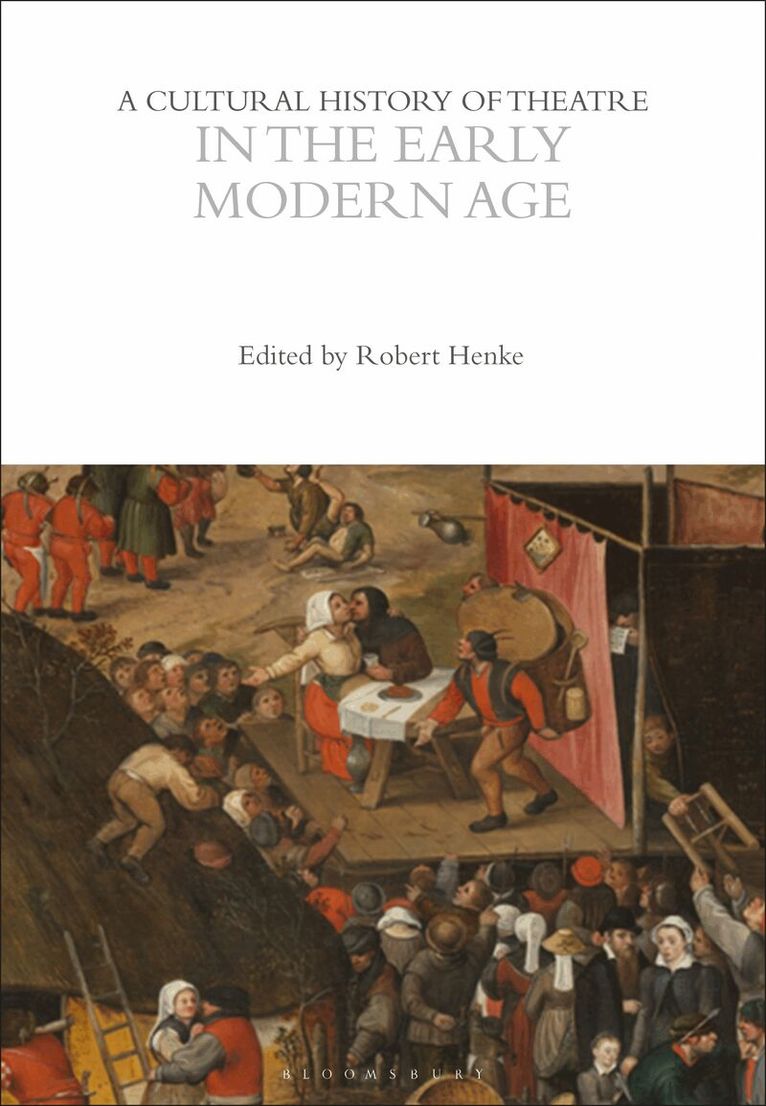
Cultural History of Theatre in the Early Modern Age
Av Robert Henke
E-bok, 2019
440 kr
Lägg i varukorg
For both producers and consumers of theatre in the early modern era, art was viewed as a social rather than an individual activity. Emerging in the context of new capitalistic modes of production, the birth of the nation state and the rise of absolute monarchies, theatre also proved a highly mobile …
Cultural History of Theatre in the Early Modern Age
Av Robert Henke
E-bok, 2019
450 kr
Lägg i varukorg
For both producers and consumers of theatre in the early modern era, art was viewed as a social rather than an individual activity. Emerging in the context of new capitalistic modes of production, the birth of the nation state and the rise of absolute monarchies, theatre also proved a highly mobile …
Cultural History of Theatre in the Early Modern Age
Av Robert Henke
Häftad, 2022
411 kr
Lägg i varukorg
For both producers and consumers of theatre in the early modern era, art was viewed as a social rather than an individual activity. Emerging in the context of new capitalistic modes of production, the birth of the nation state and the rise of absolute monarchies, theatre also proved a highly mobile …
European Theatre Performance Practice, 1580-1750
Av Robert Henke, M.A. Katritzky
E-bok, 2016
785 kr
Lägg i varukorg
This volume presents foundational and representative essays of the last half century on theatre performance practice during the period 1580 to 1750. The particular focus is on the nature of playing spaces, staging, acting and audience response in professional theatre and the selection of previously …
European Theatre Performance Practice, 1580-1750
Av Robert Henke, M.A. Katritzky
E-bok, 2016
785 kr
Lägg i varukorg
This volume presents foundational and representative essays of the last half century on theatre performance practice during the period 1580 to 1750. The particular focus is on the nature of playing spaces, staging, acting and audience response in professional theatre and the selection of previously …
European Theatre Performance Practice, 1580-1750
Av Robert Henke, M.A. Katritzky
Inbunden, 2014
7720 kr
Lägg i varukorg
This volume presents foundational and representative essays of the last half century on theatre performance practice during the period 1580 to 1750. The particular focus is on the nature of playing spaces, staging, acting and audience response in professional theatre and the selection of previously …
Transnational Mobilities in Early Modern Theater
Av Robert Henke, Eric Nicholson
Inbunden, 2014
2888 kr
Lägg i varukorg
The essays in this volume investigate English, Italian, Spanish, German, Czech, and Bengali early modern theater, placing Shakespeare and his contemporaries in the theatrical contexts of western and central Europe, as well as the Indian sub-continent. Contributors explore the mobility of theatrical …