Robert I. McDonald – författare
Visar alla böcker från författaren Robert I. McDonald. Handla med fri frakt och snabb leverans.
3 produkter
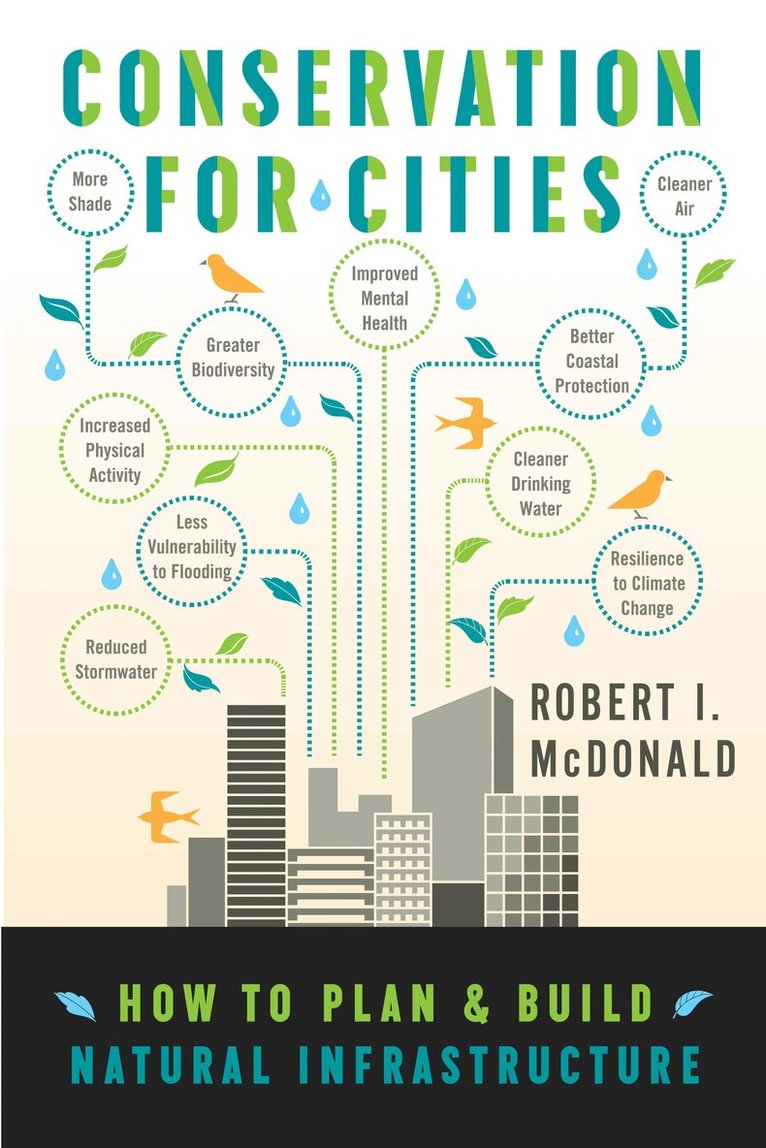
Conservation for Cities
How to Plan & Build Natural Infrastructure
Häftad, 2015
398 kr
Lägg i varukorg
Scientist Robert McDonald details fundamentals of how to integrate natural infrastructure with urban planning to create resilient and liveable cities. It's time to think differently about cities and nature. More people than ever live in cities, and all of this urban growth, along with challenges of …
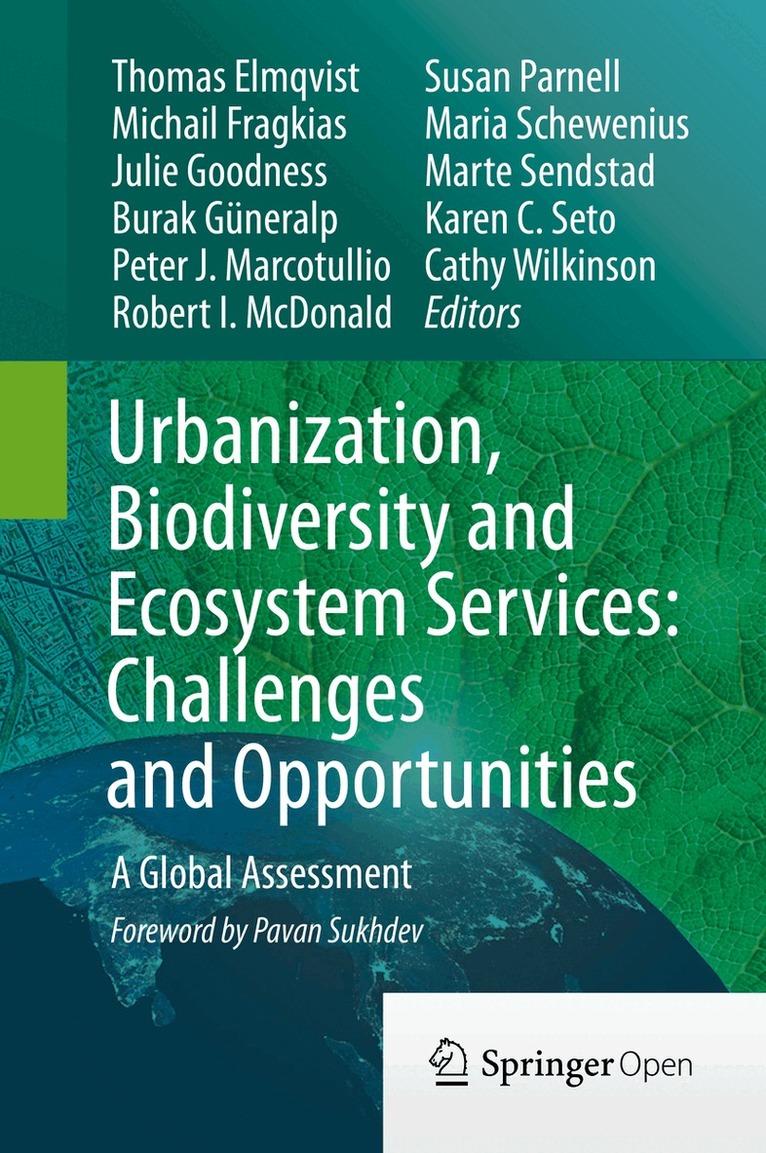
Urbanization, Biodiversity and Ecosystem Services: Challenges and Opportunities
A Global Assessment
Av Thomas Elmqvist, Michail Fragkias m. fl.
Inbunden, 2013
550 kr
Lägg i varukorg
Urbanization is a global phenomenon and the book emphasizes that this is not just a social-technological process. It is also a social-ecological process where cities are places for nature, and where cities also are dependent on, and have impacts on, the biosphere at different scales from local to …
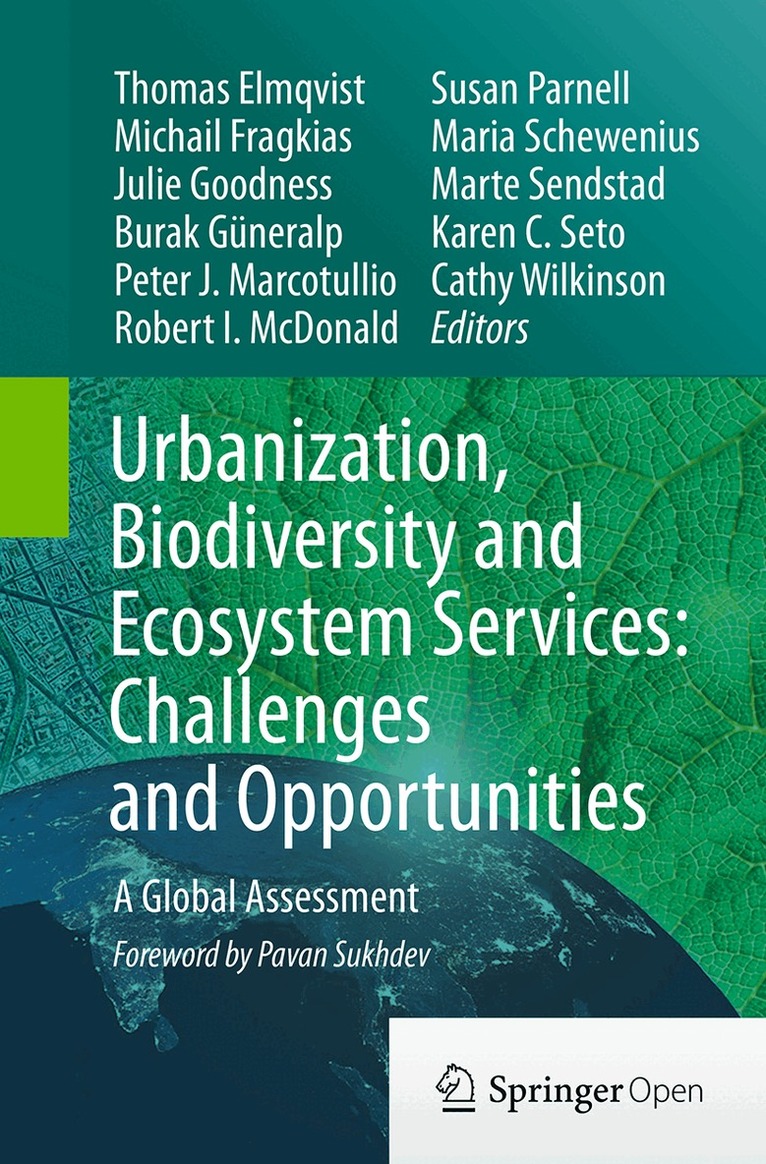
Urbanization, Biodiversity and Ecosystem Services: Challenges and Opportunities
A Global Assessment
Av Thomas Elmqvist, Michail Fragkias m. fl.
Häftad, 2016
550 kr
Lägg i varukorg
Urbanization is a global phenomenon and the book emphasizes that this is not just a social-technological process. It is also a social-ecological process where cities are places for nature, and where cities also are dependent on, and have impacts on, the biosphere at different scales from local to …