Robert Ivermee – författare
Visar alla böcker från författaren Robert Ivermee. Handla med fri frakt och snabb leverans.
9 produkter
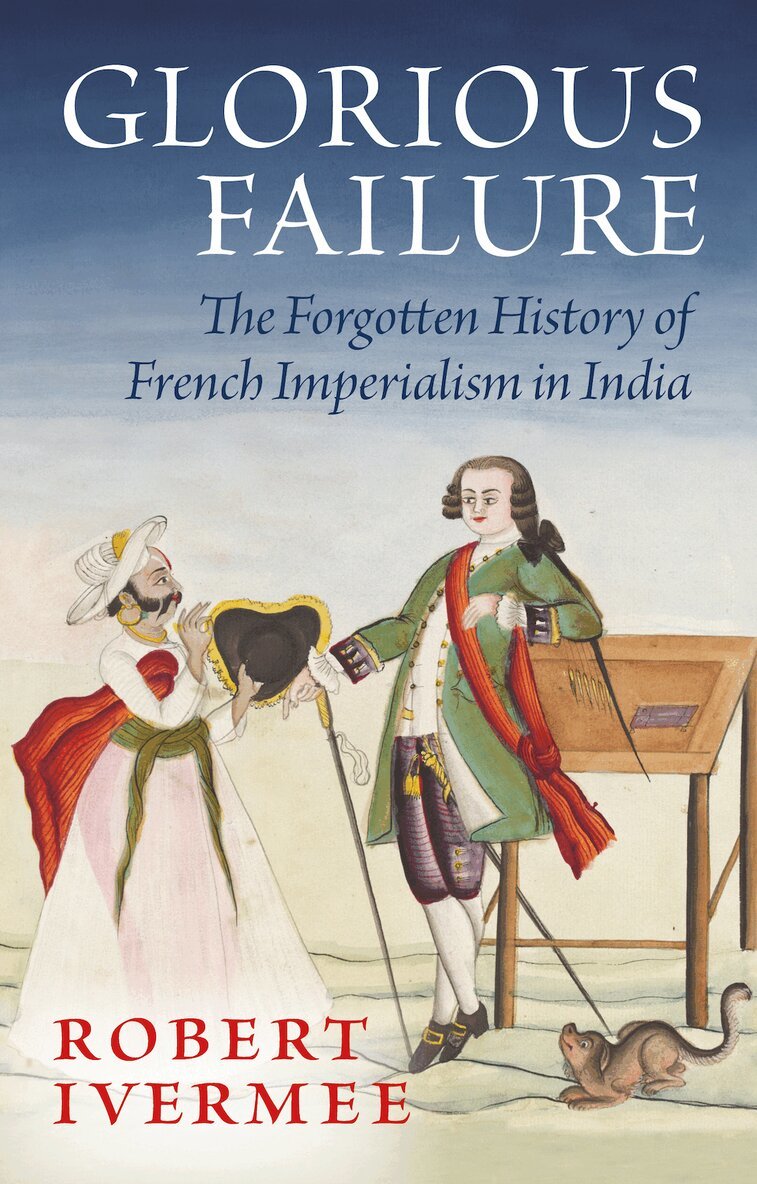
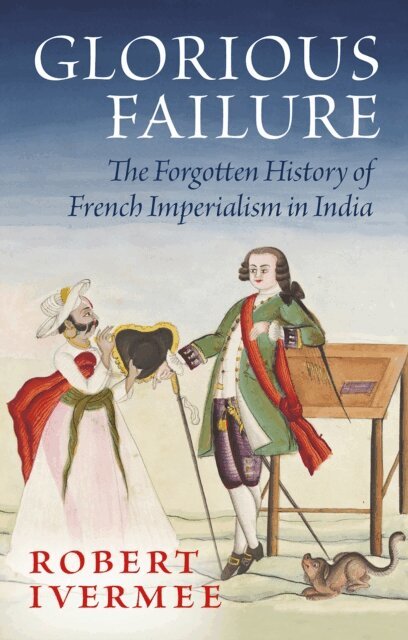
Glorious Failure: The Forgotten History of French Imperialism in India
Inbunden, 2025
683 kr
Lägg i varukorg
Secularism, Islam and Education in India, 1830–1910
Häftad, 2017
500 kr
Lägg i varukorg
During the nineteenth century British officials in India decided that the education system should be exclusively secular. Drawing on sources from public and private archives, Ivermee presents a study of British/Muslim negotiations over the secularization of colonial Indian education and on the …
Secularism, Islam and Education in India, 1830–1910
E-bok, 2015
607 kr
Lägg i varukorg
During the nineteenth century British officials in India decided that the education system should be exclusively secular. Drawing on sources from public and private archives, Ivermee presents a study of British/Muslim negotiations over the secularization of colonial Indian education and on the …
Secularism, Islam and Education in India, 1830–1910
E-bok, 2015
607 kr
Lägg i varukorg
During the nineteenth century British officials in India decided that the education system should be exclusively secular. Drawing on sources from public and private archives, Ivermee presents a study of British/Muslim negotiations over the secularization of colonial Indian education and on the …
Glorious Failure
The Forgotten History of French Imperialism in India
Inbunden, 2025
416 kr
Lägg i varukorg
This is a powerful new account of a chapter in history that is crucial to understand, yet often overlooked. For 150 years, from the reign of Louis XIV to the downfall of Napoleon, France was an aggressive imperial power in South Asia, driven by the pursuit of greatness and riches. Through their …
Glorious Failure
The Forgotten History of French Imperialism in India
E-bok, 2025
346 kr
Lägg i varukorg
This is a powerful new account of a chapter inhistory that is crucial to understand, yet oftenoverlooked. For 150 years, from the reign of LouisXIV to the downfall of Napoleon, France was anaggressive imperial power in South Asia, drivenby the pursuit of greatness and riches. Throughtheir East …
Secularism, Islam and Education in India, 1830–1910
Inbunden, 2015
1562 kr
Lägg i varukorg
During the nineteenth century British officials in India decided that the education system should be exclusively secular. Drawing on sources from public and private archives, Ivermee presents a study of British/Muslim negotiations over the secularization of colonial Indian education and on the …
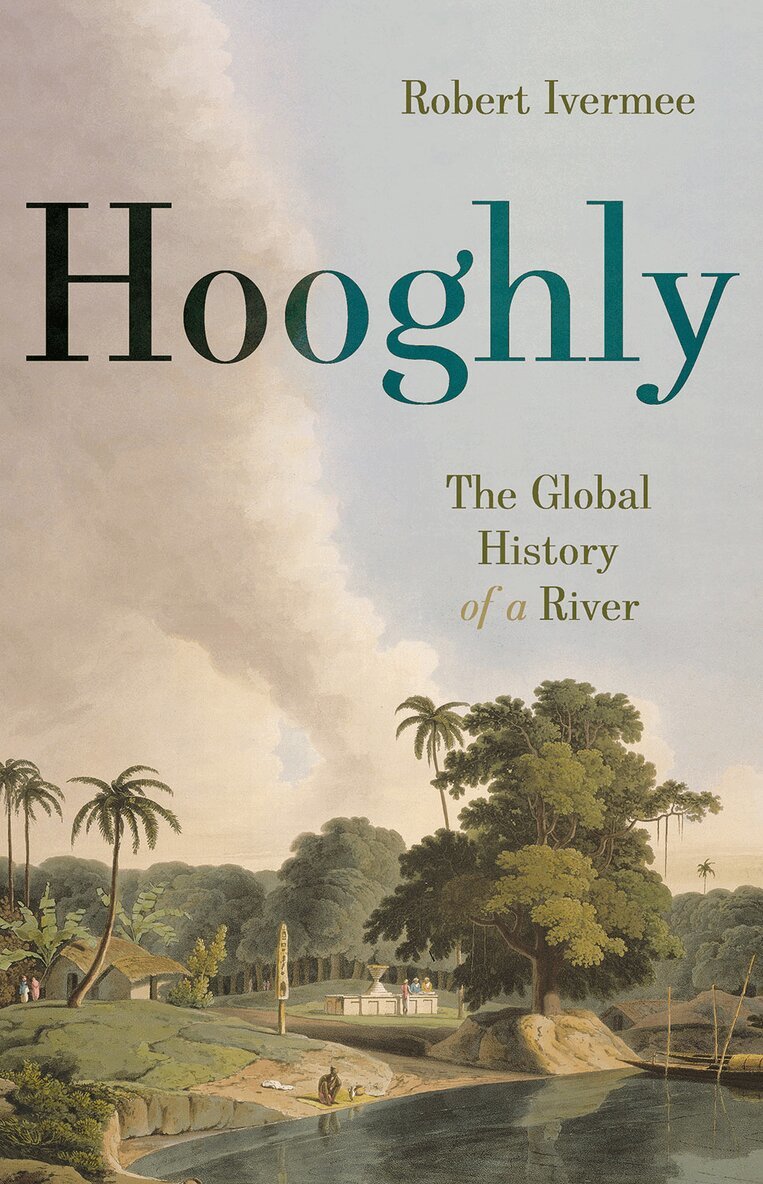
Hooghly
The Global History of a River
Häftad, 2024
239 kr
Lägg i varukorg
The Hooghly, a distributary of the Ganges flowing south to the Bay of Bengal, is now little known outside of India. Yet for centuries it was a river of truly global significance, attracting merchants, missionaries, mercenaries, statesmen, labourers and others from Europe, Asia and beyond. 'Hooghly' …
Hooghly
The Global History of a River
Inbunden, 2020
331 kr
Tillfälligt slut
The Hooghly, a distributary of the Ganges flowing south to the Bay of Bengal, is now little known outside of India. Yet for centuries it was a river of truly global significance, attracting merchants, missionaries, mercenaries, statesmen, labourers and others from Europe, Asia and beyond. 'Hooghly' …