Robert James Merrett – författare
Visar alla böcker från författaren Robert James Merrett. Handla med fri frakt och snabb leverans.
8 produkter
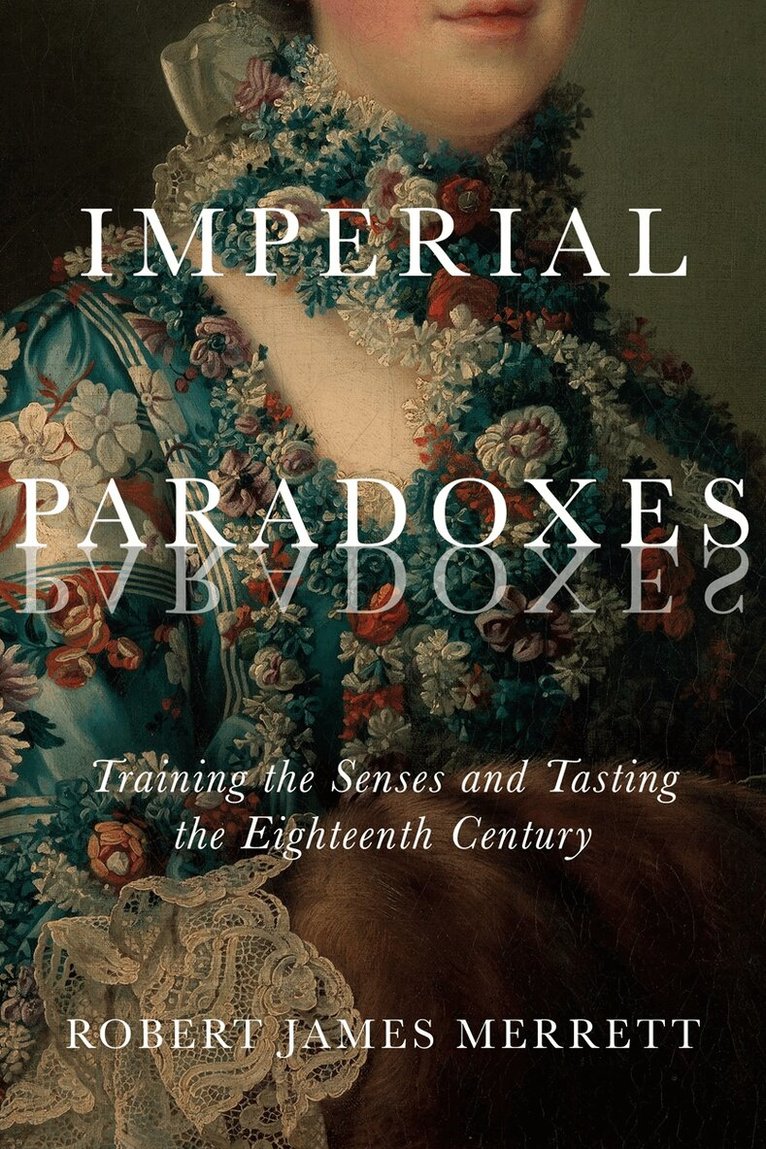
Imperial Paradoxes
Training the Senses and Tasting the Eighteenth Century
Häftad, 2021
507 kr
Lägg i varukorg
At war for sixty years, eighteenth-century Britain and France experienced demographic, social, and economic exchanges despite their imperial rivalry. Paradoxically, this rivalry spurred their participation in scientific and industrial developments. Their shared interest in standards of living and …
Imperial Paradoxes
Training the Senses and Tasting the Eighteenth Century
E-bok, 2021
492 kr
Lägg i varukorg
At war for sixty years, eighteenth-century Britain and France experienced demographic, social, and economic exchanges despite their imperial rivalry. Paradoxically, this rivalry spurred their participation in scientific and industrial developments. Their shared interest in standards of living and …
Imperial Paradoxes
Training the Senses and Tasting the Eighteenth Century
E-bok, 2021
482 kr
Lägg i varukorg
At war for sixty years, eighteenth-century Britain and France experienced demographic, social, and economic exchanges despite their imperial rivalry. Paradoxically, this rivalry spurred their participation in scientific and industrial developments. Their shared interest in standards of living and …
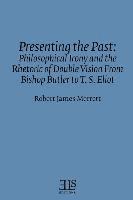
Presenting the Past: Philosophical Irony and the Rhetoric of Double Vision from Bishop Butler to T. S. Eliot
Häftad, 2016
291 kr
Lägg i varukorg
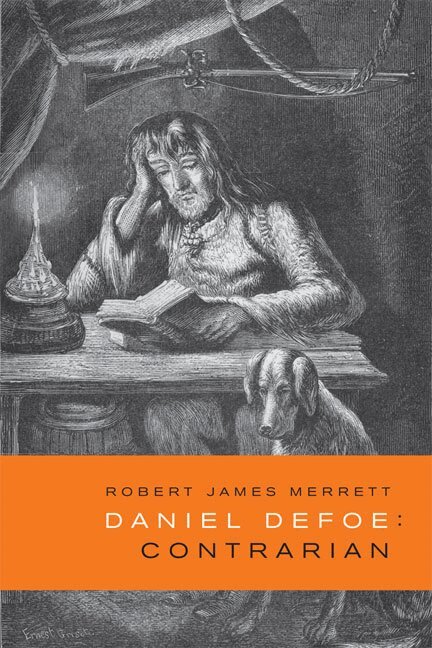
Daniel Defoe, Contrarian
Inbunden, 2013
939 kr
Lägg i varukorg
A highly conscious wordsmith, Daniel Defoe used expository styles in his fiction and non-fiction that reflected his ability to perceive material and intellectual phenomena from opposing, but not contradictory perspectives. Moreover, the boundaries of genre within his wide-ranging oeuvre can prove …
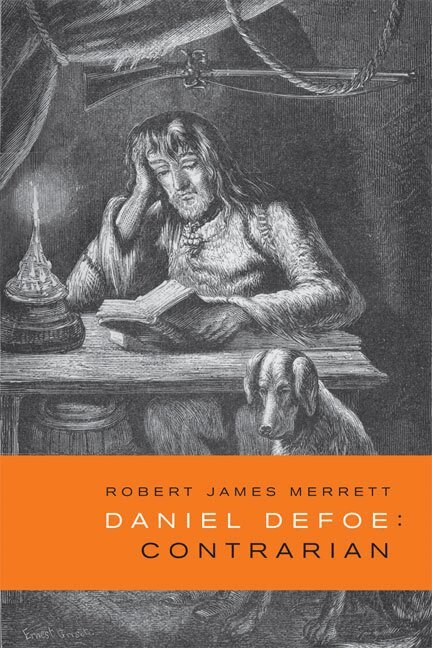
Daniel Defoe, Contrarian
E-bok, 2013
1087 kr
Lägg i varukorg
A highly conscious wordsmith, Daniel Defoe used expository styles in his fiction and non-fiction that reflected his ability to perceive material and intellectual phenomena from opposing, but not contradictory perspectives. Moreover, the boundaries of genre within his wide-ranging oeuvre can prove …
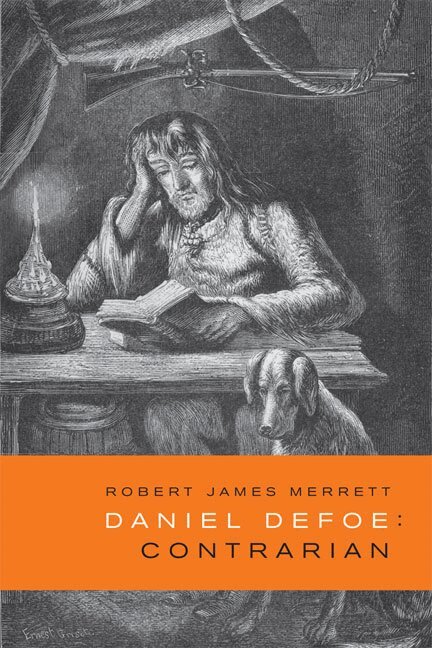
Daniel Defoe, Contrarian
E-bok, 2013
1183 kr
Lägg i varukorg
A highly conscious wordsmith, Daniel Defoe used expository styles in his fiction and non-fiction that reflected his ability to perceive material and intellectual phenomena from opposing, but not contradictory perspectives. Moreover, the boundaries of genre within his wide-ranging oeuvre can prove …