Robert L. Kelly – författare
Visar alla böcker från författaren Robert L. Kelly. Handla med fri frakt och snabb leverans.
16 produkter
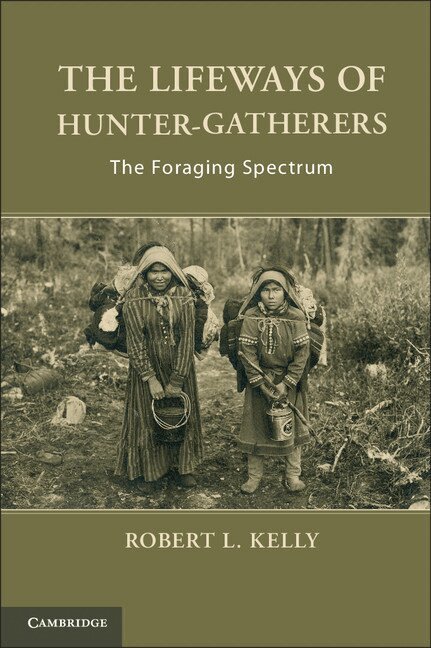
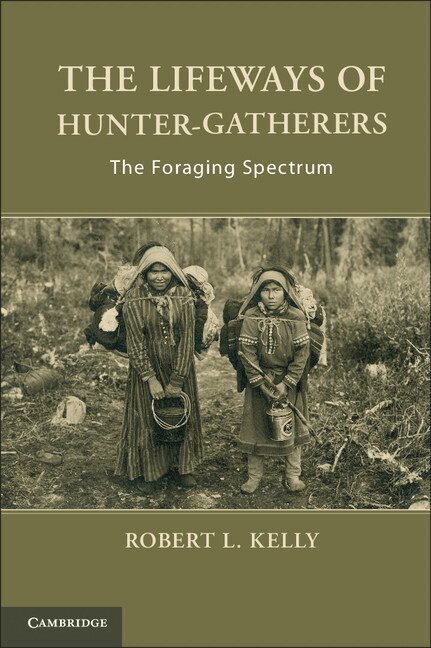
The Lifeways of Hunter-Gatherers
The Foraging Spectrum
Häftad, 2013
5,0 utav 5 stjärnor. Totalt antal röster: (1)
449 kr
Lägg i varukorg
In this book, Robert L. Kelly challenges the preconceptions that hunter-gatherers were Paleolithic relics living in a raw state of nature, instead crafting a position that emphasizes their diversity, and downplays attempts to model the original foraging lifeway or to use foragers to depict human …
Fifth Beginning
What Six Million Years of Human History Can Tell Us about Our Future
Inbunden, 2016
324 kr
Lägg i varukorg
"I have seen yesterday. I know tomorrow." This inscription in Tutankhamun's tomb summarizes The Fifth Beginning. Here, archeologist Robert Kelly explains how the study of our cultural past can predict the future of humanity. In an eminently readable style, Kelly identifies four key pivot points in …
Fifth Beginning
What Six Million Years of Human History Can Tell Us about Our Future
Häftad, 2019
184 kr
Lägg i varukorg
“I have seen yesterday. I know tomorrow.” This inscription in Tutankhamun’s tomb summarizes The Fifth Beginning. Here, archaeologist Robert L. Kelly explains how the study of our cultural past can predict the future of humanity. In an eminently readable style, Kelly identifies four key pivot points …
Fifth Beginning
What Six Million Years of Human History Can Tell Us about Our Future
E-bok, 2016
161 kr
Lägg i varukorg
“I have seen yesterday. I know tomorrow.” This inscription in Tutankhamun’s tomb summarizes The Fifth Beginning . Here, archaeologist Robert L. Kelly explains how the study of our cultural past can predict the future of humanity. In an eminently readable style, Kelly identifies four key pivot …
Holding The Fort: How I Taught Inmates To Become Million Dollar Wall Street Traders
Häftad, 2017
260 kr
Lägg i varukorg
Demacrash!: The Democrat Playbook to Defeat Trump and the Ultimate Trump Counterpunch
Av Robert L. Kelly, Robert L. Kelly
Häftad, 2019
260 kr
Lägg i varukorg
SafeGuarding Funds
Av Alfred Williams Anthony, Robert L Kelly m. fl.
Inbunden, 2026
357 kr
Lägg i varukorg
SafeGuarding Funds
Av Alfred Williams Anthony, Robert L Kelly m. fl.
Häftad, 2026
205 kr
Lägg i varukorg
The Lifeways of Hunter-Gatherers
The Foraging Spectrum
Inbunden, 2013
1559 kr
Lägg i varukorg
In this book, Robert L. Kelly challenges the preconceptions that hunter-gatherers were Paleolithic relics living in a raw state of nature, instead crafting a position that emphasizes their diversity, and downplays attempts to model the original foraging lifeway or to use foragers to depict human …
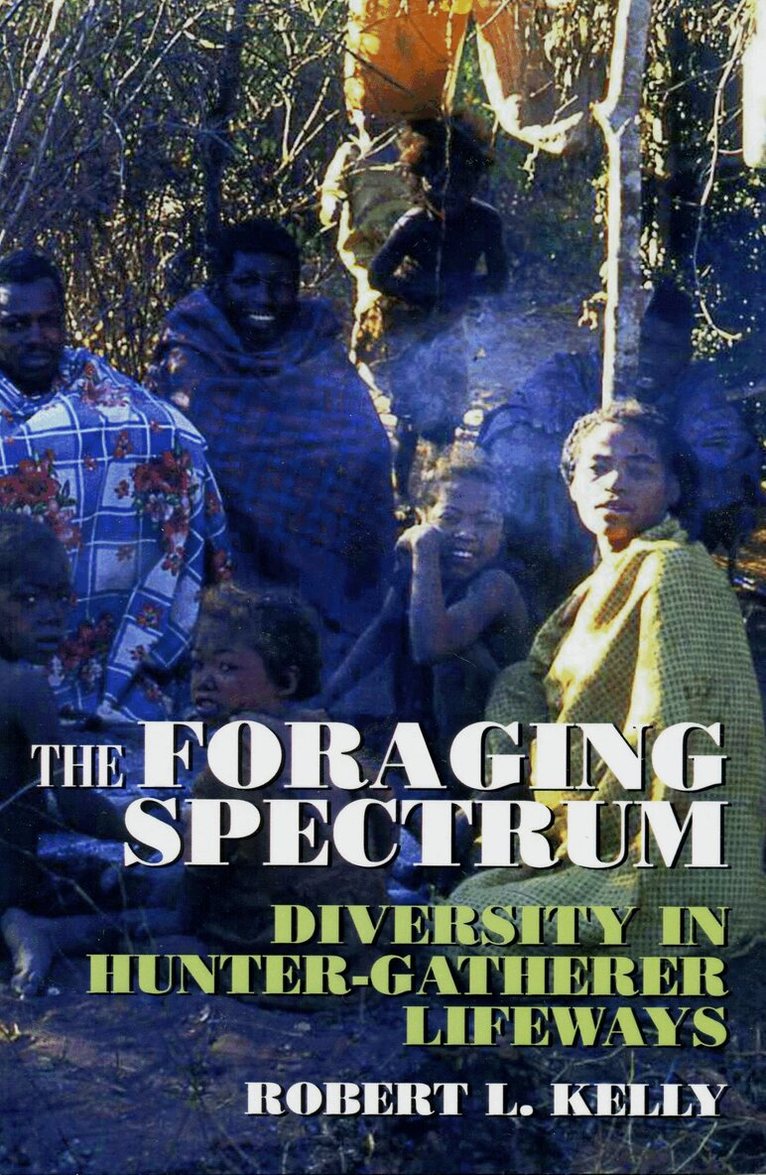
Foraging Spectrum
Diversity in Hunter-Gatherer Lifeways
Häftad, 2007
631 kr
Tillfälligt slut
The author wrote this book (which was originally published by Smithsonian Institution Press in 1995) to show his archaeology students how dangerous anthropological analogy is and how variable the actual practices of foragers of the recent past and today are. His survey of the anthropological …