Robert Lee Maril - Böcker
Visar alla böcker från författaren Robert Lee Maril. Handla med fri frakt och snabb leverans.
3 produkter
3 produkter
363 kr
Skickas inom 5-8 vardagar
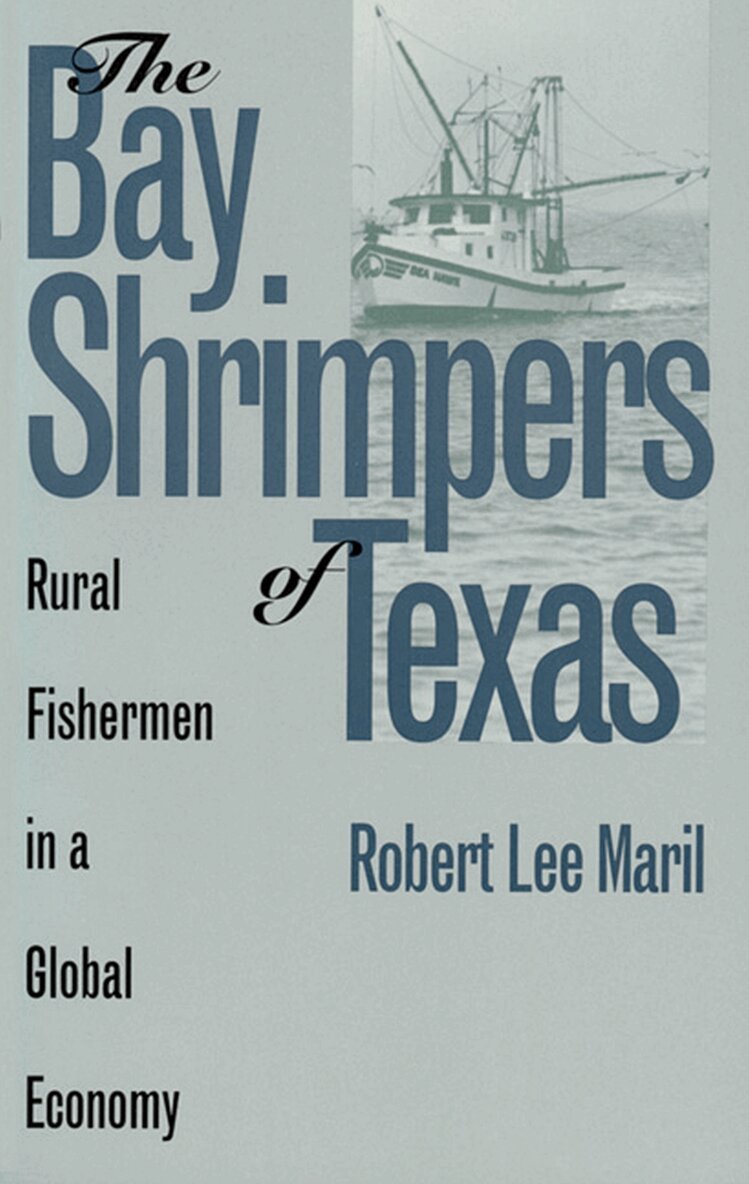
This text explores the successes and failures of the shrimpers who prowl remote bays, rivers and estuaries for their livelihoods. Through random sample surveys and historical analysis it examines the political, economic and social realities confronting the shrimpers and their families.
478 kr
Skickas inom 7-10 vardagar
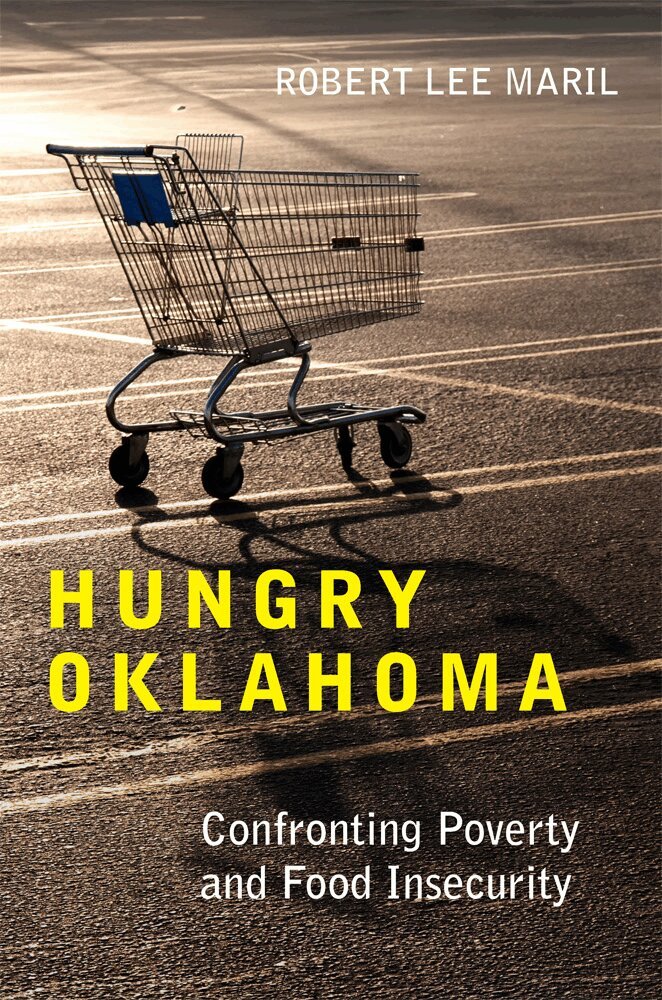
In Oklahoma, one out of every six residents is poor. One in five children lives in poverty and faces food insecurity. In Hungry Oklahoma, native son and sociologist Robert Lee Maril follows in the tradition of the national best-sellers Nickel and Dimed and Evicted to illuminate the lived experience of poverty and food insecurity in communities across the state. Maril’s account is immediately personal. He begins with “guests,” as shoppers are called by volunteers, waiting in line in the sweltering heat one summer for “Thy Will Be Done,” a food pantry, to open. Unable to afford air conditioning, some guests don’t buy foods that would spoil on the counter. One woman, Norma, carefully places only canned vegetables in her cart. When she returns to her twenty-year-old pickup, in the truck bed are lawn chairs, blankets, and pans—everything she owns. “The landlord told us this morning we was homeless,” Norma says. “I’m not thinking straight.” Drawing on interviews and participant-observation data from his volunteer work at a food pantry, as well as Census and sociological data, Maril documents in rich ethnographic detail the status of poverty and low-wage workers in the state today and within historical context. He explores how institutions—such as faith-based organizations, government, and food pantries—structure and shape experiences of poverty. While Maril celebrates the nonprofit and faith-based efforts that make a difference, this book also is critical of conditions and stereotypes that have entrenched poverty in the state. Hungry Oklahoma ultimately suggests that persistent and pervasive poverty can be eliminated. Its moving accounts of real Oklahomans and their experiences make it a clarion call for not only those interested in policy issues but all Oklahomans who want a better today and tomorrow for those who call the state home.
Fence
National Security, Public Safety, and Illegal Immigration Along the U.S.–Mexico Border
Häftad, Engelska, 2012
259 kr
Skickas inom 10-15 vardagar
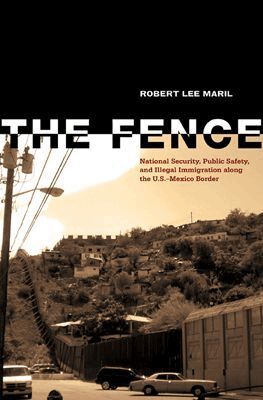
To the American public it’s a 2,000-mile-long project to keep illegal immigrants, narcotics, and terrorists on the other side of the U.S.–Mexico border. In the deserts of Arizona, it’s a “virtual fence” of high-tech electronic sensors, cameras, and radar. In some border stretches it’s a huge concrete-and-steel wall; in others it’s a series of solitary posts designed to stop drug runners; in still others it’s rusted barbed-wire cattle fences. For two-thirds of the international boundary it’s non-existent.Just what is this entity known as “the fence”? And more important, is it working? Through first-person interviews with defence contractors, border residents, American military, Minutemen, county officials, Customs and Border Protection agents, environmental activists, and others whose voices have never been heard, Robert Lee Maril examines the project’s human and financial costs. Along with Maril’s site visits, his rigourous analysis of government documents from 1999 to the present uncovers fiscal mismanagement by Congress, wasteful defence contracts, and unkept political promises. As drug violence mounts in border cities and increasing numbers of illegal migrants die from heat exhaustion in the Arizona desert, Maril argues how the fence may even be making an incendiary situation worse. Avoiding preconceived conclusions, he proposes new public policies that take into consideration human issues, political negotiation, and the need for compromise. Maril’s lucid study shows the fence to be a symbol in concrete, steel, microchips, and fibre optics for the crucible of contemporary immigration policy, national security, and public safety. In corporate boardrooms, government offices, Border Patrol agents’ pickup trucks, and the homes and workplaces of borderland residents, Maril exposes the motivations and costs submerged beneath media-driven immigration rhetoric.