Robert M. Owens - Böcker
Visar alla böcker från författaren Robert M. Owens. Handla med fri frakt och snabb leverans.
7 produkter
7 produkter
526 kr
Skickas inom 10-15 vardagar
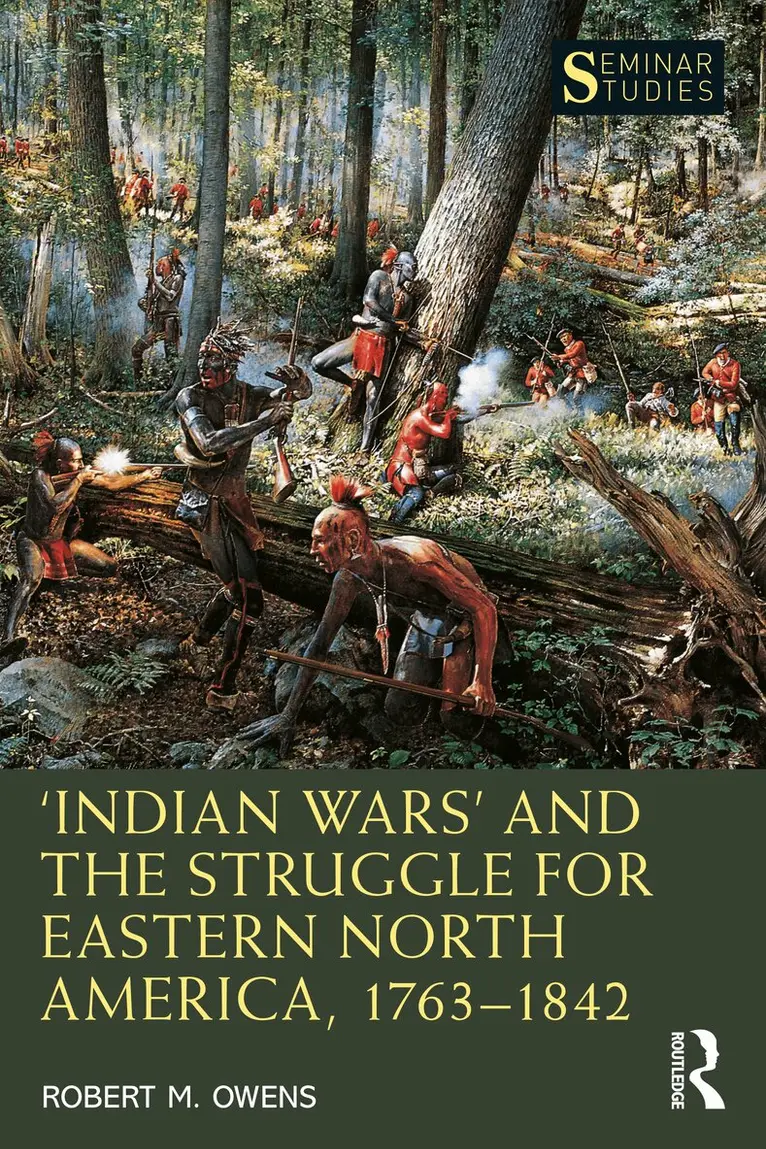
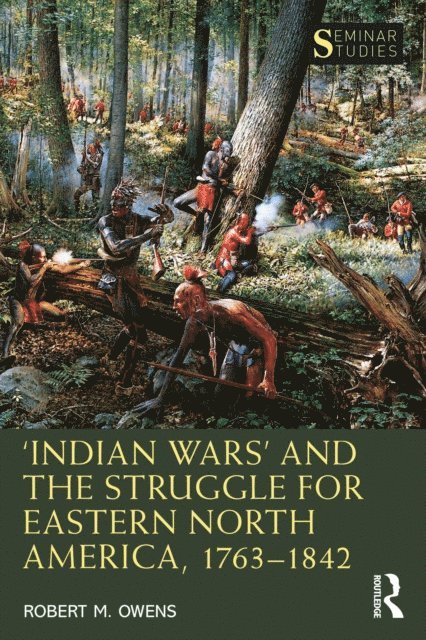
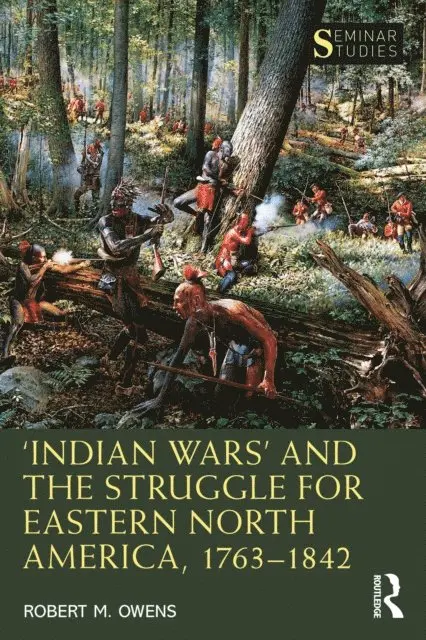
‘Indian Wars’ and the Struggle for Eastern North America, 1763–1842 examines the contest between Native Americans and Anglo-Americans for control of the lands east of the Mississippi River, through the lens of native attempts to form pan-Indian unions, and Anglo-Americans’ attempts to thwart them.The story begins in the wake of the Seven Years’ War and ends with the period of Indian Removal and the conclusion of the Second Seminole War in 1842. Anglo-Americans had feared multi-tribal coalitions since the 1670s and would continue to do so into the early nineteenth century, long after there was a credible threat, due to the fear of slave rebels joining the Indians. By focusing on the military and diplomatic history of the topic, the work allows for a broad understanding of American Indians and frontier history, serving as a gateway to the study of Native American history. This concise and accessible text will appeal to a broad intersection of students in ethnic studies, history, and anthropology.
1 952 kr
Skickas inom 10-15 vardagar
‘Indian Wars’ and the Struggle for Eastern North America, 1763–1842 examines the contest between Native Americans and Anglo-Americans for control of the lands east of the Mississippi River, through the lens of native attempts to form pan-Indian unions, and Anglo-Americans’ attempts to thwart them.The story begins in the wake of the Seven Years’ War and ends with the period of Indian Removal and the conclusion of the Second Seminole War in 1842. Anglo-Americans had feared multi-tribal coalitions since the 1670s and would continue to do so into the early nineteenth century, long after there was a credible threat, due to the fear of slave rebels joining the Indians. By focusing on the military and diplomatic history of the topic, the work allows for a broad understanding of American Indians and frontier history, serving as a gateway to the study of Native American history. This concise and accessible text will appeal to a broad intersection of students in ethnic studies, history, and anthropology.
Mr. Jefferson's Hammer
William Henry Harrison and the Origins of American Indian Policy
Häftad, Engelska, 2011
249 kr
Skickas inom 10-15 vardagar
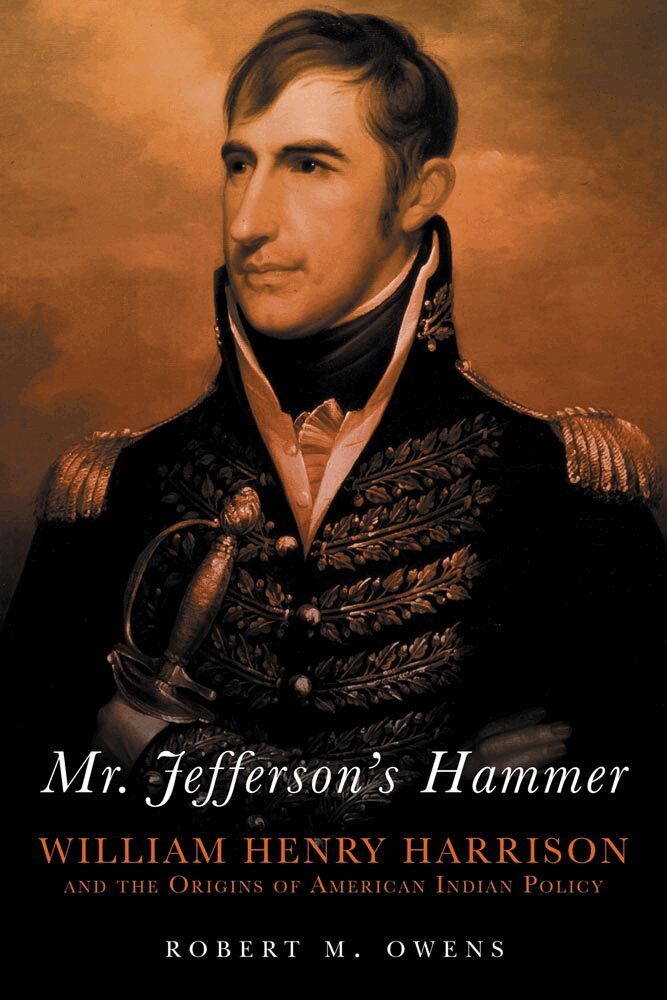
Often remembered as the president who died shortly after taking office, William Henry Harrison remains misunderstood by most Americans. Before becoming the ninth president of the United States in 1841, Harrison was instrumental in shaping the early years of westward expansion. Robert M. Owens now explores that era through the lens of Harrison's career, providing a new synthesis of his role in the political development of Indiana Territory and in shaping Indian policy in the Old Northwest.Owens traces Harrison's political career as secretary of the Northwest Territory, territorial delegate to Congress, and governor of Indiana Territory, as well as his military leadership and involvement with Indian relations. Thomas Jefferson, who was president during the first decade of the nineteenth century, found in Harrison the ideal agent to carry out his administration's ruthless campaign to extinguish Indian land titles.More than a study of the man, Mr. Jefferson's Hammer is a cultural biography of his fellow settlers, telling how this first generation of post-Revolutionary Americans realized their vision of progress and expansionism. It surveys the military, political, and social world of the early Ohio Valley and shows that Harrison's attitudes and behavior reflected his Virginia background and its eighteenth-century notions as much as his frontier milieu.To this day, we live with the echoes of Harrison's proclamations, the boundaries set by his treaties, and the ramifications of his actions. Mr. Jefferson's Hammer offers a much needed reappraisal of Harrison's impact on the nation's development and key lessons for understanding American sentiments in the early republic.
Red Dreams, White Nightmares
Pan-Indian Alliances in the Anglo-American Mind, 1763–1815
Inbunden, Engelska, 2015
366 kr
Skickas inom 10-15 vardagar
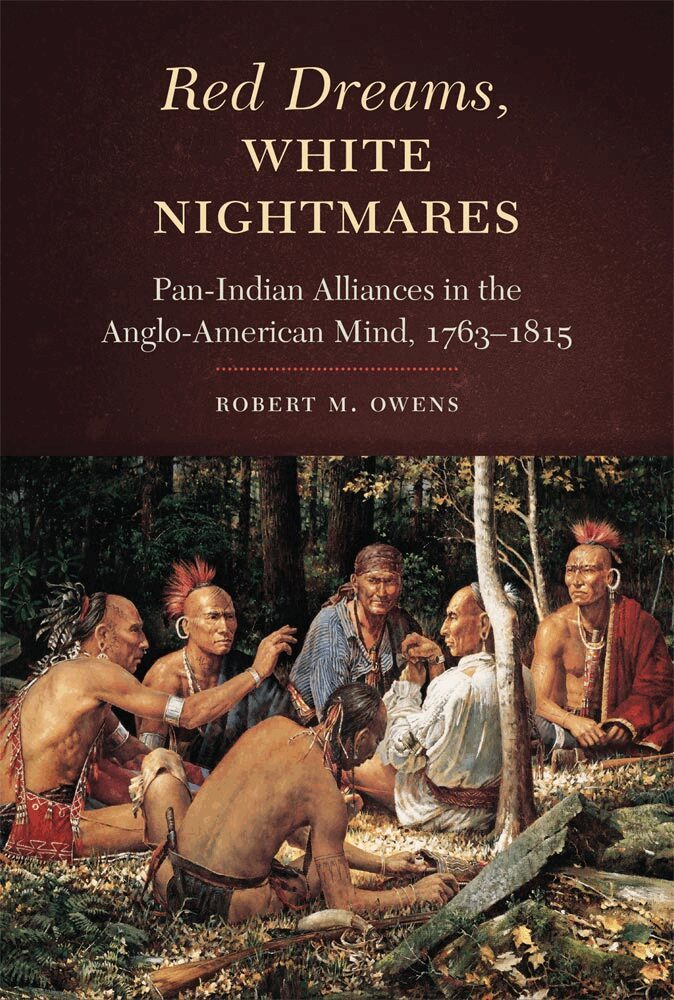
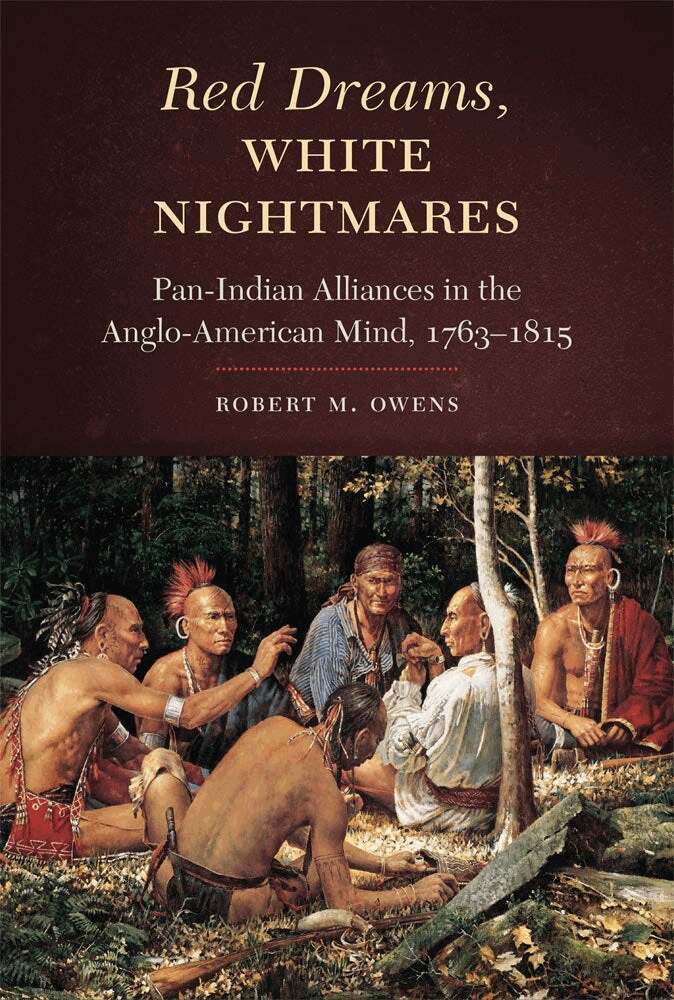
From the end of Pontiac's War in 1763 through the War of 1812, fear - even paranoia - drove Anglo-American Indian policies. In Red Dreams, White Nightmares, Robert M. Owens views conflicts between whites and Natives in this era - invariably treated as discrete, regional affairs - as the inextricably related struggles they were.As this book makes clear, the Indian wars north of the Ohio River make sense only within the context of Indians' efforts to recruit their southern cousins to their cause. The massive threat such alliances posed, recognized by contemporary whites from all walks of life, prompted a terror that proved a major factor in the formulation of Indian and military policy in North America. Indian unity, especially in the form of military alliance, was the most consistent, universal fear of Anglo-Americans in the late colonial, Revolutionary, and early national periods. This fear was so pervasive - and so useful for unifying whites - that Americans exploited it long after the threat of a general Indian alliance had passed.As the nineteenth century wore on, and as slavery became more widespread and crucial to the American South, fears shifted to Indian alliances with former slaves, and eventually to slave rebellion in general. The growing American nation needed and utilized a rhetorical threat from the other to justify the uglier aspects of empire building - a phenomenon that Owens tracks through a vast array of primary sources.Drawing on eighteen different archives, covering four nations and eleven states, and on more than six-dozen period newspapers - and incorporating the views of British and Spanish authorities as well as their American rivals - Red Dreams, White Nightmares is the most comprehensive account ever written of how fear, oftentimes resulting in ""Indian-hating,"" directly influenced national policy in early America.
Red Dreams, White Nightmares
Pan-Indian Alliances in the Anglo-American Mind, 1763-1815
Häftad, Engelska, 2022
269 kr
Skickas inom 10-15 vardagar
From the end of Pontiac’s War in 1763 through the War of 1812, fear—even paranoia—drove Anglo-American Indian policies. In Red Dreams, White Nightmares, Robert M. Owens views conflicts between whites and Natives in this era—invariably treated as discrete, regional affairs—as the inextricably related struggles they were.As this book makes clear, the Indian wars north of the Ohio River make sense only within the context of Indians’ efforts to recruit their southern cousins to their cause. The massive threat such alliances posed, recognized by contemporary whites from all walks of life, prompted a terror that proved a major factor in the formulation of Indian and military policy in North America. Indian unity, especially in the form of military alliance, was the most consistent, universal fear of Anglo-Americans in the late colonial, Revolutionary, and early national periods. This fear was so pervasive—and so useful for unifying whites—that Americans exploited it long after the threat of a general Indian alliance had passed.As the nineteenth century wore on, and as slavery became more widespread and crucial to the American South, fears shifted to Indian alliances with former slaves, and eventually to slave rebellion in general. The growing American nation needed and utilized a rhetorical threat from the other to justify the uglier aspects of empire building—a phenomenon that Owens tracks through a vast array of primary sources.Drawing on eighteen different archives, covering four nations and eleven states, and on more than six-dozen period newspapers—and incorporating the views of British and Spanish authorities as well as their American rivals—Red Dreams, White Nightmares is the most comprehensive account ever written of how fear, oftentimes resulting in “Indian-hating,” directly influenced national policy in early America.
504 kr
Skickas inom 10-15 vardagar
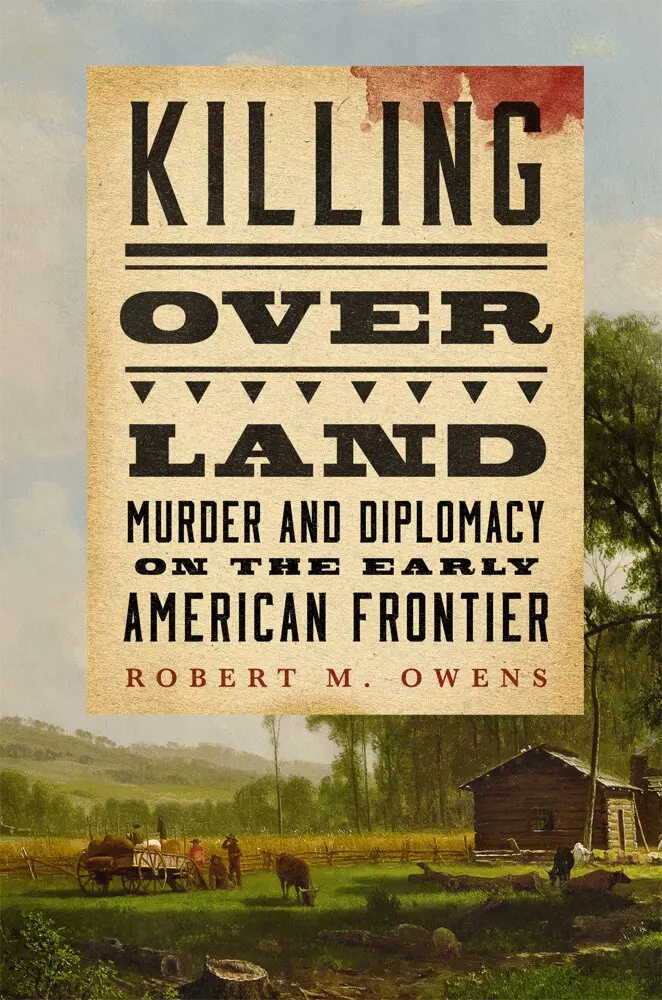
In early America, interracial homicide—whites killing Native Americans, Native Americans killing whites—might result in a massive war on the frontier; or, if properly mediated, it might actually facilitate diplomatic relations, at least for a time. In Killing over Land, Robert M. Owens explores why and how such murders once played a key role in Indian affairs and how this role changed over time.Though sometimes clearly committed to stoke racial animus and incite war, interracial murder also gave both Native and white leaders an opportunity to improve relations, or at least profit from conflict resolution. In the seventeenth century, most Indigenous people held and used enough leverage to dictate the terms on which such conflicts were resolved; but after the mid-eighteenth century, population and material advantages gave white settlers the upper hand. Owens describes the ways settler colonialism, as practiced by Anglo-Americans, put tremendous pressure on Native peoples, culturally, socially, and politically, forcing them to adapt in the face of violence and overwhelming numbers.By the early nineteenth century, many Native leaders recognized that, with population and power so heavily skewed against them, it was only practical to negotiate for the best possible terms; lex talionis justice—blood for blood—proved an unrealistic goal. Consequently, Indigenous and white leaders alike became all too willing to overlook murder if it led to some kind of gain—if, for instance, justice might be traded for financial compensation or land cessions.Ultimately, what Owens analyzes in Killing over Land is nothing less than the commodification of human life in return for a sense of order—as defined and accepted, however differently, by both Native and white authorities as the contest for land and resources intensified in the European colonization of North America.
534 kr
Skickas inom 3-6 vardagar
In early America, interracial homicide—whites killing Native Americans, Native Americans killing whites—might result in a massive war on the frontier; or, if properly mediated, it might actually facilitate diplomatic relations, at least for a time. In Killing over Land, Robert M. Owens explores why and how such murders once played a key role in Indian affairs and how this role changed over time. Though sometimes clearly committed to stoke racial animus and incite war, interracial murder also gave both Native and white leaders an opportunity to improve relations, or at least profit from conflict resolution. In the seventeenth century, most Indigenous people held and used enough leverage to dictate the terms on which such conflicts were resolved; but after the mid-eighteenth century, population and material advantages gave white settlers the upper hand. Owens describes the ways settler colonialism, as practiced by Anglo-Americans, put tremendous pressure on Native peoples, culturally, socially, and politically, forcing them to adapt in the face of violence and overwhelming numbers. By the early nineteenth century, many Native leaders recognized that, with population and power so heavily skewed against them, it was only practical to negotiate for the best possible terms; lex talionis justice—blood for blood—proved an unrealistic goal. Consequently, Indigenous and white leaders alike became all too willing to overlook murder if it led to some kind of gain—if, for instance, justice might be traded for financial compensation or land cessions. Ultimately, what Owens analyzes in Killing over Land is nothing less than the commodification of human life in return for a sense of order—as defined and accepted, however differently, by both Native and white authorities as the contest for land and resources intensified in the European colonization of North America.