Robert M Sapolsky – författare
Visar alla böcker från författaren Robert M Sapolsky. Handla med fri frakt och snabb leverans.
27 produkter
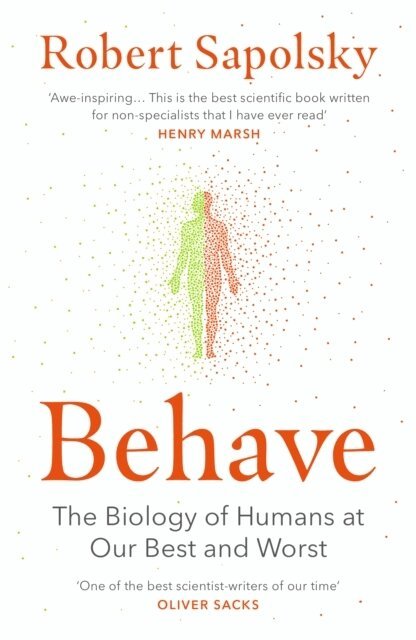
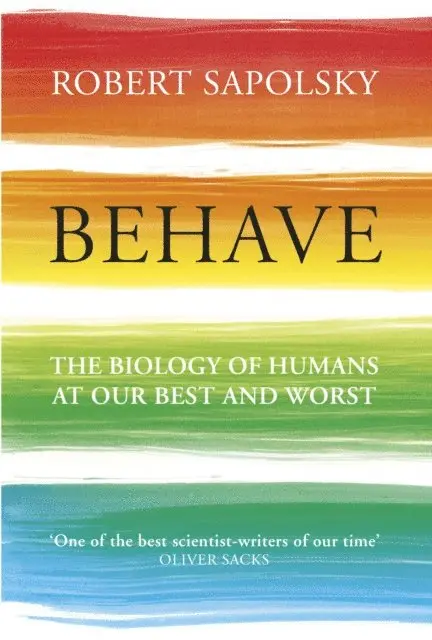
Behave
The Biology of Humans at Our Best and Worst
Häftad, 2018
4,8 utav 5 stjärnor. Totalt antal röster: (4)
155 kr
Lägg i varukorg
Why do human beings behave as they do? 'Awe-inspiring... You will learn more about human nature than in any other book I can think of' Henry Marsh, bestselling author of And Finally.We are capable of savage acts of violence but also spectacular feats of kindness: is one side of our nature destined …
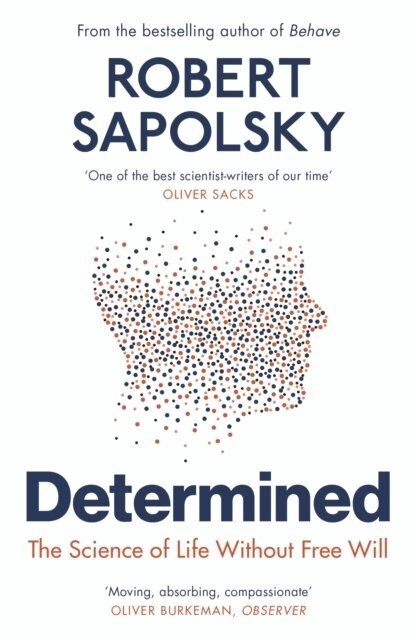
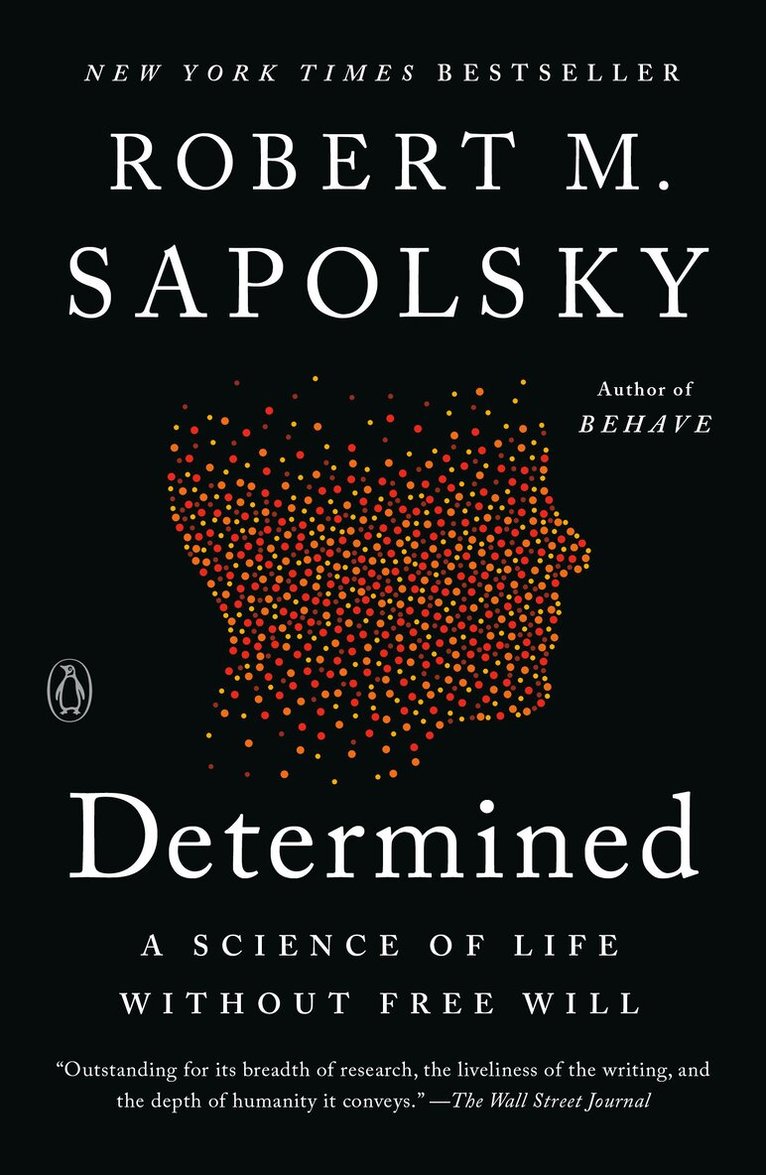
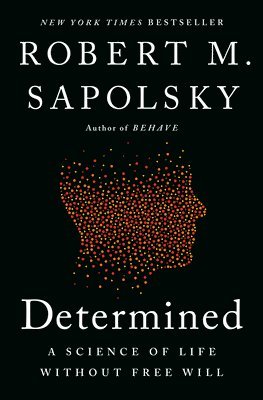
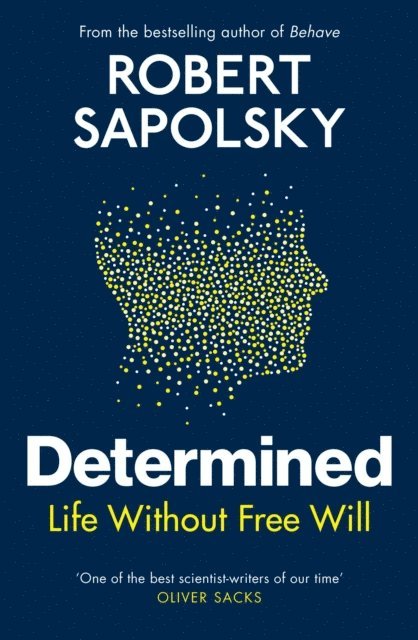
Determined
The Science of Life Without Free Will
Häftad, 2024
2,0 utav 5 stjärnor. Totalt antal röster: (1)
155 kr
Lägg i varukorg
One of the world’s greatest scientists of human behaviour, the bestselling author of Behave, shows that free will does not exist - and sets out the disturbing yet liberating implications of accepting this fact.‘One of the best scientist-writers of our time’ OLIVER SACKSWhat if free will is an …
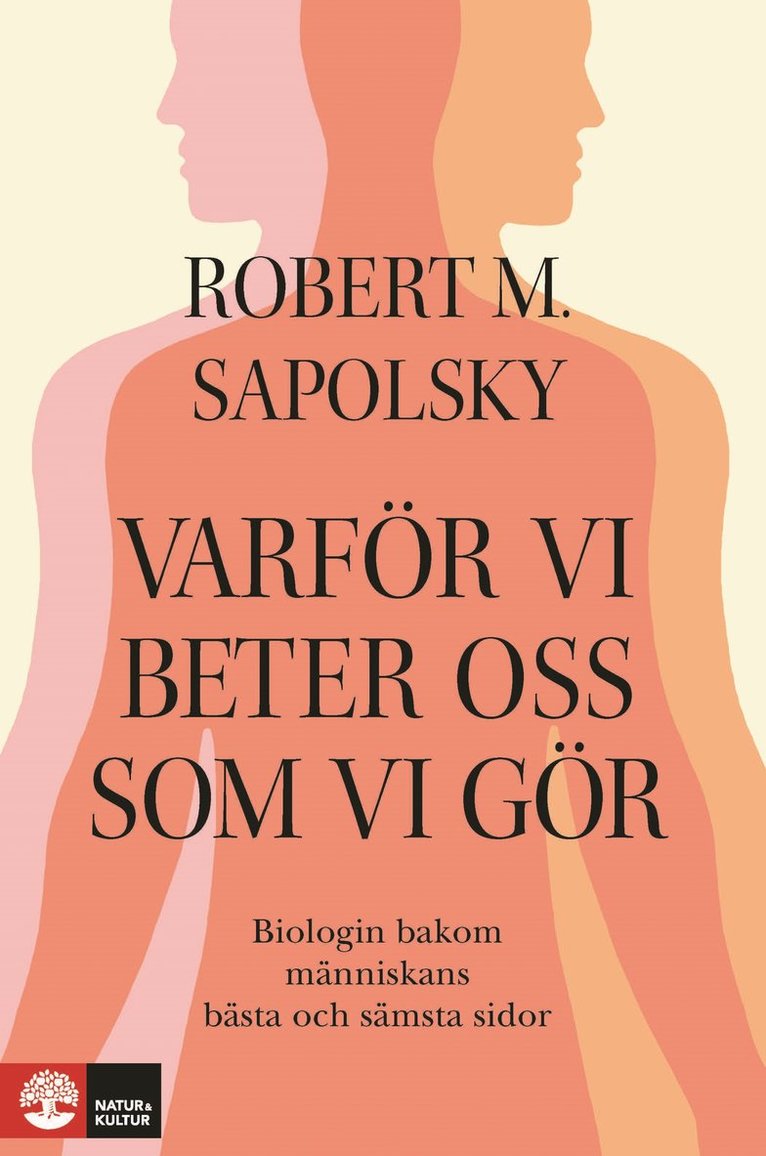
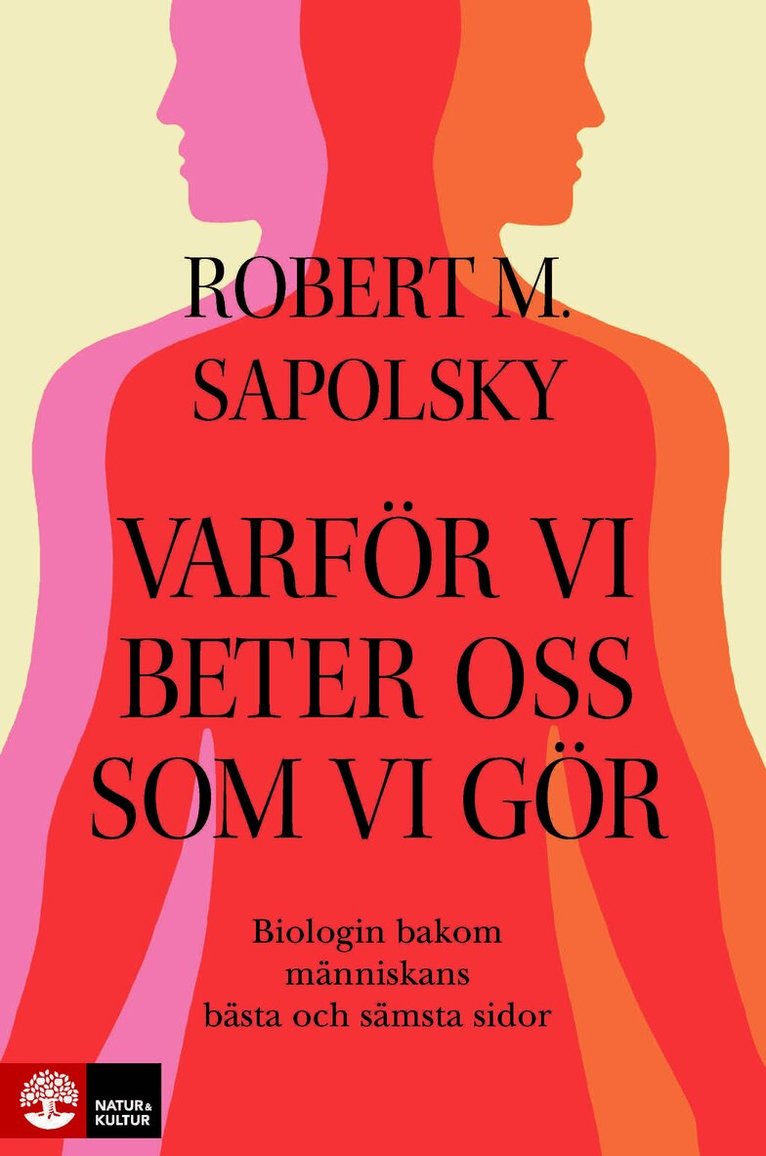
Varför vi beter oss som vi gör : Biologin bakom människans bästa och sämsta
Inbunden, 2018
4,2 utav 5 stjärnor. Totalt antal röster: (9)
353 kr
Lägg i varukorg
Varför beter vi oss som vi gör? Robert M. Sapolsky synar biologin bakom mänskligt beteende och förklarar vad som ligger bakom våra handlingar – ”onda” såväl som ”goda”. Han granskar i sin bok frågor som varför vi människor å ena sidan kan känna empati och samarbeta, å andra sidan bete oss …
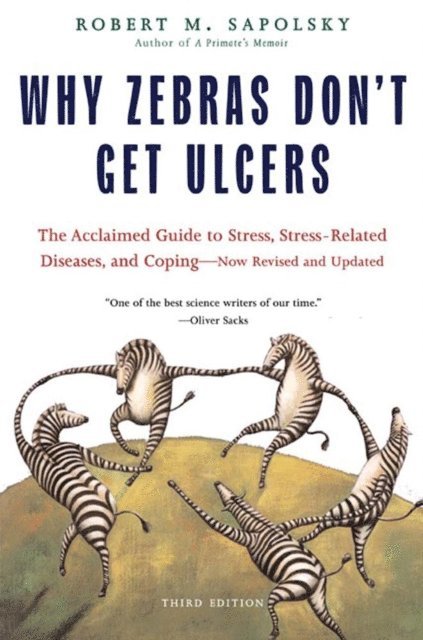
Varför zebror inte får magsår : Om stress, stressrelaterade sjukdomar och konsten att handskas med riskerna
Inbunden, 2003
3,0 utav 5 stjärnor. Totalt antal röster: (2)
409 kr
Lägg i varukorg
Som en röd tråd i diskussionen av fenomenet stress i denna bok löper jämförelsen mellan å ena sidan zebran som flyr över savannen för att komma undan ett jagande lejon och, å den andra, en bekymrad villaägare som oroar sig för sina banklån. För den flyende zebran krävs ett extra energipådrag för …
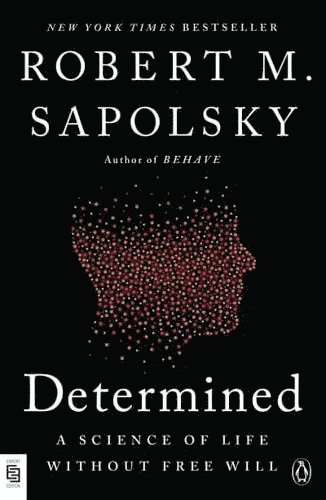
Determined: A Science of Life Without Free Will
Häftad, 2024
267 kr
Lägg i varukorg
The instant New York Times bestseller “Excellent . . . Outstanding for its breadth of research, the liveliness of the writing, and the depth of humanity it conveys.” – Wall Street Journal One of our great behavioral scientists, the bestselling author of Behave , mounts a devastating scientific and …
Varför vi beter oss som vi gör : biologin bakom människans bästa och sämsta
E-bok, 2018
169 kr
Lägg i varukorg
Varför beter vi oss som vi gör? Robert Sapolsky synar biologin bakom mänskligt beteende och förklarar vad som ligger bakom våra handlingar – ”onda” såväl som ”goda”. Han granskar i sin bok frågor som varför vi människor å ena sidan kan känna empati och samarbeta, å andra sidan bete oss föraktfullt …
Behave: The Biology of Humans at Our Best and Worst
Inbunden, 2017
4,3 utav 5 stjärnor. Totalt antal röster: (3)
401 kr
Lägg i varukorg
Why Zebras Don't Get Ulcers
The Acclaimed Guide to Stress, Stress-Related Diseases, and Coping (Third Edition)
E-bok, 2004
246 kr
Lägg i varukorg
Renowned primatologist Robert Sapolsky offers a completely revised and updated edition of his most popular work, with over 225,000 copies in print Now in a third edition, Robert M. Sapolsky''s acclaimed and successful Why Zebras Don''t Get Ulcers features new chapters on how stress affects sleep …
Behave
The Biology of Humans at Our Best and Worst
Ljudbok, 2018
179 kr
Lägg i varukorg
Brought to you by Penguin. The audiobook edition of Behave by Robert Sapolsky, read by Michael Goldstrom. The New York Times best seller Winner of the 2017 LA Times Book Prize Why do human beings behave as they do? We are capable of savage acts of violence but also spectacular feats of kindness: is …
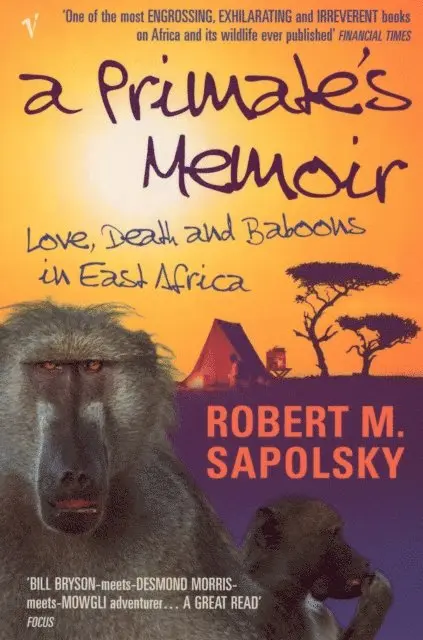
Primate's Memoir
Love, Death and Baboons
Häftad, 2019
5,0 utav 5 stjärnor. Totalt antal röster: (1)
141 kr
Lägg i varukorg
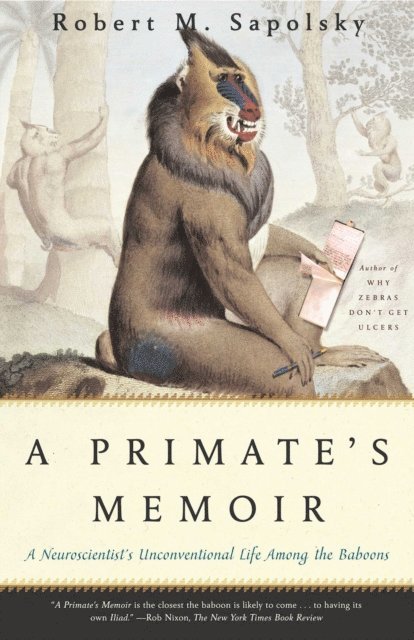
Discover this remarkable account of twenty-one years in remote Kenya with a troop of Savannah baboons from the New York Times bestselling author of Behave.'One of the best scientist-writers of our time' Oliver SacksBrooklyn-born Robert Sapolsky grew up wishing he could live in the primate diorama …
Trouble with Testosterone
Häftad, 1998
5,0 utav 5 stjärnor. Totalt antal röster: (1)
265 kr
Lägg i varukorg
Finalist for the Los Angeles Times Book Prize From the man who Oliver Sacks hailed as “one of the best scientist/writers of our time,” a collection of sharply observed, uproariously funny essays on the biology of human culture and behavior. In the tradition of Stephen Jay Gould and Oliver Sacks, …
Trouble With Testosterone
And Other Essays On The Biology Of The Human Predi
E-bok, 2012
186 kr
Lägg i varukorg
Finalist for the Los Angeles Times Book Prize From the man who Oliver Sacks hailed as “one of the best scientist/writers of our time,” a collection of sharply observed, uproariously funny essays on the biology of human culture and behavior. In the tradition of Stephen Jay Gould and Oliver Sacks, …
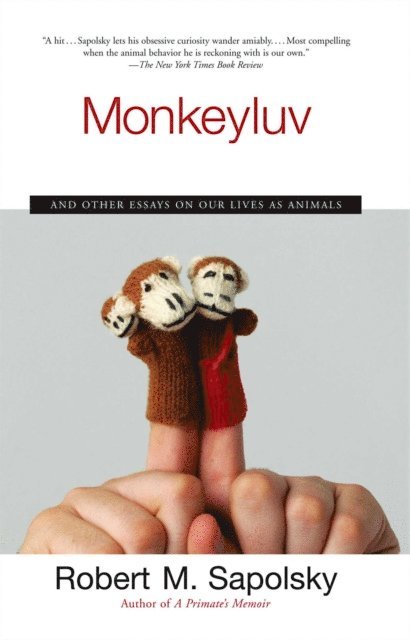
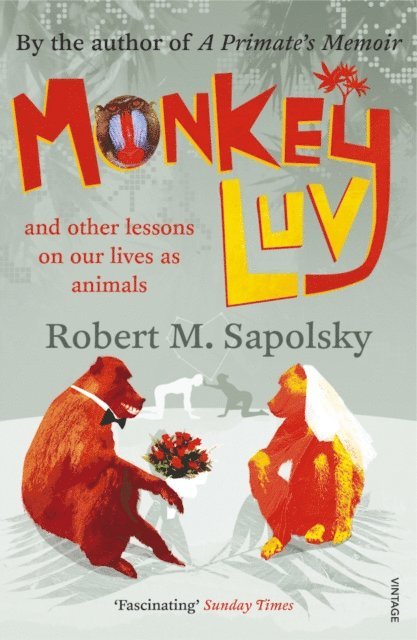
Monkeyluv
And Other Lessons in Our Lives as Animals
Häftad, 2006
5,0 utav 5 stjärnor. Totalt antal röster: (1)
155 kr
Lägg i varukorg
Described by Oliver Sacks as 'one of the best scientist-writers of our time', Robert M. Sapolsky here presents the human animal in all its quirkiness and diversity.In these remarkable essays, Sapolsky once again deploys his compassion and insights into the human condition to tell us who, why and …
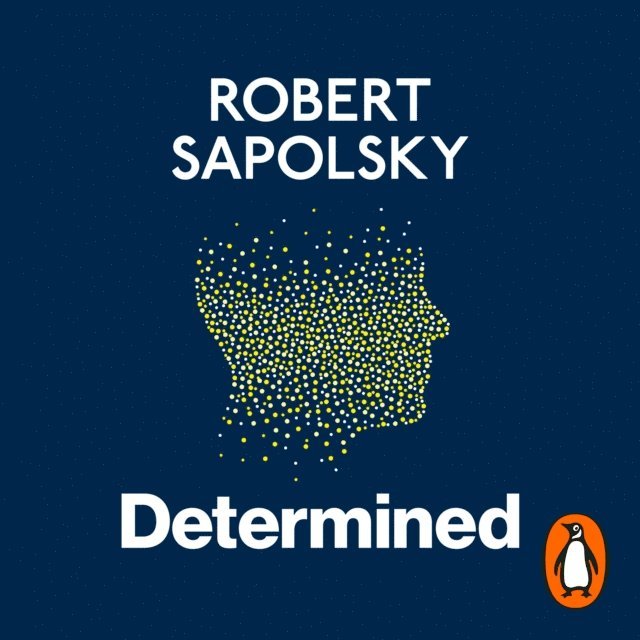
Determined
The Science of Life Without Free Will
Ljudbok, 2023
184 kr
Lägg i varukorg
Brought to you by Penguin. One of the world’s greatest scientists of human behaviour, the bestselling author of Behave, shows that free will does not exist - and sets out the disturbing yet liberating implications of accepting this fact. What if free will is an illusion? As Robert Sapolsky shows in …
Primate's Memoir
E-bok, 2011
108 kr
Lägg i varukorg
Discover this remarkable account of twenty-one years in remote Kenya with a troop of Savannah baboons from the New York Times bestselling author of Behave.'One of the best scientist-writers of our time' Oliver SacksBrooklyn-born Robert Sapolsky grew up wishing he could live in the primate diorama …
Primate's Memoir
Ljudbok, 2021
162 kr
Lägg i varukorg
Brought to you by Penguin. Discover this remarkable account of twenty-one years in remote Kenya with a troop of Savannah baboons from the New York Times bestselling author of Behave . Brooklyn-born Robert Sapolsky grew up wishing he could live in the primate diorama in the Museum of Natural …
Behave
The Biology of Humans at Our Best and Worst
Häftad, 2018
223 kr
Lägg i varukorg
New York Times bestseller • Winner of the Los Angeles Times Book Prize • One of the Washington Post 's 10 Best Books of the Year “It’s no exaggeration to say that Behave is one of the best nonfiction books I’ve ever read.” —David P. Barash, The Wall Street Journal "It has my vote for science book …
A Primate's Memoir: A Neuroscientist's Unconventional Life Among the Baboons
Häftad, 2002
257 kr
Lägg i varukorg
Monkeyluv
And Other Essays on Our Lives as Animals
E-bok, 2005
186 kr
Lägg i varukorg
How do imperceptibly small differences in the environment change one’s behavior? What is the anatomy of a bad mood? Does stress shrink our brains? What does People magazine’s list of America’s “50 Most Beautiful People” teach us about nature and nurture? What makes one organism sexy to another? …
Primate's Memoir
A Neuroscientist''s Unconventional Life Among the Baboons
E-bok, 2007
186 kr
Lägg i varukorg
In the tradition of Jane Goodall and Dian Fossey, Robert Sapolsky, a foremost science writer and recipient of a MacArthur Genius Grant, tells the mesmerizing story of his twenty-one years in remote Kenya with a troop of savanna baboons. "I had never planned to become a savanna baboon when I grew …
Monkeyluv
And Other Lessons in Our Lives as Animals
E-bok, 2011
122 kr
Lägg i varukorg
Described by Oliver Sacks as 'one of the best scientist-writers of our time', Robert M. Sapolsky here presents the human animal in all its quirkiness and diversity.In these remarkable essays, Sapolsky once again deploys his compassion and insights into the human condition to tell us who, why and …
Behave
The Biology of Humans at Our Best and Worst
E-bok, 2017
125 kr
Lägg i varukorg
Why do human beings behave as they do? 'Awe-inspiring... You will learn more about human nature than in any other book I can think of' Henry Marsh, bestselling author of And Finally.We are capable of savage acts of violence but also spectacular feats of kindness: is one side of our nature destined …
Determined
Life Without Free Will
E-bok, 2023
170 kr
Lägg i varukorg
One of the world’s greatest scientists of human behaviour, the bestselling author of Behave, shows that free will does not exist - and sets out the disturbing yet liberating implications of accepting this fact.‘One of the best scientist-writers of our time’ OLIVER SACKSWhat if free will is an …
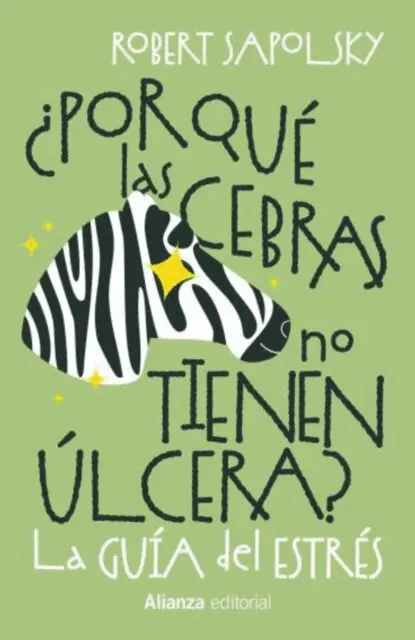
¿Por qué las cebras no tienen úlcera?
La guía del estrés
E-bok, 2025
115 kr
Lägg i varukorg
Gracias a los avances en la medicina y en la sanidad pública, nuestros patrones de enfermedad han cambiado. Actualmente padecemos enfermedades distintas y tenemos más probabilidades de morir de forma diferente que la mayor parte de nuestros antepasados. Lo que nos preocupa y nos quita el sueño es …
Determined
Häftad, 2024
136 kr
Tillfälligt slut
The instant New York Times bestseller "Excellent Outstanding for its breadth of research, the liveliness of the writing, and the depth of humanity it conveys." - Wall Street Journal One of our great behavioral scientists, the bestselling author of Behave , plumbs the depths of the science and …