Robert Miklitsch - Böcker
Visar alla böcker från författaren Robert Miklitsch. Handla med fri frakt och snabb leverans.
10 produkter
10 produkter
1 202 kr
Skickas inom 7-10 vardagar
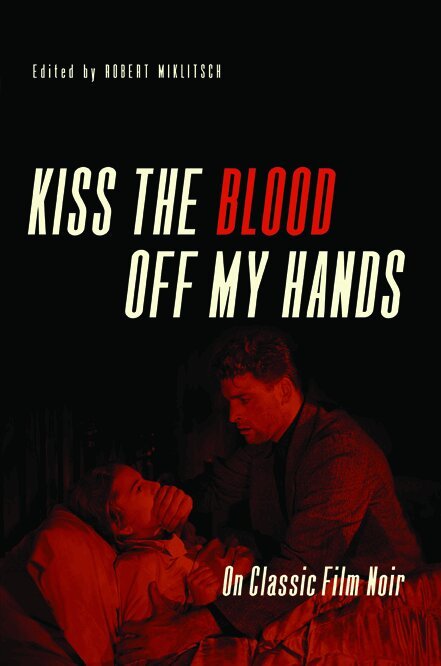
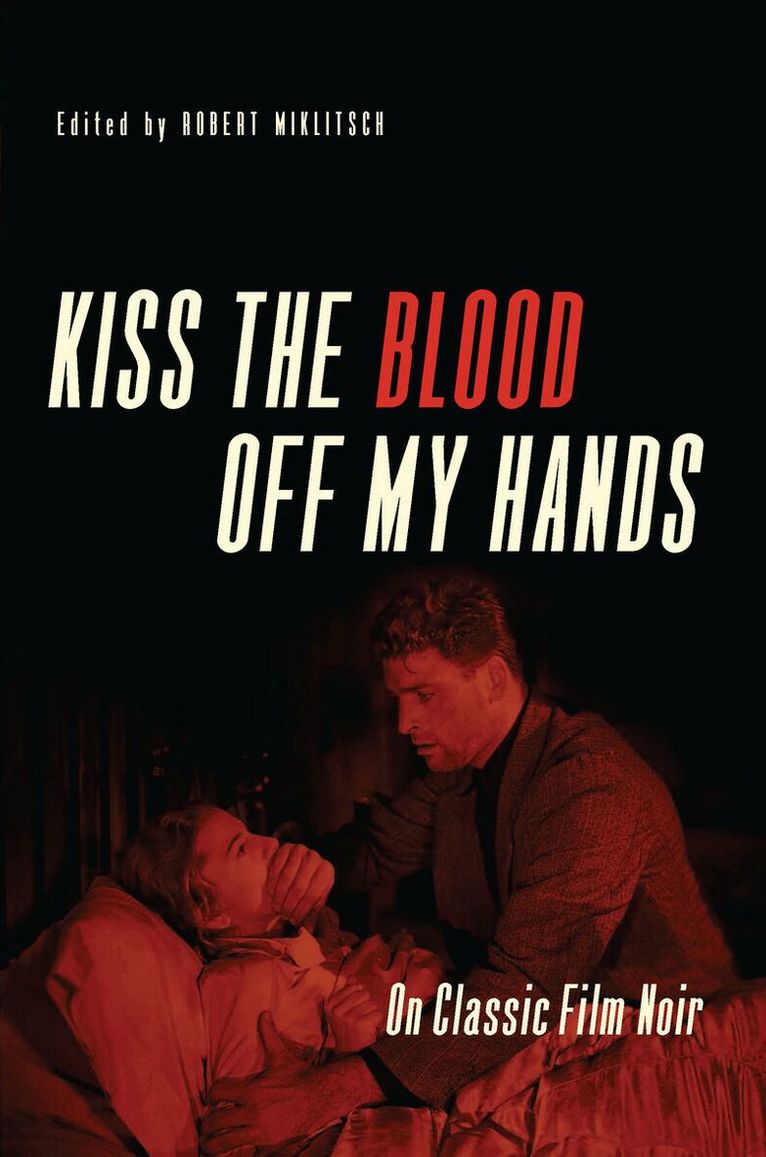
Consider the usual view of film noir: endless rainy nights populated by down-at-the-heel boxers, writers, and private eyes stumbling toward inescapable doom while stalked by crooked cops and cheating wives in a neon-lit urban jungle.But a new generation of writers is pushing aside the fog of cigarette smoke surrounding classic noir scholarship. In Kiss the Blood Off My Hands: On Classic Film Noir, Robert Miklitsch curates a bold collection of essays that reassesses the genre's iconic style, history, and themes. Contributors analyze the oft-overlooked female detective and little-examined aspects of filmmaking like love songs and radio aesthetics, discuss the significance of the producer and women's pulp fiction, and investigate topics as disparate as Disney noir and the Fifties heist film, B-movie back projection and blacklisted British directors. At the same time the writers' collective reconsideration shows the impact of race and gender, history and sexuality, technology and transnationality on the genre.As bracing as a stiff drink, Kiss the Blood Off My Hands writes the future of noir scholarship in lipstick and chalk lines for film fans and scholars alike.Contributors: Krin Gabbard, Philippa Gates, Julie Grossman, Robert Miklitsch, Robert Murphy, Mark Osteen, Vivian Sobchack, Andrew Spicer, J. P. Telotte, and Neil Verma.
1 365 kr
Skickas inom 7-10 vardagar
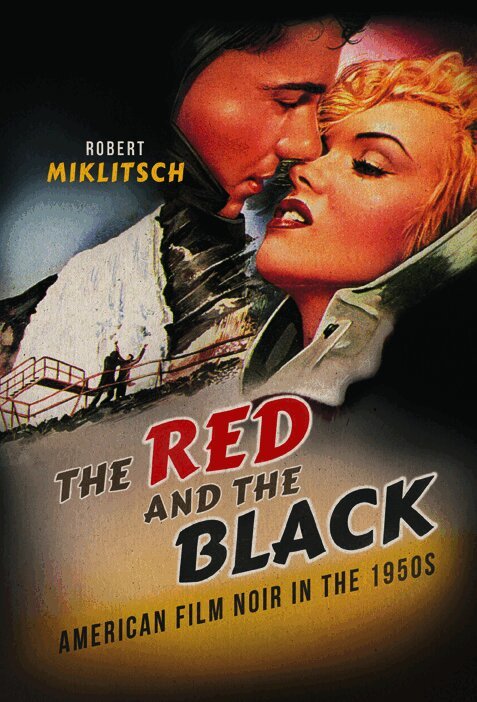
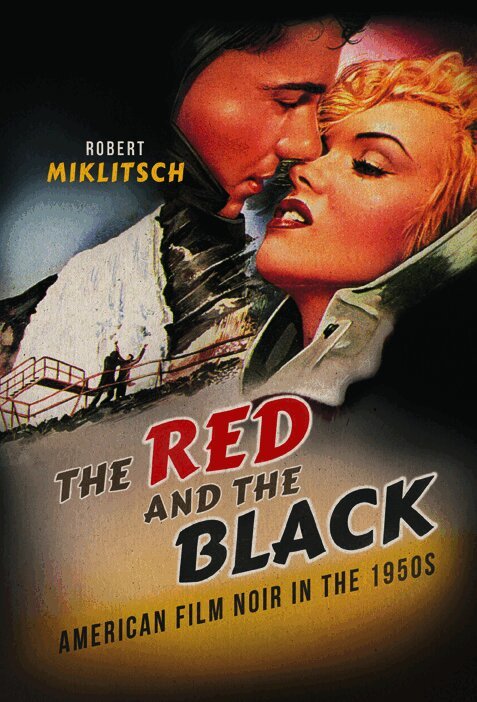
Critical wisdom has it that we said a long goodbye to film noir in the 1950s. Robert Miklitsch begs to differ. Pursuing leads down the back streets and alleyways of cultural history, The Red and the Black proposes that the received rise-and-fall narrative about the genre radically undervalues the formal and thematic complexity of '50s noir and the dynamic segue it effected between the spectacular expressionism of '40s noir and early, modernist neo-noir. Mixing scholarship with a fan's devotion to the crooked roads of critique, Miklitsch autopsies marquee films like D.O.A., Niagara, and Kiss Me Deadly plus a number of lesser-known classics. Throughout, he addresses the social and technological factors that dealt deuce after deuce to the genre--its celebrated style threatened by new media and technologies such as TV and 3-D, color and widescreen, its born losers replaced like zombies by All-American heroes, the nation rocked by the red menace and nightmares of nuclear annihilation. But against all odds, the author argues, inventive filmmakers continued to make formally daring and socially compelling pictures that remain surprisingly, startlingly alive.Cutting-edge and entertaining, The Red and the Black reconsiders a lost period in the history of American movies.
1 407 kr
Skickas inom 7-10 vardagar
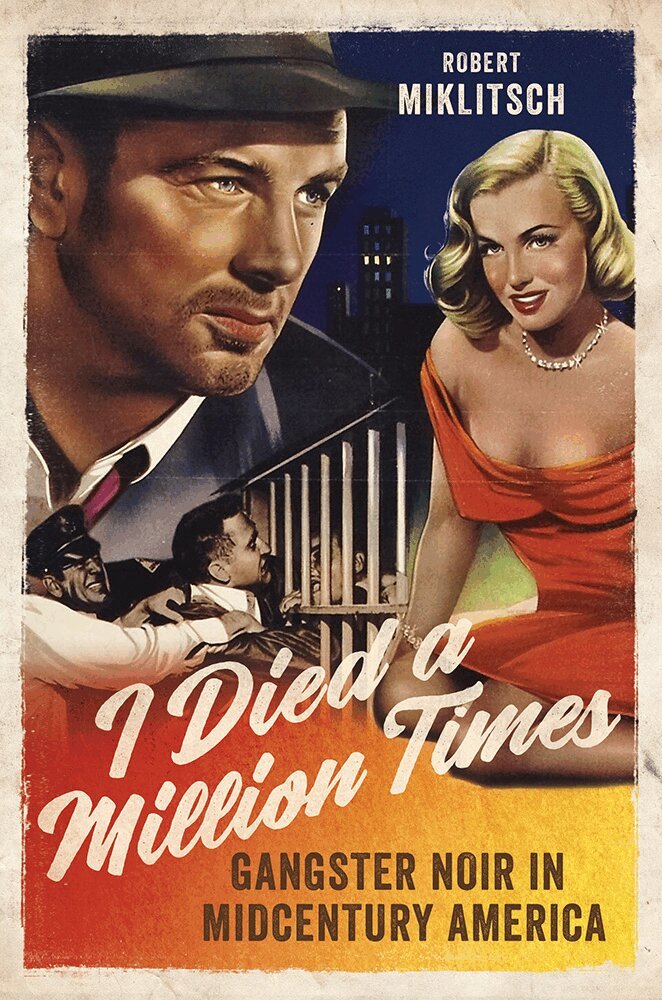
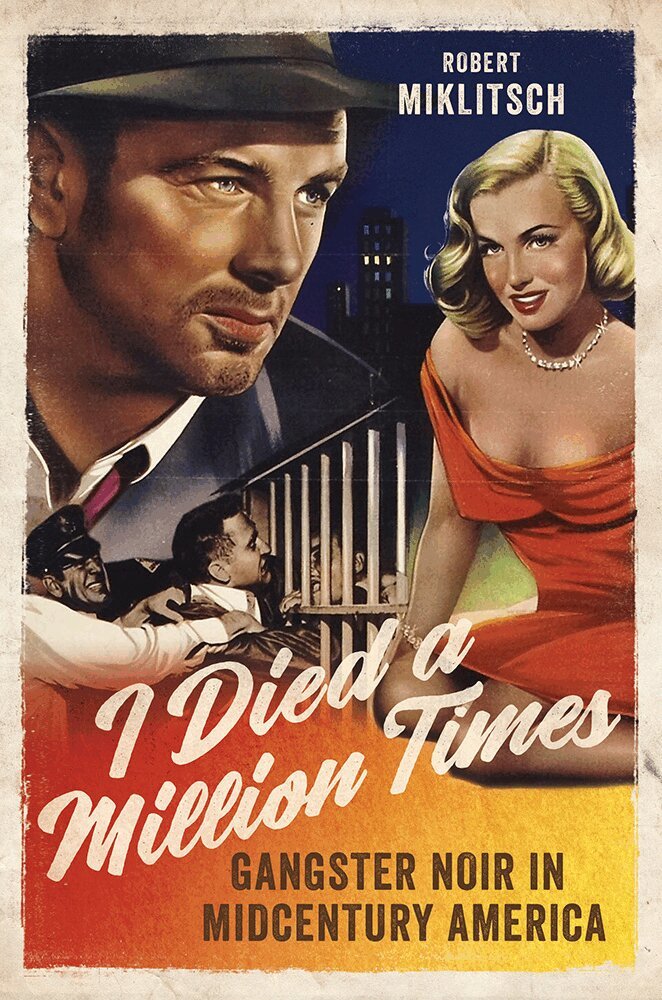
In the 1950s, the gangster movie and film noir crisscrossed to create gangster noir. Robert Miklitsch takes readers into this fascinating subgenre of films focused on crime syndicates, crooked cops, and capers. With the Senate's organized crime hearings and the brighter-than-bright myth of the American Dream as a backdrop, Miklitsch examines the style and history, and the production and cultural politics, of classic pictures from The Big Heat and The Asphalt Jungle to lesser-known gems like 711 Ocean Drive and post-Fifties movies like Ocean's Eleven. Miklitsch pays particular attention to trademark leitmotifs including the individual versus the collective, the family as a locus of dissension and rapport, the real-world roots of the heist picture, and the syndicate as an octopus with its tentacles deep into law enforcement, corporate America, and government. If the memes of gangster noir remain prototypically dark, the look of the films becomes lighter and flatter, reflecting the influence of television and the realization that, under the cover of respectability, crime had moved from the underworld into the mainstream of contemporary everyday life.
292 kr
Skickas inom 7-10 vardagar
Consider the usual view of film noir: endless rainy nights populated by down-at-the-heel boxers, writers, and private eyes stumbling toward inescapable doom while stalked by crooked cops and cheating wives in a neon-lit urban jungle.But a new generation of writers is pushing aside the fog of cigarette smoke surrounding classic noir scholarship. In Kiss the Blood Off My Hands: On Classic Film Noir, Robert Miklitsch curates a bold collection of essays that reassesses the genre's iconic style, history, and themes. Contributors analyze the oft-overlooked female detective and little-examined aspects of filmmaking like love songs and radio aesthetics, discuss the significance of the producer and women's pulp fiction, and investigate topics as disparate as Disney noir and the Fifties heist film, B-movie back projection and blacklisted British directors. At the same time the writers' collective reconsideration shows the impact of race and gender, history and sexuality, technology and transnationality on the genre.As bracing as a stiff drink, Kiss the Blood Off My Hands writes the future of noir scholarship in lipstick and chalk lines for film fans and scholars alike.Contributors: Krin Gabbard, Philippa Gates, Julie Grossman, Robert Miklitsch, Robert Murphy, Mark Osteen, Vivian Sobchack, Andrew Spicer, J. P. Telotte, and Neil Verma.
292 kr
Skickas inom 7-10 vardagar
Critical wisdom has it that we said a long goodbye to film noir in the 1950s. Robert Miklitsch begs to differ. Pursuing leads down the back streets and alleyways of cultural history, The Red and the Black proposes that the received rise-and-fall narrative about the genre radically undervalues the formal and thematic complexity of '50s noir and the dynamic segue it effected between the spectacular expressionism of '40s noir and early, modernist neo-noir. Mixing scholarship with a fan's devotion to the crooked roads of critique, Miklitsch autopsies marquee films like D.O.A., Niagara, and Kiss Me Deadly plus a number of lesser-known classics. Throughout, he addresses the social and technological factors that dealt deuce after deuce to the genre--its celebrated style threatened by new media and technologies such as TV and 3-D, color and widescreen, its born losers replaced like zombies by All-American heroes, the nation rocked by the red menace and nightmares of nuclear annihilation. But against all odds, the author argues, inventive filmmakers continued to make formally daring and socially compelling pictures that remain surprisingly, startlingly alive.Cutting-edge and entertaining, The Red and the Black reconsiders a lost period in the history of American movies.
301 kr
Skickas inom 7-10 vardagar
In the 1950s, the gangster movie and film noir crisscrossed to create gangster noir. Robert Miklitsch takes readers into this fascinating subgenre of films focused on crime syndicates, crooked cops, and capers. With the Senate's organized crime hearings and the brighter-than-bright myth of the American Dream as a backdrop, Miklitsch examines the style and history, and the production and cultural politics, of classic pictures from The Big Heat and The Asphalt Jungle to lesser-known gems like 711 Ocean Drive and post-Fifties movies like Ocean's Eleven. Miklitsch pays particular attention to trademark leitmotifs including the individual versus the collective, the family as a locus of dissension and rapport, the real-world roots of the heist picture, and the syndicate as an octopus with its tentacles deep into law enforcement, corporate America, and government. If the memes of gangster noir remain prototypically dark, the look of the films becomes lighter and flatter, reflecting the influence of television and the realization that, under the cover of respectability, crime had moved from the underworld into the mainstream of contemporary everyday life.
382 kr
Tillfälligt slut
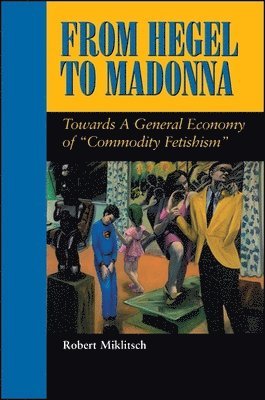
Moves from the discourses of dialectical negation to cultural-populist affirmation—that is, from Hegel to Madonna Studies—in order to envision a mode of critique that can persuasively describe and explain the cultural contradictions of late capitalism.From Hegel to Madonna presents a genealogical survey of the discourses of negation and affirmation associated with the work of Hegel, Adorno, Deleuze, and Guattari; then, rotating from the philosophical to the political-economic axis, turns to the problem of a general economy of "commodity-fetishism." Drawing on the work of Marx and Freud, Miklitsch mobilizes a new, renewed understanding of "commodity fetishism"—what he calls the commodity-body-sign—in order to examine received notions of consumption and commodification. The aim is to envision a dialectical mode of critique, at once critical and affirmative, that can account for the cultural contradictions of late capitalism. The author also analyzes the phenomenon of Madonna Studies, reading the interest in the pop star as a sign of the academic times, a symptomatic figure not only of cultural studies in all its celebratory, cultural-populist excess but of a critical discourse responsive to postmodern culture in all its politically complex mutability.
1 456 kr
Skickas inom 3-6 vardagar
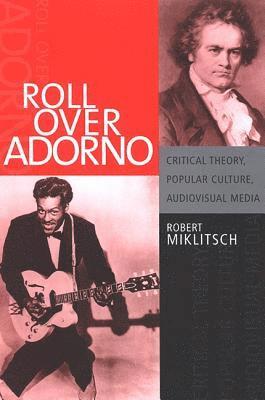
Moves from Beethoven to Buffy to examine the blurred nexus of elite and popular culture in the twenty-first century.What happens when Theodor Adorno, the champion of high, classical artists such as Beethoven, comes into contact with the music of Chuck Berry, the de facto king of rock 'n' roll? In a series of readings and meditations, Robert Miklitsch investigates the postmodern nexus between elite and popular culture as it occurs in the audiovisual fields of film, music, and television-ranging from Gershwin to gangsta rap, Tarantino to Tongues Untied, Tony Soprano to Buffy the Vampire Slayer, Miklitsch argues that the aim of critical theory in the new century will be to describe and explain these commodities in ever greater phenomenological detail without losing touch with those evaluative criteria that have historically sustained both Kulturkritik and classical aesthetics.
382 kr
Tillfälligt slut
Moves from Beethoven to Buffy to examine the blurred nexus of elite and popular culture in the twenty-first century.What happens when Theodor Adorno, the champion of high, classical artists such as Beethoven, comes into contact with the music of Chuck Berry, the de facto king of rock 'n' roll? In a series of readings and meditations, Robert Miklitsch investigates the postmodern nexus between elite and popular culture as it occurs in the audiovisual fields of film, music, and television-ranging from Gershwin to gangsta rap, Tarantino to Tongues Untied, Tony Soprano to Buffy the Vampire Slayer, Miklitsch argues that the aim of critical theory in the new century will be to describe and explain these commodities in ever greater phenomenological detail without losing touch with those evaluative criteria that have historically sustained both Kulturkritik and classical aesthetics.
540 kr
Skickas inom 11-20 vardagar
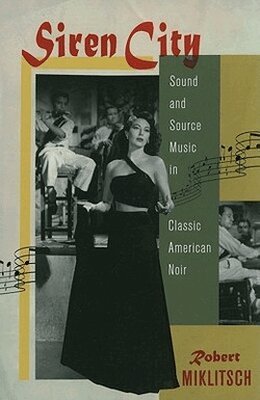
Hailed for its dramatic expressionist visuals, film noir is one of the most prominent genres in Hollywood cinema. Yet, despite the "boom" in sound studies, the role of sonic effects and source music in classic American noir has not received the attention it deserves. Siren City engagingly illustrates how sound tracks in 1940s film noir are often just as compelling as the genre's vaunted graphics.Focusing on a wide range of celebrated and less well known films and offering an introductory discussion of film sound, Robert Miklitsch mobilizes the notion of audiovisuality to investigate period sound technologies such as the radio and jukebox, phonograph and Dictaphone, popular American music such as "hot" black jazz, and "big numbers" featuring iconic performers such as Lauren Bacall, Veronica Lake, and Rita Hayworth. Siren City resonates with the sounds and source music of classic American noir-gunshots and sirens, swing riffs and canaries. Along with the proverbial private eye and femme fatale, these audiovisuals are central to the noir aesthetic and one important reason the genre reverberates with audiences around the world.