Robert Muchembled – författare
Visar alla böcker från författaren Robert Muchembled. Handla med fri frakt och snabb leverans.
9 produkter
9 produkter
1 442 kr
Skickas inom 7-10 vardagar
Religious beliefs, their practice and expression, were fundamental to the cultural fabric of early modern Europe. They were representations of belonging, identity, power and social meaning. In the era of Europe's reformations and subsequent confessionalizations coinciding with its first colonial empires and its conflictual relations with other faiths on its eastern borderlands, this volume, first published in 2007, examines the role of religion as a vehicle for cultural conflict, cohabitation and cultural exchange. Essays by leading historians show the complexity and diversity of the processes of religious differentiation that contributed to the making of modern Europe, with case studies ranging from Transylvania and Lithuania to Spain and Portugal and from Italy to England. The volume will appeal to scholars in early modern European history, history of religion, as well as social and cultural history.
944 kr
Skickas inom 5-8 vardagar
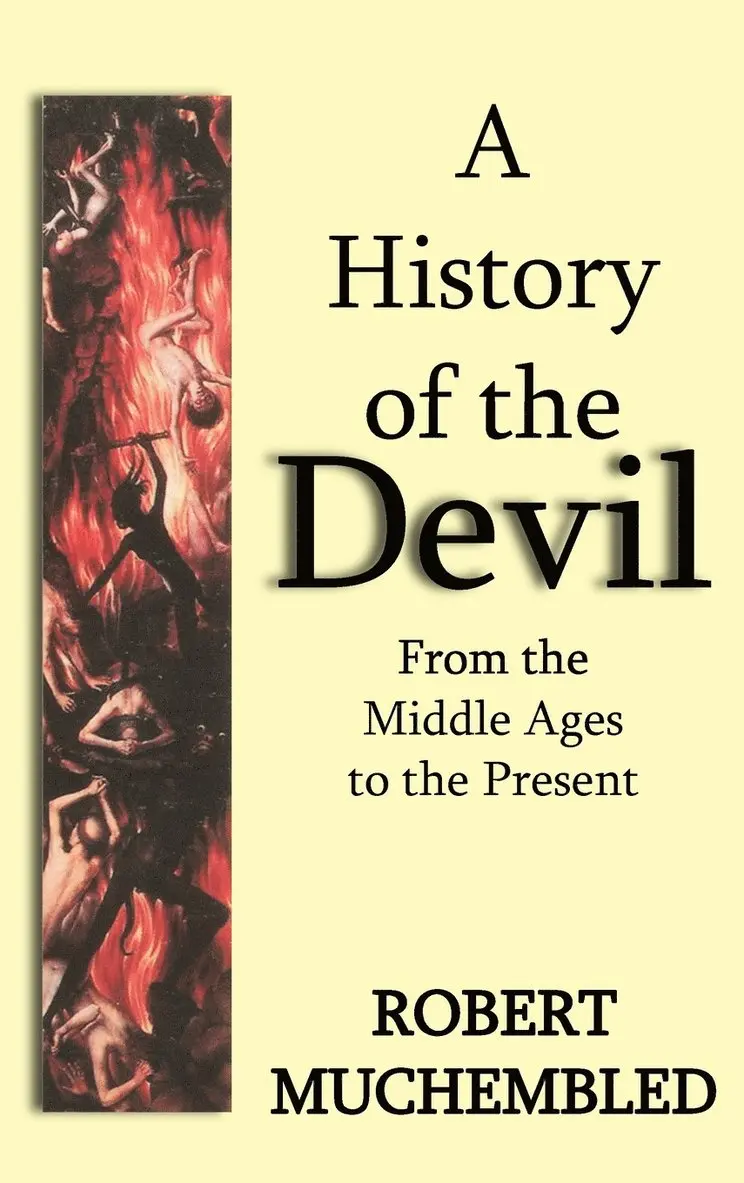
This highly original and engaging book by French historian Robert Muchembled, is a journey through time and space in search of the changing perception and significance of the devil in Western culture. An outstanding book about the changing perception and significance of the devil in Western culture.Robert Muchembled is a well-known historian and an expert on witchcraft, whose work has already been translated into many languages.The author highlights the way that the changing notion of evil is connected to other changes in society at large.Draws on a wealth of examples, from the witch-hunts of the 15th and 16th centuries, to the films of Stanley Kubrick.
402 kr
Skickas inom 5-8 vardagar
This highly original and engaging book by French historian Robert Muchembled, is a journey through time and space in search of the changing perception and significance of the devil in Western culture. An outstanding book about the changing perception and significance of the devil in Western culture.Robert Muchembled is a well-known historian and an expert on witchcraft, whose work has already been translated into many languages.The author highlights the way that the changing notion of evil is connected to other changes in society at large.Draws on a wealth of examples, from the witch-hunts of the 15th and 16th centuries, to the films of Stanley Kubrick.
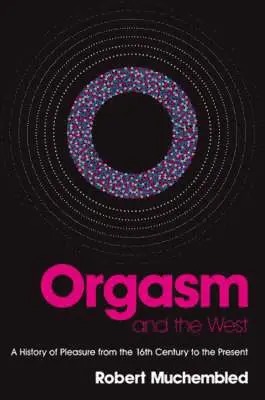
Orgasm and the West
A History of Pleasure from the 16th Century to the Present
Inbunden, Engelska, 2008
813 kr
Skickas inom 7-10 vardagar
Can the orgasm be explained in historical terms? An almost incommunicable individual emotion yet also a cultural reality, the orgasm is part of, but also escapes, collective experience. The history of the orgasm is that of the hidden body, of forbidden desires, of flesh constrained by taboos and morality. Buried deep in archives and libraries, the documents that shed light on this physical, sometimes libertine, life are nevertheless surprisingly plentiful and have a surprisingly evocative charge. Robert Muchembled's book unearths fascinating sources which suggest that we need to look with a fresh eye at the past and realize that the sublimation of the erotic impulse was far more than simple religious asceticism: it was the hidden driving force of the West until the 1960s. In the sphere of sexual pleasure, England and France have followed parallel paths. The United States remains deeply influenced by this common repressive model, which hedonist Europe has recently abandoned in favour of a malleable sexuality of which woman are the chief beneficiaries. Liberated by the pill from the dangers and anxieties associated with the obligations of reproduction, they can now claim equality with men and uninhibitedly claim pleasure and the orgasm for themselves.
265 kr
Skickas inom 7-10 vardagar
Can the orgasm be explained in historical terms? An almost incommunicable individual emotion yet also a cultural reality, the orgasm is part of, but also escapes, collective experience. The history of the orgasm is that of the hidden body, of forbidden desires, of flesh constrained by taboos and morality. Buried deep in archives and libraries, the documents that shed light on this physical, sometimes libertine, life are nevertheless surprisingly plentiful and have a surprisingly evocative charge. Robert Muchembled's book unearths fascinating sources which suggest that we need to look with a fresh eye at the past and realize that the sublimation of the erotic impulse was far more than simple religious asceticism: it was the hidden driving force of the West until the 1960s. In the sphere of sexual pleasure, England and France have followed parallel paths. The United States remains deeply influenced by this common repressive model, which hedonist Europe has recently abandoned in favour of a malleable sexuality of which woman are the chief beneficiaries. Liberated by the pill from the dangers and anxieties associated with the obligations of reproduction, they can now claim equality with men and uninhibitedly claim pleasure and the orgasm for themselves.
972 kr
Skickas inom 5-8 vardagar
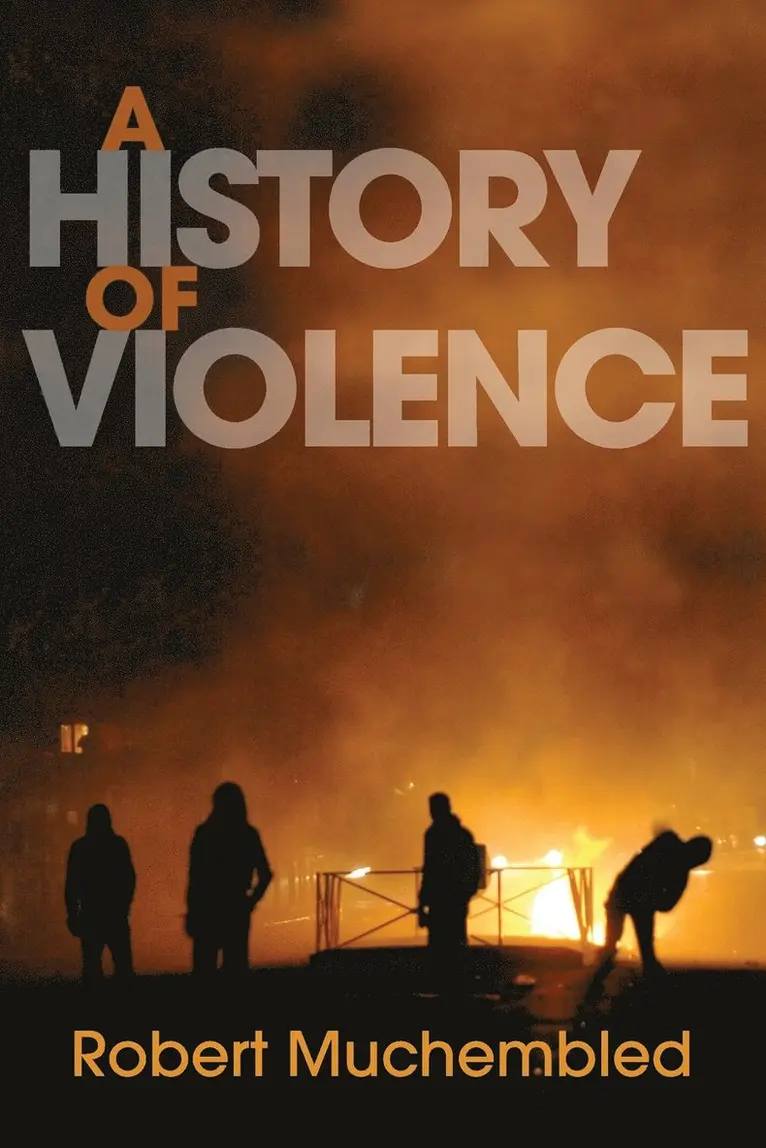
Violence is so much in the news today that we may find it hard to believe that it is less prevalent than it was in the past. But this is exactly what the distinguished historian Robert Muchembled argues in this major new work on the history of violence. He shows that brutality and homicide have been in decline since the thirteenth century. The thesis of a ‘civilizing process', of a gradual taming, even sublimation, of violence, seems, therefore, to be well-founded.How are we to explain this decline in public displays of aggression? What mechanisms have modernizing societies employed to repress and control violence? The increasingly strict social control of unmarried, male adolescents, together with the coercive education imposed on this age group, are central to Muchembled's explanation. Masculine violence gradually disappeared from public space, to become concentrated in the home. Meanwhile, a vast popular literature, precursor of the modern mass media, came to play a cathartic role: the duels of The Three Musketeers and the amazing exploits of Fantômas, as described in the new crime literature invented in the nineteenth century, now helped to purge the violent impulses.And yet we seem, in the first few years of the twenty-first century, to be witnessing a resurgence of violence, especially among the youths of the inner cities. How should we understand this resurgence in relation to the long history of violence in the West?
414 kr
Skickas inom 5-8 vardagar
Violence is so much in the news today that we may find it hard to believe that it is less prevalent than it was in the past. But this is exactly what the distinguished historian Robert Muchembled argues in this major new work on the history of violence. He shows that brutality and homicide have been in decline since the thirteenth century. The thesis of a ‘civilizing process', of a gradual taming, even sublimation, of violence, seems, therefore, to be well-founded.How are we to explain this decline in public displays of aggression? What mechanisms have modernizing societies employed to repress and control violence? The increasingly strict social control of unmarried, male adolescents, together with the coercive education imposed on this age group, are central to Muchembled's explanation. Masculine violence gradually disappeared from public space, to become concentrated in the home. Meanwhile, a vast popular literature, precursor of the modern mass media, came to play a cathartic role: the duels of The Three Musketeers and the amazing exploits of Fantômas, as described in the new crime literature invented in the nineteenth century, now helped to purge the violent impulses.And yet we seem, in the first few years of the twenty-first century, to be witnessing a resurgence of violence, especially among the youths of the inner cities. How should we understand this resurgence in relation to the long history of violence in the West?
496 kr
Skickas inom 7-10 vardagar
Why is our sense of smell so under-appreciated? We tend to think of smell as a vestigial remnant of our pre-human past, doomed to gradual extinction, and we go to great lengths to eliminate smells from our environment, suppressing body odour, bad breath and other smells. Living in a relatively odour-free environment has numbed us to the importance that smells have always had in human history and culture. In this major new book Robert Muchembled restores smell to its rightful place as one of our most important senses and examines the transformation of smells in the West from the Renaissance to the beginning of the 19th century. He shows that in earlier centuries, the air in towns and cities was often saturated with nauseating emissions and dangerous pollution. Having little choice but to see and smell faeces and urine on a daily basis, people showed little revulsion; until the 1620s, literature and poetry delighted in excreta which now disgust us. The smell of excrement and body odours were formative aspects of eroticism and sexuality, for the social elite and the popular classes alike. At the same time, medicine explained outbreaks of plague by Satan's poisonous breath corrupting the air. Amber, musk and civet came to be seen as vital bulwarks against the devil's breath: scents were worn like armour against the plague. The disappearance of the plague after 1720 and the sharp decline in fear of the devil meant there was no longer any point in using perfumes to fight the forces of evil, paving the way for the olfactory revolution of the 18th century when softer, sweeter perfumes, often with floral and fruity scents, came into fashion, reflecting new norms of femininity and a gentler vision of nature. This rich cultural history of an under-appreciated sense will be appeal to a wide readership.
578 kr
Kommande