Robert N. Spengler III – författare
Visar alla böcker från författaren Robert N. Spengler III. Handla med fri frakt och snabb leverans.
9 produkter
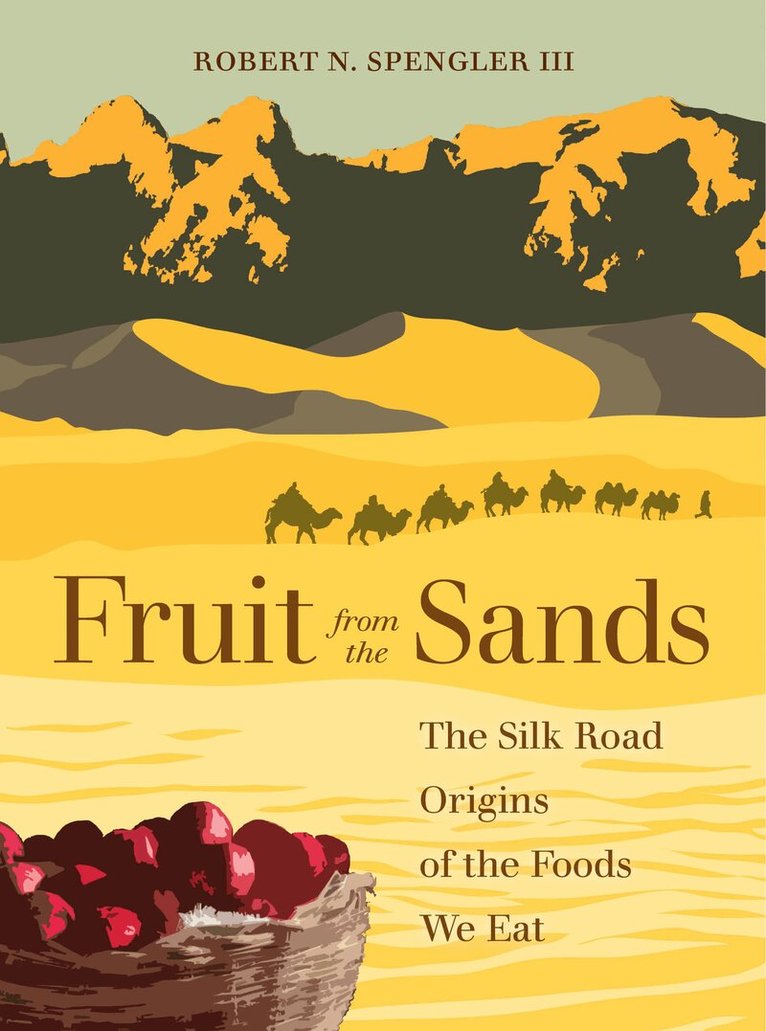
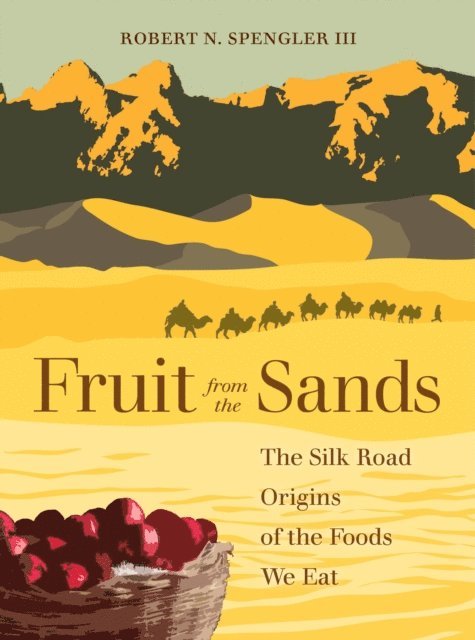
Fruit from the Sands
The Silk Road Origins of the Foods We Eat
Inbunden, 2019
313 kr
Lägg i varukorg
"A comprehensive and entertaining historical and botanical review, providing an enjoyable and cognitive read.”—NatureThe foods we eat have a deep and often surprising past. From almonds and apples to tea and rice, many foods that we consume today have histories that can be traced out of prehistoric …
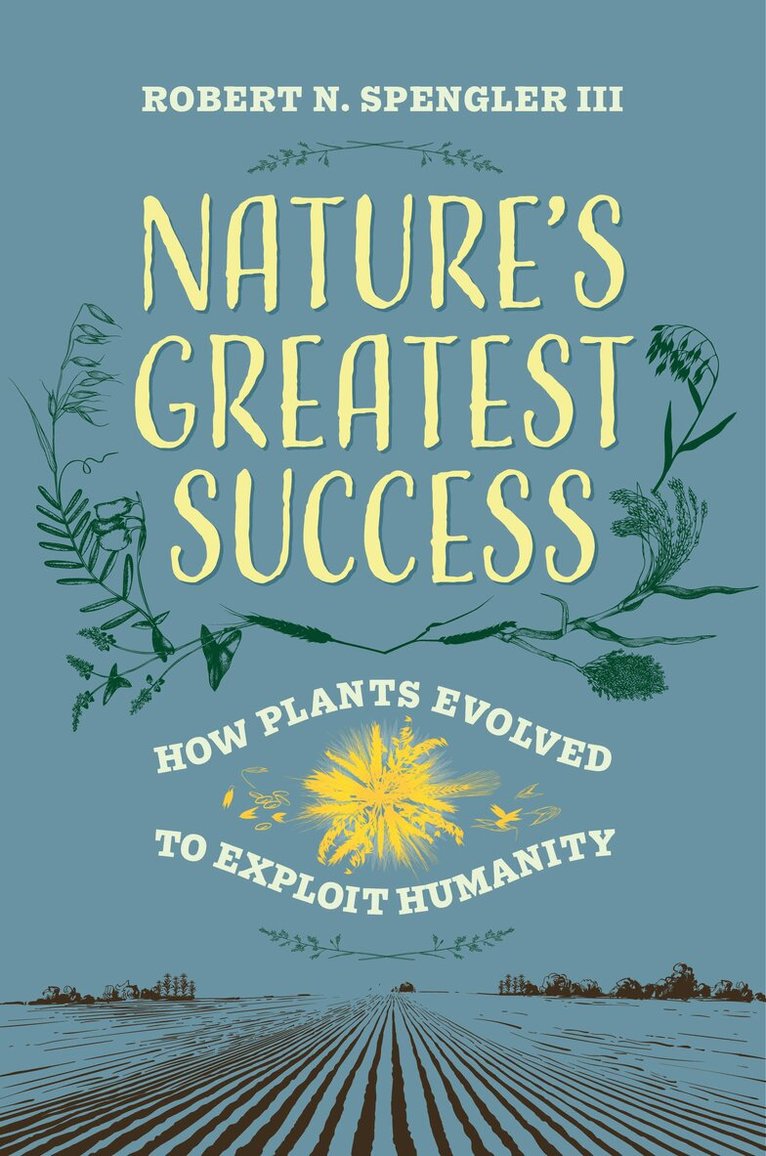
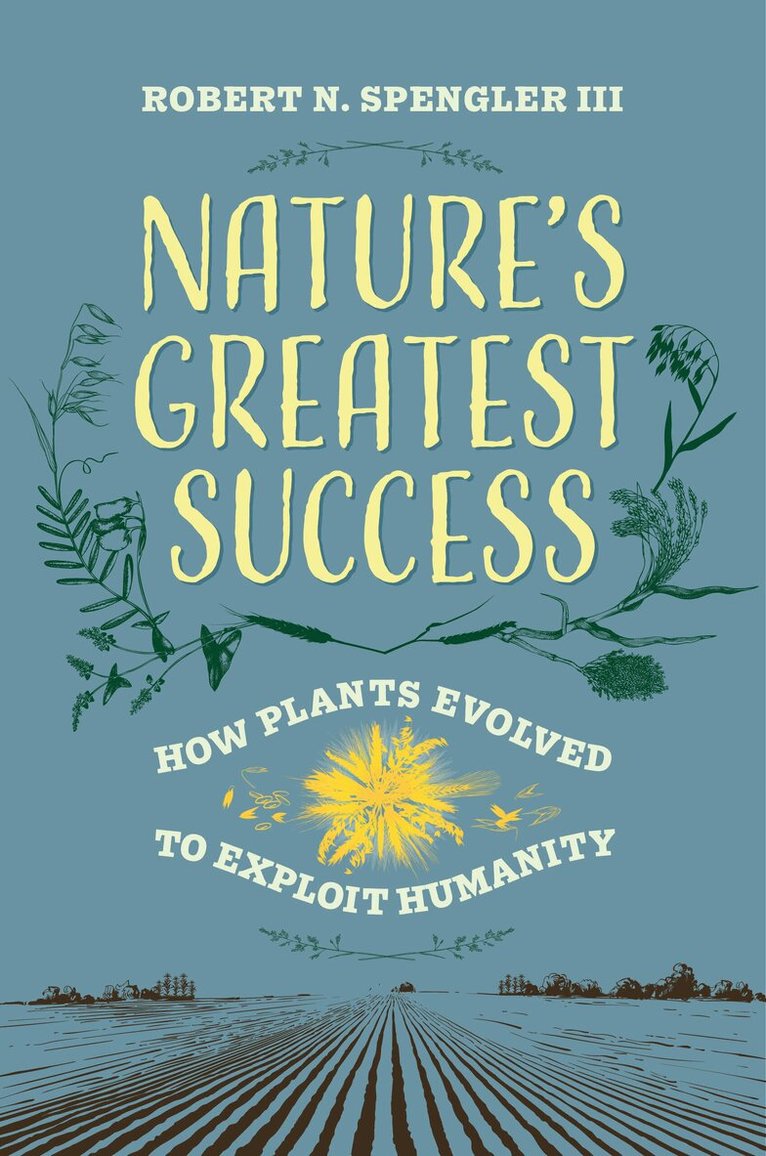
Nature's Greatest Success
How Plants Evolved to Exploit Humanity
Häftad, 2026
254 kr
Lägg i varukorg
The 15,000-year story of how grass seduced humanity into being its unwitting labor force—and the science behind it. Domesticated crops were not human creations, and agriculture was not simply invented. As Robert N. Spengler shows, domestication was the result of an evolutionary process in which …
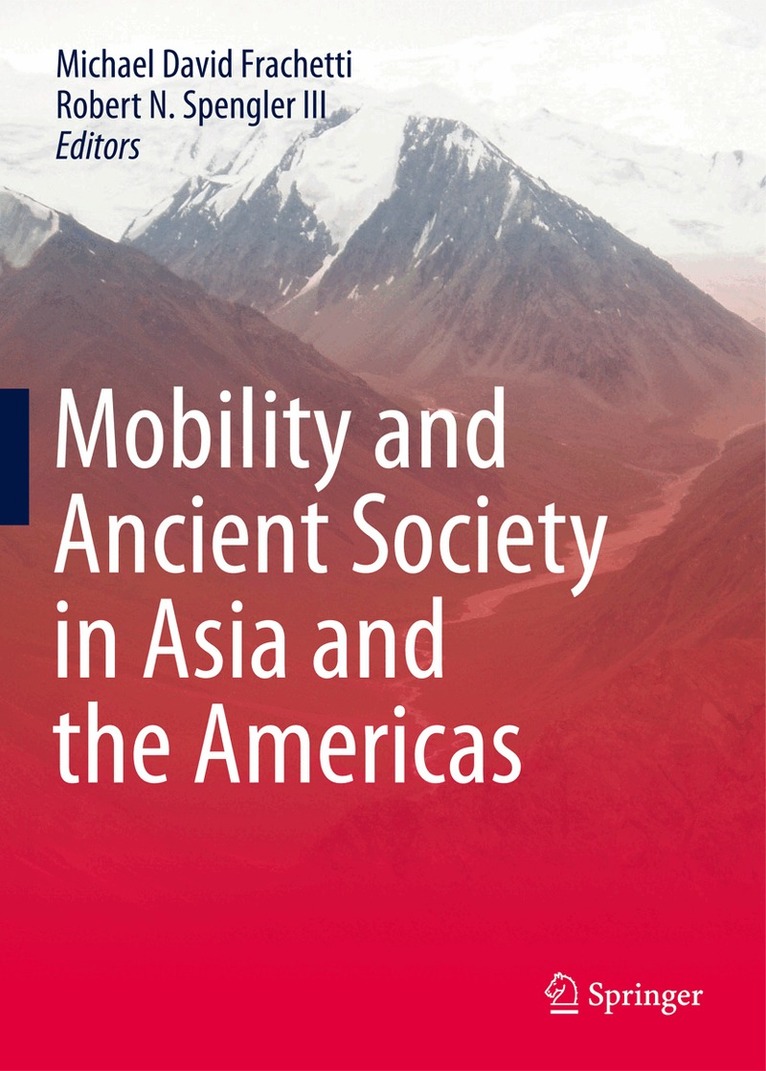
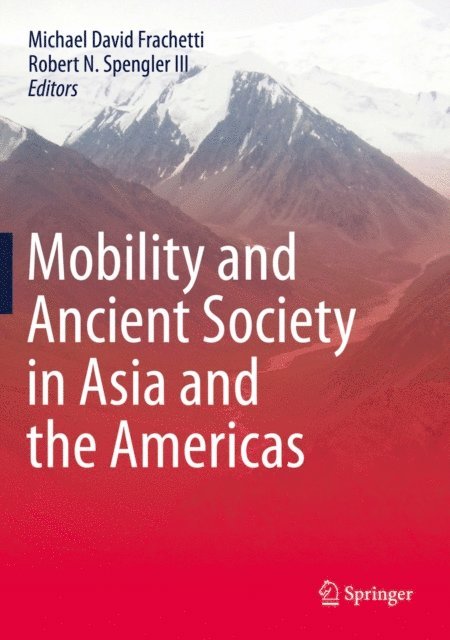
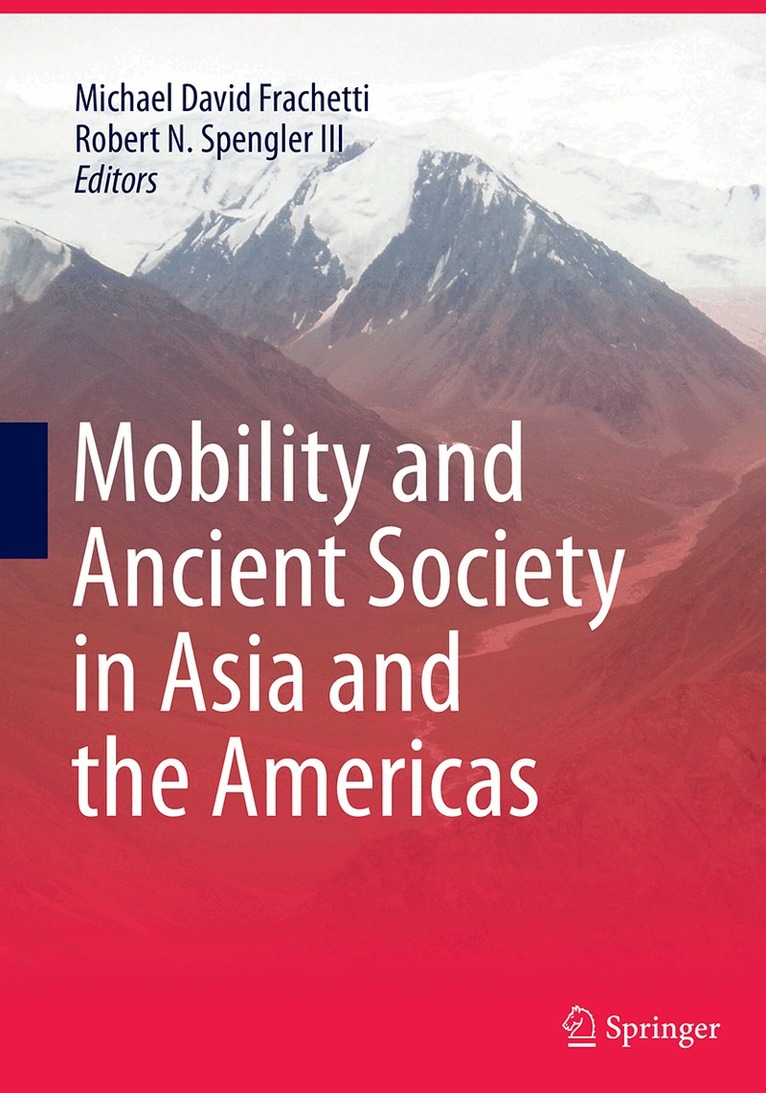
Mobility and Ancient Society in Asia and the Americas
Av Michael David Frachetti, Robert N. Spengler III
Inbunden, 2015
1096 kr
Lägg i varukorg
Mobility and Ancient Society in Asia and the Americas contains contributions by leading international scholars concerning the character, timing, and geography of regional migrations that led to the dispersal of human societies from Inner and northeast Asia to the New World in the Upper Pleistocene …
Fruit from the Sands
The Silk Road Origins of the Foods We Eat
Häftad, 2020
245 kr
Lägg i varukorg
"A comprehensive and entertaining historical and botanical review, providing an enjoyable and cognitive read.”—NatureThe foods we eat have a deep and often surprising past. From almonds and apples to tea and rice, many foods that we consume today have histories that can be traced out of prehistoric …
Nature's Greatest Success
How Plants Evolved to Exploit Humanity
Inbunden, 2025
269 kr
Lägg i varukorg
The 15,000-year story of how grass seduced humanity into being its unwitting labor force—and the science behind it. Domesticated crops were not human creations, and agriculture was not simply invented. As Robert N. Spengler shows, domestication was the result of an evolutionary process in which …
Nature's Greatest Success
How Plants Evolved to Exploit Humanity
E-bok, 2025
437 kr
Lägg i varukorg
The 15,000-year story of how grass seduced humanity into being its unwitting labor force—and the science behind it. Domesticated crops were not human creations, and agriculture was not simply invented. As Robert N. Spengler shows, domestication was the result of an evolutionary process in which …
Fruit from the Sands
The Silk Road Origins of the Foods We Eat
E-bok, 2019
210 kr
Lägg i varukorg
"A comprehensive and entertaining historical and botanical review, providing an enjoyable and cognitive read.”— Nature The foods we eat have a deep and often surprising past. From almonds and apples to tea and rice, many foods that we consume today have histories that can be traced out of …
Mobility and Ancient Society in Asia and the Americas
Av Robert N. Spengler III, Michael David Frachetti
E-bok, 2015
1470 kr
Lägg i varukorg
Mobility and Ancient Society in Asia and the Americas contains contributions by leading international scholars concerning the character, timing, and geography of regional migrations that led to the dispersal of human societies from Inner and northeast Asia to the New World in the Upper Pleistocene …
Mobility and Ancient Society in Asia and the Americas
Av Michael David Frachetti, Robert N. Spengler III
Häftad, 2016
1129 kr
Lägg i varukorg
Mobility and Ancient Society in Asia and the Americas contains contributions by leading international scholars concerning the character, timing, and geography of regional migrations that led to the dispersal of human societies from Inner and northeast Asia to the New World in the Upper Pleistocene …