Robert P. Moreno - Böcker
Visar alla böcker från författaren Robert P. Moreno. Handla med fri frakt och snabb leverans.
3 produkter
3 produkter
656 kr
Skickas inom 10-15 vardagar
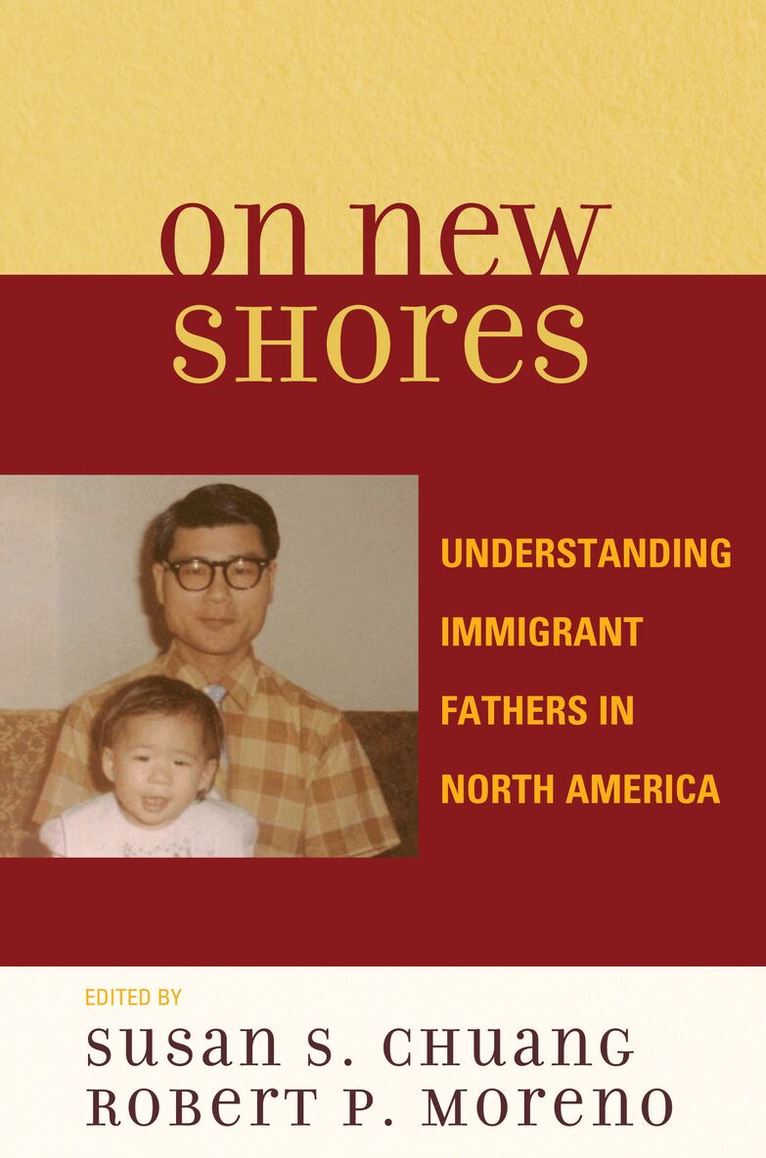
Over the past several decades, researchers as well as social policymakers and educators have acknowledged the importance that fathers play in their children's lives. A good deal of research on fathering has been conducted among Euro-American families in North America. However, our understanding of fathering across various ethnic groups remains limited. Throughout Canada and the United States, the immigrant population has been growing rapidly. Currently, no book has delineated the field of immigrant fathering from a comprehensive and multi-disciplinary perspective which includes theory, research, and social policy. Researchers are widely recognizing that the theoretical frameworks and models of parenting, and more specifically, fathering, that were based on Euro-American families may not be relevant to other ethnic groups. As researchers refine theoretical and methodological approaches to understand fathering within sociocultural contexts, they become more cognizant of the varying meanings of parenting between and within ethnic groups. On New Shores extends the understanding of fathering in ethnic minority families and specifically focuses on immigrant fathers—an area which has remained fairly unchartered. The book provides readers with a richer and more comprehensive approach to how researchers, practitioners, and social policymakers can examine fathering among ethnic minority families.
1 572 kr
Skickas inom 10-15 vardagar
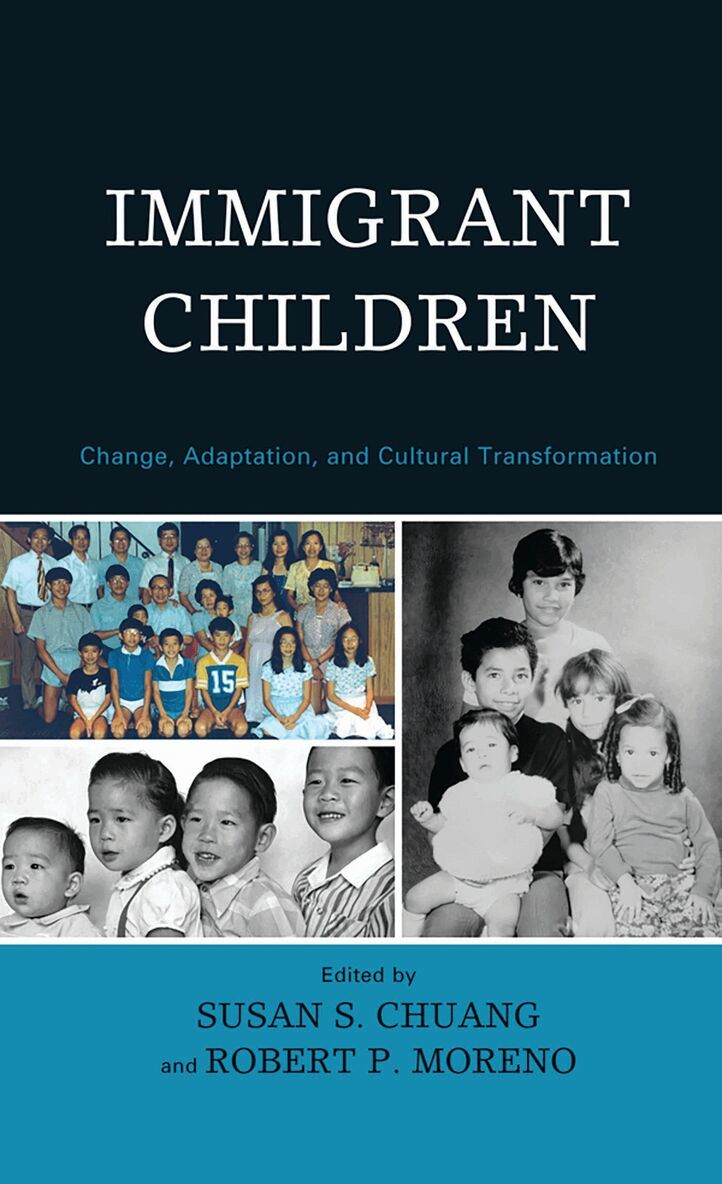
Over the past several decades, the demographic populations of many countries such as Canada as well as the United States have greatly transformed. Most striking is the influx of recent immigrant families into North America. As children lead the way for a "new" North America, this group of children and youth is not a singular homogenous group but rather, a mosaic and diverse ethnic, racial, and cultural group. Thus, our current understanding of "normative development" (covering social, psychological, cognitive, language, academic, and behavioral development), which has been generally based on middle-class Euro-American children, may not necessarily be "optimal" development for all children.Researchers are widely recognizing that the theoretical frameworks and models of child development lack the sociocultural and ethnic sensitivities to the ways in which developmental processes operate in an ecological context. As researchers progress and develop promising forms of methodological innovation to further our understanding of immigrant children, little effort has been placed to collectively organize a group of scholarly work in a coherent manner. Some researchers who examine ethnic minority children tended to have ethnocentric notions of normative development. Thus, some ethnic minority groups are understood within a "deficit model" with a limited scope of topics of interest. Moreover, few researchers have specifically investigated the acculturation process for children and the implications for cultural socialization of children by ethnic group. This book represents a group of leading scholars' cutting-edge research which will not only move our understanding forward but also to open up new possibilities for research, providing innovative methodologies in examining this complex and dynamic group. Immigrant Children: Change, Adaptation, and Cultural Transformation will also take the research lead in guiding our current knowledge of how development is influenced by a variety of sociocultural factors, placing future research in a better position to probe inherent principles of child development. In sum, this book will provide readers with a richer and more comprehensive approach of how researchers, social service providers, and social policymakers can examine children and immigration.
675 kr
Skickas inom 10-15 vardagar
Over the past several decades, the demographic populations of many countries such as Canada as well as the United States have greatly transformed. Most striking is the influx of recent immigrant families into North America. As children lead the way for a "new" North America, this group of children and youth is not a singular homogenous group but rather, a mosaic and diverse ethnic, racial, and cultural group. Thus, our current understanding of "normative development" (covering social, psychological, cognitive, language, academic, and behavioral development), which has been generally based on middle-class Euro-American children, may not necessarily be "optimal" development for all children.Researchers are widely recognizing that the theoretical frameworks and models of child development lack the sociocultural and ethnic sensitivities to the ways in which developmental processes operate in an ecological context. As researchers progress and develop promising forms of methodological innovation to further our understanding of immigrant children, little effort has been placed to collectively organize a group of scholarly work in a coherent manner. Some researchers who examine ethnic minority children tended to have ethnocentric notions of normative development. Thus, some ethnic minority groups are understood within a "deficit model" with a limited scope of topics of interest. Moreover, few researchers have specifically investigated the acculturation process for children and the implications for cultural socialization of children by ethnic group. This book represents a group of leading scholars' cutting-edge research which will not only move our understanding forward but also to open up new possibilities for research, providing innovative methodologies in examining this complex and dynamic group. Immigrant Children: Change, Adaptation, and Cultural Transformation will also take the research lead in guiding our current knowledge of how development is influenced by a variety of sociocultural factors, placing future research in a better position to probe inherent principles of child development. In sum, this book will provide readers with a richer and more comprehensive approach of how researchers, social service providers, and social policymakers can examine children and immigration.