Robert Peal - Böcker
Visar alla böcker från författaren Robert Peal. Handla med fri frakt och snabb leverans.
10 produkter
10 produkter
212 kr
Tillfälligt slut
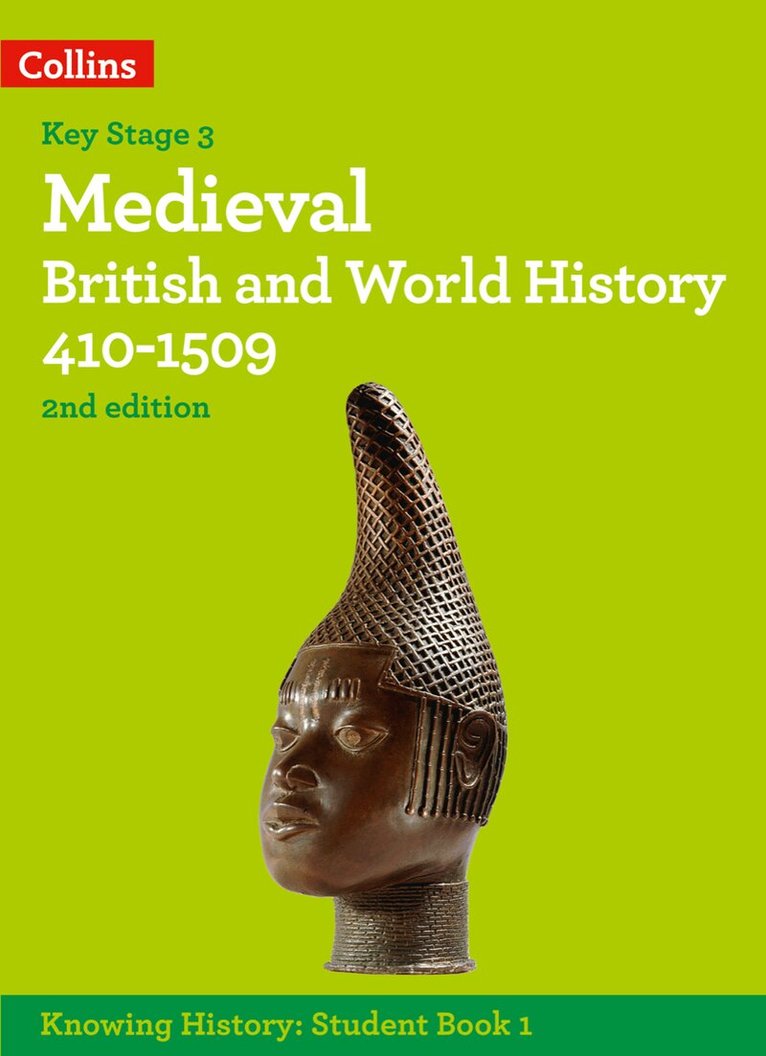
Follow a knowledge-led approach to British history from the arrival of the Anglo-Saxons to the Battle of Bosworth. Perfect for Year 7, embracing the latest KS3 history curriculum, and laying the groundwork for the new history GCSE.Provide a coherent, chronological history course at KS3, which gives all pupils the knowledge to think critically about the past and to analyse evidence. Cover one thousand years of history with the first of four KS3 History textbooks – ideal for Year 7.Discover Anglo-Saxon England, The Norman Conquest, Medieval Life, Medieval Kingship, The Crusades and Late Medieval EnglandDeliver excellent lessons and save time planning with the Teacher Guide available free on Collins.co.uk, containing teaching ideas, suggested sources, assessment, answers, essay titles and extended writing examplesGive pupils the chronological overview in KS3 History that they need to excel at GCSE in the new thematic study and British depth studyIgnite an interest in history through extraordinary people, amazing facts, and a distinctly engaging narrativeHelp all students to think critically about the past by focusing on the knowledge they need and then checking their understandingAid pupil memory with a ‘knowledge organiser’ at the back of each unit with key dates, vocabulary and significant peopleDesigned with 6 units to map onto the school timetable with easeDemonstrate the importance of people and events showing their influence and impact on medieval Britain
85 kr
Skickas
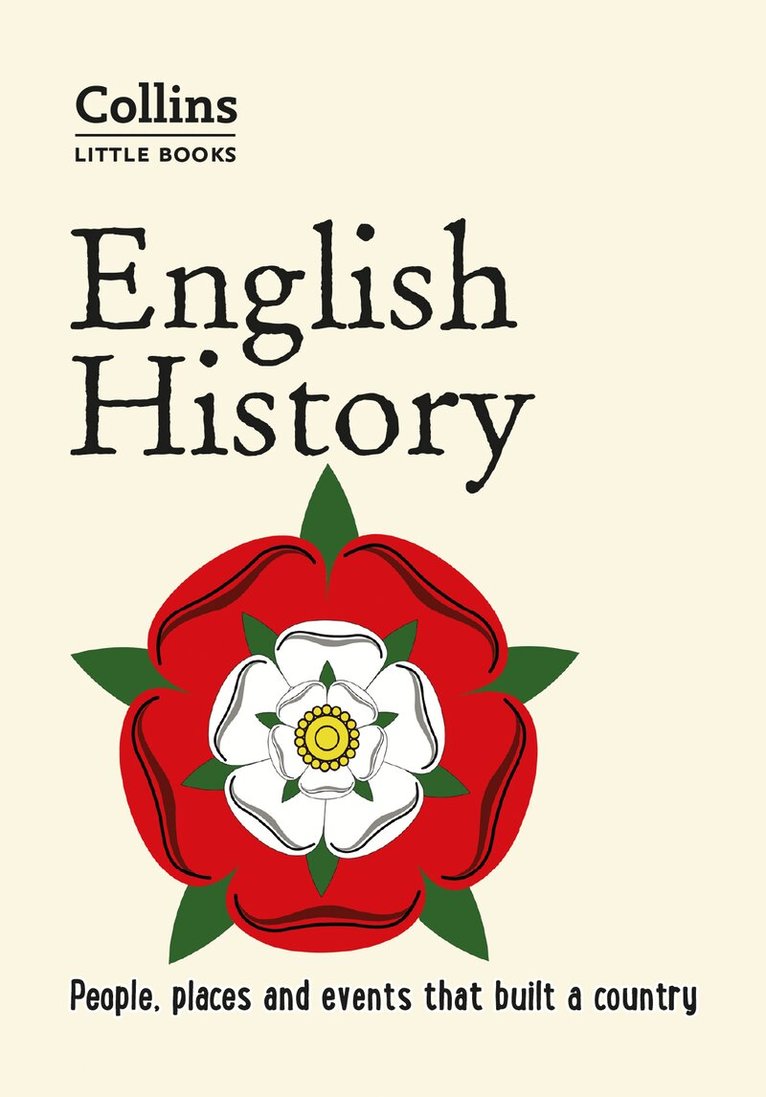
The perfect stocking filler for lovers of English History.A concise guide to key events, people and places in English history and how England has come to be what it is today. From prehistoric England, Stonehenge and the Romans to modern times.Key events, people and places include: The Anglo-Saxons and Vikings1066, Battle of HastingsRichard 1 and The CrusadesHenry VIII, Thomas More, The Spanish Armada, Gunpowder PlotCromwellWorld Wars 1 and 2The NHSThe 1953 CoronationWorld Cup winThe BeatlesMargaret ThatcherPrincess DianaBrexitBeautifully produced, Collins Little Book of English History is a treasure in itself and makes a perfect gift for any visitor to England or enthusiast about its history.
219 kr
Skickas
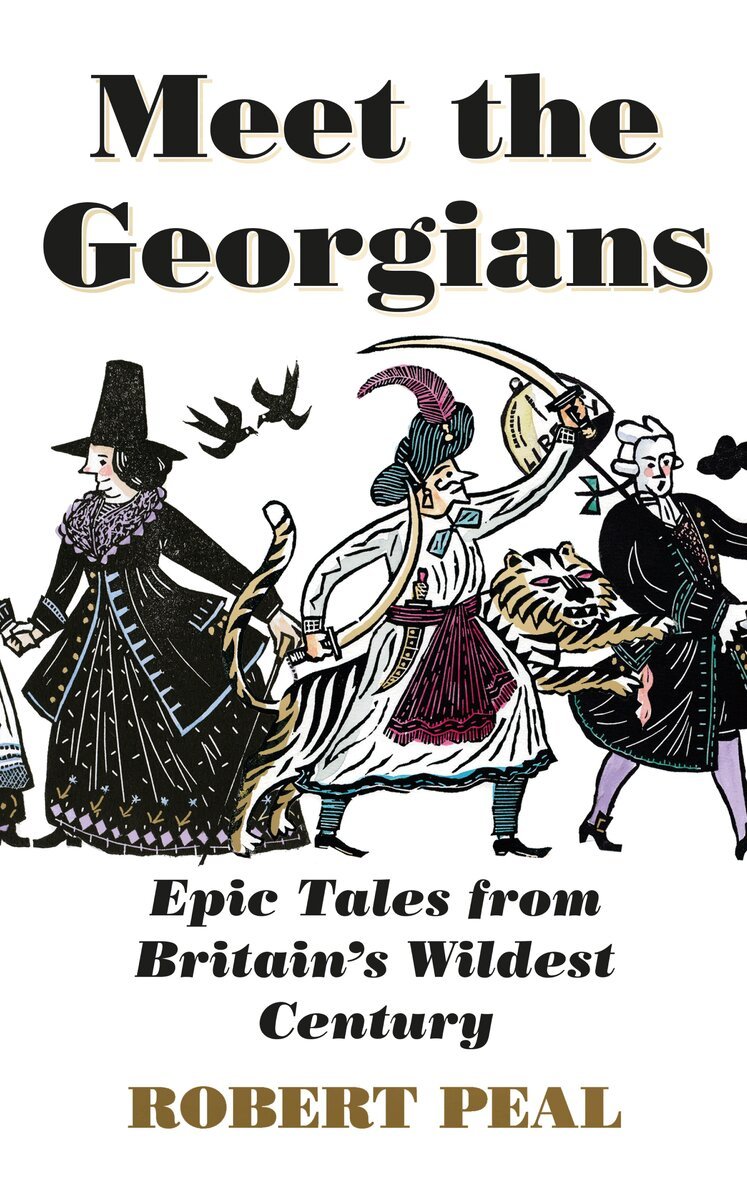
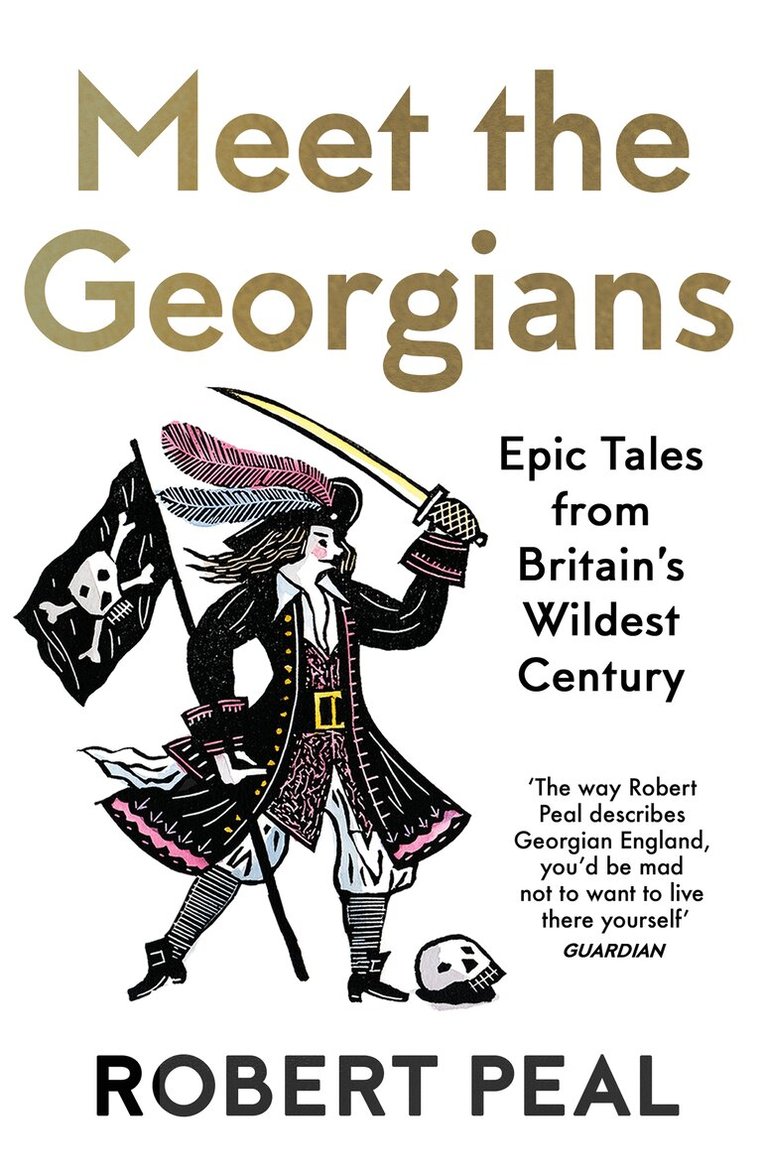
‘The way Robert Peal describes Georgian England, you’d be mad not to want to live there yourself’ GUARDIAN Anne Bonny and Mary Read, pirate queens of the Caribbean Tipu Sultan, the Indian ruler who kept the British at bay Olaudah Equiano, the former slave whose story shocked the world Mary Wollstonecraft, the feminist who fought for women’s rights Ladies of Llangollen, the lovers who built paradise in a Welsh valley ‘Mad, bad and dangerous to know’ is how Lord Byron, the poet who drank wine from a monk’s skull and slept with his half-sister, was described by one of his many lovers. But ‘mad, bad and dangerous’ serves as a good description for the entire Georgian period: often neglected, the hundred or so years between the coronation of George I in 1714 and the death of George IV in 1830 were years when the modern world was formed, and changes came thick and fast.Across this century, new foods – pineapples, coffee and pepper – suddenly became available in the shops. Fashion exploded into a riot of colour, frilly shirts and wigs. Gin was drunk like it was water. Demands for women’s rights were heard, and it became possible to question the existence of God without fear of prompt execution.These exciting new developments came, of course, from the expanding British Empire. Britain’s wealth and its sudden access to chocolate, chillies and spices, was entirely bound up with the conquest of overseas territories and the miserable suffering of enslaved workers.This is the backdrop to Robert Peal’s new book, which introduces the Georgian era through the diverse lives of twelve ‘magnificent – if not moral’ people who defined it.
130 kr
Skickas
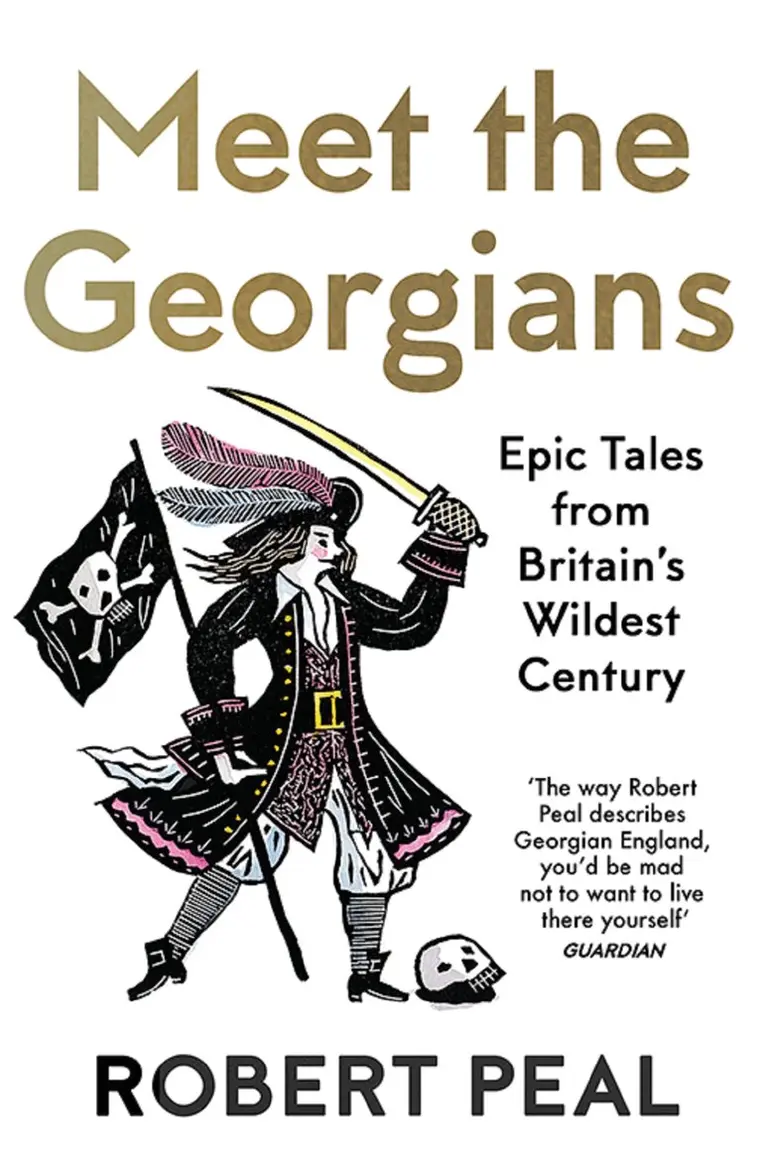
‘The way Robert Peal describes Georgian England, you’d be mad not to want to live there yourself’ GUARDIAN Anne Bonny and Mary Read, pirate queens of the Caribbean Tipu Sultan, the Indian ruler who kept the British at bay Olaudah Equiano, the former slave whose story shocked the world Mary Wollstonecraft, the feminist who fought for women’s rights Ladies of Llangollen, the lovers who built paradise in a Welsh valley ‘Mad, bad and dangerous to know’ is how Lord Byron, the poet who drank wine from a monk’s skull and slept with his half-sister, was described by one of his many lovers. But ‘mad, bad and dangerous’ serves as a good description for the entire Georgian period: often neglected, the hundred or so years between the coronation of George I in 1714 and the death of George IV in 1830 were years when the modern world was formed, and changes came thick and fast.Across this century, new foods – pineapples, coffee and pepper – suddenly became available in the shops. Fashion exploded into a riot of colour, frilly shirts and wigs. Gin was drunk like it was water. Demands for women’s rights were heard, and it became possible to question the existence of God without fear of prompt execution.These exciting new developments came, of course, from the expanding British Empire. Britain’s wealth and its sudden access to chocolate, chillies and spices, was entirely bound up with the conquest of overseas territories and the miserable suffering of enslaved workers.This is the backdrop to Robert Peal’s new book, which introduces the Georgian era through the diverse lives of twelve ‘magnificent – if not moral’ people who defined it.
203 kr
Skickas
Deliver an ambitious, knowledge-rich and global KS3 History curriculum to develop pupils’ knowledge of the past, build their skills and equip them to progress through to GCSE 9-1 History. Provide a coherent chronological KS3 history curriculum with 50 knowledge-rich lessons on medieval world history. Spark pupils’ curiosity, develop their understanding of the past and equip them to investigate the past as a historian. Ignite an interest in medieval history through memorable and compelling narratives, rich contextual detail and extraordinary peopleHelp all students to think critically about the past by focusing on the knowledge they need and then checking their understandingBuild secure positive identities and cultural capital with culturally and geographically diverse coverage including five new global history units for the 2nd editionSupport pupils’ long-term learning with knowledge organisers on key vocabulary, people, places, and datesPut knowledge into context with a full timeline covering the broad geographical scope of the period studiedEasy to implement in your school with the 10 unit/ 5 chapter structure and overarching enquiry question per unitDeliver excellent lessons and save time on your planning with the supportive Teacher Guide available free on collins.co.uk, including suggested activities and sources, quick quizzes, answers and essay ideasUnit 1: Anglo-Saxon EnglandUnit 2: Normal EnglandUnit 3: Medieval LifeUnit 4: Medieval KingshipUnit 5: Late Medieval EnglandUnit 6: The Islamic WorldUnit 7: The CrusadesUnit 8: Medieval African KingdomsUnit 9: Imperial ChinaUnit 10: The Mongols
232 kr
Skickas
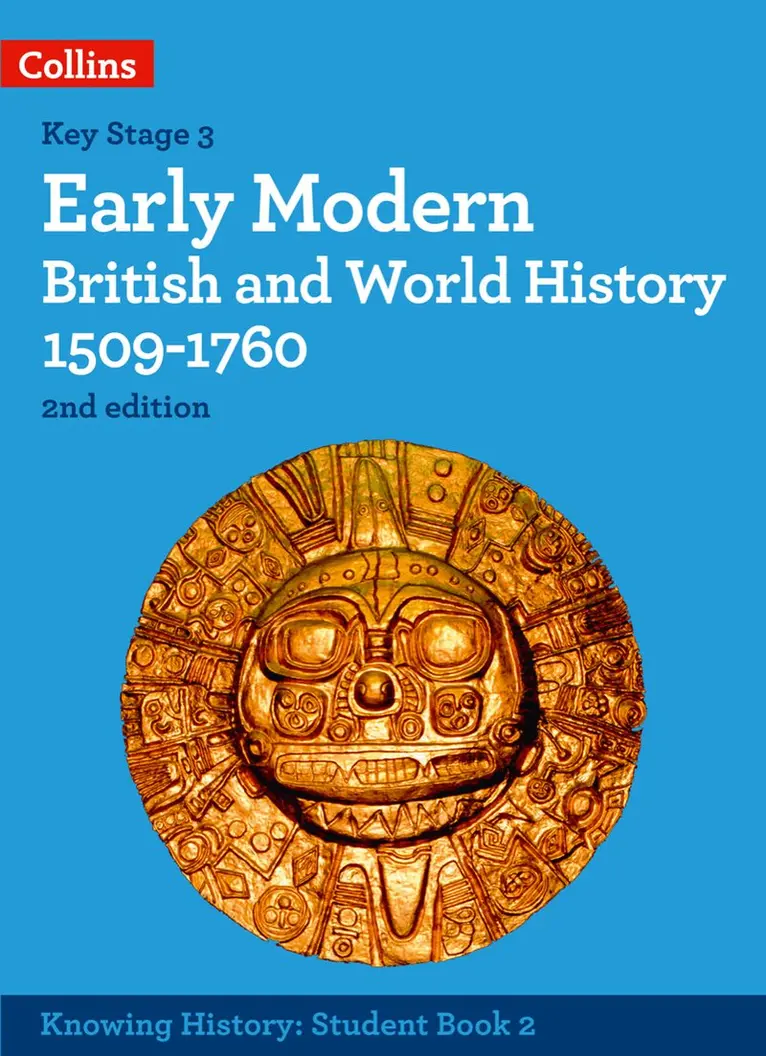
Deliver an ambitious, knowledge-rich and global KS3 History curriculum to develop pupils’ knowledge of the past, build their skills and equip them to progress through to GCSE 9-1 History. Provide a coherent chronological KS3 history curriculum with 50 knowledge-rich lessons on early modern world history. Spark pupils’ curiosity, develop their understanding of the past and equip them to investigate the past as a historian. Ignite an interest in early modern history through memorable and compelling narratives, rich contextual detail and extraordinary peopleHelp all students to think critically about the past by focusing on the knowledge they need and then checking their understandingBuild secure positive identities and cultural capital with culturally and geographically diverse coverage including five new global history units for the 2nd editionSupport pupils’ long-term learning with knowledge organisers on key vocabulary, people, places, and datesPut knowledge into context with a full timeline covering the broad geographical scope of the period studiedEasy to implement in your school with the 10 unit/ 5 chapter structure and overarching enquiry question per unitDeliver excellent lessons and save time on your planning with the supportive Teacher Guide available free on collins.co.uk, including suggested activities and sources, quick quizzes, answers and essay ideasUnit 1: Henry VIII And The ReformationUnit 2: The Later TudorsUnit 3: The English Civil WarUnit 4: Commonwealth and RestorationUnit 5: Georgian BritainUnit 6: Renaissance EuropeUnit 7: The AmericasUnit 8: The Ottoman EmpireUnit 9: Mughal IndiaUnit 10: Edo Japan
232 kr
Skickas
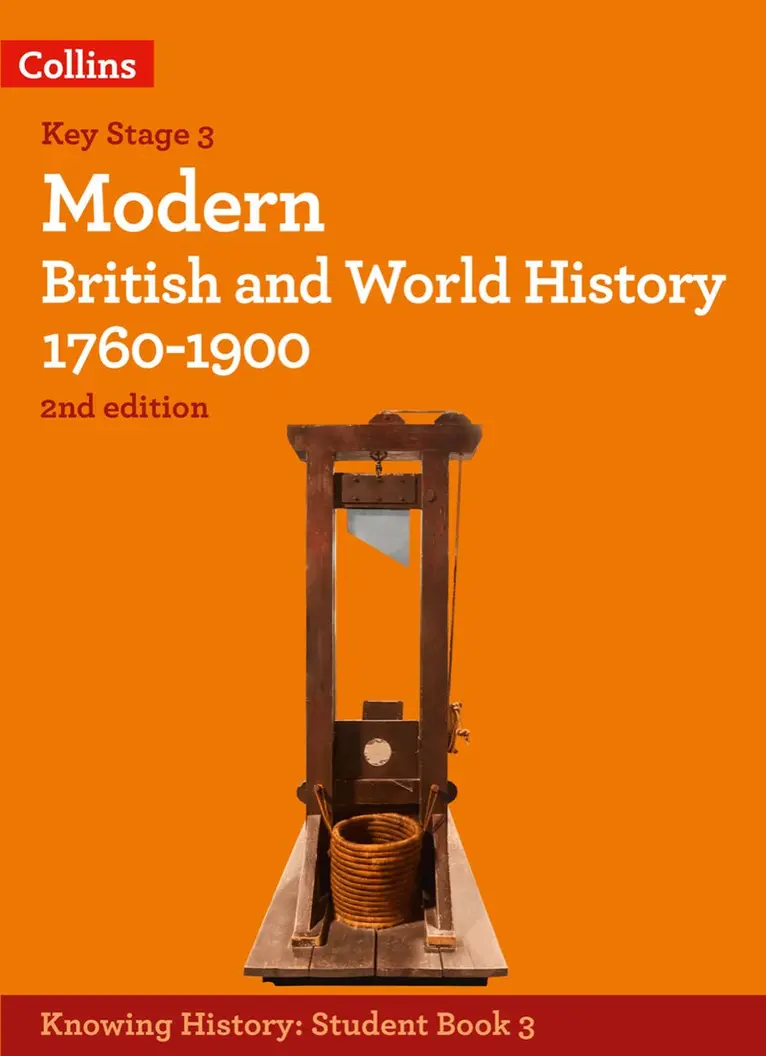
Deliver an ambitious, knowledge-rich and global KS3 History curriculum to develop pupils’ knowledge of the past, build their skills and equip them to progress through to GCSE 9-1 History. Provide a coherent chronological KS3 history curriculum with 50 knowledge-rich lessons on modern world history. Spark pupils’ curiosity, develop their understanding of the past and equip them to investigate the past as a historian. Ignite an interest in modern history through memorable and compelling narratives, rich contextual detail and extraordinary peopleHelp all students to think critically about the past by focusing on the knowledge they need and then checking their understandingBuild secure positive identities and cultural capital with culturally and geographically diverse coverage including five new global history units for the 2nd editionSupport pupils’ long-term learning with knowledge organisers on key vocabulary, people, places, and datesPut knowledge into context with a full timeline covering the broad geographical scope of the period studiedEasy to implement in your school with the 10 unit/ 5 chapter structure and overarching enquiry question per unitDeliver excellent lessons and save time on your planning with the supportive Teacher Guide available free on collins.co.uk, including suggested activities and sources, quick quizzes, answers and essay ideasUnit 1: The British EmpireUnit 2: The Transatlantic trade of enslaved peopleUnit 3: The Industrial RevolutionUnit 4: The Age of ReformUnit 5: The Victorian EmpireUnit 6: Birth of the USAUnit 7: The French RevolutionUnit 8: Nineteenth-century EuropeUnit 9: Qing ChinaUnit 10: Global Imperialism
232 kr
Skickas
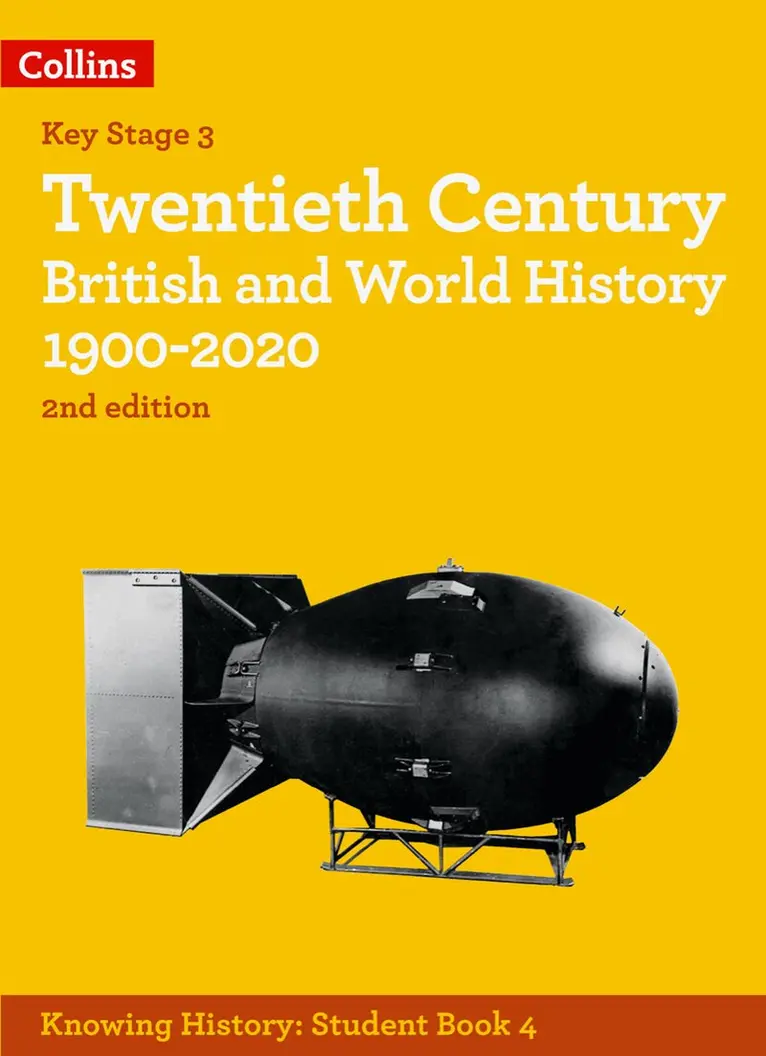
Deliver an ambitious, knowledge-rich and global KS3 History curriculum to develop pupils’ knowledge of the past, build their skills and equip them to progress through to GCSE 9-1 History. Provide a coherent chronological KS3 history curriculum with 50 knowledge-rich lessons on twentieth century world history. Spark pupils’ curiosity, develop their understanding of the past and equip them to investigate the past as a historian. Ignite an interest in twentieth century history through memorable and compelling narratives, rich contextual detail and extraordinary peopleHelp all students to think critically about the past by focusing on the knowledge they need and then checking their understandingBuild secure positive identities and cultural capital with culturally and geographically diverse coverage including five new global history units for the 2nd editionSupport pupils’ long-term learning with knowledge organisers on key vocabulary, people, places, and datesPut knowledge into context with a full timeline covering the broad geographical scope of the period studiedEasy to implement in your school with the 10 unit/ 5 chapter structure and overarching enquiry question per unitDeliver excellent lessons and save time on your planning with the supportive Teacher Guide available free on collins.co.uk, including suggested activities and sources, quick quizzes, answers and essay ideasUnit 1: The First World WarUnit 2: The USSRUnit 3: Germany and the NazisUnit 4: The Second World WarUnit 5: Wartime BritainUnit 6: Modern ChinaUnit 7: The Cold WarUnit 8: Civil Rights in the USAUnit 9: DecolonisationUnit 10: Postwar Britain
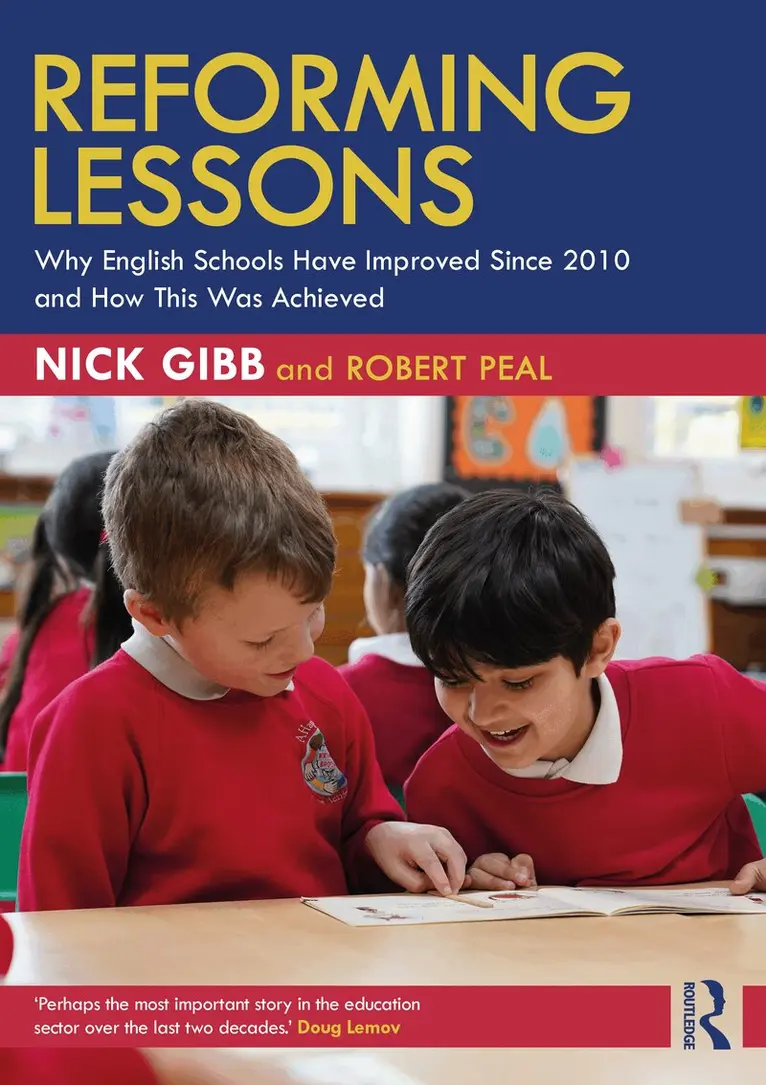
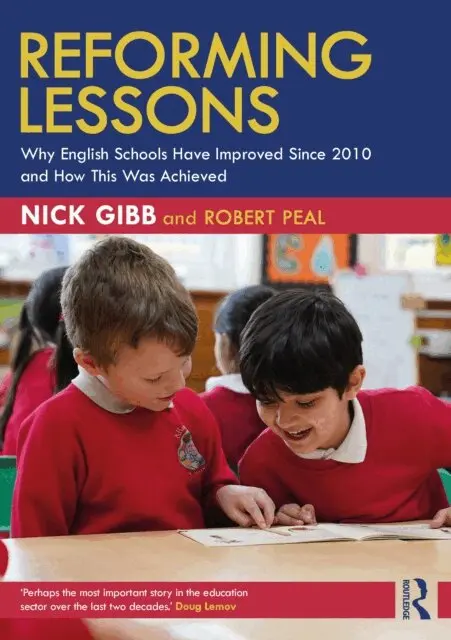
Reforming Lessons: Why English Schools Have Improved Since 2010 and How This Was Achieved
Häftad, Engelska, 2025
268 kr
Skickas inom 7-10 vardagar
Reforming Lessons provides a first-hand account of the ambitious programme of reform that has led to a transformation in English schools since 2010 and seen pupils rise through the ranks of international comparison tests such as PIRLS and PISA.Co-authored by former Schools Minister Nick Gibb and Headteacher Robert Peal, the book explores the key principles behind the reforms and reveals the impact they had on school leadership, accountability, teaching methods, curriculum design, and pupil behaviour. Addressing the long legacy of ‘progressive’ approaches to teaching in English schools, and the development of evidence-led alternatives, the book shows that approaches to education such as 'warm-strict', 'teacher-led instruction', and 'knowledge-rich curriculum' have been simultaneously both controversial and hugely successful. Chapters cover:Reforms to the primary curriculum—phonics and mathematical masteryThe return of rigour in the secondary curriculumSchool structures—academies and free schoolsAcademic standardsGrassroot reformsChanges to teacher training and the introduction of the Early Career FrameworkProviding a fascinating insight into the major reforms that have shaped England’s school system and the drivers behind them, this is essential reading for anyone working in the education sector, policy-makers, and those interested in education reform.
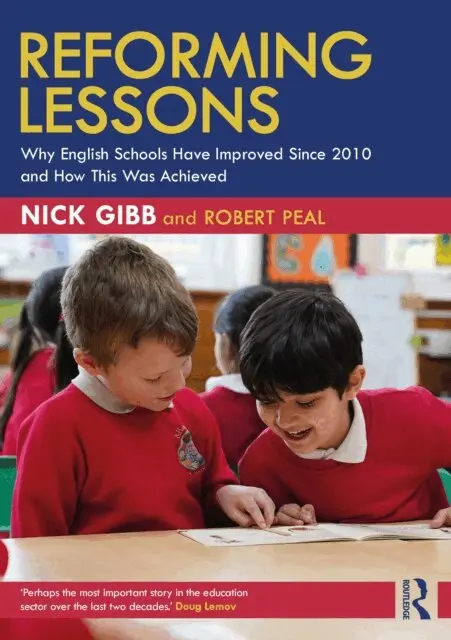
Reforming Lessons: Why English Schools Have Improved Since 2010 and How This Was Achieved
Inbunden, Engelska, 2025
1 847 kr
Skickas inom 10-15 vardagar
Reforming Lessons provides a first-hand account of the ambitious programme of reform that has led to a transformation in English schools since 2010 and seen pupils rise through the ranks of international comparison tests such as PIRLS and PISA.Co-authored by former Schools Minister Nick Gibb and Headteacher Robert Peal, the book explores the key principles behind the reforms and reveals the impact they had on school leadership, accountability, teaching methods, curriculum design, and pupil behaviour. Addressing the long legacy of ‘progressive’ approaches to teaching in English schools, and the development of evidence-led alternatives, the book shows that approaches to education such as 'warm-strict', 'teacher-led instruction', and 'knowledge-rich curriculum' have been simultaneously both controversial and hugely successful. Chapters cover:Reforms to the primary curriculum—phonics and mathematical masteryThe return of rigour in the secondary curriculumSchool structures—academies and free schoolsAcademic standardsGrassroot reformsChanges to teacher training and the introduction of the Early Career FrameworkProviding a fascinating insight into the major reforms that have shaped England’s school system and the drivers behind them, this is essential reading for anyone working in the education sector, policy-makers, and those interested in education reform.