Robert S. Burrell – författare
Visar alla böcker från författaren Robert S. Burrell. Handla med fri frakt och snabb leverans.
2 produkter
2 produkter
258 kr
Skickas inom 10-15 vardagar
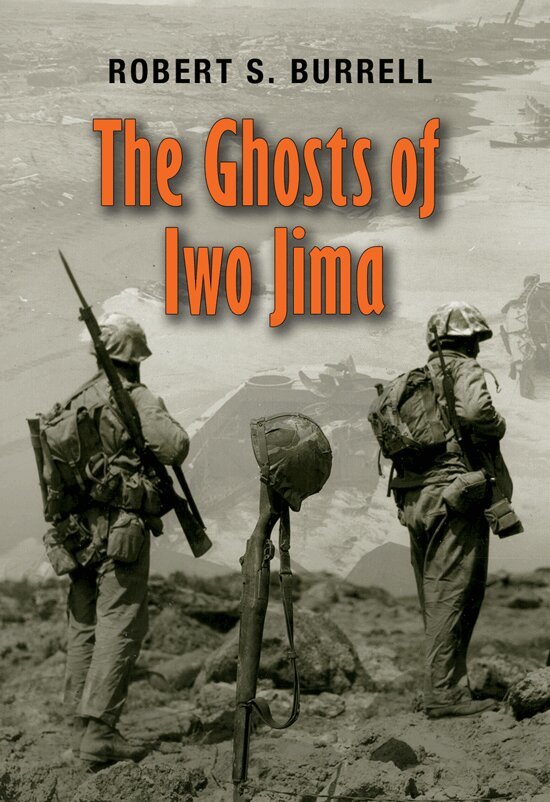
In February 1945, some 80,000 U.S. Marines attacked the heavily defended fortress that the Japanese had constructed on the tiny Pacific island of Iwo Jima. Leaders of the Army Air Forces said they needed the airfields there to provide fighter escort for their B-29 bombers. At the cost of 28,000 American casualties, the 3rd, 4th, and 5th Marine Divisions dutifully conquered this desolate piece of hell with a determination and sacrifice that have become legendary in the annals of war, immortalized in the photograph of six Marines raising the American flag on Mount Suribachi.But the Army Air Forces' fighter operations on Iwo Jima subsequently proved both unproductive and unnecessary. After the fact, a number of other justifications were generated to rationalize this tragically expensive battle. Ultimately, misleading statistics were presented to contend that the number of lives saved by B-29 emergency landings on Iwo Jima outweighed the cost of its capture.In The Ghosts of Iwo Jima, Captain Robert S. Burrell masterfully reconsiders the costs of taking Iwo Jima and its role in the war effort. His thought-provoking analysis also highlights the greater contribution of Iwo Jima's valiant dead: They inspired a reverence for the Marine Corps that proved critical to its institutional survival and its embodiment of American national spirit. From the 7th War Loan Campaign of 1945 through the flag-raising at Ground Zero in 2001, the immortal image of Iwo Jima has become a symbol of American patriotism itself.Burrell's searching account of this fabled island conflict will advance our understanding of World War II and its continuing legacy for the twenty-first century. At last, the battle's ghosts may unveil its ultimate, and most crucial, lessons.
551 kr
Kommande
Guerrilla warfare in the Philippines—shaped by centuries of resistance tactics against occupational powers—produced surprising yet often underappreciated strength during World War II. Insurgency groups bolstered by Allied support were crucial to Japan's defeat. Although most resistance movements in the Pacific Theater were not largely documented, the offer of US veteran status to Filipino guerrillas allowed the US Army to collect primary evidence through veteran applications. In Philippine Resistance Against Japan in World War II, Robert S. Burrell consults less-referenced archives and other sources to provide historical context on how Philippine resistance became so pervasive and successful, examines US support to the resistance throughout the islands, and fills in the historical record concerning Japan's counterinsurgency efforts.Burrell offers a deep analysis on five distinct Philippine resistance movements during World War II: President Quezon's Own Guerrillas, Luzon Guerrilla Army Forces, Free Panay Guerilla Forces, the Hukbalahap Army, and the Mindanao Guerrilla Resistance Movement. He delineates how centuries of conflict and resistance shaped a unique Philippine resistance ethos, leading to the emergence of hundreds of guerrilla groups from various ethnic and linguistic backgrounds. Burrell also draws parallels between these historical movements and modern strategies, noting how support to resistance movements has rarely been implemented in US war planning.As global conflicts increasingly feature guerilla and insurrectionist tactics, Philippine Resistance Against Japan in World War II lends itself to timely discussions examining strategical and tactical adaptations in the evolving geo-military landscape. Scholars and general readers alike will advance their understanding of resistance methods in warfare and how to counter such tactics when national interests demand it.