Robert Sharlet – författare
Visar alla böcker från författaren Robert Sharlet. Handla med fri frakt och snabb leverans.
9 produkter
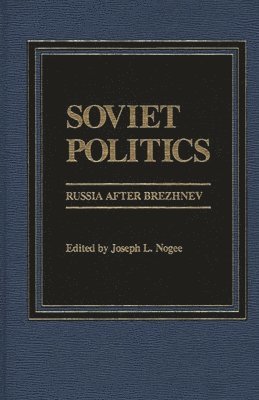
Soviet Politics
Russia after Brezhnev
Av George Breslauer, Robert H. Donaldson m. fl.
Inbunden, 1985
1096 kr
Lägg i varukorg
The Soviet Union, currently undergoing a period of transition, is faced with the need to overcome chronic problems both domestic and abroad that have been developing for many years. Wide-ranging and up-to-date, Soviet Politics takes a close look at all the major aspects of Soviet political life in …
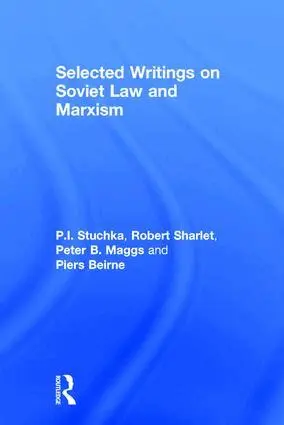
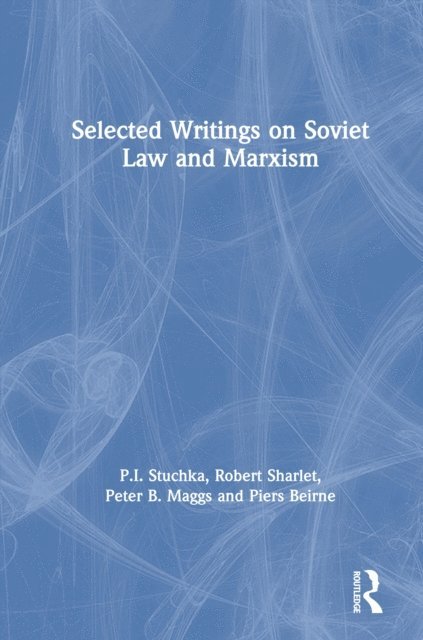
Selected Writings on Soviet Law and Marxism
Av P.I. Stuchka, Robert Sharlet m. fl.
Inbunden, 1988
2315 kr
Lägg i varukorg
The Latvian-born legal theorist P.I. Stuchka (1865-1932), generally recognized as one of the principal architects of modern Soviet legal theory and the Soviet legal system itself, was a prodigious author and editor. Twenty essays by Stuchka written between 1917 and 1931 were selected for translation
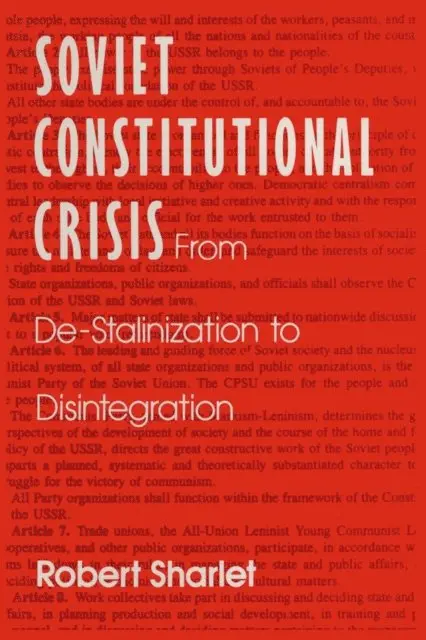
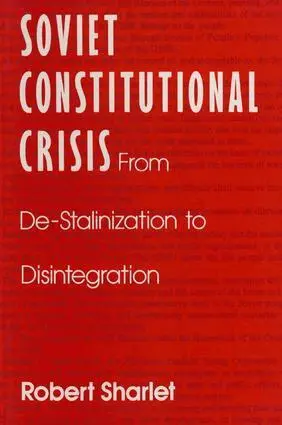
Soviet Constitutional Crisis
E-bok, 2016
553 kr
Lägg i varukorg
Moving from the adoption of the "post-Stalin" Constitution of 1977 through its subsequent implementation under Brezhnev, Andropov, and Chernenko to the radical legal "restructuring" of the Gorbachev years, Robert Sharlet traces the gradual evolution of a nascent constitutionalism in the erstwhile …
Soviet Constitutional Crisis
E-bok, 2016
541 kr
Lägg i varukorg
Moving from the adoption of the "post-Stalin" Constitution of 1977 through its subsequent implementation under Brezhnev, Andropov, and Chernenko to the radical legal "restructuring" of the Gorbachev years, Robert Sharlet traces the gradual evolution of a nascent constitutionalism in the erstwhile …
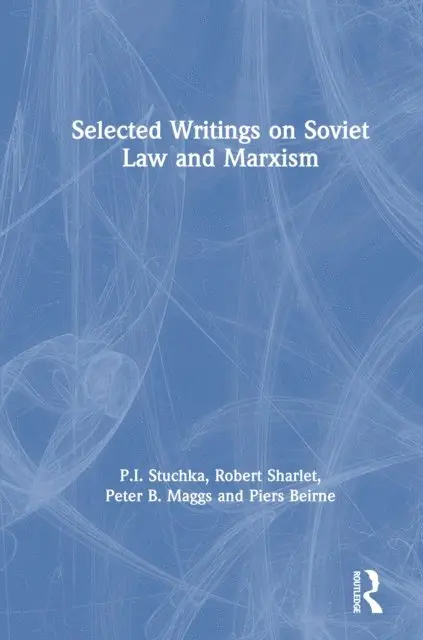
Selected Writings on Soviet Law and Marxism
Av Piers Beirne, Peter B. Maggs m. fl.
E-bok, 2019
940 kr
Lägg i varukorg
The Latvian-born legal theorist P.I. Stuchka (1865-1932), generally recognized as one of the principal architects of modern Soviet legal theory and the Soviet legal system itself, was a prodigious author and editor. Twenty essays by Stuchka written between 1917 and 1931 were selected for translation
Selected Writings on Soviet Law and Marxism
Av Piers Beirne, Peter B. Maggs m. fl.
E-bok, 2019
940 kr
Lägg i varukorg
The Latvian-born legal theorist P.I. Stuchka (1865-1932), generally recognized as one of the principal architects of modern Soviet legal theory and the Soviet legal system itself, was a prodigious author and editor. Twenty essays by Stuchka written between 1917 and 1931 were selected for translation
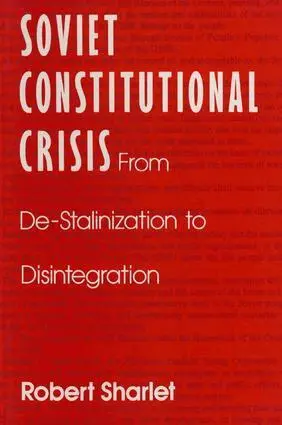
Soviet Constitutional Crisis
Inbunden, 1992
1520 kr
Lägg i varukorg
Moving from the adoption of the "post-Stalin" Constitution of 1977 through its subsequent implementation under Brezhnev, Andropov, and Chernenko to the radical legal "restructuring" of the Gorbachev years, Robert Sharlet traces the gradual evolution of a nascent constitutionalism in the erstwhile …
Soviet Constitutional Crisis
Häftad, 1992
459 kr
Lägg i varukorg
Moving from the adoption of the "post-Stalin" Constitution of 1977 through its subsequent implementation under Brezhnev, Andropov, and Chernenko to the radical legal "restructuring" of the Gorbachev years, Robert Sharlet traces the gradual evolution of a nascent constitutionalism in the erstwhile …
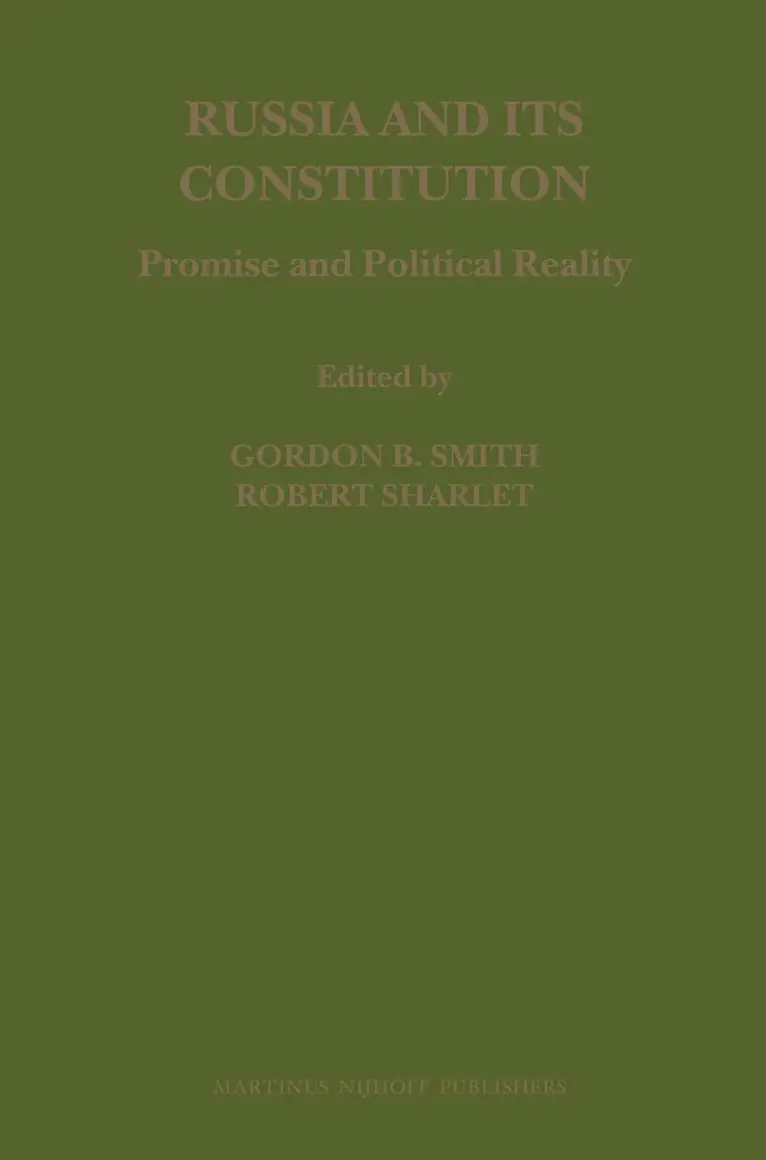
Russia and its Constitution
Promise and Political Reality
Av Robert Sharlet, Gordon Smith
Inbunden, 2007
3108 kr
Lägg i varukorg
The Constitution of the Russian Federation was ratified in 1993 amid great hopes and aspirations following the collapse of the USSR. The constitution proclaims the goal of establishing a “democratic, federal state” that functions according to rule of law and promises a broad array of social, …