Robert Templer – författare
Visar alla böcker från författaren Robert Templer. Handla med fri frakt och snabb leverans.
3 produkter
3 produkter
314 kr
Skickas inom 3-6 vardagar
152 kr
Skickas
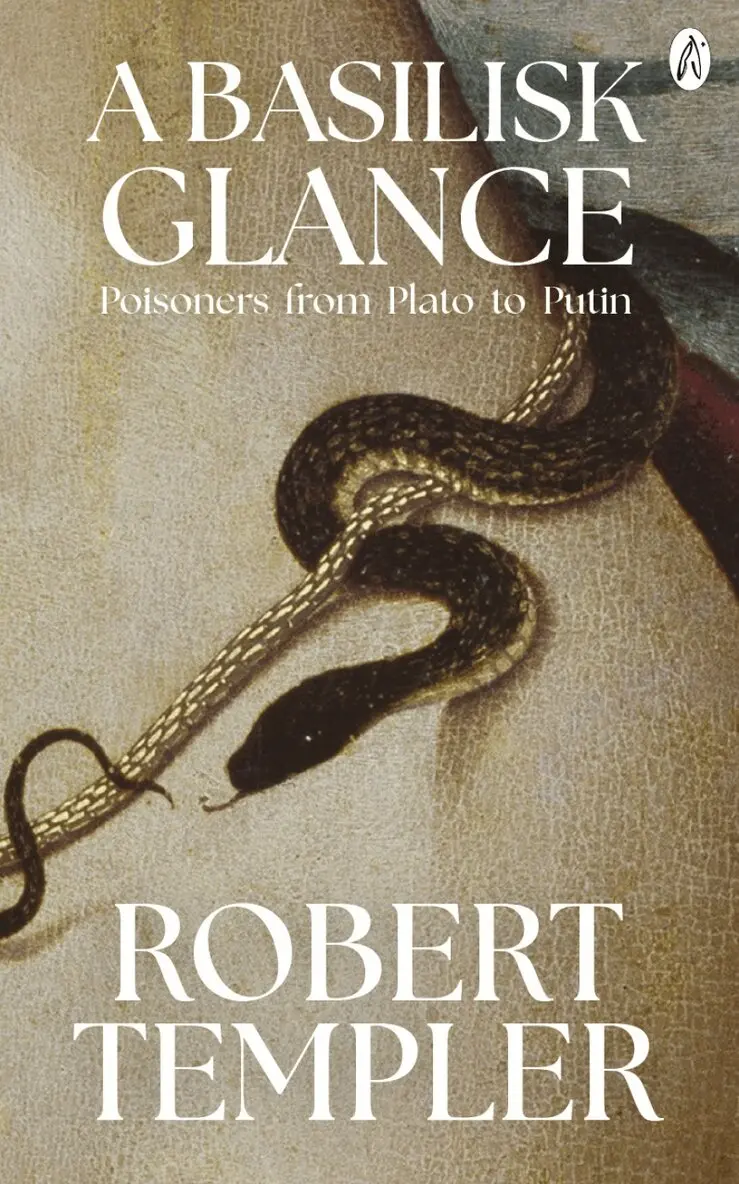
Poison - invisible, unknown, hard to detect and deadly - taps into hard-wired anxieties about the risks of the world around us. From ancient times to the modern age, it has always created more fear than any other threats. In A Basilisk Glance: Poisoners from Plato to Putin, author Robert Templer takes us through the dark maze of poison. He traces its path from when Hercules dipped his arrows in the blood from the severed head of the Hydra to the use of chemical weapons in the Iran-Iraq War in 1980s, from the death of Socrates to the use of toxins as a weapon of assassination, from the mass suicide of Jonestown in 1979 to the sarin attack in the Tokyo metro system. Today, as the war in Ukraine rages, we are reminded of the use of radioactive and nerve weapons by Russian President Vladimir Putin to kill his opponents. His targets - like other victims of poison through the ages - know that they are never safe; a cup of tea, a door handle or even their own underwear might be tainted with a deadly toxin. In this panoramic survey, Templer also shows how history is littered with the bodies of those killed for poisoning or being seen as poisonous. Pogroms against Jews, the burning of witches and the murder of slaves are extreme expressions of the fear that came from the lack of understanding of the risks of poison. A Basilisk Glance brings together scientific, cultural and social history to explore the meaning of poison through the ages. It examines how this fear - real and imagined - took hold, how it has maintained a grip on everyone from the most powerful figures of history to the poorest on the planet, and how it persists today.
266 kr
Skickas inom 7-10 vardagar
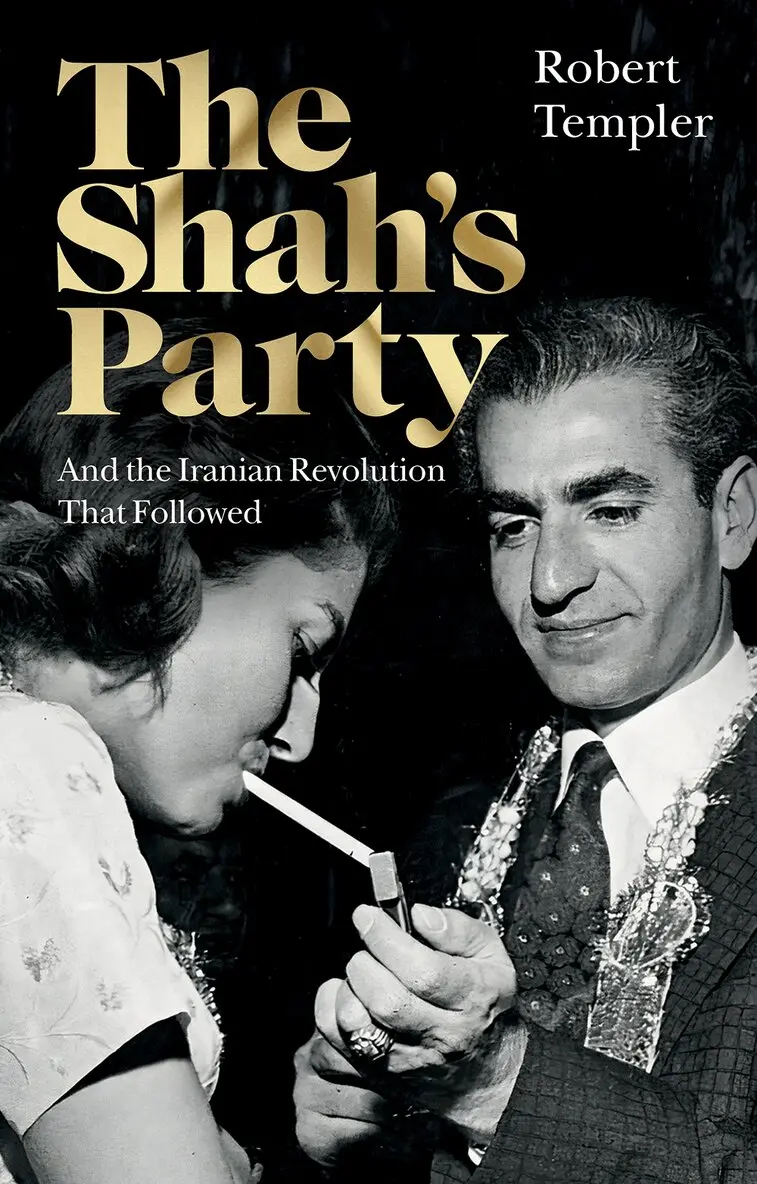
In 1971, the Shah of Iran threw what was declared the Party of the Century. Before it was over, it had been written off as a disaster and helped to precipitate his downfall.The Shah’s Party colourfully captures Iran’s oil-rich boom years. In 1971, eight years before the dynasty fell, Shah Mohammad Reza Pahlavi and his glamorous wife, Farah Diba, hosted one of the largest gatherings of world leaders ever, celebrating the 2,500th anniversary of the Persian monarchy. But this stranger-than-fiction event, staged in a tented city by the ancient ruins of Persepolis, came amidst a rise in leftist agitation and a turn towards political Islam.Ruhollah Khomeini, an exiled mullah, began a relentless campaign against the Shah. A skilled populist, Khomeini tapped into growing inequalities and resentments to push his theocratic vision, particularly among those who had left the countryside in search of work. The Shah’s autocratic style played poorly in a world increasingly concerned with human rights.The Persepolis party became a symbol of Iran’s regime, allowing the Shah’s critics to portray him as repressive and out of touch with the struggles of ordinary people. Khomeini’s novel religious populism and his mastery of messaging steamrollered the Shah; he left it too late to move towards democracy, losing the support of his army, his people and his allies. In 1971, trickles of dissent started to build into a revolutionary torrent that, within a decade, would end the dynasty.