Robert Tobin - Böcker
Visar alla böcker från författaren Robert Tobin. Handla med fri frakt och snabb leverans.
3 produkter
3 produkter
386 kr
Skickas inom 5-8 vardagar
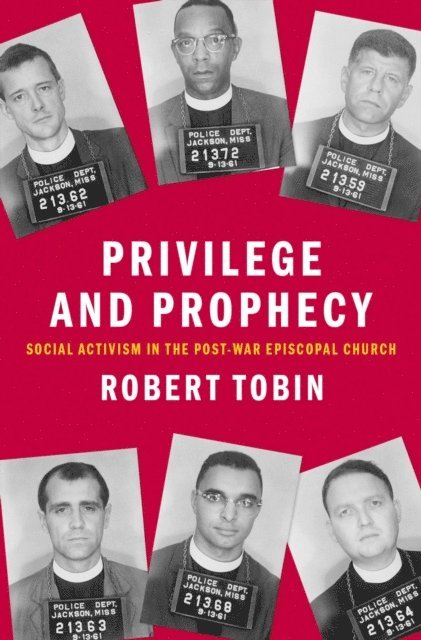
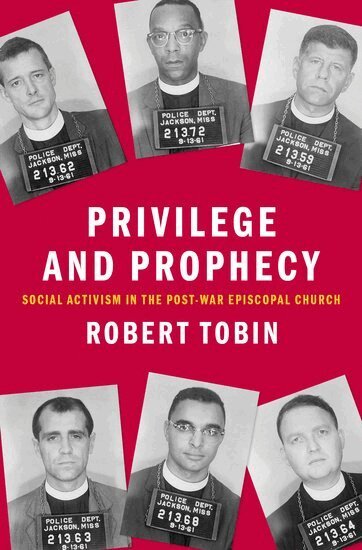
The Episcopal Church has long been regarded as the religion of choice among America's ruling elite, helping to set the tone for the moral and social life of the nation during the twentieth century. Shaped by their experiences of the Great Depression and World War II, a new generation of Episcopal leaders emerged after 1945, eager to place their church in the vanguard of social reform and reconciliation. These liberal activists came to dominate the church's national structures during the 1960s and shaped its response to the civil rights and anti-war movements. They sought to reposition the Episcopal Church as a catalyst for progressive change. Even so, these leaders routinely neglected black, female, and working-class Episcopalians, even as they espoused the causes of equality and liberation in the wider society. This study focuses on forms of social activism and theological innovation pursued by members of the war generation. Attending to the development of such activities among the WASP elite provides crucial insight into their underlying assumptions about social and theological authority and helps explain their ambivalent response to the challenges faced in the 1960s and 1970s. Drawing upon extensive archival research, this book not only offers a group portrait of Episcopalianism's leading post-war figures but documents the ways in which their individual pursuits influenced the direction of the church as a whole.
1 688 kr
Skickas inom 5-8 vardagar
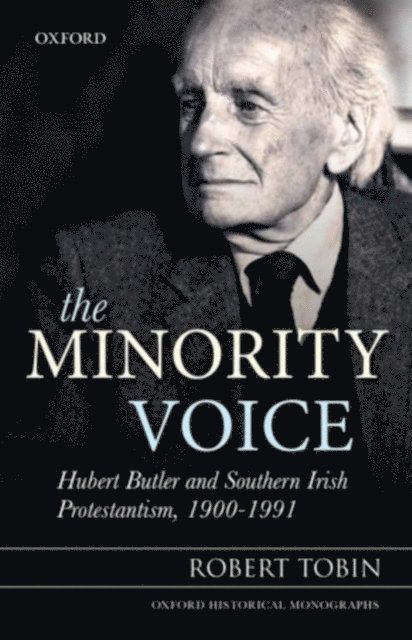
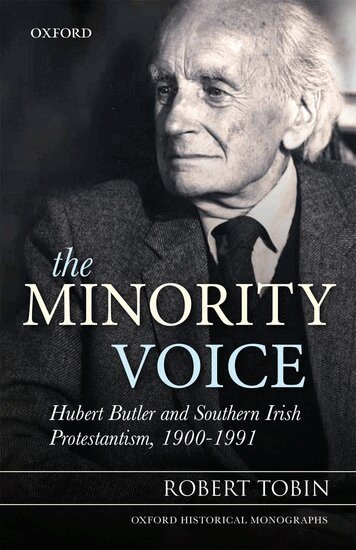
'How do such people, with brilliant members and dull ones, fare when they pass from being a dominant minority to being a powerless one?' So asked the Kilkenny man-of-letters Hubert Butler (1900-1991) when considering the fate of Southern Protestants after Irish Independence. As both a product and critic of this culture, Butler posed the question repeatedly, refusing to accept as inevitable the marginalization of his community within the newly established state. Inspired by the example of the Revivalist generation, he challenged his compatriots to approach modern Irish identity in terms complementary rather than exclusivist. In the process of doing so, he produced a corpus of literary essays European in stature, informed by extensive travel, deep reading, and an active engagement with the political and social upheavals of his age. His insistence on the necessity of Protestant participation in Irish life, coupled with his challenges to received Catholic opinion, made him a contentious figure on both sides of the sectarian divide. This study addresses not only Butler's remarkable personal career, but also some of the larger themes to which he consistently drew attention: the need to balance Irish cosmopolitanism with local relationships; to address the compromises of the Second World War and the hypocrisies of the Cold War; to promote a society in which constructive dissent might not just be tolerated but valued. As a result, by the end of his life, Butler came to be recognised as a forerunner of the more tolerant and expansive Ireland of today.
806 kr
Skickas inom 10-15 vardagar
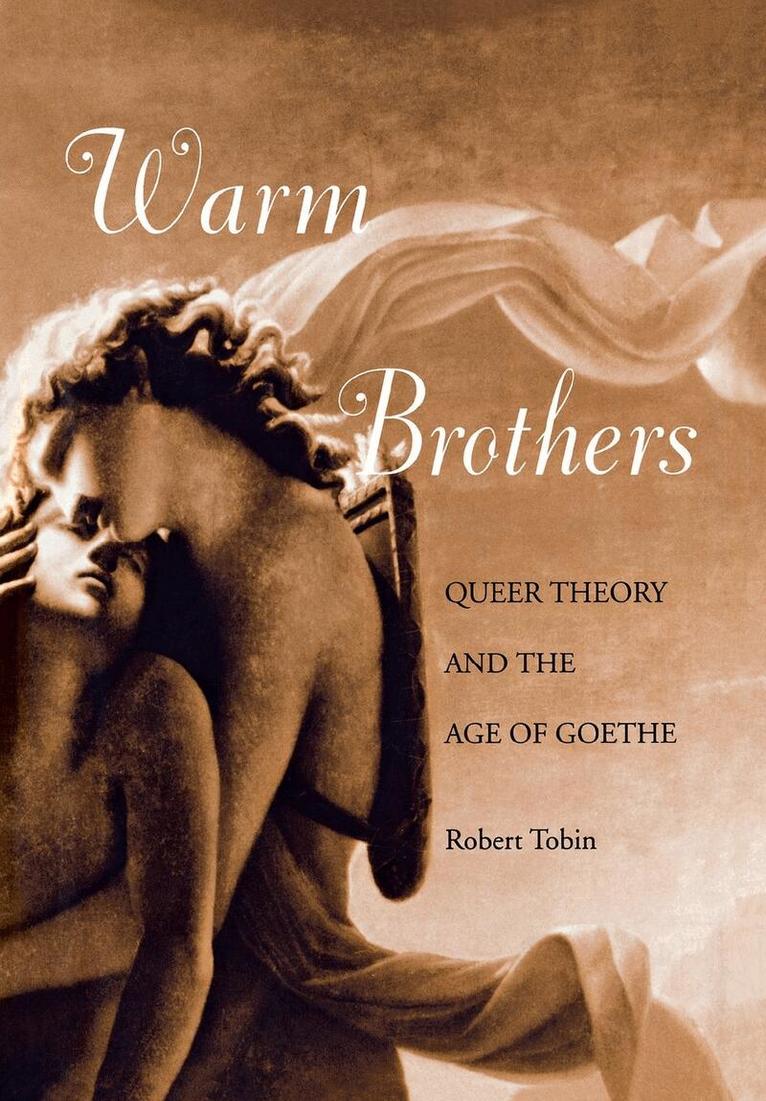
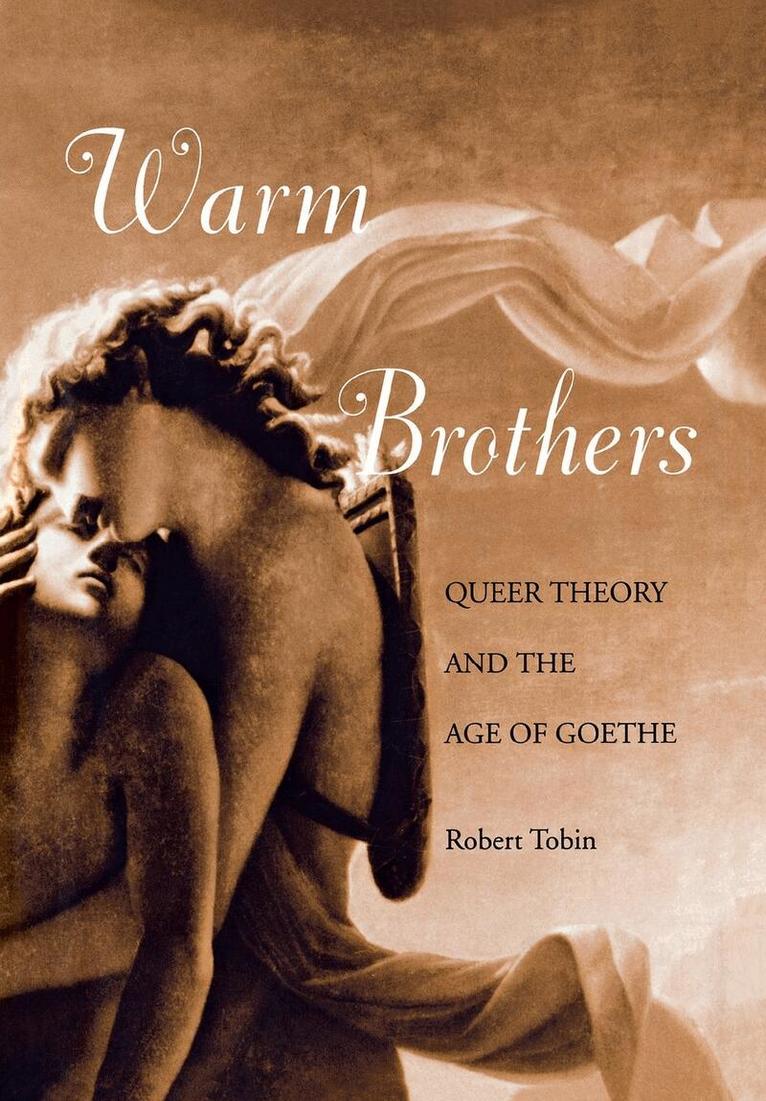
In eighteenth-century Germany, the aesthetician Friedrich Wilhelm Basileus Ramdohr could write of the phenomenon of men who evoke sexual desire in other men; Johann Joachim Winckelmann could place admiration of male beauty at the center of his art criticism; and admirers and detractors alike of Frederick the Great, King of Prussia, felt constrained to comment upon the ruler's obvious preference for men over women. In German cities of the period, men identified as "warm brothers" wore broad pigtails powdered in the back, and developed a particular discourse of friendship, classicism, Orientalism, and fashion.There is much evidence, Robert D. Tobin contends, that something was happening in the semantic field around male-male desire in late eighteenth-century Germany, and that certain signs were coalescing around "a queer proto-identity." Today, we might consider a canonical author of the period such as Jean Paul a homosexual; we would probably not so identify Goethe or Schiller. But for Tobin, queer subtexts are found in the writings of all three and many others.Warm Brothers analyzes classical German writers through the lens of queer theory. Beginning with sodomitical subcultures in eighteenth-century Germany, it examines the traces of an emergent homosexuality and shows the importance of the eighteenth century for the nineteenth-century sexologists who were to provide the framework for modern conceptualizations of sexuality. One of the first books to document male-male desire in eighteenth-century German literature and culture, Warm Brothers offers a much-needed reappraisal of the classical canon and the history of sexuality.