Robert W. D. Boyce – författare
Visar alla böcker från författaren Robert W. D. Boyce. Handla med fri frakt och snabb leverans.
2 produkter
2 produkter
557 kr
Skickas inom 10-15 vardagar
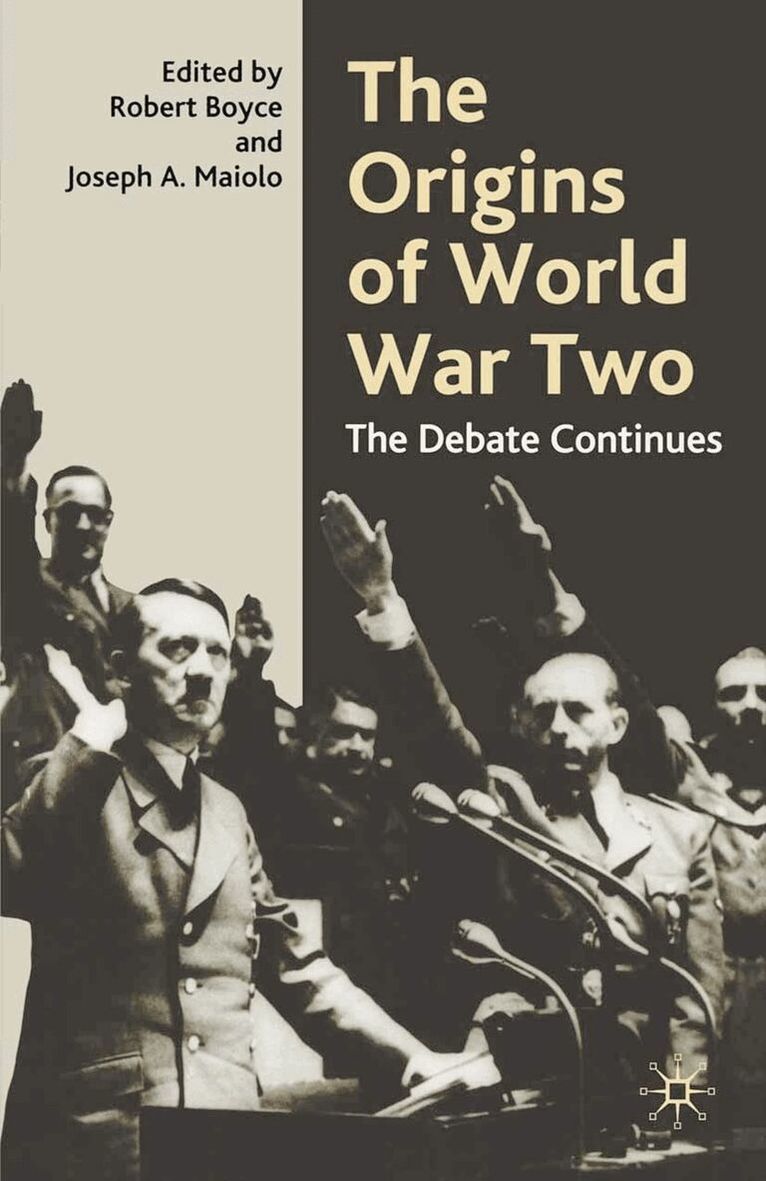
No issue in modern history has been more intensively studied, or subject to wider interpretation, than the origins of the Second World War. A conflict involving three - arguably four - major aggressor Powers, operating simultaneously but largely separately on two continents, inevitably raises complex theories and debates. Each participating power has its own history, and each one must take account of various influences upon the behaviour of its soldiers and statesmen.His wide-ranging collection of original essays, each by an international expert in their field, covers all aspects of the subject and highlights the controversy that continues to characterise current thinking on the origins of the war. Going beyond the usual Eurocentric approach, Part I examines the roles of all seven of the Great Powers (including Japan and the USA), as well as the parts played by several of the lesser Powers, such as Czechoslovakia, Poland and China. Part II contains chapters which explore key themes that cannot be fully understood within the context of any single country. These themes include the role of ideology, propaganda, intelligence, armaments, economics, diplomacy, the neutral states, peace movements, and the social science approach to war.Written in clear, jargon-free prose, together these essays provide a comprehensive single-volume text for students and teachers, and are essential reading for all with an interest in the debates surrounding the causes of World War Two.
British Capitalism at the Crossroads, 1919-1932
A Study in Politics, Economics, and International Relations
Häftad, Engelska, 2009
604 kr
Skickas inom 7-10 vardagar
In the aftermath of the First World War British politics were subordinated to the goal of reconstructing a multilateral trade and payments system. This decision must be understood as the result of the peculiar structure of British capitalism wherein mercantile and financial activity rather than manufacturing industry provided the core of wealth of the dominant community. For a decade, Britain made a signal contribution to the restoration of multilateralism. With the world at a turning-point in 1928, British policy remained committed to reform through multilateral action, particularly once the Labour party resumed office. But the practical effect of policy was the opposite of that intended. Dogmatic opposition to all second-best alternatives helped drive all countries, Britain included, away from internationalism towards a narrow nationalism and economic protectionism. The account ends in 1932 when Britain embarked upon an active imperial policy while the rest of the world headed towards another war. Using a wide range of primary sources, the author presents an account which integrates the economic, political and diplomatic events of the period.