Inbunden, Engelska, 2023
2 340 kr
Skickas inom 3-6 vardagar
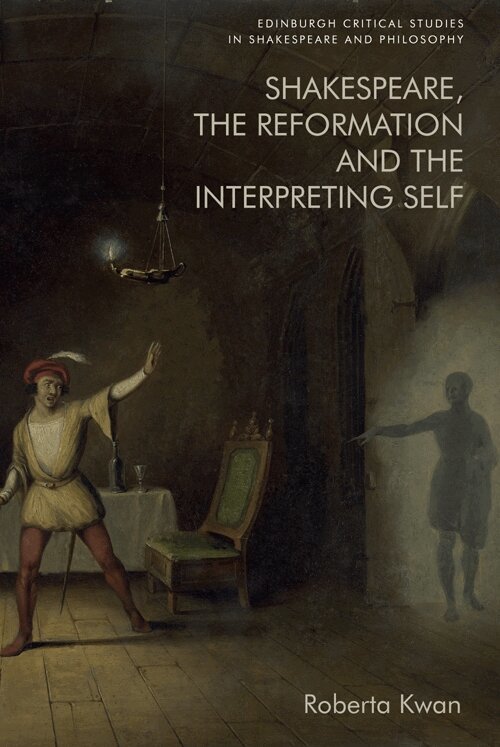
Reconceptualises Shakespeare's representations of selfhood by drawing on the long history behind the modern West's assumption that to be human is to be an interpreter of realityProvides a ground-breaking contribution to the expanding field of study situated at the intersections of Shakespeare, religion and philosophyIlluminates the indebtedness of Shakespeare's dramatization of human understanding as interpretive to the Protestant Reformation's reconfiguring of people's relation to knowledge and people as knowers (that is, the Reformers' theological hermeneutics)Offers a distinctive vantage point on our sense of Shakespeare's modernity by employing a critical framework that shows the influence of the Reformers' hermeneutics on the thinking about humans as knowers of Hans-Georg Gadamer and other prominent modern philosophers of hermeneuticsPresents innovative, substantial readings of Shakespeare's 'problem plays' Hamlet, Troilus and Cressida, Measure for Measure and All's Well That Ends Well and their viewpoints on human subjectivityWe share with Shakespeare, it seems, the assumption that to be human is to know through interpretation. This innovative study examines Shakespeare's compelling dramatisations of the interpreting self through the lens of a hermeneutical tradition that spans culture-shaping early modern religious beliefs about human knowing and pivotal philosophical ideas of our age. What is it to be an interpreting self? Shakespeare, the Reformation and the Interpreting Self offers fresh perspectives on critical questions about the self's finitude, agency, motivations, self-knowledge and ethical relation to others; questions that were of great relevance in Shakespeare's England and which continue to frame present-day dilemmas and debates about human experience and human being.