Roberta Seelinger Trites - Böcker
Visar alla böcker från författaren Roberta Seelinger Trites. Handla med fri frakt och snabb leverans.
5 produkter
5 produkter
325 kr
Skickas inom 7-10 vardagar
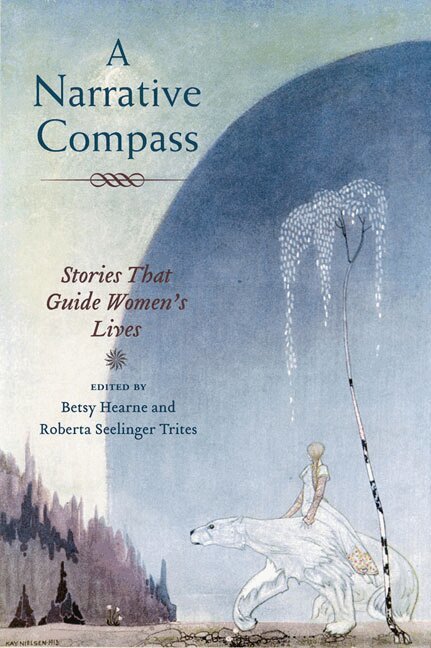
Each of us has a narrative compass, a story that has guided our lifework. In this extraordinary collection, women scholars from a variety of disciplines identify and examine the stories that have inspired them, haunted them, and shaped their research, from Little House on the Prairie to Little Women, from the fairy tales of Hans Christian Andersen and Alice's Adventures in Wonderland to Nancy Drew, Mary Jane, and even the Chinese memoir Jottings from the Transcendant's Abode at Mt. Youtai. Telling the "story of her story" leads each of the essayists to insights about her own approach to studying narratives and to a deeper, often surprising, understanding of the power of imagination.Contributors are Deyonne Bryant, Minjie Chen, Cindy L. Christiansen, Beverly Lyon Clark, Karen Coats, Wendy Doniger, Bonnie Glass-Coffin, Betsy Hearne, Joanna Hearne, Ann Hendricks, Rania Huntington, Christine Jenkins, Kimberly Lau, Pamela Riney-Kehrberg, Maria Tatar, Ebony Elizabeth Thomas, Roberta Seelinger Trites, Claudia Quintero Ulloa, and Ofelia Zepeda.
1 355 kr
Skickas inom 10-15 vardagar
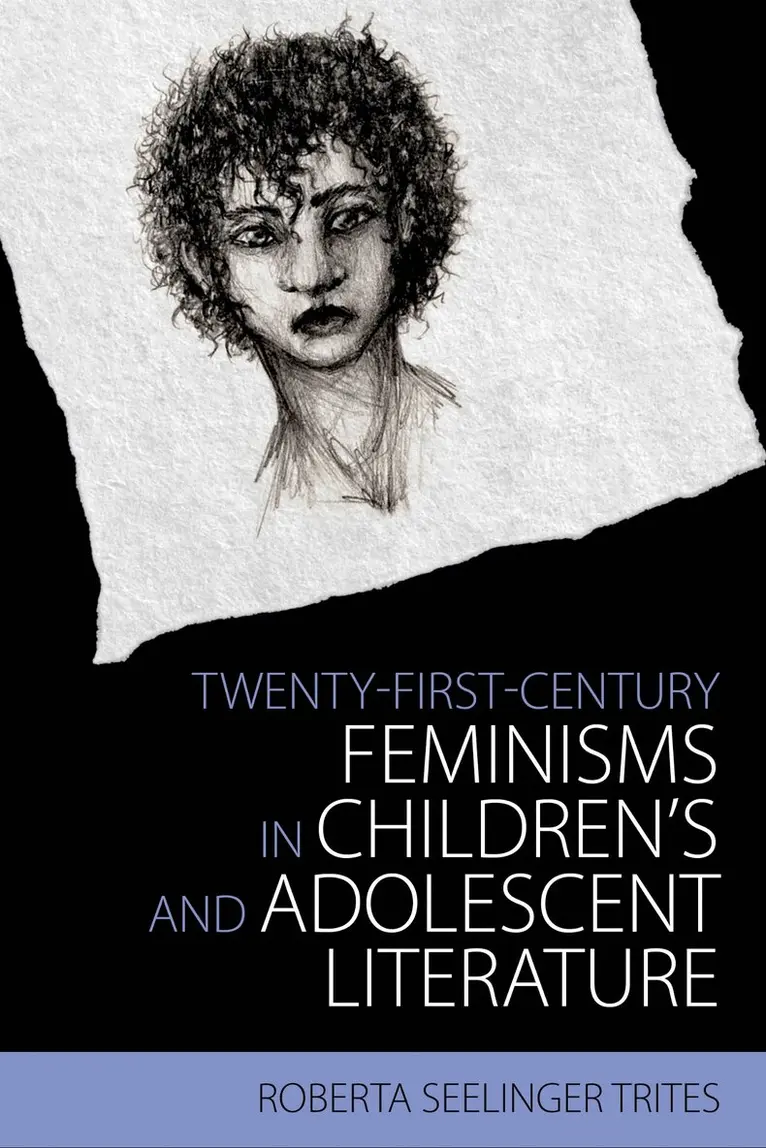
Over twenty years after the publication of her groundbreaking work, Waking Sleeping Beauty: Feminist Voices in Children’s Novels, Roberta Seelinger Trites returns to analyze how literature for the young still provides one outlet in which feminists can offer girls an alternative to sexism. Supplementing her previous work in the linguistic turn, Trites employs methodologies from the material turn to demonstrate how feminist thinking has influenced literature for the young in the last two decades. She interrogates how material feminism can expand our understanding of maturation and gender – especially girlhood – as represented in narratives for preadolescents and adolescents. Twenty-First-Century Feminisms in Children’s and Adolescent Literature applies principles behind material feminisms, such as ecofeminism, intersectionality, and the ethics of care, to analyze important feminist thinking that permeates twenty-first-century publishing for youth. The structure moves from examinations of the individual to examinations of the individual in social, environmental, and interpersonal contexts. The book deploys ecofeminism and the posthuman to investigate how embodied individuals interact with the environment and via the extension of feministic ethics how people interact with each other romantically and sexually.Throughout the book, Trites explores issues of identity, gender, race, class, age, and sexuality in a wide range of literature for young readers, such as Kate DiCamillo’s Flora and Ulysses, Jacqueline Woodson’s Brown Girl Dreaming, and Rainbow Rowell’s Eleanor & Park. She demonstrates how shifting cultural perceptions of feminism affect what is happening both in publishing for the young and in the academic study of literature for children and adolescents.
421 kr
Skickas inom 10-15 vardagar
Over twenty years after the publication of her groundbreaking work, Waking Sleeping Beauty: Feminist Voices in Children's Novels, Roberta Seelinger Trites returns to analyze how literature for the young still provides one outlet in which feminists can offer girls an alternative to sexism. Supplementing her previous work in the linguistic turn, Trites employs methodologies from the material turn to demonstrate how feminist thinking has influenced literature for the young in the last two decades. She interrogates how material feminism can expand our understanding of maturation and gender—especially girlhood—as represented in narratives for preadolescents and adolescents.Twenty-First-Century Feminisms in Children's and Adolescent Literature applies principles behind material feminisms, such as ecofeminism, intersectionality, and the ethics of care, to analyze important feminist thinking that permeates twenty-first-century publishing for youth. The structure moves from examinations of the individual to examinations of the individual in social, environmental, and interpersonal contexts. The book deploys ecofeminism and the posthuman to investigate how embodied individuals interact with the environment and via the extension of feministic ethics how people interact with each other romantically and sexually.Throughout the book, Trites explores issues of identity, gender, race, class, age, and sexuality in a wide range of literature for young readers, such as Kate DiCamillo's Flora and Ulysses, Jacqueline Woodson's Brown Girl Dreaming, and Rainbow Rowell's Eleanor & Park. She demonstrates how shifting cultural perceptions of feminism affect what is happening both in publishing for the young and in the academic study of literature for children and adolescents.
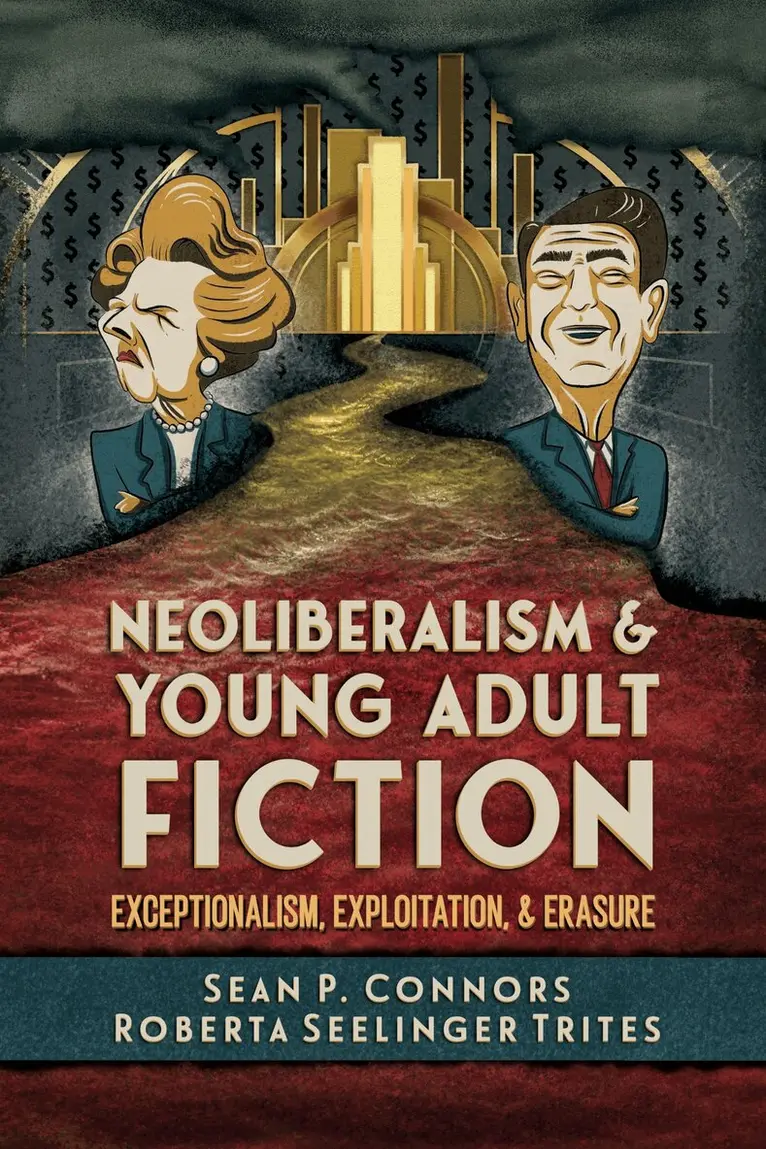
Neoliberalism and Young Adult Fiction
Exceptionalism, Exploitation, and Erasure
Inbunden, Engelska, 2025
1 336 kr
Skickas inom 7-10 vardagar
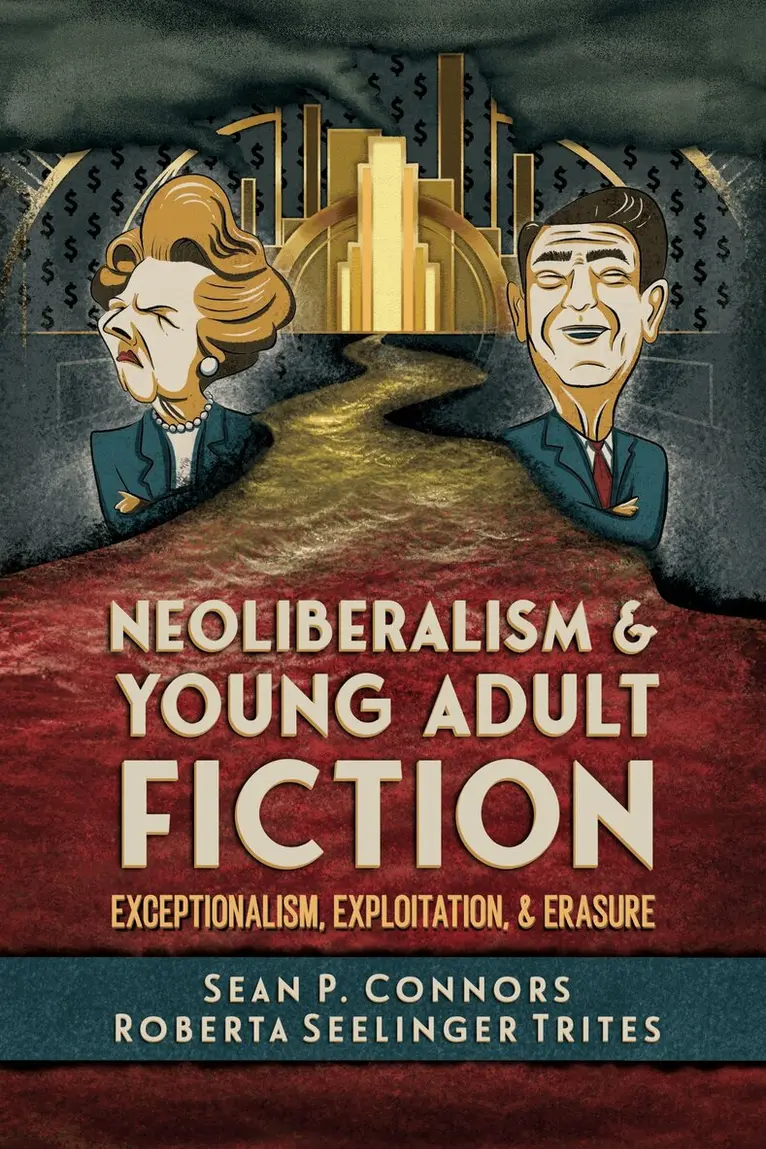
In the twenty-first century, the influence of neoliberalism, the belief that society benefits when both individuals and corporations are free to maximize their talents in the service of responding to social needs and problems, resonates through all domains of human life. And yet, little critical study has been given to the reproduction of a neoliberal social order in YA literature. Neoliberalism and Young Adult Fiction: Exceptionalism, Exploitation, and Erasure examines how some YA literature naturalizes neoliberalism in positioning teenagers as self-enclosed, competitive individuals. At the same time, however, the authors also examine other YA novels as potential sites of resistance that acknowledge teenagers’ agency to reject neoliberalism’s destructive impulses and to work for social justice and equality through collective action.With that in mind, the authors of Neoliberalism and Young Adult Fiction analyze such concepts as how the exceptionality of specific characters who embody neoliberal ideals leads to self-enclosed individualism and how environmental exploitation and consumerism lead to destructive effects. The book progresses to an in-depth examination of how racism undergirds US neoliberalism and environmental exploitation. From scrutinizing racism—and the rejection of neoliberalism inherent in the antiracism movement—the study turns to an examination of gender, specifically focusing on the relationship between sexism, exploitation, and embodied rejections of patriarchal thinking. Indeed, erasure is implicated in racism, sexism, and all forms of discrimination that are borne of exploitation. Finally, youth activism—with its rejection of neoliberal ideologies—leads to a culminating chapter about how global youth link YA literature to their protest movements.
Neoliberalism and Young Adult Fiction
Exceptionalism, Exploitation, and Erasure
Häftad, Engelska, 2025
415 kr
Skickas inom 7-10 vardagar
In the twenty-first century, the influence of neoliberalism, the belief that society benefits when both individuals and corporations are free to maximize their talents in the service of responding to social needs and problems, resonates through all domains of human life. And yet, little critical study has been given to the reproduction of a neoliberal social order in YA literature. Neoliberalism and Young Adult Fiction: Exceptionalism, Exploitation, and Erasure examines how some YA literature naturalizes neoliberalism in positioning teenagers as self-enclosed, competitive individuals. At the same time, however, the authors also examine other YA novels as potential sites of resistance that acknowledge teenagers’ agency to reject neoliberalism’s destructive impulses and to work for social justice and equality through collective action.With that in mind, the authors of Neoliberalism and Young Adult Fiction analyze such concepts as how the exceptionality of specific characters who embody neoliberal ideals leads to self-enclosed individualism and how environmental exploitation and consumerism lead to destructive effects. The book progresses to an in-depth examination of how racism undergirds US neoliberalism and environmental exploitation. From scrutinizing racism—and the rejection of neoliberalism inherent in the antiracism movement—the study turns to an examination of gender, specifically focusing on the relationship between sexism, exploitation, and embodied rejections of patriarchal thinking. Indeed, erasure is implicated in racism, sexism, and all forms of discrimination that are borne of exploitation. Finally, youth activism—with its rejection of neoliberal ideologies—leads to a culminating chapter about how global youth link YA literature to their protest movements.