Roberto C. Parra – författare
Visar alla böcker från författaren Roberto C. Parra. Handla med fri frakt och snabb leverans.
9 produkter
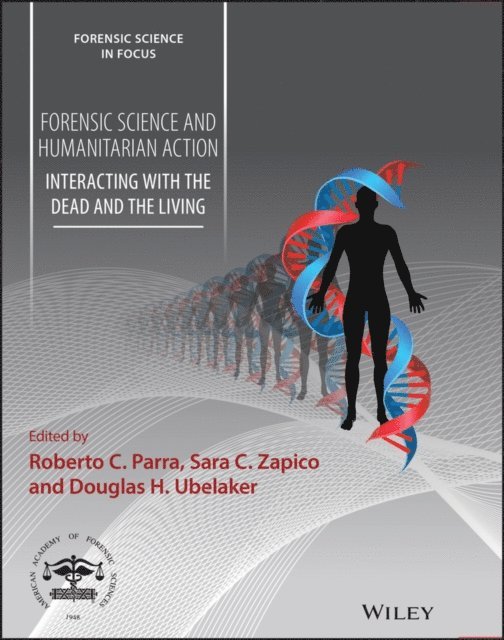
Forensic Science and Humanitarian Action
Interacting with the Dead and the Living
Av Douglas H. Ubelaker, Sara C. Zapico m. fl.
E-bok, 2020
2982 kr
Lägg i varukorg
Widens traditional concepts of forensic science to include humanitarian, social, and cultural aspects Using the preservation of the dignity of the deceased as its foundation, Forensic Science and Humanitarian Action: Interacting with the Dead and the Living is a unique examination of the …
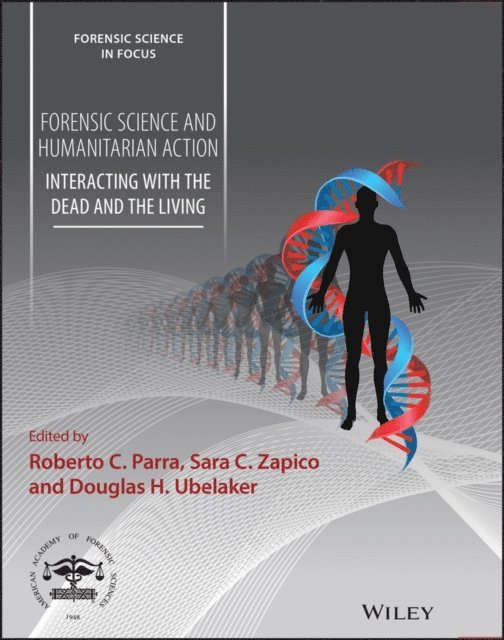
Forensic Science and Humanitarian Action
Interacting with the Dead and the Living
Av Douglas H. Ubelaker, Sara C. Zapico m. fl.
E-bok, 2020
3079 kr
Lägg i varukorg
Widens traditional concepts of forensic science to include humanitarian, social, and cultural aspects Using the preservation of the dignity of the deceased as its foundation, Forensic Science and Humanitarian Action: Interacting with the Dead and the Living is a unique examination of the …
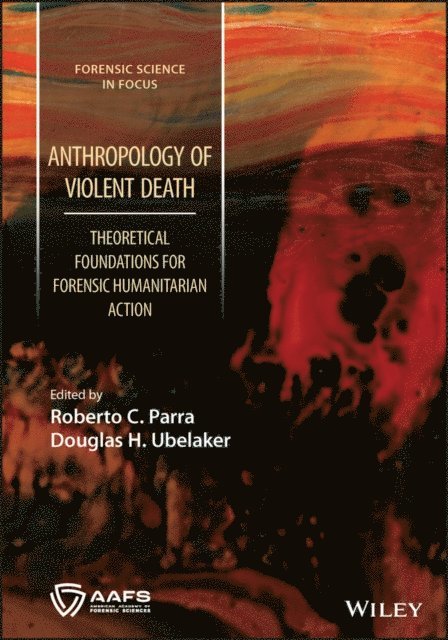
Anthropology of Violent Death
Theoretical Foundations for Forensic Humanitarian Action
Av Roberto C. Parra, Douglas H. Ubelaker
Inbunden, 2023
1859 kr
Lägg i varukorg
The first book to specifically focus on the theoretical foundations of humanitarian forensic scienceAnthropology of Violent Death: Theoretical Foundations for Forensic Humanitarian Action consolidates the concepts and theories that are central to securing the posthumous dignity of the deceased, …
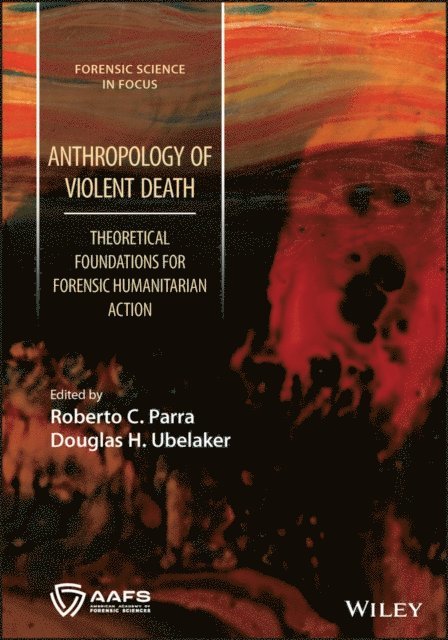
Anthropology of Violent Death
Theoretical Foundations for Forensic Humanitarian Action
Av Douglas H. Ubelaker, Roberto C. Parra
E-bok, 2023
2136 kr
Lägg i varukorg
The first book to specifically focus on the theoretical foundations of humanitarian forensic science Anthropology of Violent Death: Theoretical Foundations for Forensic Humanitarian Action consolidates the concepts and theories that are central to securing the posthumous dignity of the deceased, …
Anthropology of Violent Death
Theoretical Foundations for Forensic Humanitarian Action
Av Douglas H. Ubelaker, Roberto C. Parra
E-bok, 2023
2136 kr
Lägg i varukorg
The first book to specifically focus on the theoretical foundations of humanitarian forensic science Anthropology of Violent Death: Theoretical Foundations for Forensic Humanitarian Action consolidates the concepts and theories that are central to securing the posthumous dignity of the deceased, …
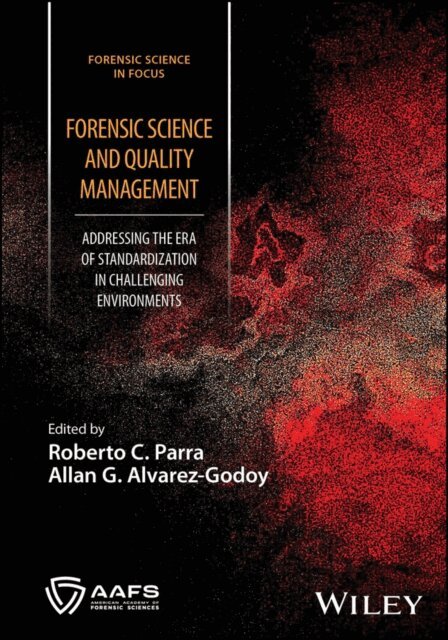
Forensic Science and Quality Management
Addressing the Era of Standardization in Challenging Environments
Av Roberto C. Parra, Allan G. Alvarez-Godoy
Inbunden, 2026
1806 kr
Lägg i varukorg
Explores how global standards in forensic science can be applied across diverse and challenging contexts The global move toward standardisation in forensic sciences promises reliability, transparency, and a shared professional language. Forensic Science and Quality Management examines how these …
Forensic Science and Quality Management
Addressing the Era of Standardization in Challenging Environments
Av Allan G. Alvarez-Godoy, Roberto C. Parra
E-bok, 2026
2282 kr
Lägg i varukorg
Explores how global standards in forensic science can be applied across diverse and challenging contexts The global move toward standardisation in forensic sciences promises reliability, transparency, and a shared professional language. Forensic Science and Quality Management examines how these …
Forensic Science and Quality Management
Addressing the Era of Standardization in Challenging Environments
Av Allan G. Alvarez-Godoy, Roberto C. Parra
E-bok, 2026
2282 kr
Lägg i varukorg
Explores how global standards in forensic science can be applied across diverse and challenging contexts The global move toward standardisation in forensic sciences promises reliability, transparency, and a shared professional language. Forensic Science and Quality Management examines how these …
Forensic Science and Humanitarian Action, 2 Volume Set
Interacting with the Dead and the Living
Av Roberto C. Parra, Sara C. Zapico m. fl.
Inbunden, 2020
2643 kr
Tillfälligt slut
Widens traditional concepts of forensic science to include humanitarian, social, and cultural aspectsUsing the preservation of the dignity of the deceased as its foundation, Forensic Science and Humanitarian Action: Interacting with the Dead and the Living is a unique examination of the …