Robin Cormack – författare
Visar alla böcker från författaren Robin Cormack. Handla med fri frakt och snabb leverans.
8 produkter
Byzantine Art
Häftad, 2018
274 kr
Lägg i varukorg
The opulence of Byzantine art, with its extravagant use of gold and silver, is well known. Highly skilled artists created powerful representations reflecting and promoting this society and its values in icons, illuminated manuscripts, and mosaics and wallpaintings placed in domed churches and …
Byzantine Art
E-bok, 2018
189 kr
Lägg i varukorg
The opulence of Byzantine art, with its extravagant use of gold and silver, is well known. Highly skilled artists created powerful representations reflecting and promoting this society and its values in icons, illuminated manuscripts, and mosaics and wallpaintings placed in domed churches and …
Byzantine Art
E-bok, 2018
189 kr
Lägg i varukorg
The opulence of Byzantine art, with its extravagant use of gold and silver, is well known. Highly skilled artists created powerful representations reflecting and promoting this society and its values in icons, illuminated manuscripts, and mosaics and wallpaintings placed in domed churches and …
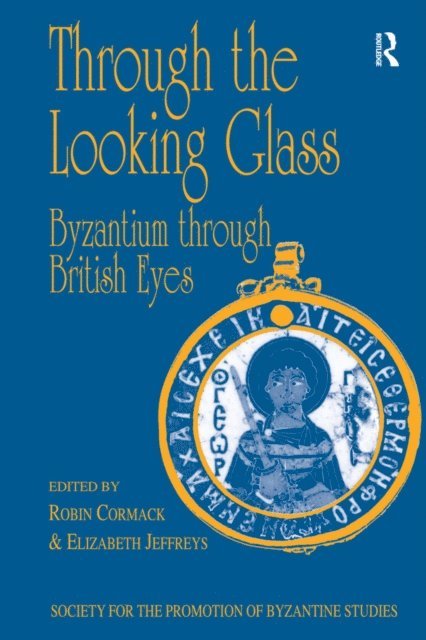
Through the Looking Glass: Byzantium through British Eyes
Papers from the Twenty-Ninth Spring Symposium of Byzantine Studies, King’s College, London, March 1995
Av Robin Cormack, Elizabeth Jeffreys
Inbunden, 2000
3262 kr
Lägg i varukorg
The papers in this volume derive from the 29th Spring Symposium of Byzantine Studies. This was held for the Society for the Promotion of Byzantine Studies in the University of London in March 1995, in order to complement the British Museum exhibition 'Byzantium. Treasures of Byzantine Art and …
Through the Looking Glass: Byzantium through British Eyes
Papers from the Twenty-Ninth Spring Symposium of Byzantine Studies, King’s College, London, March 1995
Av Elizabeth Jeffreys, Robin Cormack
E-bok, 2016
838 kr
Lägg i varukorg
The papers in this volume derive from the 29th Spring Symposium of Byzantine Studies. This was held for the Society for the Promotion of Byzantine Studies in the University of London in March 1995, in order to complement the British Museum exhibition ''Byzantium. Treasures of Byzantine Art and …
Through the Looking Glass: Byzantium through British Eyes
Papers from the Twenty-Ninth Spring Symposium of Byzantine Studies, King’s College, London, March 1995
Av Elizabeth Jeffreys, Robin Cormack
E-bok, 2016
856 kr
Lägg i varukorg
The papers in this volume derive from the 29th Spring Symposium of Byzantine Studies. This was held for the Society for the Promotion of Byzantine Studies in the University of London in March 1995, in order to complement the British Museum exhibition ''Byzantium. Treasures of Byzantine Art and …
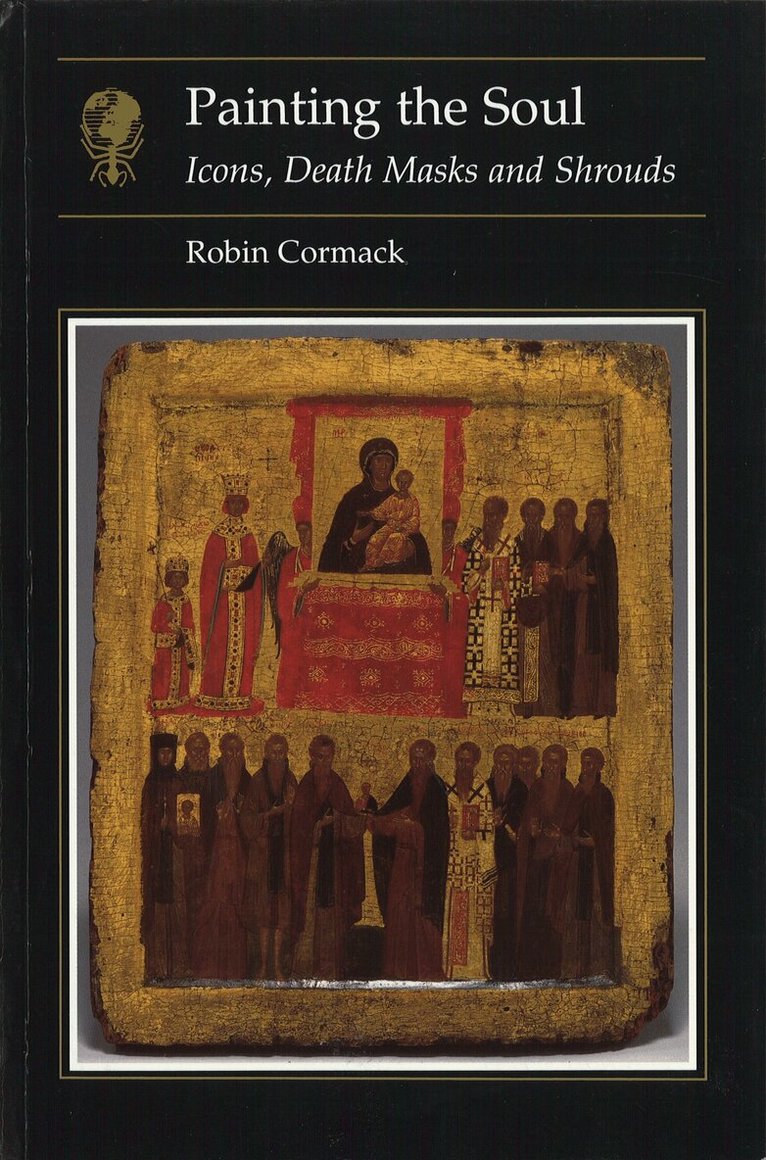
Painting the Soul
Icons, Death Masks and Shrouds
Häftad, 1997
339 kr
Lägg i varukorg
Icons are among the most elusive subjects in the history of art, but at the same time their study constitutes possibly its fastest expanding field, and with the opening-up of the former Soviet Union many new objects are being discovered, studied and exhibited. In this book, Robin Cormack considers …
Orient Oder Rom?: History and Reception of a Historiographical Myth (1901-1970)
Av Klara Benesovska, Robin Cormack
Häftad
730 kr
Lägg i varukorg