Robin Okey – författare
Visar alla böcker från författaren Robin Okey. Handla med fri frakt och snabb leverans.
13 produkter
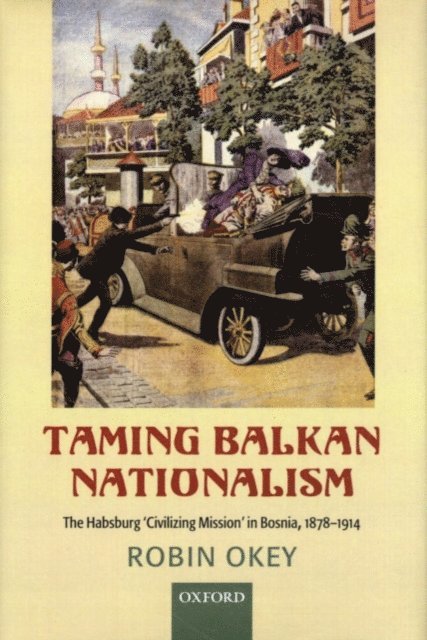
Taming Balkan Nationalism
The Habsburg ''Civilizing Mission'' in Bosnia 1878-1914
Av Robin Okey
E-bok, 2007
1850 kr
Lägg i varukorg
Concentrating on the politics of the Habsburg Monarchy''s self-proclaimed ''cultural mission'' in occupied Bosnia in the period from 1878 to the outbreak of war in 1914, Taming Balkan Nationalism addresses two related issues: the impact of ''Europeanization'' in a backward society and the …
Taming Balkan Nationalism
The Habsburg 'Civilizing Mission' in Bosnia 1878-1914
Av Robin Okey
Inbunden, 2007
3177 kr
Lägg i varukorg
Concentrating on the politics of the Habsburg Monarchy's self-proclaimed 'cultural mission' in occupied Bosnia in the period from 1878 to the outbreak of war in 1914, Taming Balkan Nationalism addresses two related issues: the impact of 'Europeanization' in a backward society and the …
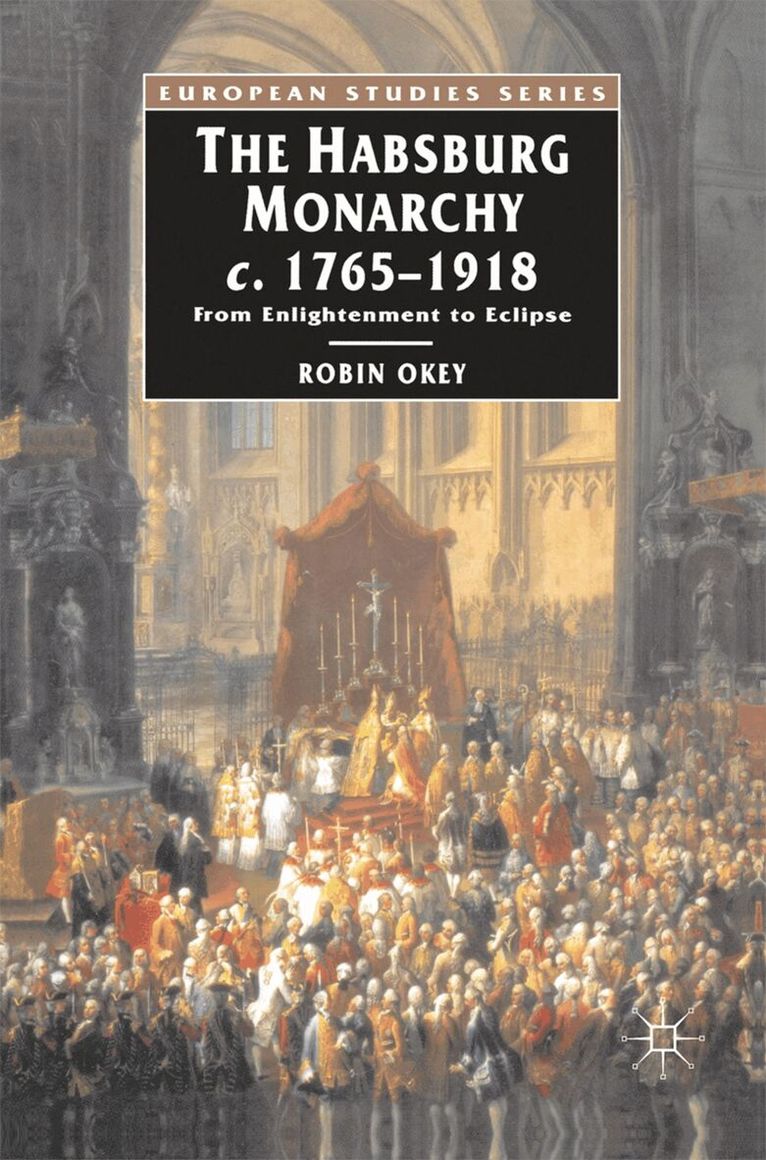
Habsburg Monarchy c.1765-1918
From Enlightenment to Eclipse
Av Robin Okey, Richard J. Overy
Inbunden, 2000
2038 kr
Lägg i varukorg
The multi-national Habsburg empire has never lost its fascination since its fall in 1918. Robin Okey's book shows how the Habsburg peoples experienced the same social, economic and political processes as most other Europeans, in ways that cast interesting light on these processes from both the …
Habsburg Monarchy c.1765-1918
From Enlightenment to Eclipse
Av Robin Okey, Richard J. Overy
Häftad, 2000
587 kr
Lägg i varukorg
The multi-national Habsburg empire has never lost its fascination since its fall in 1918. Robin Okey's book shows how the Habsburg peoples experienced the same social, economic and political processes as most other Europeans, in ways that cast interesting light on these processes from both the …
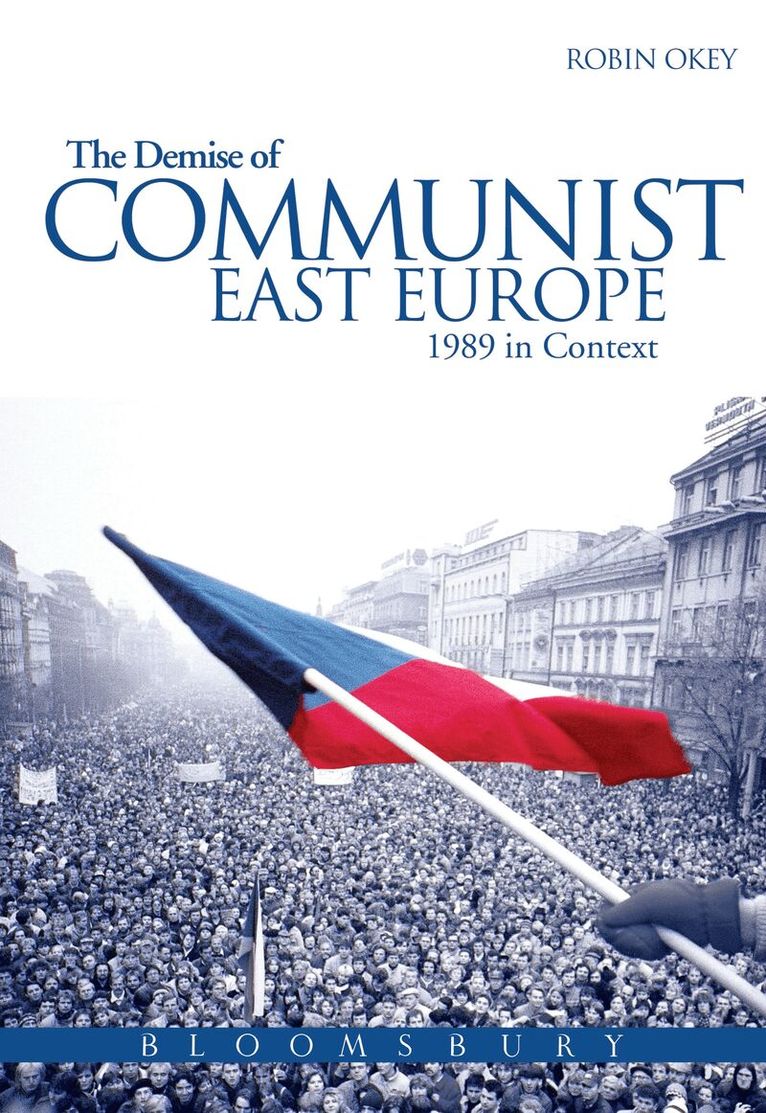
Demise of Communist East Europe
1989 in Context
Av Robin Okey
Inbunden, 2004
1893 kr
Lägg i varukorg
In 1989 communism crumbled in eastern Europe and with it one of the most conspicuous legacies of the Second World War. This book charts the demise of east European communism and analyses the failure of the communist experiment, the revolutionary events of 1989 and the post-communist aftermath as …
Demise of Communist East Europe
1989 in Context
Av Robin Okey
Häftad, 2004
616 kr
Lägg i varukorg
This book charts the demise of east European communism and analyses the failure of the communist experiment, the revolutionary events of 1989 and the post-communist aftermath as the legacy of both these processes. The author explains communism's initial ability to survive crises but then its …
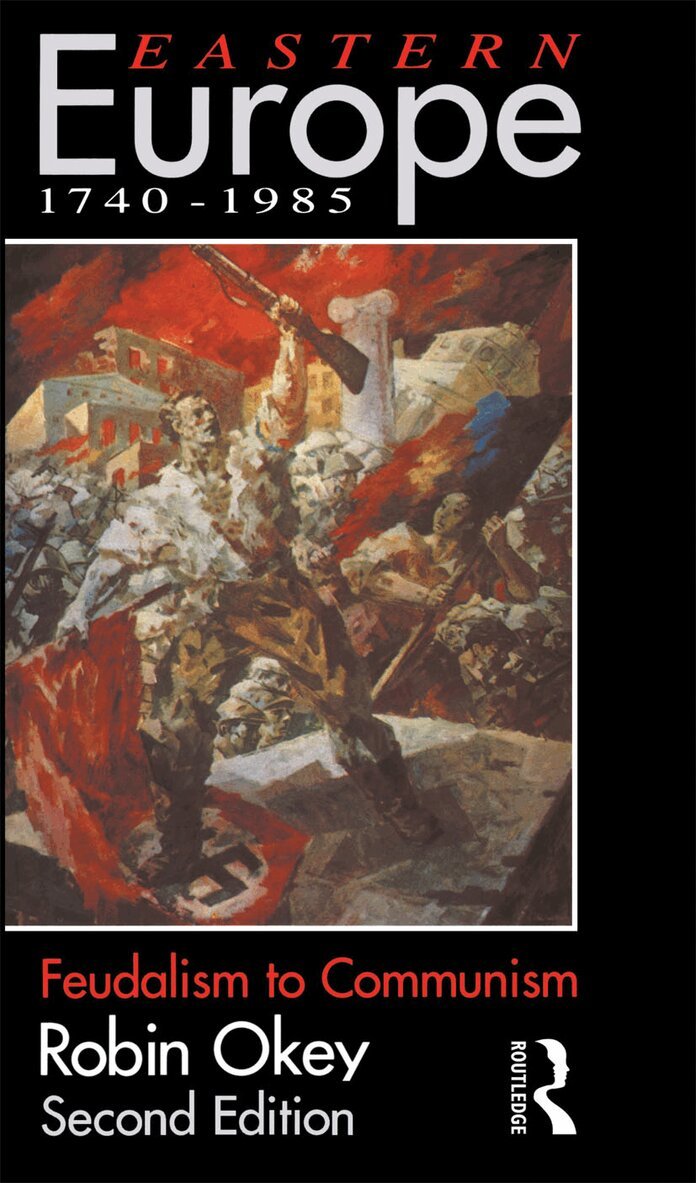
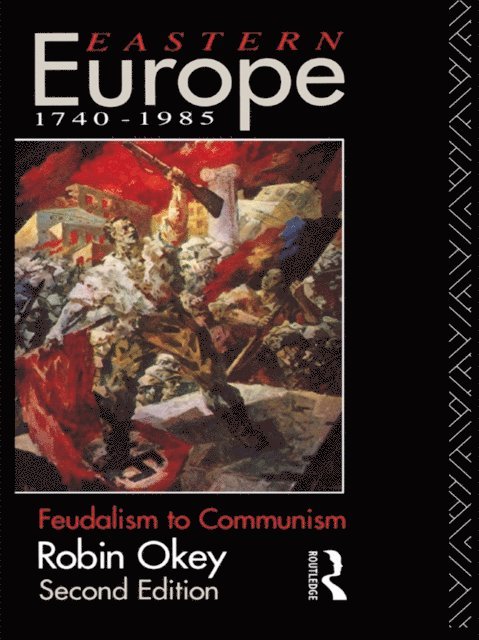
Eastern Europe 1740-1985
Feudalism to Communism
Av Robin Okey
Häftad, 1986
650 kr
Lägg i varukorg
`A fascinating book, readable and illuminating.' Times Literary Supplement
Eastern Europe 1740-1985
Feudalism to Communism
Av Robin Okey
E-bok, 2003
767 kr
Lägg i varukorg
`A fascinating book, readable and illuminating.'' Times Literary Supplement
Eastern Europe 1740-1985
Feudalism to Communism
Av Robin Okey
E-bok, 2003
745 kr
Lägg i varukorg
`A fascinating book, readable and illuminating.'' Times Literary Supplement
Eastern Europe 1740-1985
Feudalism to Communism
Av Robin Okey
Inbunden, 2017
2578 kr
Lägg i varukorg
`A fascinating book, readable and illuminating.' Times Literary Supplement
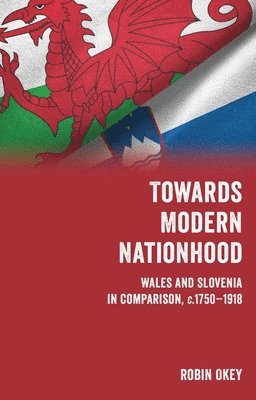
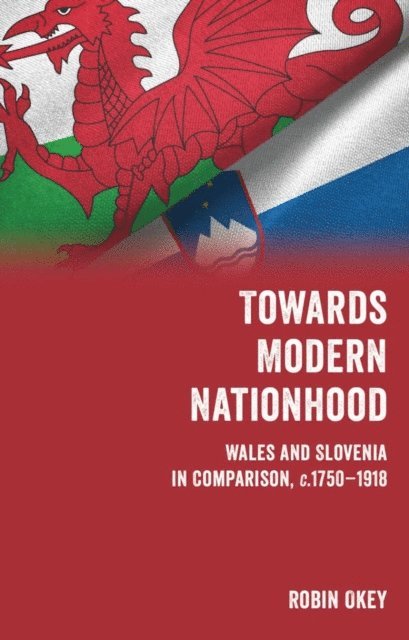
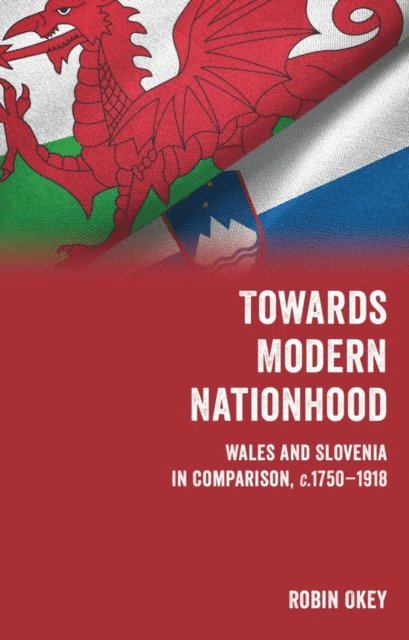
Towards Modern Nationhood
Wales and Slovenia in Comparison, c. 1750-1918
Av Robin Okey
Häftad, 2023
261 kr
Lägg i varukorg
This book is a pioneering comparison of Wales with another small people, the Slovenes, over the formative period for national development in modern Europe. Language, religion and social conflict figured in both countries, but the determinant issue for national mobilisation was language equality for …
Towards Modern Nationhood
Wales and Slovenia in Comparison, c. 1750-1918
Av Robin Okey
E-bok, 2023
315 kr
Lägg i varukorg
This book is a pioneering comparison of Wales with another small people, the Slovenes, over the formative period for national development in modern Europe. Language, religion and social conflict figured in both countries, but the determinant issue for national mobilisation was language equality for …
Towards Modern Nationhood
Wales and Slovenia in Comparison, c. 1750-1918
Av Robin Okey
E-bok, 2023
308 kr
Lägg i varukorg
This book is a pioneering comparison of Wales with another small people, the Slovenes, over the formative period for national development in modern Europe. Language, religion and social conflict figured in both countries, but the determinant issue for national mobilisation was language equality for …