Häftad, Engelska, 2023
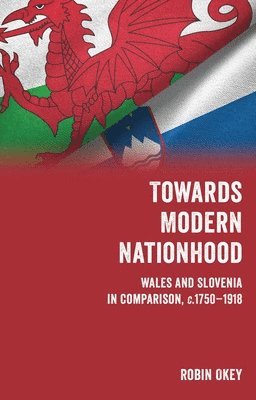
Towards Modern Nationhood
Wales and Slovenia in Comparison, c. 1750-1918
Av Robin Okey
261 kr
Beställningsvara. Skickas inom 5-8 vardagar. Fri frakt över 249 kr.
Beskrivning
Produktinformation
- Utgivningsdatum: 2023-11-15
- Mått: 138 x 216 x 24 mm
- Vikt: 466 g
- Format: Häftad
- Språk: Engelska
- Antal sidor: 344
- Förlag: University of Wales Press
- ISBN: 9781786839312
Utforska kategorier
Mer om författaren
Robin Okey was Emeritus Professor at the University of Warwick.
Recensioner i media
This is a brilliantly original analysis of the formation of the modern Welsh nation during the long nineteenth century. Okey presents this process in a sustained comparison with another small ethnic group, the Slovenes, and vindicates that choice by illumination of a series of similarities based on his intimate acquaintance with the history of that South Slav people. There are differences too – above all the Welsh national project, expressed through religious Nonconformity and political Liberalism as the willing associate of a hegemonic and officially monoglot Great Britain, contrasting with the Slovene equivalent which manoeuvred within the troubled multilingual polity of the Habsburgs. Enhanced by Okey’s jargon-free style, this book is equally revealing in its unusual perspective on the two incongruent empires, British and Austrian, within which his story unfolds.
Betyg & recensioner
0 recensioner
Inga recensioner tillgängliga.