Robin Raybould – författare
Visar alla böcker från författaren Robin Raybould. Handla med fri frakt och snabb leverans.
7 produkter
Bibliography of the Symbolic Literature of the Renaissance
Inbunden, 2027
1765 kr
Kommande
This volume contains an introduction to the origins of literary symbolism, followed by about 4,000 works relevant to the Renaissance period, most with long or short commentaries, divided into about 50 categories (from “Allegories” to “Wands”) with a cross-category authors index, as well as …
Humanist Interpretation of Hieroglyphs in the Allegorical Studies of the Renaissance
With a Focus on the Triumphal Arch of Maximilian I
Av Karl Giehlow, Robin Raybould
Inbunden, 2015
3063 kr
Lägg i varukorg
The Hieroglyphenkunde by Karl Giehlow published in 1915, described variously by critics as “a masterpiece”, “magnificent”, “monumental” and “incomparable”, is here translated into English for the first time. Giehlow’s work with an initial focus on the Hieroglyphica of Horapollo, the manuscript of …
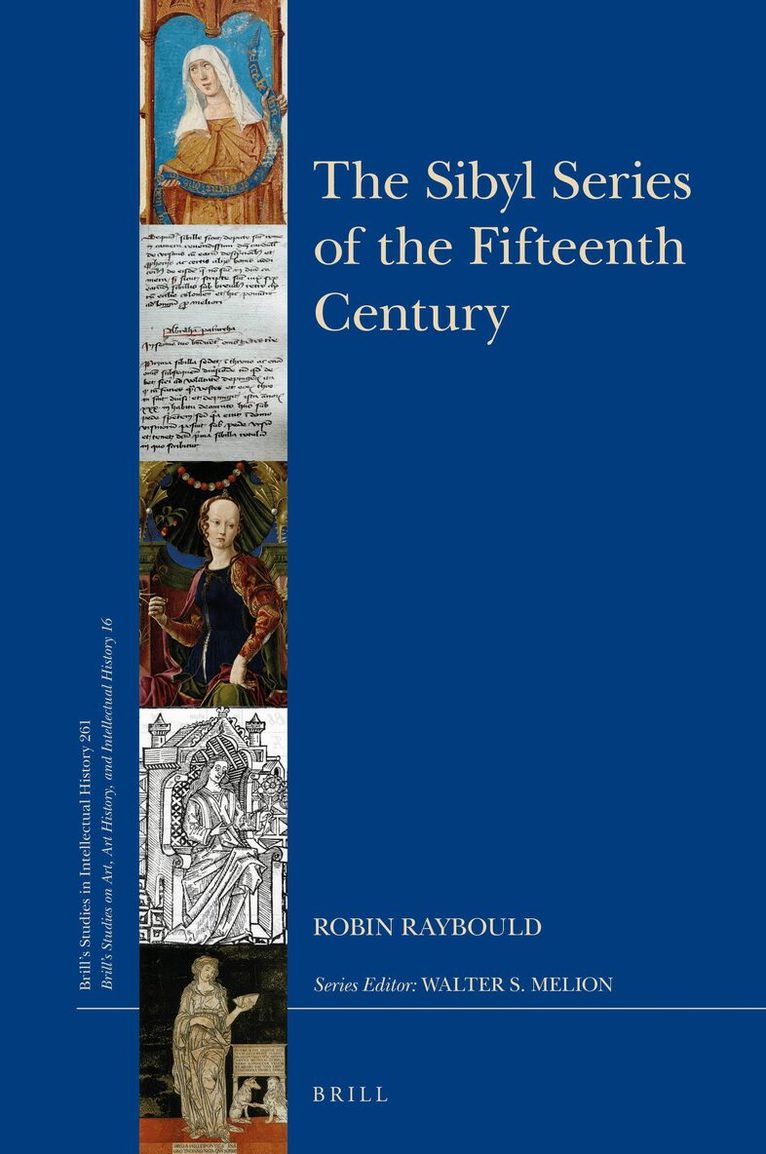
Sibyl Series of the Fifteenth Century
Inbunden, 2016
2244 kr
Lägg i varukorg
Robin Raybould's The Sibyl Series of the Fifteenth Century examines the startling and sudden change that occurred in the representation of the sibyls throughout Europe during the early Renaissance. Raybould describes how and why during this period the number, names, attributes and prophecies of …
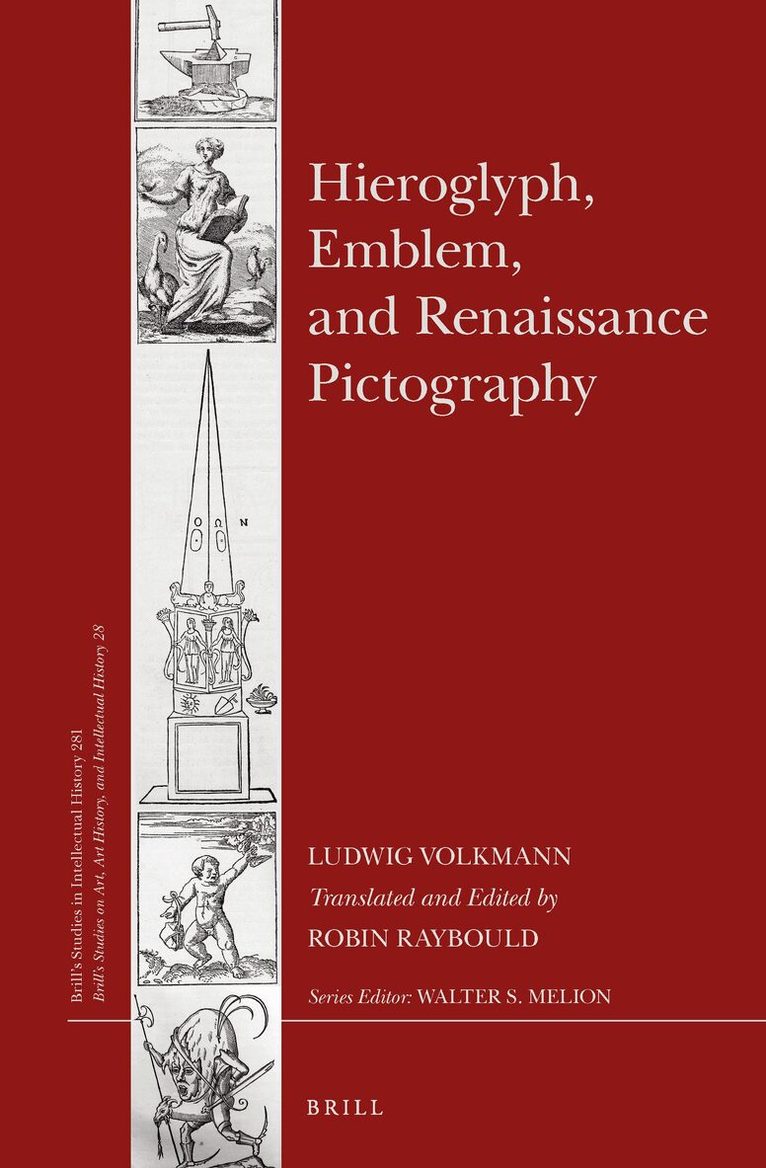
Hieroglyph, Emblem, and Renaissance Pictography
Av Ludwig Volkmann, Robin Raybould
Inbunden, 2018
2236 kr
Lägg i varukorg
Robin Raybould’s Hieroglyph, Emblem and Renaissance Pictography is the first English translation of Ludwig Volkmann’s Bilderschriften der Renaissance, the classic text which promoted the symbol as a defining cultural and literary characteristic of early modern Europe. Volkmann enumerates and …
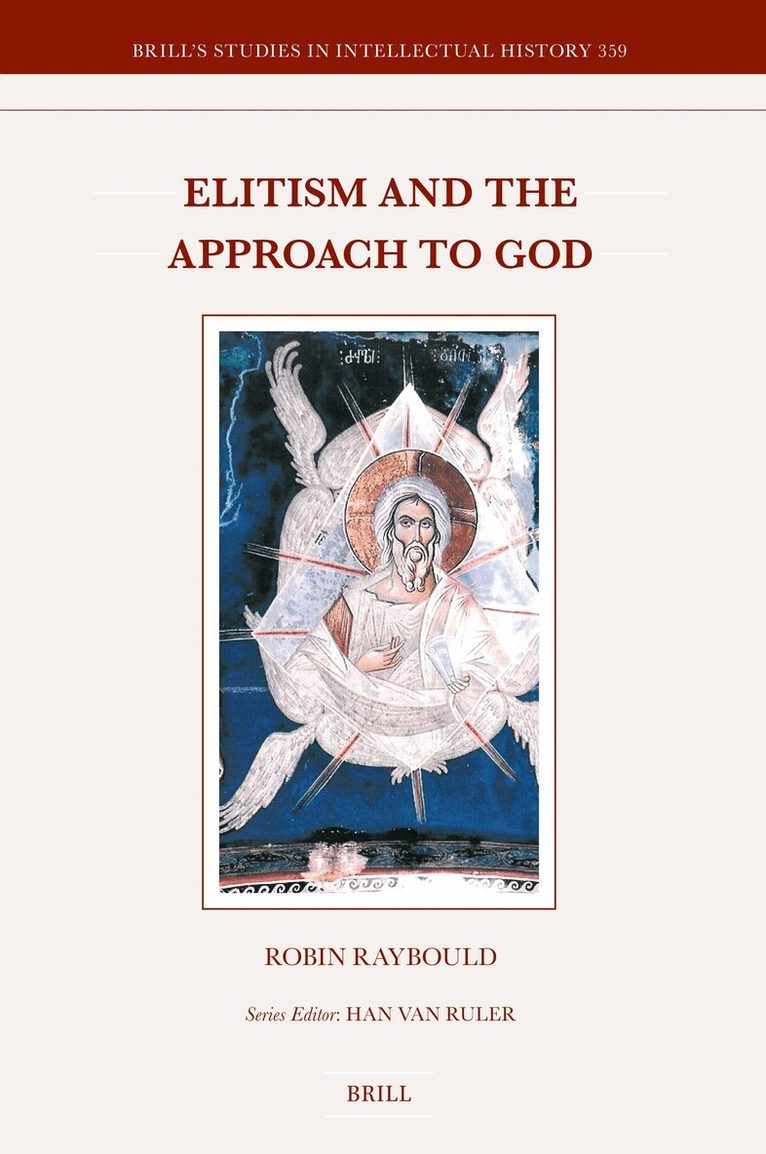
Elitism and the Approach to God
Inbunden, 2025
1574 kr
Lägg i varukorg
Elitism and the Approach to God investigates a historical and cultural dichotomy in European history which has not hitherto been satisfactorily explained. Why did so many of the most influential “authorities” of the age insist that the nature and mystery of the divine and of God should not be …