Robin Simon – författare
Visar alla böcker från författaren Robin Simon. Handla med fri frakt och snabb leverans.
4 produkter
4 produkter
807 kr
Skickas inom 7-10 vardagar
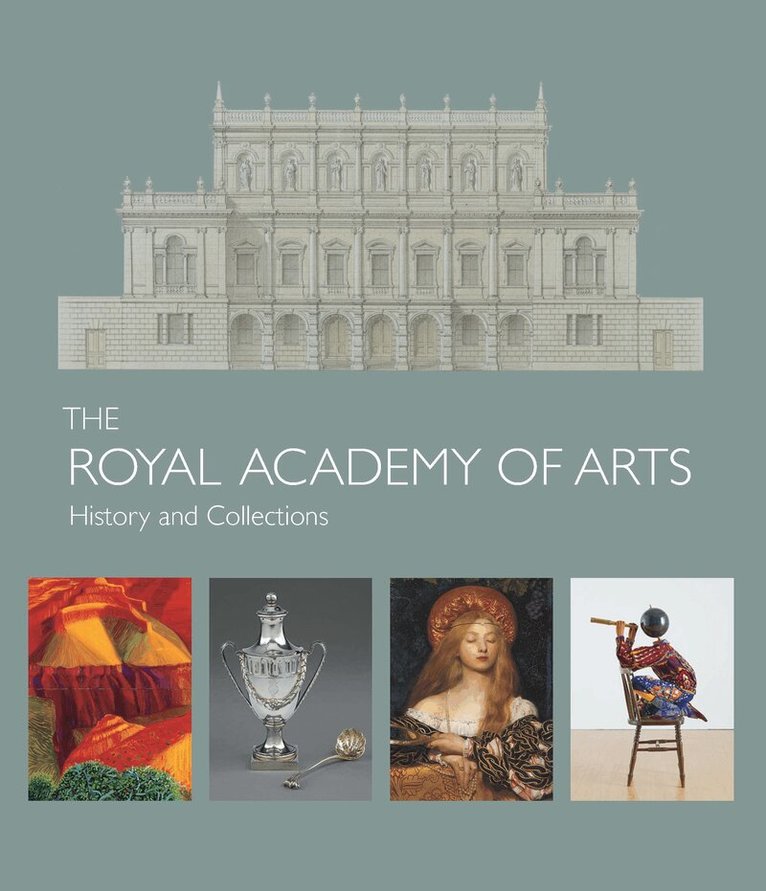
Published in association with the Royal Academy of Arts, London Animated by an unprecedented study of its collections, this book tells the story of the Royal Academy of Arts, London, and illuminates the history of art in Britain over the past two and a half centuries. Thousands of paintings, sculptures, drawings, and engravings, as well as silver, furniture, medals, and historic photographs, make up this monumental collection, featured here in stunning illustrations, and including an array of little-studied works of art and other objects of the highest quality. The works of art complement an archive of 600,000 documents and the first library in Britain dedicated to the fine arts. This fresh history reveals the central role of the Royal Academy in British national life, especially during the 19th century. It also explores periods of turmoil in the 20th century, when the Academy sought either to defy or to come to terms with modernism, challenging linear histories and frequently held notions of progress and innovation.Published in association with the Paul Mellon Centre for Studies in British Art and Royal Academy of Arts, London
1 437 kr
Skickas inom 5-8 vardagar
This is the 13th volume in a series of theoretical, review and empirically-based papers on group phenomena. The series adopts a broad conception of 'group processes' consistent with prevailing ones in the social psychological literature.
522 kr
Skickas inom 7-10 vardagar
624 kr
Skickas inom 7-10 vardagar
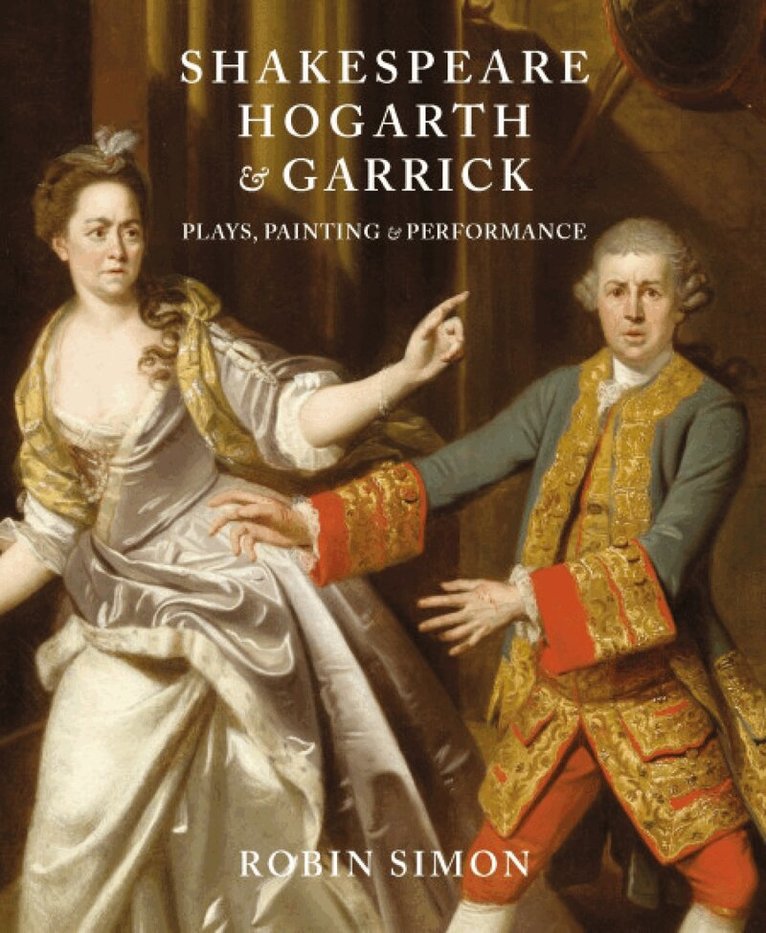
In London in 1770 Georg Christoph Lichtenberg (1742–1799) remarked, ‘What a work could be written on Shakespeare, Hogarth and Garrick! There is something similar in the genius of all three.’ Two-and-a-half centuries on, Robin Simon’s highly original and illuminating book takes up the challenge.William Hogarth (1697–1764) and David Garrick (1717–1779) closely associated themselves with Shakespeare, embodying a relationship between plays, painting and performance that had been understood since Antiquity and which shaped the rules for history painting drawn up by the Académie royale in Paris in the seventeenth century.History painting was considered the highest form of art: a picture illustrating a moment drawn from just a few lines in a revered text. Hogarth’s David Garrick as Richard III (1745) transformed those ideas because, although it looked like a history painting, it was also a portrait of an actor in performance. With it, Hogarth established the genre of theatrical portraiture, a new and distinctively British kind ofhistory painting.This book offers a fresh examination of theatrical portraits through close analysis of the pictures and of the texts used in performance. It also examines the central role of the theatre in British culture, while highlighting the significance of Shakespeare, Hogarth and Garrick in the European Enlightenment and the rise of Romanticism. In this context another trio of genius features prominently: Lichtenberg, GottholdEphraim Lessing and Denis Diderot.Familiar paintings and performances are seen in an entirely new light, while unfamiliar pictures are also introduced, including major paintings and drawings that have never been published.The final chapter shows that the inter-relationship between plays, painting and performance survived into the age of cinema, revealing the pictorial sources of Laurence Olivier’s legendary film Richard III.