Rodolphe De Koninck – författare
Visar alla böcker från författaren Rodolphe De Koninck. Handla med fri frakt och snabb leverans.
4 produkter
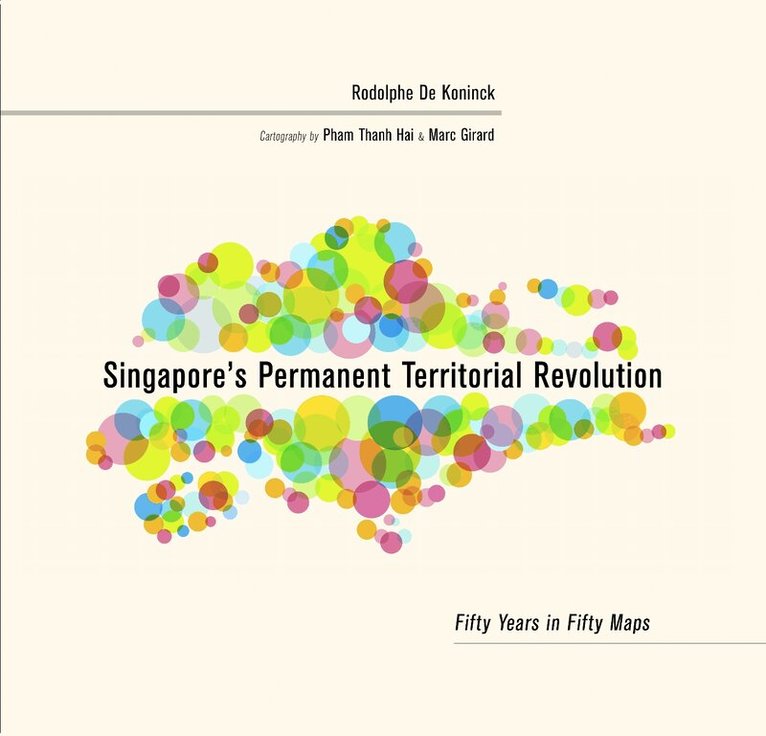
Singapore's Permanent Territorial Revolution
Fifty Years in Fifty Maps
Av Rodolphe De Koninck, Pham Thanh Hai m. fl.
Inbunden, 2017
469 kr
Lägg i varukorg
Ever since Singapore became an independent nation in 1965, its government has been intent on transforming the island’s environment. This has led to a nearly constant overhaul of the landscape, whether still natural or already manmade. Not only are the shape and dimensions of the main island and its …
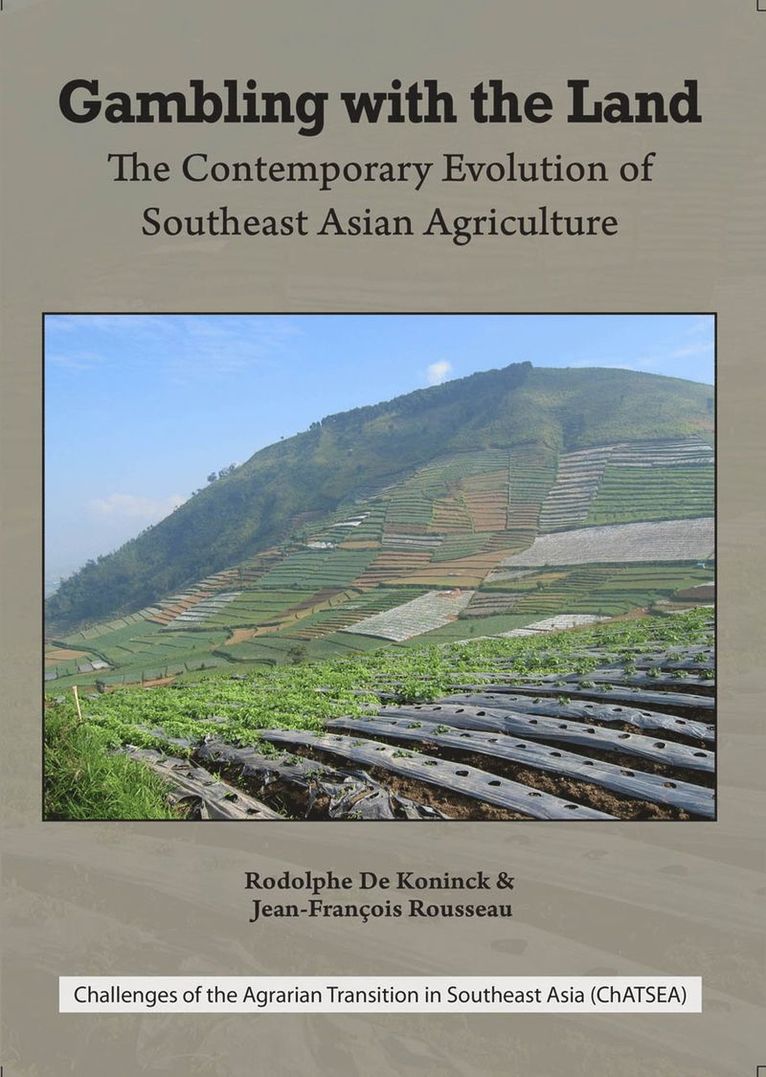
Gambling with the Land
The Contemporary Evolution of Southeast Asian Agriculture
Av Rodolphe de Koninck, Jean-François Rousseau
Inbunden, 2012
512 kr
Lägg i varukorg
Since the early 1960s, Southeast Asia countries have satisfied local demand for food while catering increasingly to the world market for agricultural produce, primarily through the export of industrial crops. Local production of food, particularly rice, has kept pace with population growth, while a …
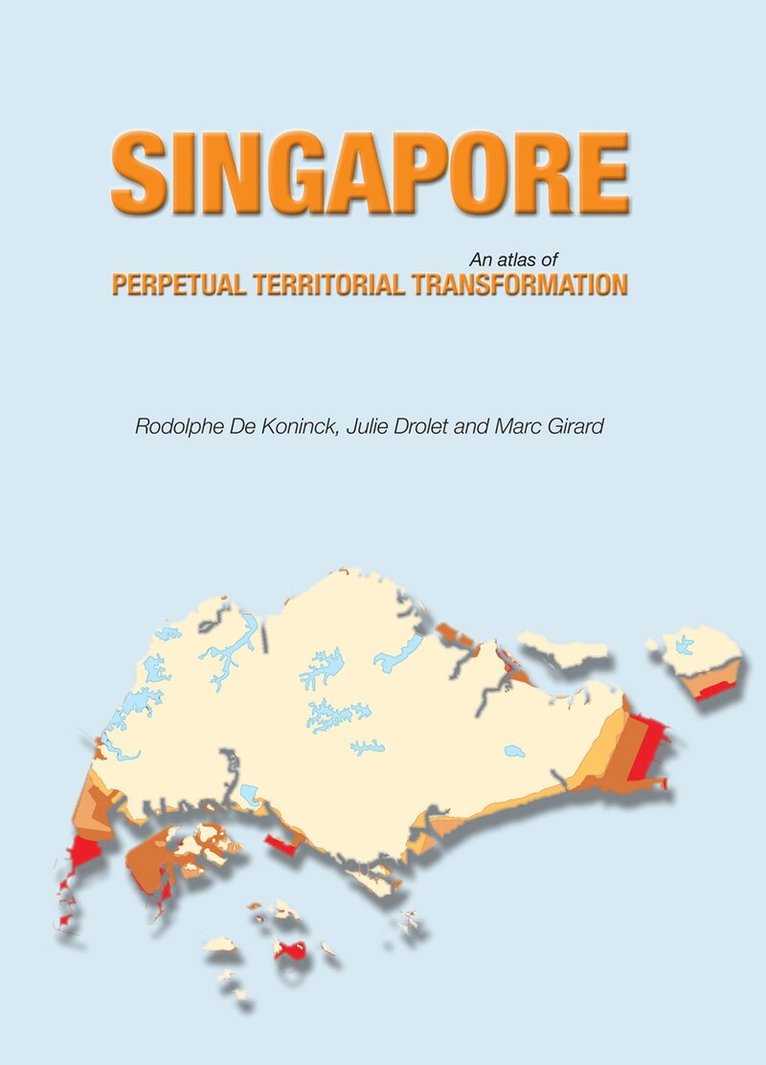
Singapore
An Atlas of Perpetual Territorial Transformation
Av Rodolphe De Koninck, Julie Drolet m. fl.
Inbunden, 2008
267 kr
Tillfälligt slut
Since 1965, when it became a fully independent city-state, Singapore has been an effervescent laboratory of economic, social and environmental transformation and innovation. The island of Singapore is small (currently about 720 sq km), and the government has thoroughly transformed and extended the …
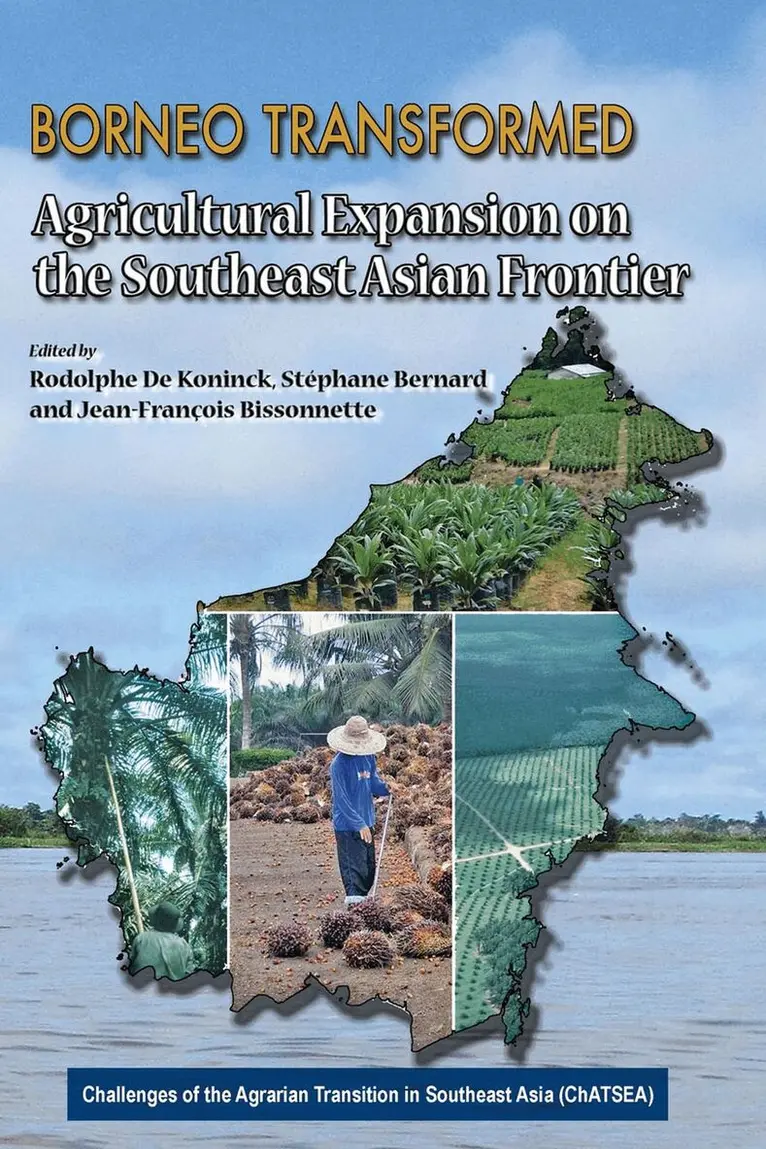
Borneo Transformed
Agricultural Expansion on the Southeast Asian Frontier
Av Rodolphe de Koninck, Jean-Francois Bisonnette
Häftad, 2011
245 kr
Tillfälligt slut
Since the 1960s, Southeast Asia's agricultural sector has experienced phenomenal growth, with increases in production linked to an energy-intensive capitalization of agriculture and the rapid development of agrifood systems and agribusiness. This book takes an in in-depth look into this.