Rodrigo Perez de Arce - Böcker
Visar alla böcker från författaren Rodrigo Perez de Arce. Handla med fri frakt och snabb leverans.
4 produkter
4 produkter
1 638 kr
Tillfälligt slut
Rodrigo Perez de Arce's essay Urban Transformations and Architectural Additions was published during the formative stages of Post Modernism, at the point where theory was becoming seriously established. Jencks' first essays formalising the term Post Modernism in architecture and the revised Learning from Las Vegas were published the previous year. In planning terms, modernism had become associated with comprehensive redevelopment and forms of urban organisation that ignored context, history and any sense of tradition. De Arce considered the essential nature of buildings and the richness of historic urban form and explored how robust that essence was over time. He looked at the value of essential remnants and rich complexities in maintaining a sense of continuity and relevance. Having explored the adaptation process in history, de Arce went on to see how such a process might be simulated in contemporary cities with modern buildings, using additions and layers to change them from objects in infinite windswept space to being part of a rich urban fabric which described urban place. To do this he used concrete examples; housing schemes by James Stirling, new government centres in Chandigrah and Dacca and more prosaic 60's housing blocks.The paper had a fundamental influence on the way that architects and planners thought about the nature of cities: as dynamic organisms that were tangible to human beings, completely opposite to the systems thinking of the time. It contributed to ideas about the importance of street, place and city block which influenced so much recent regeneration practice. As we enter a phase of development where the reuse and adaptation of existing buildings is becoming paramount from both an economic and sustainable point of view, Perez de Arce's paper gives important insights into how to think about the process positively.
447 kr
Skickas inom 10-15 vardagar
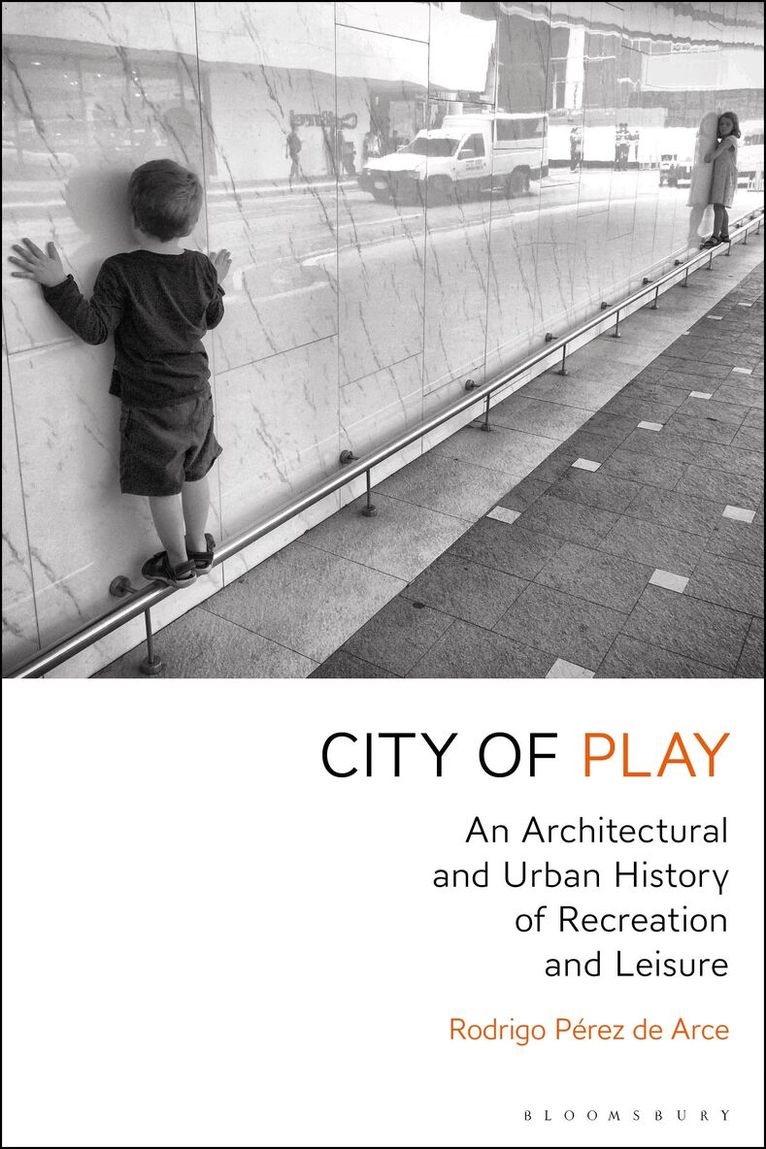
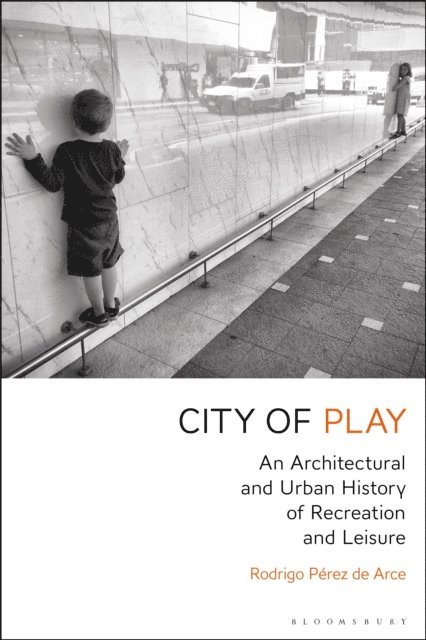
City of Play shows how play is built into the very fabric of the modern city. From playgrounds to theme parks, skittle alleys to swimming pools, to the countless uncontrolled spaces which the urban habitat affords – play is by no means just a childhood affair. A myriad essentially unproductive playful pursuits have, through time, modelled the modern city and landscape. Architect and scholar Rodrigo Pérez de Arce’s erudite, original, and often surprising study explores a curiously neglected dimension of architectural design and practice: ludic space. It is an architectural history of the playground – from the hippodrome to the Situationist city – of space released from productive ends in the pursuit of leisure. But this is more than just a book about how architecture has incorporated play into its spaces and structures, it is a history of the modern city itself. The ludic imagination impregnated modernist ideals, and what begins with the playground ends with a re-consideration of the whole sweep of the modern movement through the filter of leisure and play.Because play is such a basic or fundamental human experience, the book re-grounds the architect’s concerns with those of non-architects – and not only those of adults but also of children. It seeks to give everyone – architects and other ordinary city-dwellers alike – a better understanding about what is at stake in the making of the public spaces of our cities.
1 520 kr
Skickas inom 10-15 vardagar
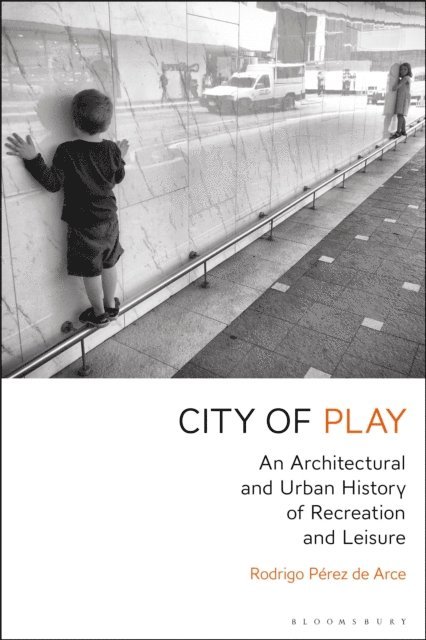
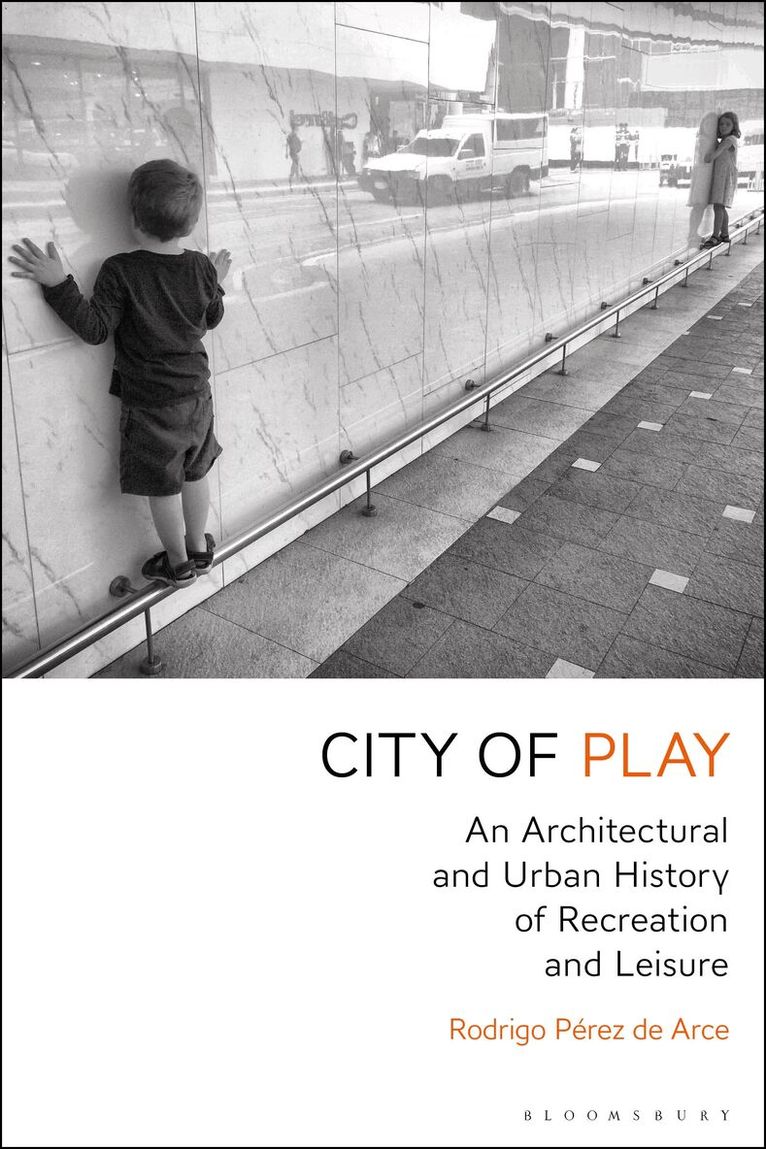
City of Play shows how play is built into the very fabric of the modern city. From playgrounds to theme parks, skittle alleys to swimming pools, to the countless uncontrolled spaces which the urban habitat affords – play is by no means just a childhood affair. A myriad essentially unproductive playful pursuits have, through time, modelled the modern city and landscape. Architect and scholar Rodrigo Pérez de Arce’s erudite, original, and often surprising study explores a curiously neglected dimension of architectural design and practice: ludic space. It is an architectural history of the playground – from the hippodrome to the Situationist city – of space released from productive ends in the pursuit of leisure. But this is more than just a book about how architecture has incorporated play into its spaces and structures, it is a history of the modern city itself. The ludic imagination impregnated modernist ideals, and what begins with the playground ends with a re-consideration of the whole sweep of the modern movement through the filter of leisure and play.Because play is such a basic or fundamental human experience, the book re-grounds the architect’s concerns with those of non-architects – and not only those of adults but also of children. It seeks to give everyone – architects and other ordinary city-dwellers alike – a better understanding about what is at stake in the making of the public spaces of our cities.
368 kr
Skickas inom 3-6 vardagar