Roger B. McDonald – författare
Visar alla böcker från författaren Roger B. McDonald. Handla med fri frakt och snabb leverans.
4 produkter
4 produkter
2 410 kr
Skickas inom 10-15 vardagar
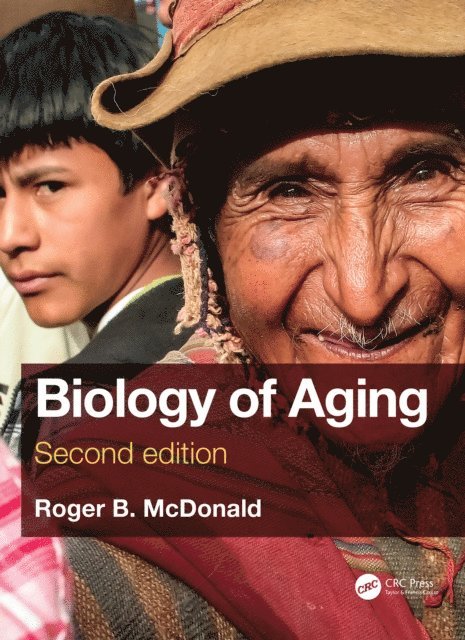
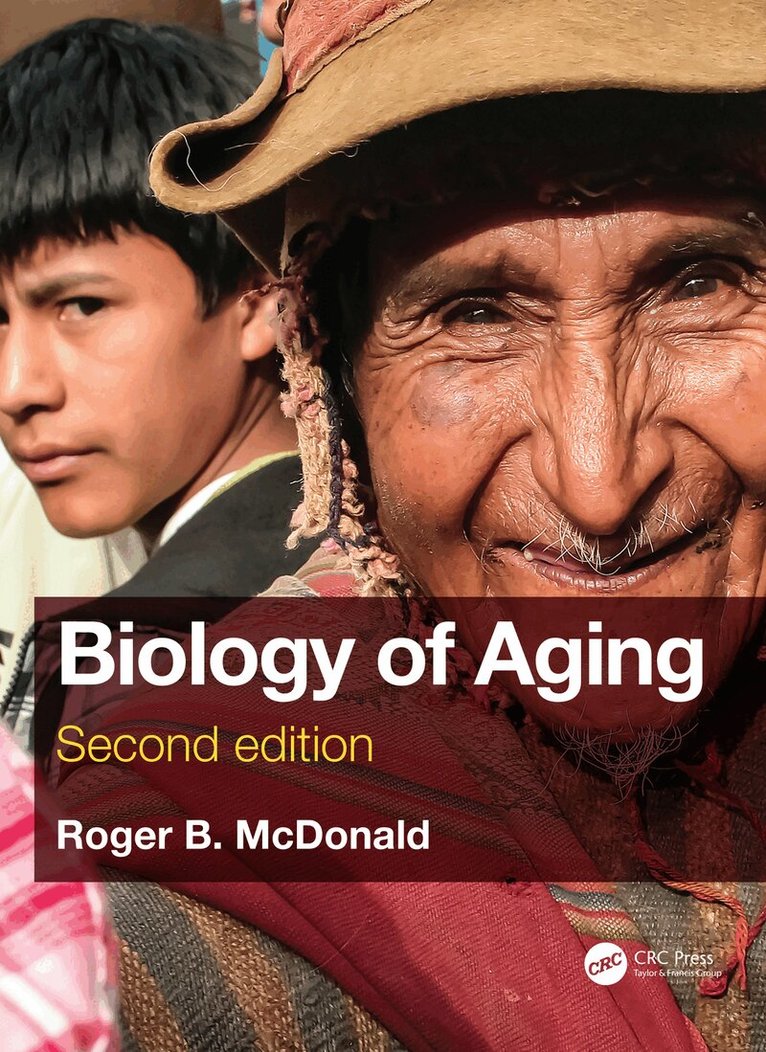
Biology of Aging, Second Edition presents the biological principles that have led to a new understanding of the causes of aging and describes how these basic principles help one to understand the human experience of biological aging, longevity, and age-related disease. Intended for undergraduate biology students, it describes how the rate of biological aging is measured; explores the mechanisms underlying cellular aging; discusses the genetic pathways that affect longevity in various organisms; outlines the normal age-related changes and the functional decline that occurs in physiological systems over the lifespan; and considers the implications of modulating the rate of aging and longevity. The book also includes end-of-chapter discussion questions to help students assess their knowledge of the material.Roger McDonald received his Ph.D. from the University of Southern California and is Professor Emeritus in the Department of Nutrition at the University of California, Davis. Dr. McDonald’s research focused on mechanisms of cellular aging and the interaction between nutrition and aging. His research addressed two key topics in the field: the relationship between dietary restriction and lifespan, and the effect of aging on circadian rhythms and hypothalamic regulation. You can contact Dr. McDonald at rbmcdonald@ucdavis.edu.Related TitlesAhmad, S. I., ed. Aging: Exploring a Complex Phenomenon (ISBN 978-1-1381-9697-1)Moody, H. R. & J. Sasser. Gerontology: The Basics (ISBN 978-1-1387-7582-4)Timiras, P. S. Physiological Basis of Aging and Geriatrics (ISBN 978-0-8493-7305-3)
940 kr
Skickas inom 10-15 vardagar
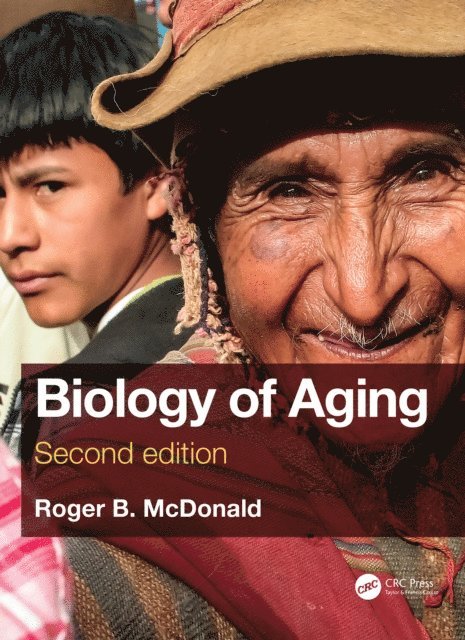
Biology of Aging, Second Edition presents the biological principles that have led to a new understanding of the causes of aging and describes how these basic principles help one to understand the human experience of biological aging, longevity, and age-related disease. Intended for undergraduate biology students, it describes how the rate of biological aging is measured; explores the mechanisms underlying cellular aging; discusses the genetic pathways that affect longevity in various organisms; outlines the normal age-related changes and the functional decline that occurs in physiological systems over the lifespan; and considers the implications of modulating the rate of aging and longevity. The book also includes end-of-chapter discussion questions to help students assess their knowledge of the material.Roger McDonald received his Ph.D. from the University of Southern California and is Professor Emeritus in the Department of Nutrition at the University of California, Davis. Dr. McDonald’s research focused on mechanisms of cellular aging and the interaction between nutrition and aging. His research addressed two key topics in the field: the relationship between dietary restriction and lifespan, and the effect of aging on circadian rhythms and hypothalamic regulation. You can contact Dr. McDonald at rbmcdonald@ucdavis.edu.Related TitlesAhmad, S. I., ed. Aging: Exploring a Complex Phenomenon (ISBN 978-1-1381-9697-1)Moody, H. R. & J. Sasser. Gerontology: The Basics (ISBN 978-1-1387-7582-4)Timiras, P. S. Physiological Basis of Aging and Geriatrics (ISBN 978-0-8493-7305-3)
1 033 kr
Kommande
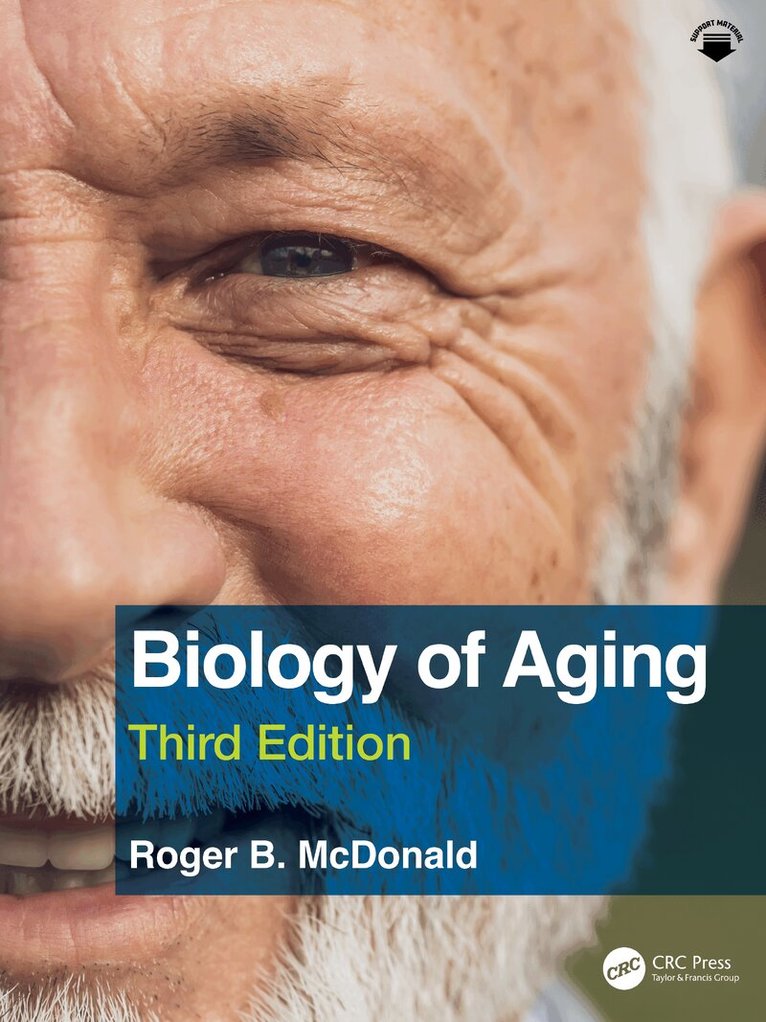
Biology of Aging, Third Edition, offers a comprehensive examination of the principles that have shaped our modern understanding of the cause and mechanisms underlying biological aging. The book explores how the laws of physics serve as the foundation for aging processes, ultimately influencing cellular biochemistry and leading to the observable mechanisms of aging.This third edition describes how new developments in biogerontology have brought about a shift in focus, connecting research on the biology of aging to medical practice. Rather than concentrating solely on molecular pathways that may prolong life span, the field now emphasizes the importance of enhancing overall health alongside extending life span. This approach recognizes that meaningful advances in aging research should aim to improve quality of life, not just increase the number of years lived.Although primarily designed for undergraduate biology students, this textbook has also been widely adopted in a variety of other life sciences courses, demonstrating its versatility and relevance across multiple disciplines. Key Features:Revised and updated content for the new editionEngaging, accessible, and easy to read textTop-quality full-color figures help to illustrate key conceptsEnd-of-chapter discussion questions allow the reader to test their understanding of chapter contentBulleted lists of essential concepts summarize the key points in each chapterBold words in text are linked to an extensive glossary
2 535 kr
Kommande
Biology of Aging, Third Edition, offers a comprehensive examination of the principles that have shaped our modern understanding of the cause and mechanisms underlying biological aging. The book explores how the laws of physics serve as the foundation for aging processes, ultimately influencing cellular biochemistry and leading to the observable mechanisms of aging.This third edition describes how new developments in biogerontology have brought about a shift in focus, connecting research on the biology of aging to medical practice. Rather than concentrating solely on molecular pathways that may prolong life span, the field now emphasizes the importance of enhancing overall health alongside extending life span. This approach recognizes that meaningful advances in aging research should aim to improve quality of life, not just increase the number of years lived.Although primarily designed for undergraduate biology students, this textbook has also been widely adopted in a variety of other life sciences courses, demonstrating its versatility and relevance across multiple disciplines. Key Features:Revised and updated content for the new editionEngaging, accessible, and easy to read textTop-quality full-color figures help to illustrate key conceptsEnd-of-chapter discussion questions allow the reader to test their understanding of chapter contentBulleted lists of essential concepts summarize the key points in each chapterBold words in text are linked to an extensive glossary