Roger Balm - Böcker
Visar alla böcker från författaren Roger Balm. Handla med fri frakt och snabb leverans.
4 produkter
4 produkter
647 kr
Skickas inom 10-15 vardagar
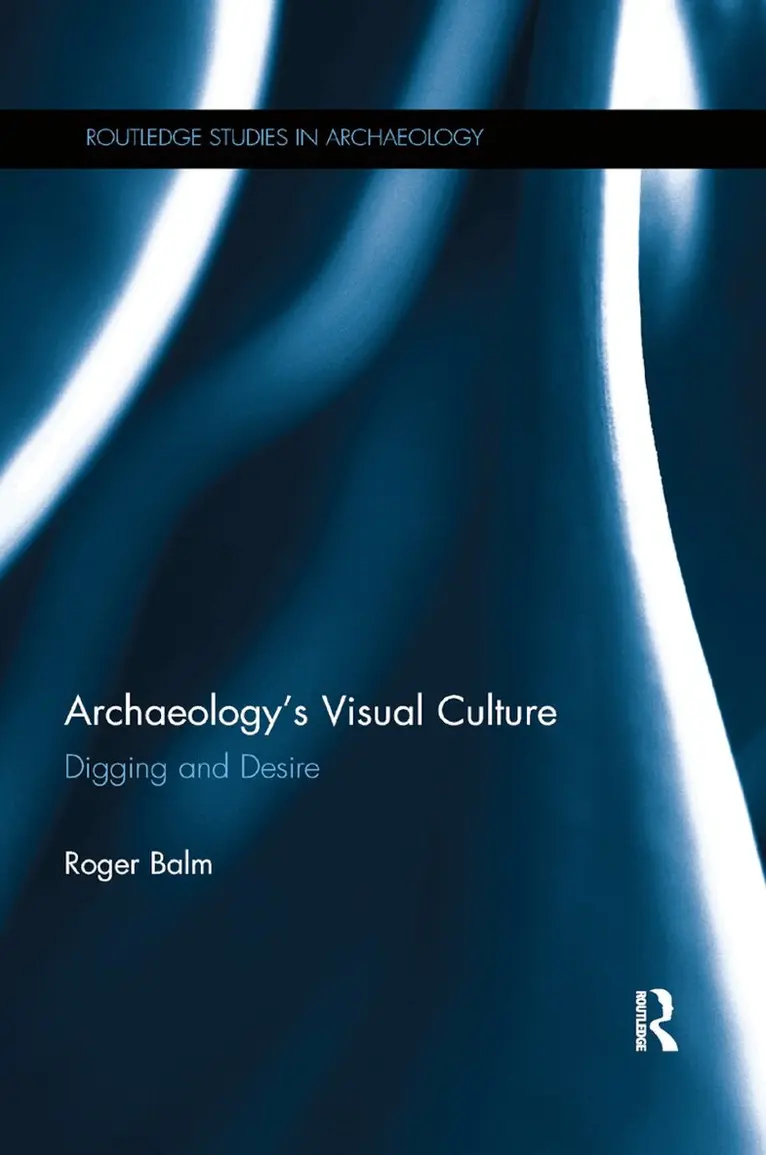
Archaeology’s Visual Culture explores archaeology through the lens of visual culture theory. The insistent visuality of archaeology is a key stimulus for the imaginative and creative interpretation of our encounters with the past. Balm investigates the nature of this projection of the visual, revealing an embedded subjectivity in the imagery of archaeology and acknowledging the multiplicity of meanings that cohere around artifacts, archaeological sites and museum displays. Using a wide range of case studies, the book highlights how archaeologists can view objects and the consequences that ensue from these ways of seeing.Throughout the book Balm considers the potential for documentary images and visual material held in archives to perform cultural work within and between groups of specialists. With primary sources ranging from the mid-nineteenth to the early twenty-first century, this volume also maps the intellectual and social connections between archaeologists and their peers. Geographical settings include Britain, Cyprus, Mesoamerica, the Middle East and the United States, and the sites of visual encounter are no less diverse, ranging from excavation reports in salvage archaeology to instrumentally derived data-sets and remote-sensing imagery. By forensically examining selected visual records from published accounts and archival sources, enduring tropes of representation become apparent that transcend issues of style and reflect fundamental visual sensibilities within the discipline of archaeology.
2 166 kr
Skickas inom 10-15 vardagar
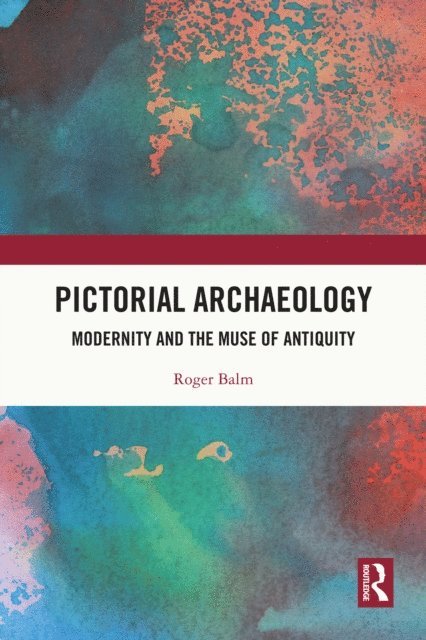
This book explores the expressly pictorial type of visual archaeology, the transcribing of three-dimensional materiality into two-dimensional depictions, and its influential history within the discipline. The picturing of ancient sites and artifacts to convey information links visual reporting with the workings of the imagination and indicates that the study of antiquity has always had a hybrid identity: part artistic and part scientific. In examining expressly pictorial forms of visual story-telling about the past, this book looks beyond certain supposed "creative turns" and focuses instead on creative continuities, answering key questions about the power of picturing and its ability to not only inform documentary practices but actively structure those practices. How are prints, drawings, paintings and photographs able to collapse the three-dimensional world of the ancient past onto a flat page but also convey a sense of material reality? In contemporary practice, how do pictorial ways of seeing enable the interpretation of material remains but also shape the recognition of digital traces on a computer screen? Published illustrations, both historical and contemporary, are primary sources of evidence for answering such questions and identifying common patterns of pictorial information.This book provides a framework for scholars researching the visual culture of archaeology as well as the history of archaeology. It is also recommended for professionals in the fields of heritage studies, conservation and community archaeology.
648 kr
Skickas inom 10-15 vardagar
This book explores the expressly pictorial type of visual archaeology, the transcribing of three-dimensional materiality into two-dimensional depictions, and its influential history within the discipline. The picturing of ancient sites and artifacts to convey information links visual reporting with the workings of the imagination and indicates that the study of antiquity has always had a hybrid identity: part artistic and part scientific. In examining expressly pictorial forms of visual story-telling about the past, this book looks beyond certain supposed "creative turns" and focuses instead on creative continuities, answering key questions about the power of picturing and its ability to not only inform documentary practices but actively structure those practices. How are prints, drawings, paintings and photographs able to collapse the three-dimensional world of the ancient past onto a flat page but also convey a sense of material reality? In contemporary practice, how do pictorial ways of seeing enable the interpretation of material remains but also shape the recognition of digital traces on a computer screen? Published illustrations, both historical and contemporary, are primary sources of evidence for answering such questions and identifying common patterns of pictorial information.This book provides a framework for scholars researching the visual culture of archaeology as well as the history of archaeology. It is also recommended for professionals in the fields of heritage studies, conservation and community archaeology.
2 235 kr
Skickas inom 10-15 vardagar
Archaeology’s Visual Culture explores archaeology through the lens of visual culture theory. The insistent visuality of archaeology is a key stimulus for the imaginative and creative interpretation of our encounters with the past. Balm investigates the nature of this projection of the visual, revealing an embedded subjectivity in the imagery of archaeology and acknowledging the multiplicity of meanings that cohere around artifacts, archaeological sites and museum displays. Using a wide range of case studies, the book highlights how archaeologists can view objects and the consequences that ensue from these ways of seeing.Throughout the book Balm considers the potential for documentary images and visual material held in archives to perform cultural work within and between groups of specialists. With primary sources ranging from the mid-nineteenth to the early twenty-first century, this volume also maps the intellectual and social connections between archaeologists and their peers. Geographical settings include Britain, Cyprus, Mesoamerica, the Middle East and the United States, and the sites of visual encounter are no less diverse, ranging from excavation reports in salvage archaeology to instrumentally derived data-sets and remote-sensing imagery. By forensically examining selected visual records from published accounts and archival sources, enduring tropes of representation become apparent that transcend issues of style and reflect fundamental visual sensibilities within the discipline of archaeology.