Roger C. Schank – författare
Visar alla böcker från författaren Roger C. Schank. Handla med fri frakt och snabb leverans.
34 produkter
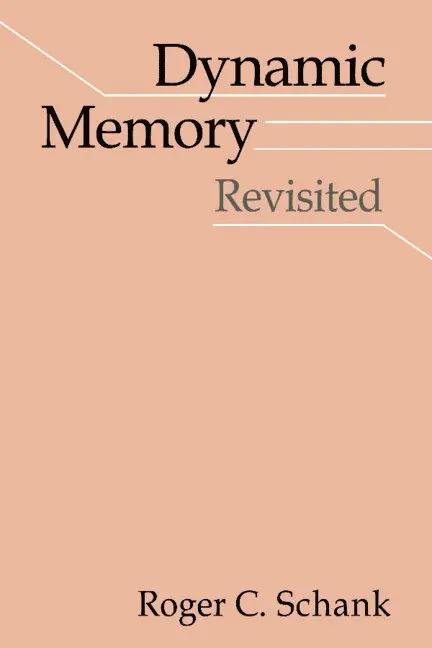
Dynamic Memory Revisited
Inbunden, 1999
1741 kr
Lägg i varukorg
Roger Schank's influential book, Dynamic Memory, described how computers could learn based upon what was known about how people learn. Since that book's publication in 1982, Dr Schank has turned his focus from artificial intelligence to human intelligence. Dynamic Memory Revisited contains the …
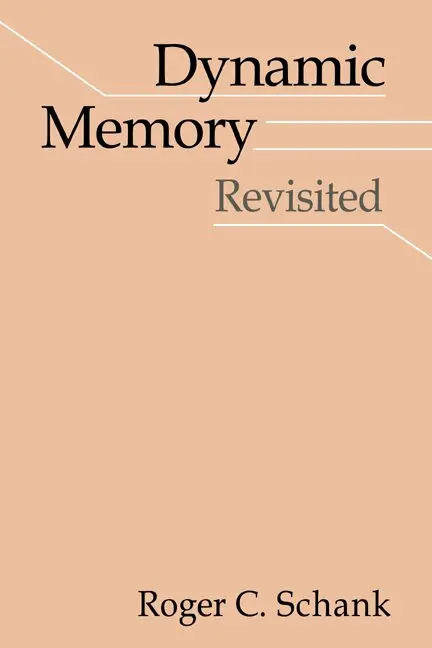
Dynamic Memory Revisited
Häftad, 1999
711 kr
Lägg i varukorg
Roger Schank's influential book, Dynamic Memory, described how computers could learn based upon what was known about how people learn. Since that book's publication in 1982, Dr Schank has turned his focus from artificial intelligence to human intelligence. Dynamic Memory Revisited contains the …
Lessons in Learning, e-Learning, and Training
Perspectives and Guidance for the Enlightened Trainer
Häftad, 2005
705 kr
Lägg i varukorg
From Roger C. Schank—one of the most highly respected thinkers, writers, and speakers in the training, learning, and e-learning community—comes a compelling book of essays that explore the myriad issues related to challenges faced by today’s instructional designers and trainers. The essays offer a …
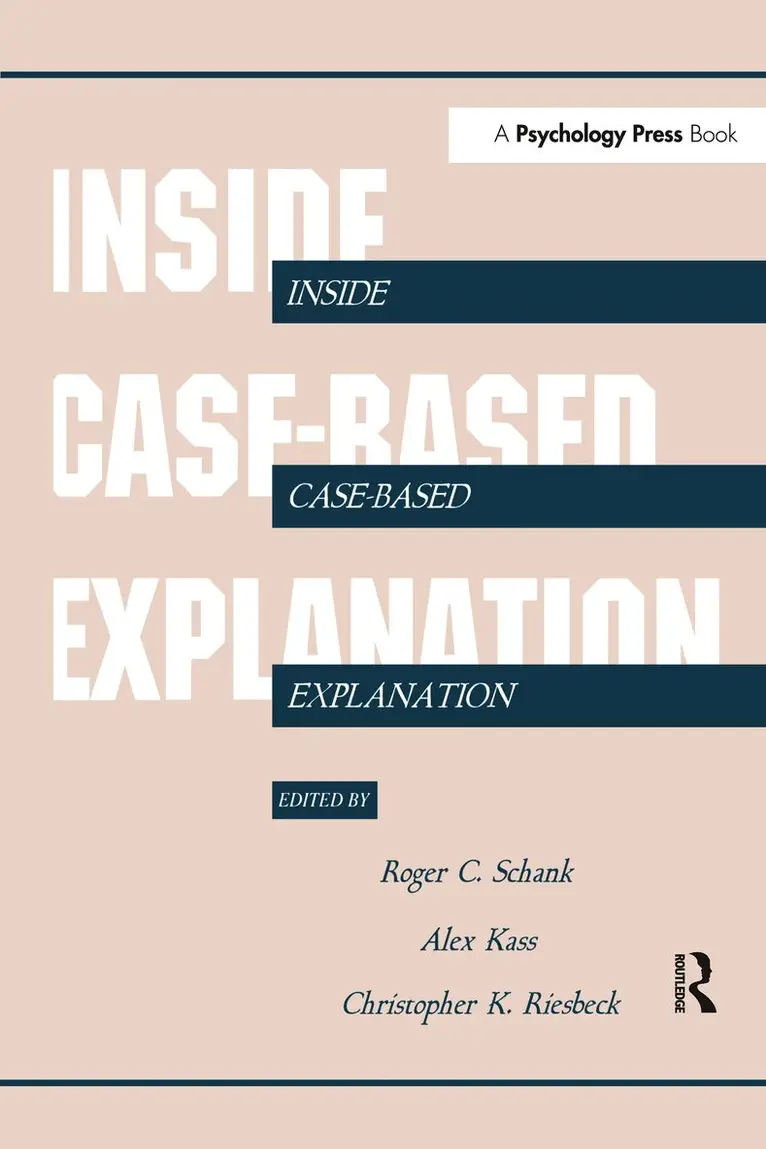
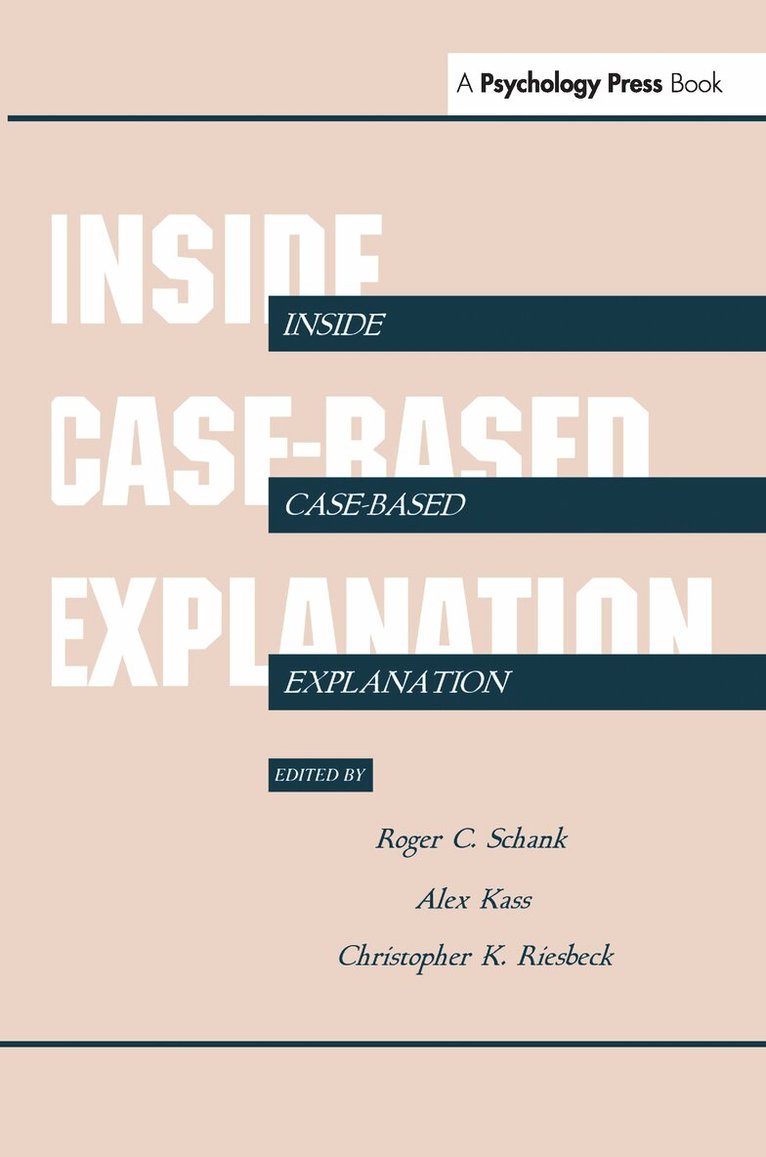
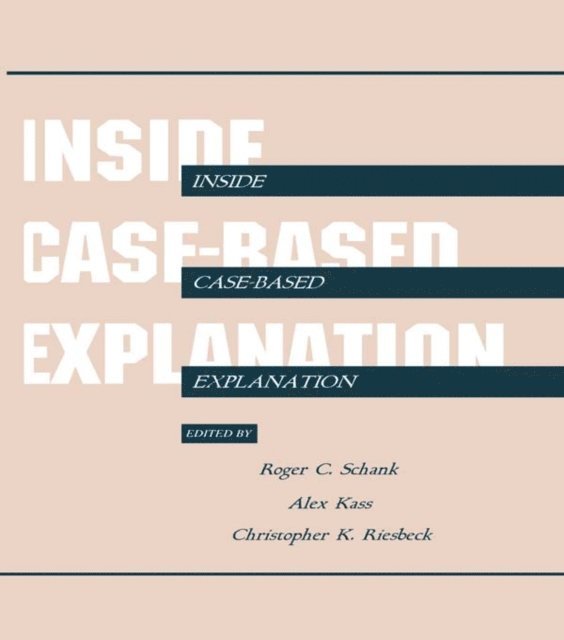
Inside Case-Based Explanation
Av Roger C. Schank, Alex Kass m. fl.
Inbunden, 1994
788 kr
Lägg i varukorg
This book is the third volume in a series that provides a hands-on perspective on the evolving theories associated with Roger Schank and his students. The primary focus of this volume is on constructing explanations. All of the chapters relate to the problem of building computer programs that can …
Inside Case-Based Explanation
Av Roger C. Schank, Alex Kass m. fl.
Häftad, 1994
323 kr
Lägg i varukorg
This book is the third volume in a series that provides a hands-on perspective on the evolving theories associated with Roger Schank and his students. The primary focus of this volume is on constructing explanations. All of the chapters relate to the problem of building computer programs that can …
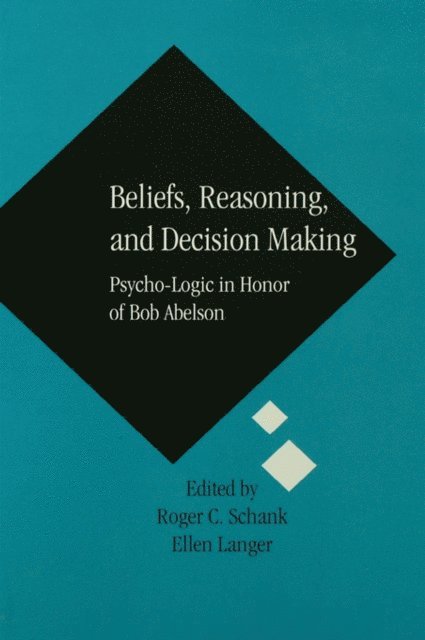
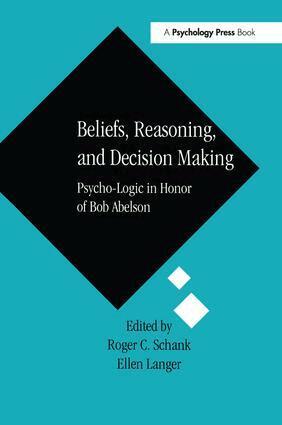
Beliefs, Reasoning, and Decision Making
Psycho-Logic in Honor of Bob Abelson
Av Roger C. Schank, Ellen Langer
Inbunden, 1994
2445 kr
Lägg i varukorg
It is not unusual for a festschrift to include offerings from several areas of study, but it is highly unusual for those areas to cross disciplinary lines. This book, in doing just that, is a testimony to Bob Abelson's impact on the disciplines of social psychology, artificial intelligence and …
Engines for Education
Av Roger C. Schank, Chip Cleary
Häftad, 1995
432 kr
Lägg i varukorg
Most six-year-olds can't wait to go to school on that first day in September. It's a sign of coming of age. They get to go to school like the big kids. For an alarmingly large number of these children, however, boredom, anxiety, and fear of learning quickly set in.This happens because societies …
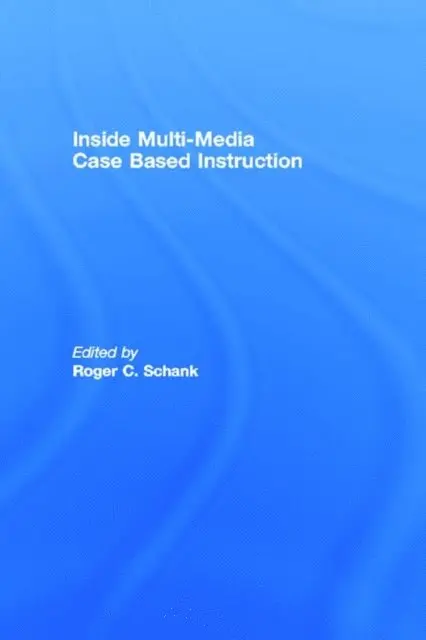
Inside Multi-Media Case Based Instruction
Inbunden, 1998
2591 kr
Lägg i varukorg
The fourth in the Inside series, this volume includes four theses completed under the editor's direction at the Institute for the Learning Sciences at Northwestern University. This series bridges the gap between Schank's books introducing (for a popular audience) the theories behind his work in …
Inside Multi-Media Case Based Instruction
Häftad, 1998
984 kr
Lägg i varukorg
The fourth in the Inside series, this volume includes four theses completed under the editor's direction at the Institute for the Learning Sciences at Northwestern University. This series bridges the gap between Schank's books introducing (for a popular audience) the theories behind his work in …
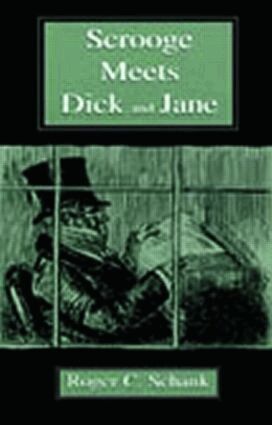
Scrooge Meets Dick and Jane
Häftad, 2001
602 kr
Lägg i varukorg
To hear politicians talk, one would think the entire purpose of school is to assess children rather than educate them. Excitement about learning doesn't seem to be on anyone's agenda. The villains are those who profit from testing mania, make the tests, coach for testing, publish the books on which …
Making Minds Less Well Educated Than Our Own
Inbunden, 2004
941 kr
Lägg i varukorg
In the author's words: "This book is an honest attempt to understand what it means to be educated in today's world." His argument is this: No matter how important science and technology seem to industry or government or indeed to the daily life of people, as a society we believe that those educated …
Making Minds Less Well Educated Than Our Own
Häftad, 2004
361 kr
Lägg i varukorg
In the author's words: "This book is an honest attempt to understand what it means to be educated in today's world." His argument is this: No matter how important science and technology seem to industry or government or indeed to the daily life of people, as a society we believe that those educated …
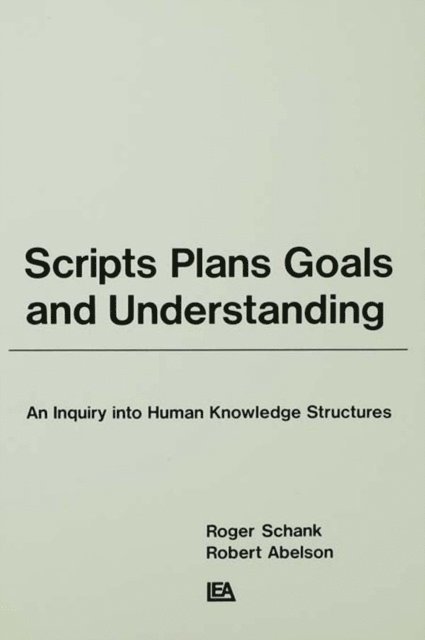
Scripts, Plans, Goals, and Understanding
An Inquiry Into Human Knowledge Structures
Av Roger C. Schank, Robert P. Abelson
Inbunden, 1977
2445 kr
Lägg i varukorg
First Published in 1977. In the summer of 1971, there was a workshop in an ill-defined field at the intersection of psychology, artificial intelligence, and linguistics. The fifteen participants were in various ways interested in the representation of large systems of knowledge (or beliefs) based …
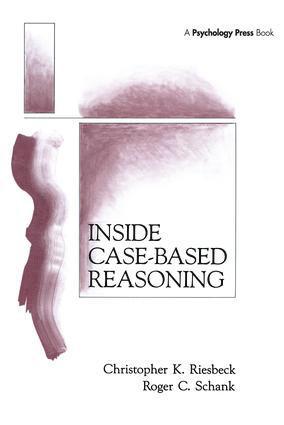
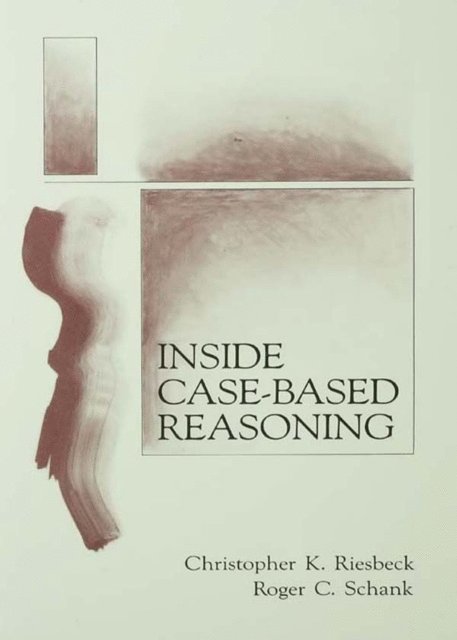
Inside Case-Based Reasoning
Av Christopher K. Riesbeck, Roger C. Schank
Inbunden, 1989
2445 kr
Lägg i varukorg
Introducing issues in dynamic memory and case-based reasoning, this comprehensive volume presents extended descriptions of four major programming efforts conducted at Yale during the past several years. Each descriptive chapter is followed by a companion chapter containing the micro program version …
Beliefs, Reasoning, and Decision Making
Psycho-Logic in Honor of Bob Abelson
Av Ellen Langer, Roger C. Schank
E-bok, 2013
943 kr
Lägg i varukorg
It is not unusual for a festschrift to include offerings from several areas of study, but it is highly unusual for those areas to cross disciplinary lines. This book, in doing just that, is a testimony to Bob Abelson''s impact on the disciplines of social psychology, artificial intelligence and …
Beliefs, Reasoning, and Decision Making
Psycho-Logic in Honor of Bob Abelson
Av Ellen Langer, Roger C. Schank
E-bok, 2013
922 kr
Lägg i varukorg
It is not unusual for a festschrift to include offerings from several areas of study, but it is highly unusual for those areas to cross disciplinary lines. This book, in doing just that, is a testimony to Bob Abelson''s impact on the disciplines of social psychology, artificial intelligence and …
Scripts, Plans, Goals, and Understanding
An Inquiry Into Human Knowledge Structures
Av Robert P. Abelson, Roger C. Schank
E-bok, 2013
892 kr
Lägg i varukorg
First Published in 1977. In the summer of 1971, there was a workshop in an ill-defined field at the intersection of psychology, artificial intelligence, and linguistics. The fifteen participants were in various ways interested in the representation of large systems of knowledge (or beliefs) based …
Scripts, Plans, Goals, and Understanding
An Inquiry Into Human Knowledge Structures
Av Robert P. Abelson, Roger C. Schank
E-bok, 2013
892 kr
Lägg i varukorg
First Published in 1977. In the summer of 1971, there was a workshop in an ill-defined field at the intersection of psychology, artificial intelligence, and linguistics. The fifteen participants were in various ways interested in the representation of large systems of knowledge (or beliefs) based …
Inside Case-Based Reasoning
Av Roger C. Schank, Christopher K. Riesbeck
E-bok, 2013
1052 kr
Lägg i varukorg
Introducing issues in dynamic memory and case-based reasoning, this comprehensive volume presents extended descriptions of four major programming efforts conducted at Yale during the past several years. Each descriptive chapter is followed by a companion chapter containing the micro program version …
Inside Case-Based Reasoning
Av Roger C. Schank, Christopher K. Riesbeck
E-bok, 2013
1052 kr
Lägg i varukorg
Introducing issues in dynamic memory and case-based reasoning, this comprehensive volume presents extended descriptions of four major programming efforts conducted at Yale during the past several years. Each descriptive chapter is followed by a companion chapter containing the micro program version …
Making Minds Less Well Educated Than Our Own
E-bok, 2004
421 kr
Lägg i varukorg
In the author''s words: "This book is an honest attempt to understand what it means to be educated in today''s world." His argument is this: No matter how important science and technology seem to industry or government or indeed to the daily life of people, as a society we believe that those …
Making Minds Less Well Educated Than Our Own
E-bok, 2004
412 kr
Lägg i varukorg
In the author''s words: "This book is an honest attempt to understand what it means to be educated in today''s world." His argument is this: No matter how important science and technology seem to industry or government or indeed to the daily life of people, as a society we believe that those …
Scrooge Meets Dick and Jane
E-bok, 2005
707 kr
Lägg i varukorg
To hear politicians talk, one would think the entire purpose of school is to assess children rather than educate them. Excitement about learning doesn''t seem to be on anyone''s agenda. The villains are those who profit from testing mania, make the tests, coach for testing, publish the books on …
Scrooge Meets Dick and Jane
E-bok, 2005
707 kr
Lägg i varukorg
To hear politicians talk, one would think the entire purpose of school is to assess children rather than educate them. Excitement about learning doesn''t seem to be on anyone''s agenda. The villains are those who profit from testing mania, make the tests, coach for testing, publish the books on …
Inside Multi-Media Case Based Instruction
E-bok, 2012
1094 kr
Lägg i varukorg
The fourth in the Inside series, this volume includes four theses completed under the editor''s direction at the Institute for the Learning Sciences at Northwestern University. This series bridges the gap between Schank''s books introducing (for a popular audience) the theories behind his work in …
Inside Multi-Media Case Based Instruction
E-bok, 2012
1070 kr
Lägg i varukorg
The fourth in the Inside series, this volume includes four theses completed under the editor''s direction at the Institute for the Learning Sciences at Northwestern University. This series bridges the gap between Schank''s books introducing (for a popular audience) the theories behind his work in …
Beliefs, Reasoning, and Decision Making
Psycho-Logic in Honor of Bob Abelson
Av Roger C. Schank, Ellen Langer
Häftad, 2016
801 kr
Lägg i varukorg
It is not unusual for a festschrift to include offerings from several areas of study, but it is highly unusual for those areas to cross disciplinary lines. This book, in doing just that, is a testimony to Bob Abelson's impact on the disciplines of social psychology, artificial intelligence and …
Inside Case-Based Explanation
Av Christopher K. Riesbeck, Alex Kass m. fl.
E-bok, 2014
321 kr
Lägg i varukorg
This book is the third volume in a series that provides a hands-on perspective on the evolving theories associated with Roger Schank and his students. The primary focus of this volume is on constructing explanations. All of the chapters relate to the problem of building computer programs that can …
Inside Case-Based Explanation
Av Christopher K. Riesbeck, Alex Kass m. fl.
E-bok, 2014
321 kr
Lägg i varukorg
This book is the third volume in a series that provides a hands-on perspective on the evolving theories associated with Roger Schank and his students. The primary focus of this volume is on constructing explanations. All of the chapters relate to the problem of building computer programs that can …