Roger Daniels – författare
Visar alla böcker från författaren Roger Daniels. Handla med fri frakt och snabb leverans.
18 produkter
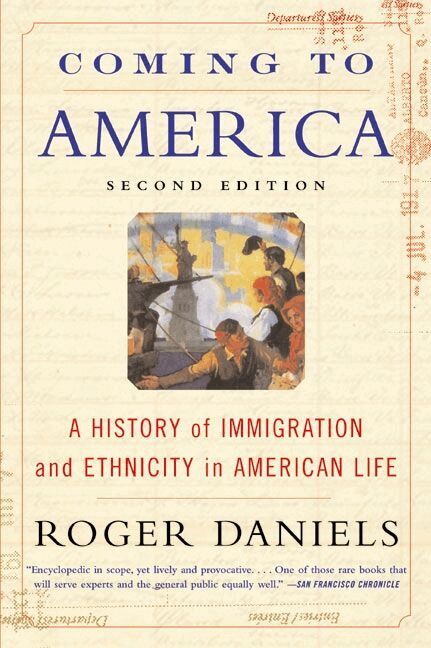
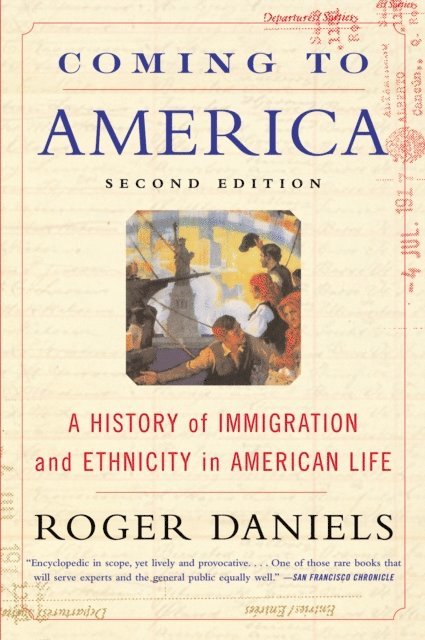
Coming to America
A History of Immigration and Ethnicity in American Life
E-bok, 2024
113 kr
Lägg i varukorg
"Perhaps the most authoritative and readable single-volume history of immigration yet written." —Daily HeraldFormer professor Roger Daniels does his utmost to capture the history of immigration to America as accurately as possible in this definitive account of one of the most pressing and layered …
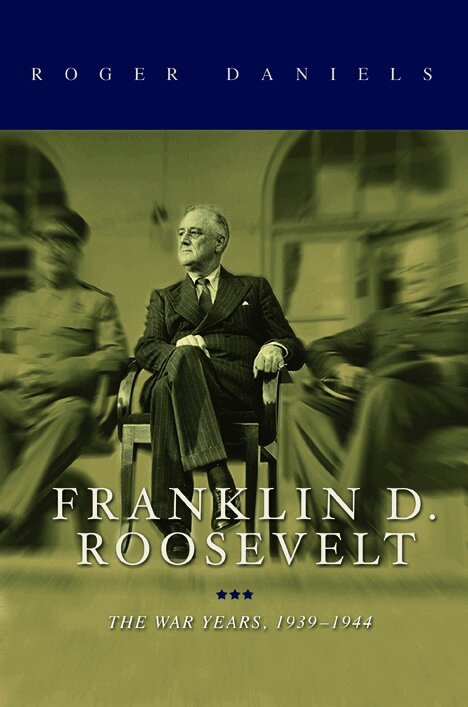
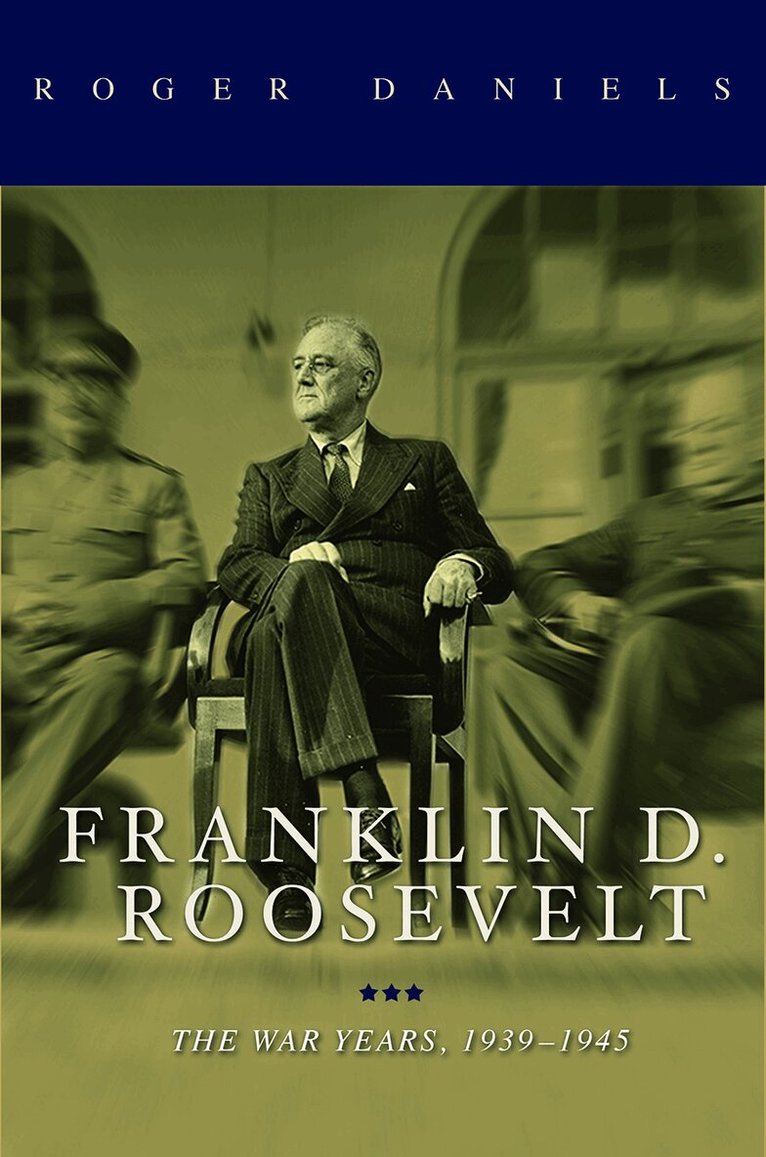
Franklin D. Roosevelt
The War Years, 1939-1945
Inbunden, 2016
446 kr
Lägg i varukorg
Having guided the nation through the worst economic crisis in its history, Franklin Delano Roosevelt by 1939 was turning his attention to a world on the brink of war. The second part of Roger Daniels's biography focuses on FDR's growing mastery in foreign affairs. Relying on FDR's own words to the …
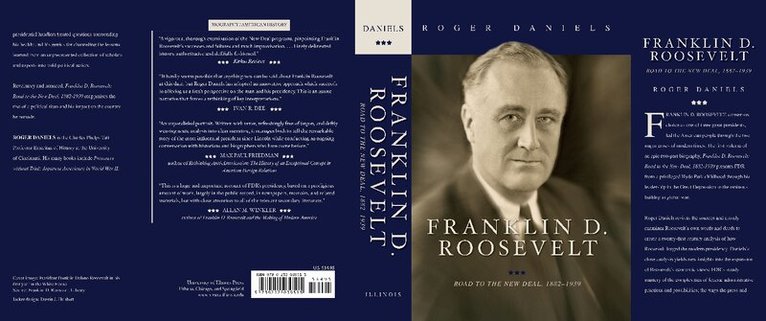
Franklin D. Roosevelt
Road to the New Deal, 1882-1939
Häftad, 2018
408 kr
Lägg i varukorg
Franklin D. Roosevelt, consensus choice as one of three great presidents, led the American people through the two major crises of modern times. The first volume of an epic two-part biography, Franklin D. Roosevelt: Road to the New Deal, 1882-1939 presents FDR from a privileged Hyde Park childhood …
Franklin D. Roosevelt
The War Years, 1939-1945
Häftad, 2019
527 kr
Lägg i varukorg
Having guided the nation through the worst economic crisis in its history, Franklin Delano Roosevelt by 1939 was turning his attention to a world on the brink of war. The second part of Roger Daniels's biography focuses on FDR's growing mastery in foreign affairs. Relying on FDR's own words to the …
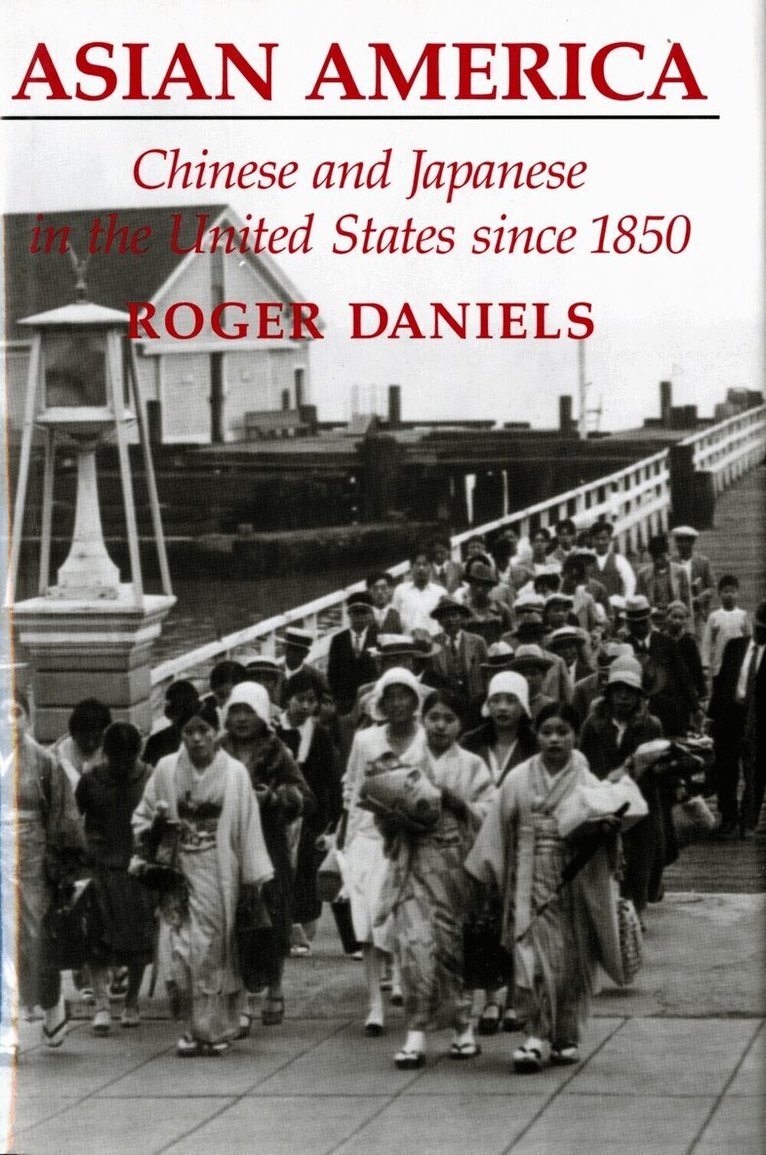
Asian America
Chinese and Japanese in the United States since 1850
Häftad, 1990
472 kr
Lägg i varukorg
In this important and masterful synthesis of the Chinese and Japanese experience in America, historian Roger Daniels provides a new perspective on the significance of Asian immigration to the United States. Examining the period from the mid-nineteenth century to the early 1980s, Daniels presents a …
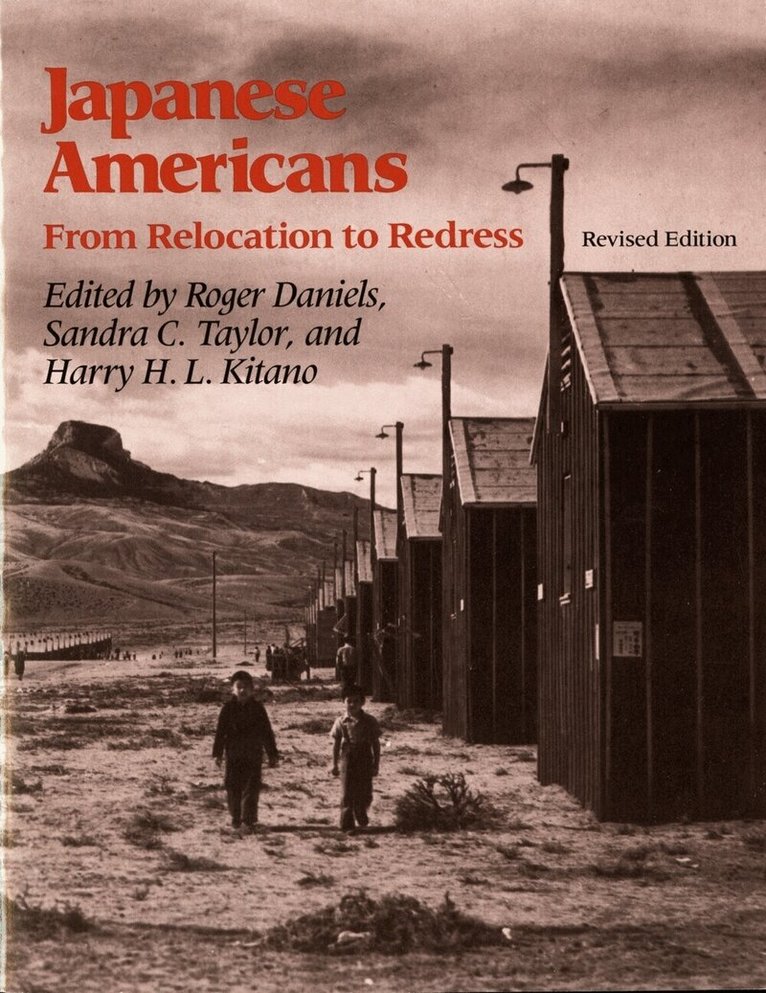
Japanese Americans
From Relocation to Redress
Av Roger Daniels, Sandra C. Taylor m. fl.
Häftad, 1991
472 kr
Lägg i varukorg
This revised and expanded edition of Japanese Americans: From Relocation to Redress presents the most complete and current published account of the Japanese American experience from the evacuation order of World War II to the public policy debate over redress and reparations. A chronology and …
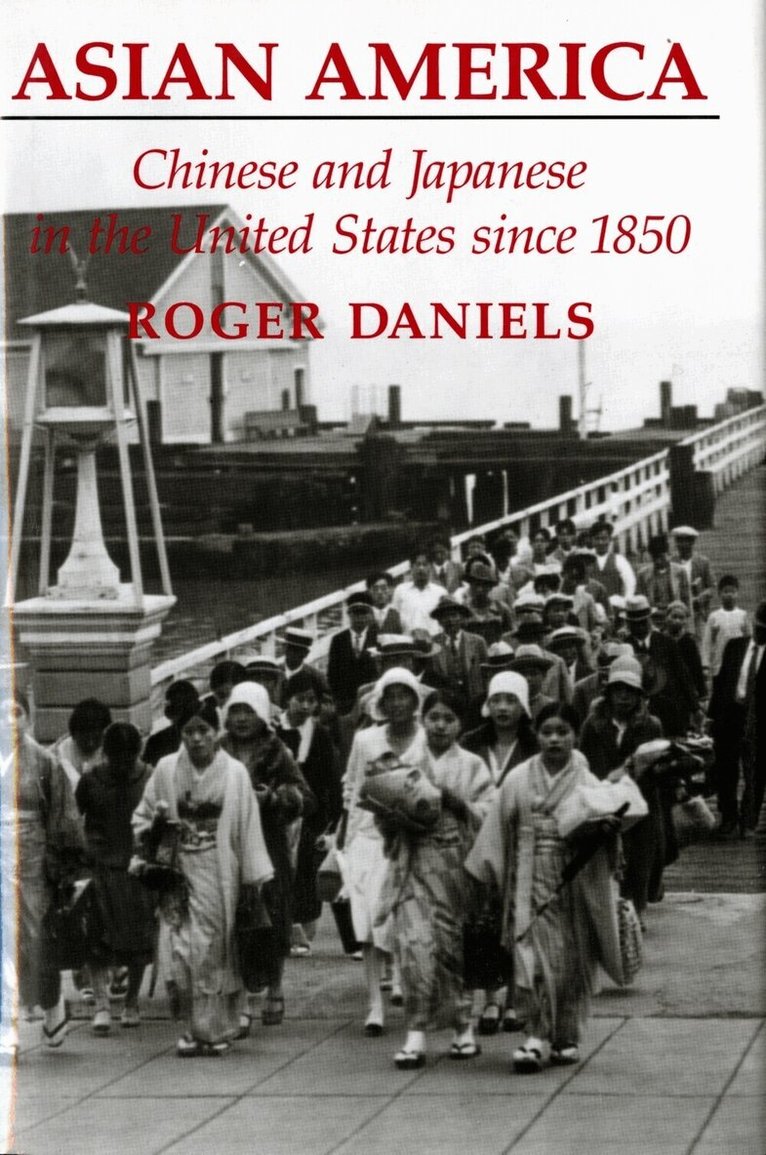
Asian America
Chinese and Japanese in the United States since 1850
Inbunden, 2015
1819 kr
Lägg i varukorg
In this important and masterful synthesis of the Chinese and Japanese experience in America, historian Roger Daniels provides a new perspective on the significance of Asian immigration to the United States. Examining the period from the mid-nineteenth century to the early 1980s, Daniels presents a …
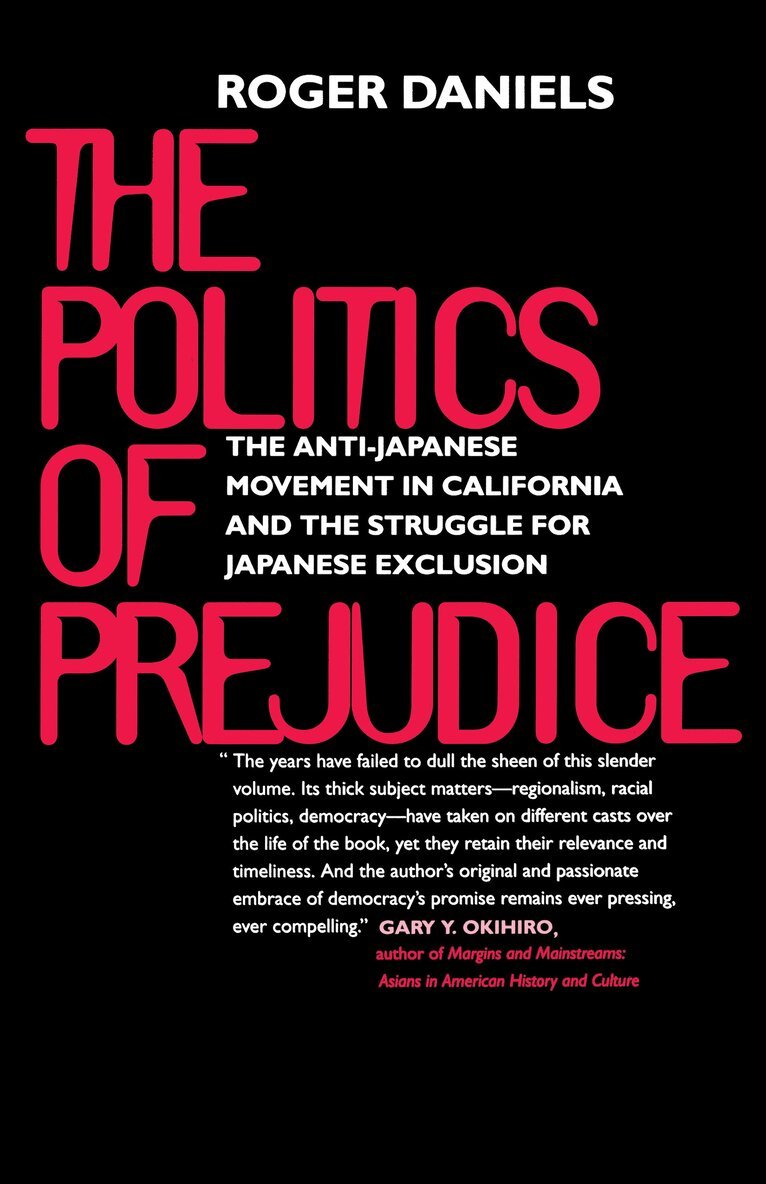
Politics of Prejudice
The Anti-Japanese Movement in California and the Struggle for Japanese Exclusion
Häftad, 1999
353 kr
Lägg i varukorg
This classic study offers a history of anti-Japanese prejudice in California, extending from the late nineteenth century to 1924, when an immigration act excluded Japanese from entering the United States. The Politics of Prejudice details the political climate that helped to set the stage for the …
Politics of Prejudice
The Anti-Japanese Movement in California and the Struggle for Japanese Exclusion
E-bok, 1999
411 kr
Lägg i varukorg
This classic study offers a history of anti-Japanese prejudice in California, extending from the late nineteenth century to 1924, when an immigration act excluded Japanese from entering the United States. The Politics of Prejudice details the political climate that helped to set the stage for the …
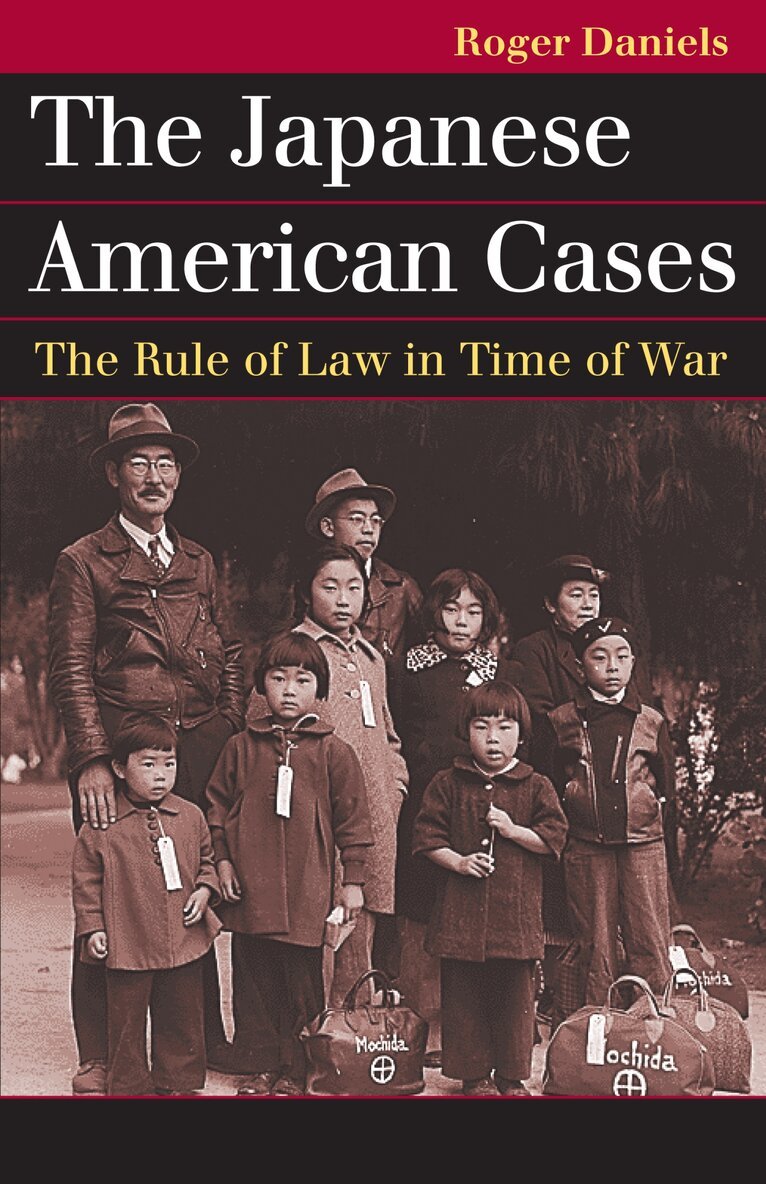
Japanese American Cases
The Rule of Law in Time of War
Häftad, 2013
305 kr
Lägg i varukorg
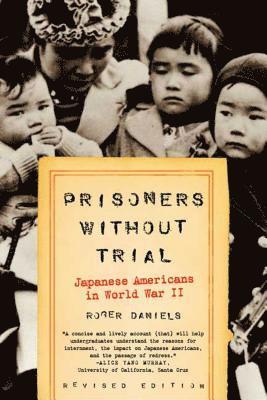
After Pearl Harbor, President Roosevelt, claiming a never documented “military necessity,” ordered the removal and incarceration of 120,000 Japanese Americans during World War II solely because of their ancestry. As Roger Daniels movingly describes, almost all reluctantly obeyed their government …
Japanese American Cases
The Rule of Law in Time of War
E-bok, 2014
410 kr
Lägg i varukorg
After Pearl Harbor, President Roosevelt, claiming a never documented “military necessity,” ordered the removal and incarceration of 120,000 Japanese Americans during World War II solely because of their ancestry. As Roger Daniels movingly describes, almost all reluctantly obeyed their government …
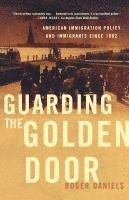
Guarding the Golden Door
American Immigration Policy and Immigrants Since 1882
Häftad, 2005
305 kr
Lägg i varukorg
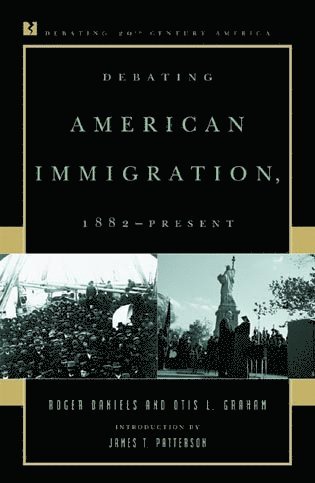
Debating American Immigration, 1882-Present
Av Roger Daniels, Otis L. Graham Jr.
Häftad, 2001
575 kr
Lägg i varukorg
In Debating American Immigration, 1882-Present, prominent historians Roger Daniels and Otis Graham offer competing interpretations of the past, present, and future of American immigration policy and American attitudes towards immigration. Through original essays and supporting primary documents, …
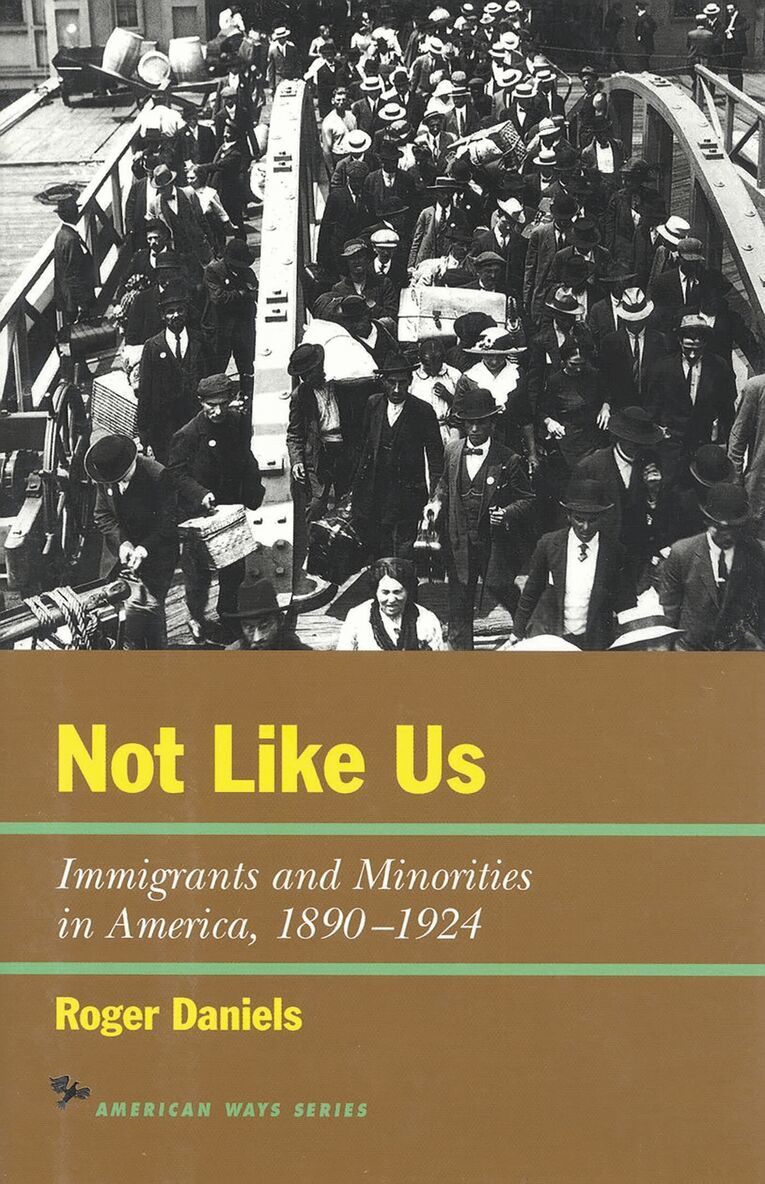
Not Like Us
Immigrants and Minorities in America, 1890–1924
Inbunden, 1997
254 kr
Lägg i varukorg
In the thirty-five years after 1890, more than 20 million immigrants came to the United States—a greater number than in any comparable period, before or since. They were often greeted in hostile fashion, a reflection of American nativism that by the 1890s was already well developed. In this …
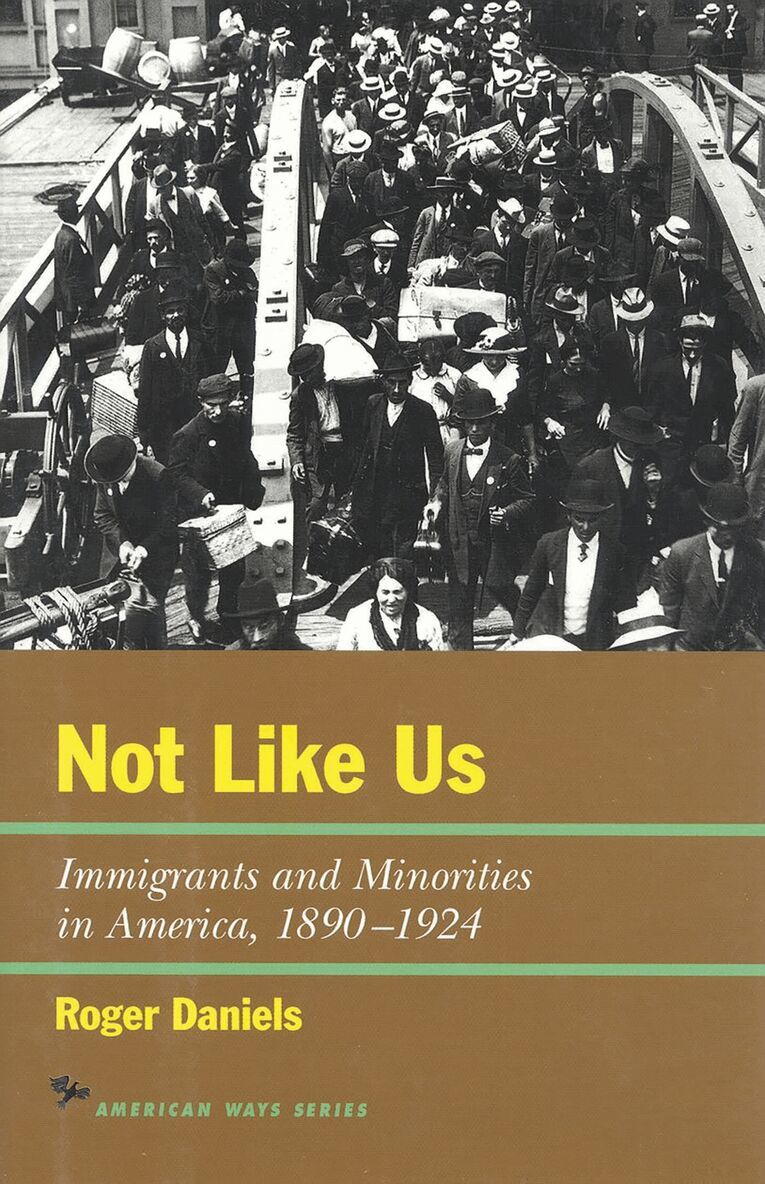
Not Like Us
Immigrants and Minorities in America, 1890–1924
Häftad, 1998
118 kr
Lägg i varukorg
In the thirty-five years after 1890, more than 20 million immigrants came to the United States—a greater number than in any comparable period, before or since. They were often greeted in hostile fashion, a reflection of American nativism that by the 1890s was already well developed. In this …