Roger F. Cook – författare
Visar alla böcker från författaren Roger F. Cook. Handla med fri frakt och snabb leverans.
5 produkter
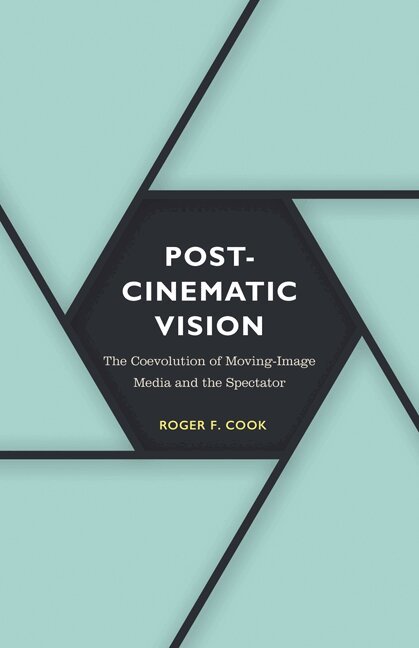
Postcinematic Vision
The Coevolution of Moving-Image Media and the Spectator
Inbunden, 2020
1225 kr
Lägg i varukorg
A study of how film has continually intervened in our sense of perception, with far-ranging insights into the current state of lived experienceHow has cinema transformed our senses, and how does it continue to do so? Positing film as a stage in the long coevolution of human consciousness and visual …
Postcinematic Vision
The Coevolution of Moving-Image Media and the Spectator
Häftad, 2020
301 kr
Lägg i varukorg
A study of how film has continually intervened in our sense of perception, with far-ranging insights into the current state of lived experienceHow has cinema transformed our senses, and how does it continue to do so? Positing film as a stage in the long coevolution of human consciousness and visual …
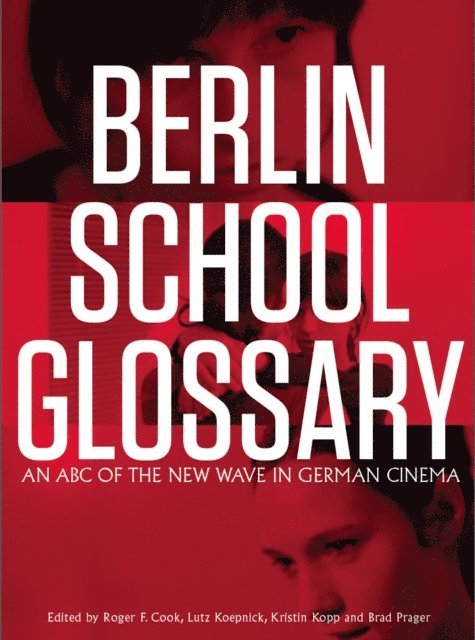
Berlin School Glossary
An ABC of the New Wave in German Cinema
Av Brad Prager, Kristin Kopp m. fl.
E-bok, 2013
519 kr
Lägg i varukorg
Berlin School Glossary is the first major publication to mark the increasing international importance of a group of contemporary German and Austrian filmmakers initially known by the name the Berlin School: Christian Petzold, Thomas Arslan, Christoph Hochhäusler, Jessica Hausner and others. The …
Berlin School Glossary
An ABC of the New Wave in German Cinema
Av Brad Prager, Kristin Kopp m. fl.
E-bok, 2013
519 kr
Lägg i varukorg
Berlin School Glossary is the first major publication to mark the increasing international importance of a group of contemporary German and Austrian filmmakers initially known by the name the Berlin School: Christian Petzold, Thomas Arslan, Christoph Hochhäusler, Jessica Hausner and others. The …
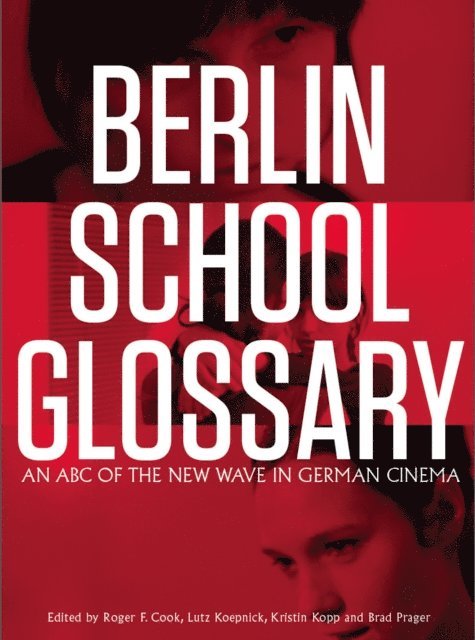
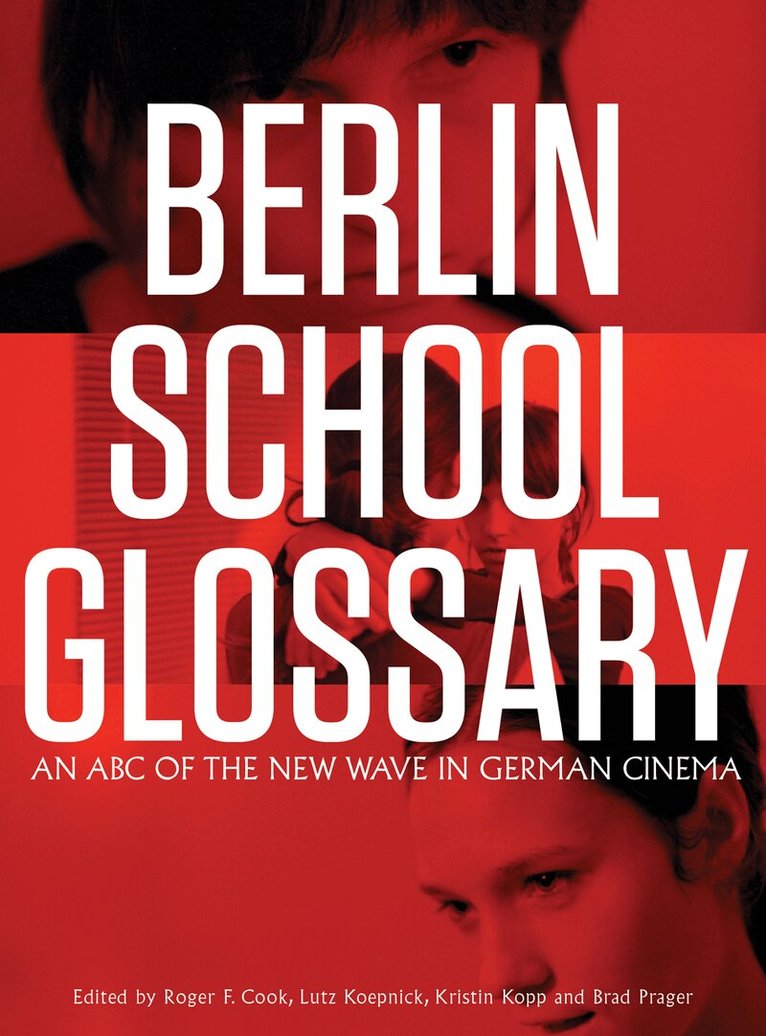
Berlin School Glossary
An ABC of the New Wave in German Cinema
Av Roger F. Cook, Lutz P. Koepnick m. fl.
Häftad, 2013
374 kr
Tillfälligt slut
Berlin School Glossary is the first major publication to mark the increasing international importance of a group of contemporary German and Austrian filmmakers initially known by the name the Berlin School: Christian Petzold, Thomas Arslan, Christoph Hochhäusler, Jessica Hausner and others. The …