Roger R. Reese - Böcker
Visar alla böcker från författaren Roger R. Reese. Handla med fri frakt och snabb leverans.
10 produkter
10 produkter
365 kr
Skickas inom 10-15 vardagar
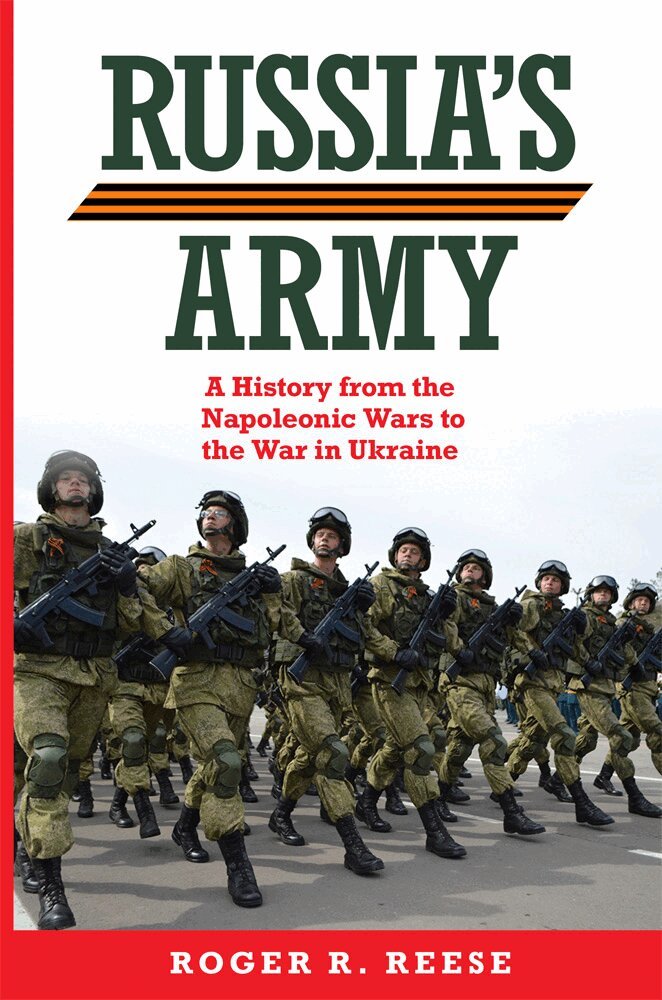
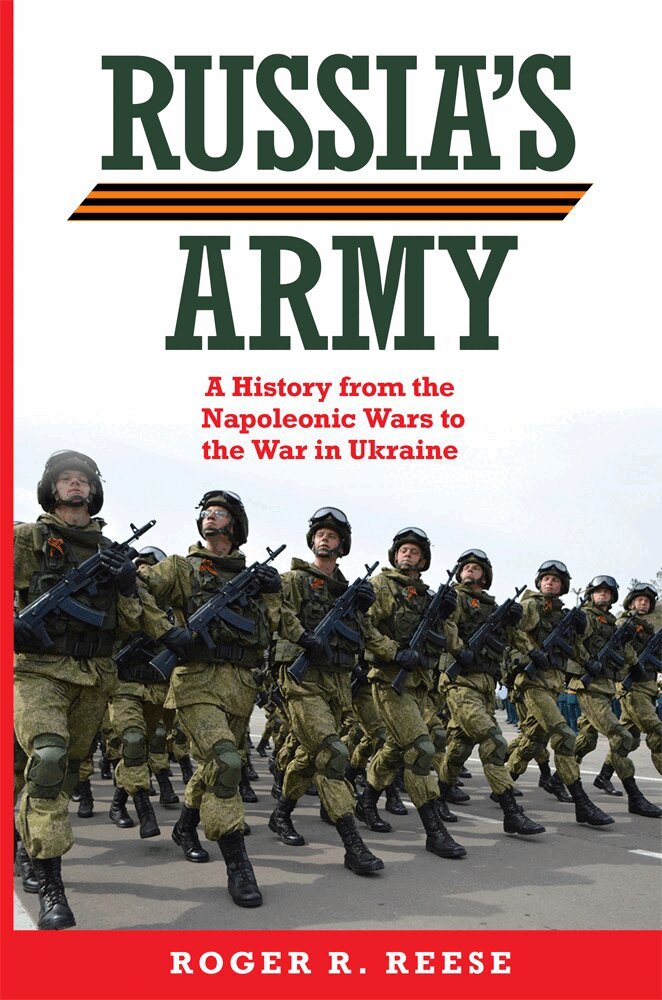
With the invasion of Ukraine, Vladimir Putin’s Russia seems to have stepped out of time, reverting to an imperial era of conquest and expansion. But as Roger Reese points out in this comprehensive new history, Russia’s way of war has changed little from one century to the next, one regime to another, from the army of the tsar to the army of today. Russia’s Army reveals how the Imperial Russian Army and its successors, the Soviet Army and the army of the Russian Federation, confronted the state’s foreign policy challenges—projecting power and defending the empire—and the domestic challenge of containing internal unrest generated by nationalism, competing ethnic and religious identities, and political discontent. These twin challenges, in turn, drove defense policy and the planning and conduct of war.From the beginning of the nineteenth century, the development of the army was driven by shifts in the European balance of power and changes in global diplomacy, politics, economics, and society. Reese identifies themes that weave their way through this military history: the adoption of a strategy to maintain a defensive posture in the West, an offensive strategy in the Balkans, and an expansionist policy in the East; maintenance of a large standing army; and a consistent unease about the army’s and non-Russian minorities’ loyalty to the state. These themes, he shows, have emerged in times of peace and war, as heads of state have made operational and strategic military decisions while managing civil-military relations—from the times of tsarist Russia through the collapse of the Soviet empire, when Putin sought to restore authoritarian rule and hegemony over the former Soviet states of the USSR.A comprehensive account of the history of the Russian army from 1801 to 2022, Reese’s is the first book to link Russian military history across three distinct eras and to situate this history within the context of military strategy and doctrine, as reflected in specific campaigns, issues of manning and maintaining an army, and relations between army and society, at home and in the “near abroad.”
2 150 kr
Skickas inom 10-15 vardagar
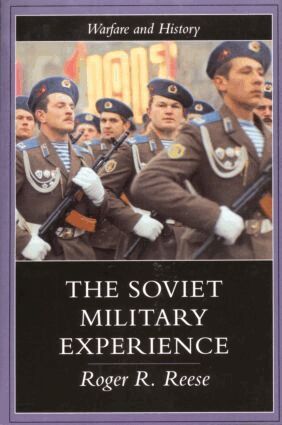
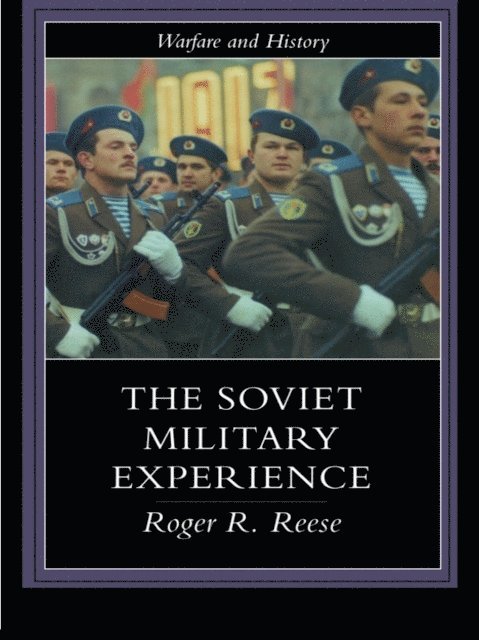
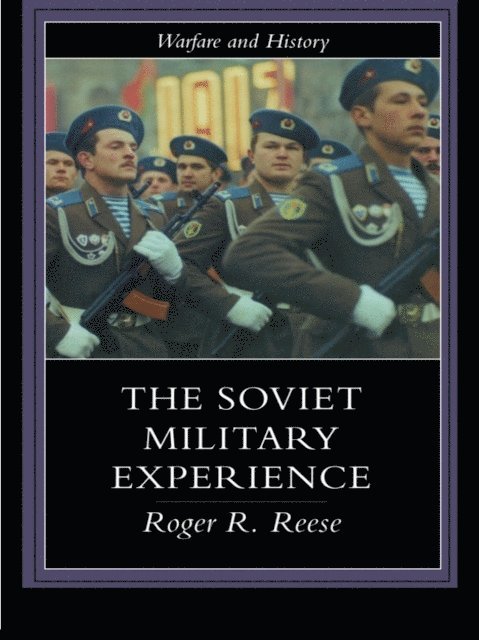
The Soviet Military Experience is the first general work to place the Soviet army into its true social, political and international contexts.It focuses on the Bolshevik Party's intention to create an army of a new type, whose aim was both to defend the people and propagate Marxist ideals to the rest of the world. It includes discussion of the:* origins of the Workers and Peasant's Red Army* effects of the Civil War* Bolshevik regime's use of the military as a school of socialism* effects of collectivization and rapid industrialisation of the 1920s and 1930s* Second World War and its profound repercussions* ethnic tensions within the army* effect of Gorbachev's policies of Glasnost and Perestroika
705 kr
Skickas inom 10-15 vardagar
The Soviet Military Experience is the first general work to place the Soviet army into its true social, political and international contexts.It focuses on the Bolshevik Party's intention to create an army of a new type, whose aim was both to defend the people and propagate Marxist ideals to the rest of the world. It includes discussion of the:* origins of the Workers and Peasant's Red Army* effects of the Civil War* Bolshevik regime's use of the military as a school of socialism* effects of collectivization and rapid industrialisation of the 1920s and 1930s* Second World War and its profound repercussions* ethnic tensions within the army* effect of Gorbachev's policies of Glasnost and Perestroika
612 kr
Skickas inom 10-15 vardagar
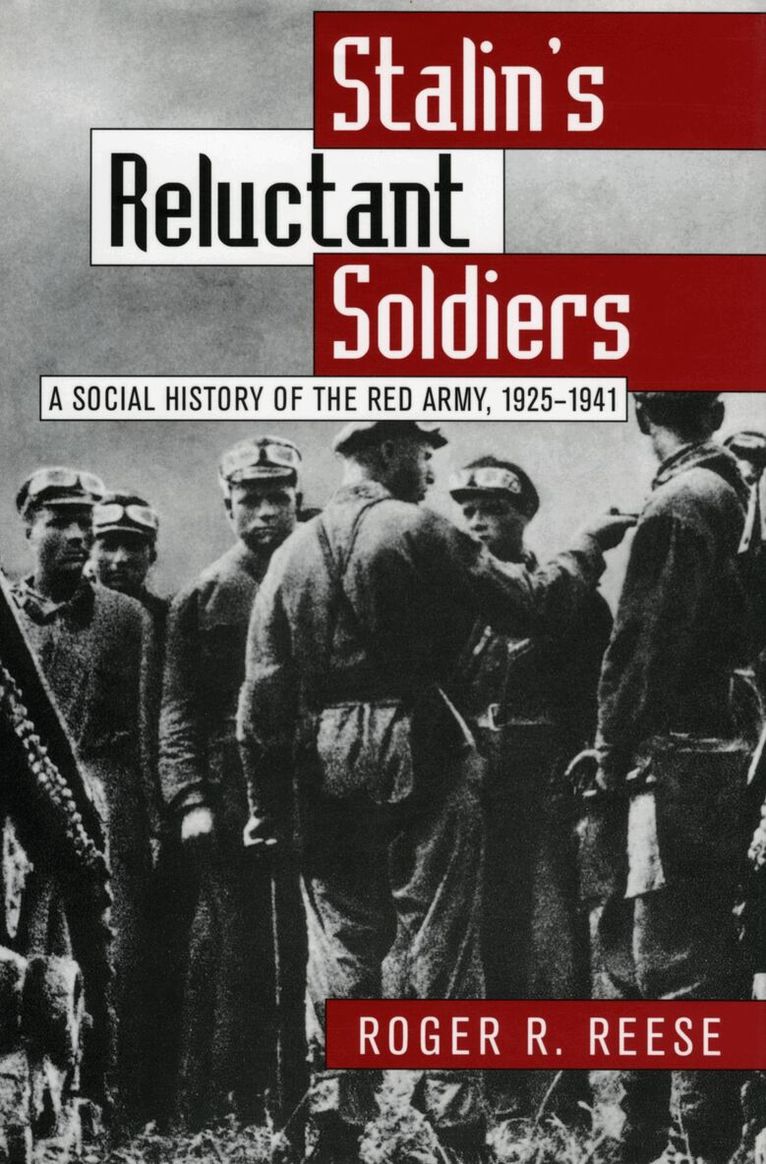
This work provides an analysis of the evolution of Stalin's Red Army during the 1930s and its near decimation at the beginning of World War II. It argues that the Stalinist state largely failed in its attempt to use military service as a means to indoctrinate its citizens, especially the peasantry.
657 kr
Skickas inom 7-10 vardagar
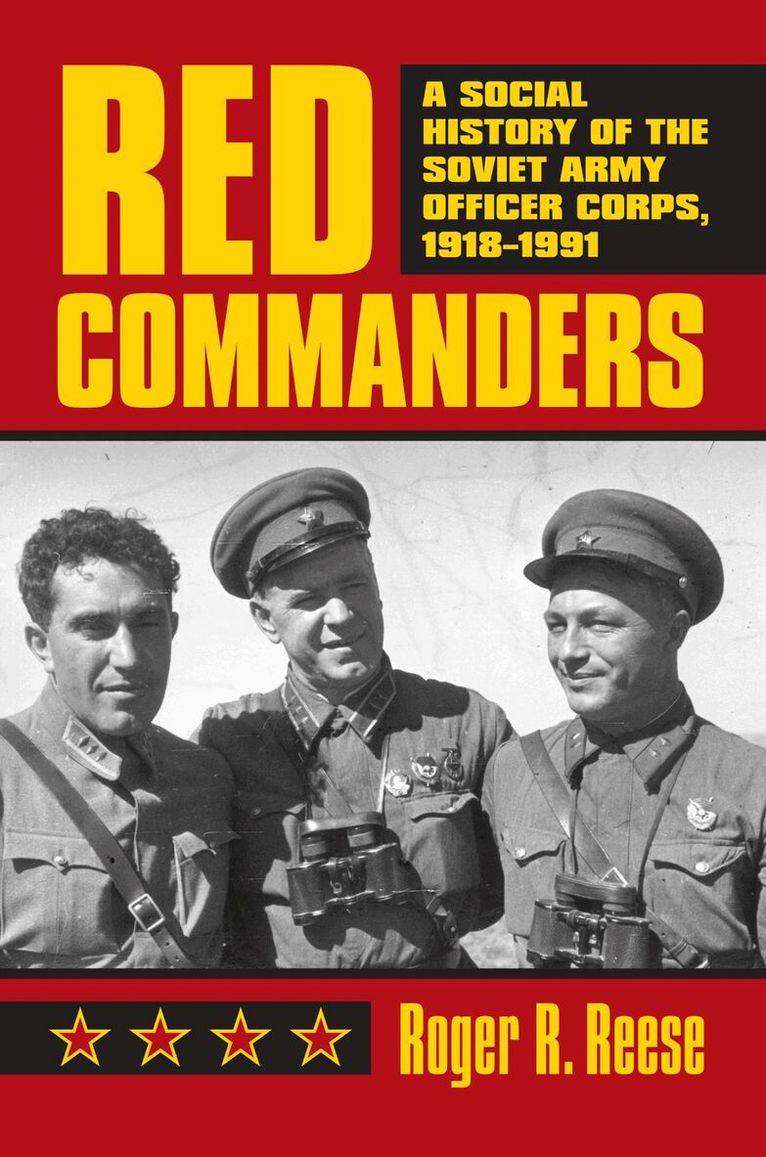
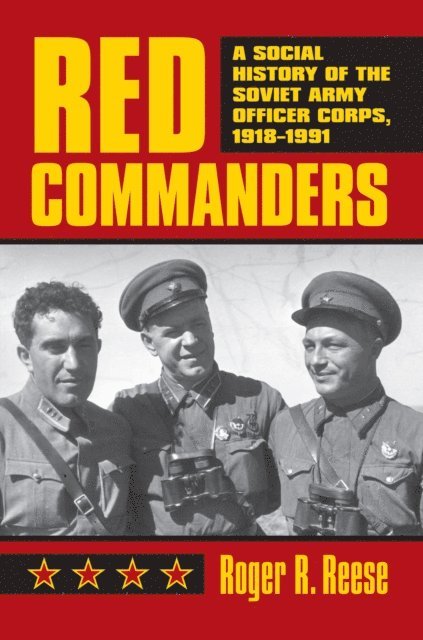
One of the largest and most feared military forces in the world, the Red Army was a key player in advancing the cause of Soviet socialism. Rising out of revolutionary-era citizen militias, it aspired to the greatness needed to confront its Cold War adversaries but was woefully unprepared to change with the times. In this first comprehensive study of the Soviet officer corps, Roger Reese traces the history of the Red Army from Civil War triumph through near-decimation in World War II and demoralizing quagmire in Afghanistan to the close scrutiny it came under during Gorbachev's reform era. Reese takes readers inside the Red Army to reconstruct the social and institutional dynamics that shaped its leadership and effectiveness over seventy-three years. He depicts the lives of these officers by revealing their class origins, life experiences, party loyalty, and attitudes toward professionalism. He tells how these men were shaped by Russian culture and Soviet politics - and how the Communist Party dominated every aspect of their careers but never allowed them the autonomy they needed to cultivate a high level of military effectiveness. Despite its struggle to develop and maintain professionalism, the officer corps was often hampered by factors inextricably intertwined with the Soviet state: Marxist theory, revolutionary ideology, friction between party and non-party members, and the influence of the army's political administration organs. Reese shows that by rejecting the Western bourgeois model of military professionalism the state greatly limited its officer corps' ability to develop a more effective military. While a sense of group identity emerged among officers after World War II, it quickly lost relevance in the face of postwar challenges, especially the war in Afghanistan, which underscored fatal flaws in command leadership. ""Red Commanders"" offers new insight into the workings of a military giant and also restores Leon Trotsky to his rightful place in Soviet military history by featuring his ideas on building a new army from the ground up. It is an important look behind the scenes at a military establishment that continues to face leadership challenges in Russia today.
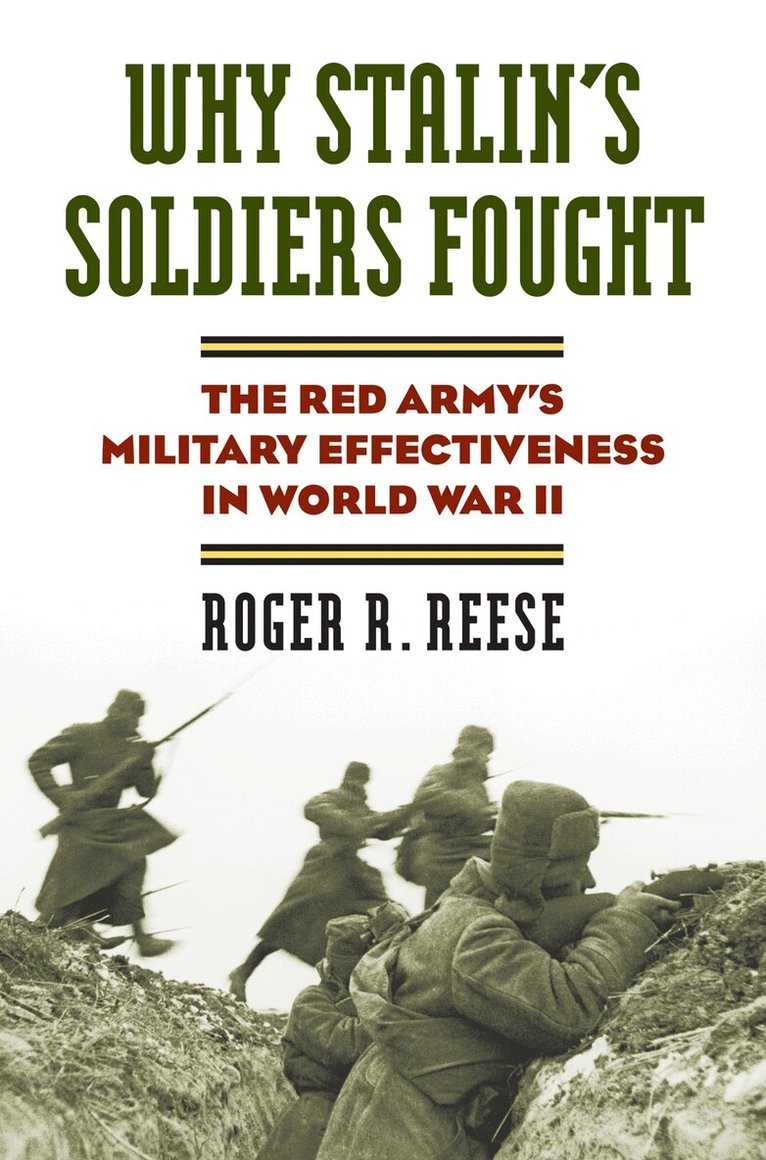
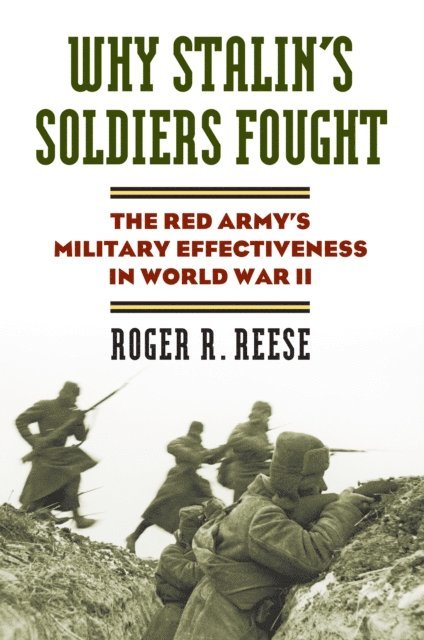
Why Stalin's Soldiers Fought
The Red Army's Military Effectiveness in World War II
Inbunden, Engelska, 2011
657 kr
Skickas inom 7-10 vardagar
Inept leadership, inefficient campaigning, and enormous losses would seem to spell military disaster. Yet despite these factors, the Soviet Union won its war against Nazi Germany thanks to what Roger Reese calls its “military effectiveness”: its ability to put troops in the field even after previous forces had been decimated. Reese probes the human dimension of the Red Army in World War II through a close analysis of soldiers’ experiences and attitudes concerning mobilization, motivation, and morale. In doing so, he illuminates the Soviets’ remarkable ability to recruit and retain soldiers, revealing why so many were willing to fight in the service of a repressive regime—and how that service was crucial to the army’s military effectiveness. He examines the various forms of voluntarism and motivations to serve—including the influences of patriotism and Soviet ideology—and shows that many fought simply out of loyalty to the idea of historic Russia and hatred for the invading Germans. He also considers the role of political officers within the ranks, the importance of commanders who could inspire their troops, the bonds of allegiance forged within small units, and persistent fears of Stalin’s secret police. Brimming with fresh insights, Reese’s study shows how the Red Army’s effectiveness in the Great Patriotic War was foreshadowed by its performance in the Winter War against Finland and offers the first direct comparison between the two, delving into specific issues such as casualties, tactics, leadership, morale, and surrender. Reese also presents a new analysis of Soviet troops captured during the early war years and how those captures tapped into Stalin’s paranoia over his troops’ loyalties. He provides a distinctive look at the motivations and experiences of Soviet women soldiers and their impact on the Red Army’s ability to wage war. Ultimately, Reese puts a human face on the often anonymous Soviet soldiers to show that their patriotism was real, even if not a direct endorsement of the Stalinist system, and had much to do with the Red Army’s ability to defeat the most powerful army the world had ever seen.
752 kr
Skickas inom 7-10 vardagar
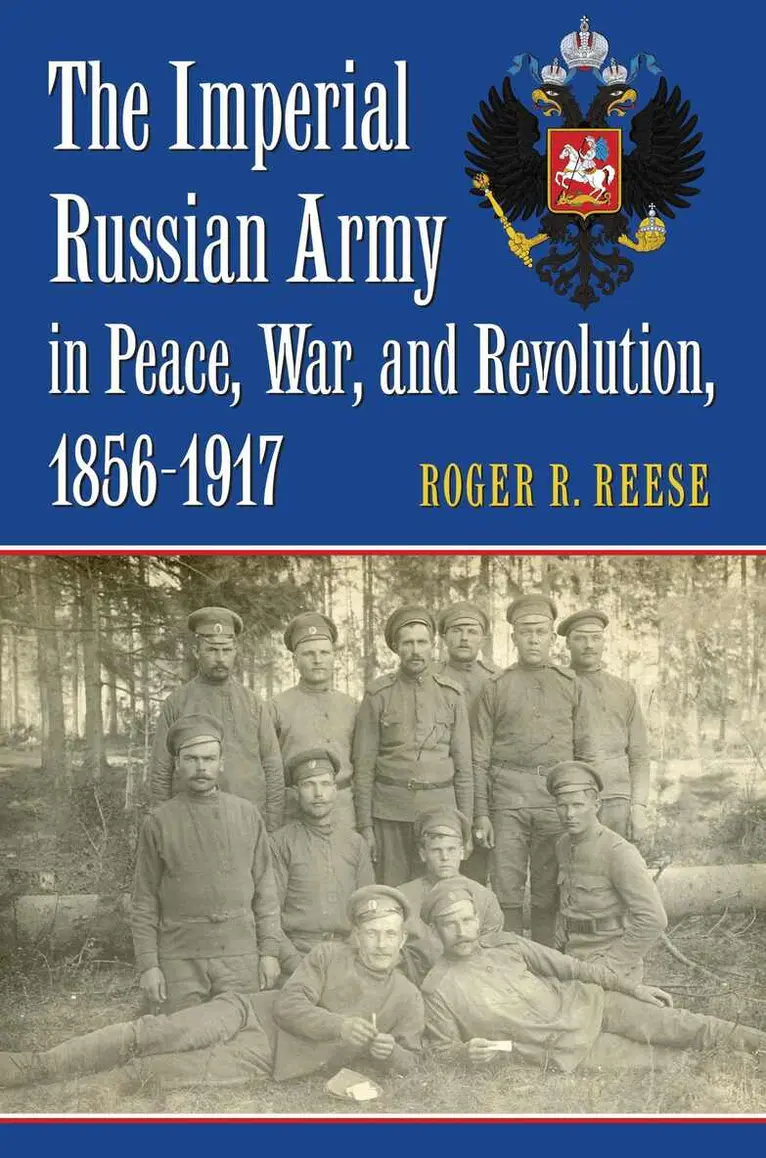
In December 1917, nine months after the disintegration of the Russian monarchy, the army officer corps, one of the dynasty’s prime pillars, finally fell—a collapse that, in light of World War I and the Bolshevik Revolution, historians often treat as inevitable. The Imperial Russian Army in Peace, War, and Revolution, 1856–1917 contests this assumption. By expanding our view of the Imperial Russian Army to include the experience of the enlisted ranks, Roger R. Reese reveals that the soldier’s revolt in 1917 was more social revolution than anti-war movement—and a revolution based on social distinctions within the officer corps as well as between the ranks.Reese’s account begins in the aftermath of the Crimean War, when the emancipation of the serfs and consequent introduction of universal military service altered the composition of the officer corps as well as the relationship between officers and soldiers. More catalyst than cause, World War I exacerbated a pervasive discontent among soldiers at their ill treatment by officers, a condition that reached all the way back to the founding of the Russian army by Peter I. It was the officers’ refusal to change their behavior toward the soldiers and each other over a fifty-year period, Reese argues, capped by their attack on the Provisional Government in 1917, that fatally weakened the officer corps in advance of the Bolshevik seizure of power.As he details the evolution of Russian Imperial Army over that period, Reese explains its concrete workings—from the conscription and discipline of soldiers to the recruitment and education of officers to the operation of unit economies, honor courts, and wartime reserves. Marshaling newly available materials, his book corrects distortions in both Soviet and Western views of the events of 1917 and adds welcome nuance and depth to our understanding of a critical turning point in Russian history.
Russia's Army (Volume 76)
A History from the Napoleonic Wars to the War in Ukraine
Häftad, Engelska, 2026
319 kr
Skickas inom 7-10 vardagar
With the invasion of Ukraine, Vladimir Putin’s Russia seems to have stepped out of time, reverting to an imperial era of conquest and expansion. But as Roger Reese points out in this comprehensive new history, Russia’s way of war has changed little from one century to the next, one regime to another, from the army of the tsar to the army of today. Russia’s Army reveals how the Imperial Russian Army and its successors, the Soviet Army and the army of the Russian Federation, confronted the state’s foreign policy challenges—projecting power and defending the empire—and the domestic challenge of containing internal unrest generated by nationalism, competing ethnic and religious identities, and political discontent. These twin challenges, in turn, drove defense policy and the planning and conduct of war. From the beginning of the nineteenth century, the development of the army was driven by shifts in the European balance of power and changes in global diplomacy, politics, economics, and society. Reese identifies themes that weave their way through this military history: the adoption of a strategy to maintain a defensive posture in the West, an offensive strategy in the Balkans, and an expansionist policy in the East; maintenance of a large standing army; and a consistent unease about the army’s and non-Russian minorities’ loyalty to the state. These themes, he shows, have emerged in times of peace and war, as heads of state have made operational and strategic military decisions while managing civil-military relations—from the times of tsarist Russia through the collapse of the Soviet empire, when Putin sought to restore authoritarian rule and hegemony over the former Soviet states of the USSR. A comprehensive account of the history of the Russian army from 1801 to 2022, Reese’s is the first book to link Russian military history across three distinct eras and to situate this history within the context of military strategy and doctrine, as reflected in specific campaigns, issues of manning and maintaining an army, and relations between army and society, at home and in the “near abroad.”
183 kr
Skickas inom 7-10 vardagar
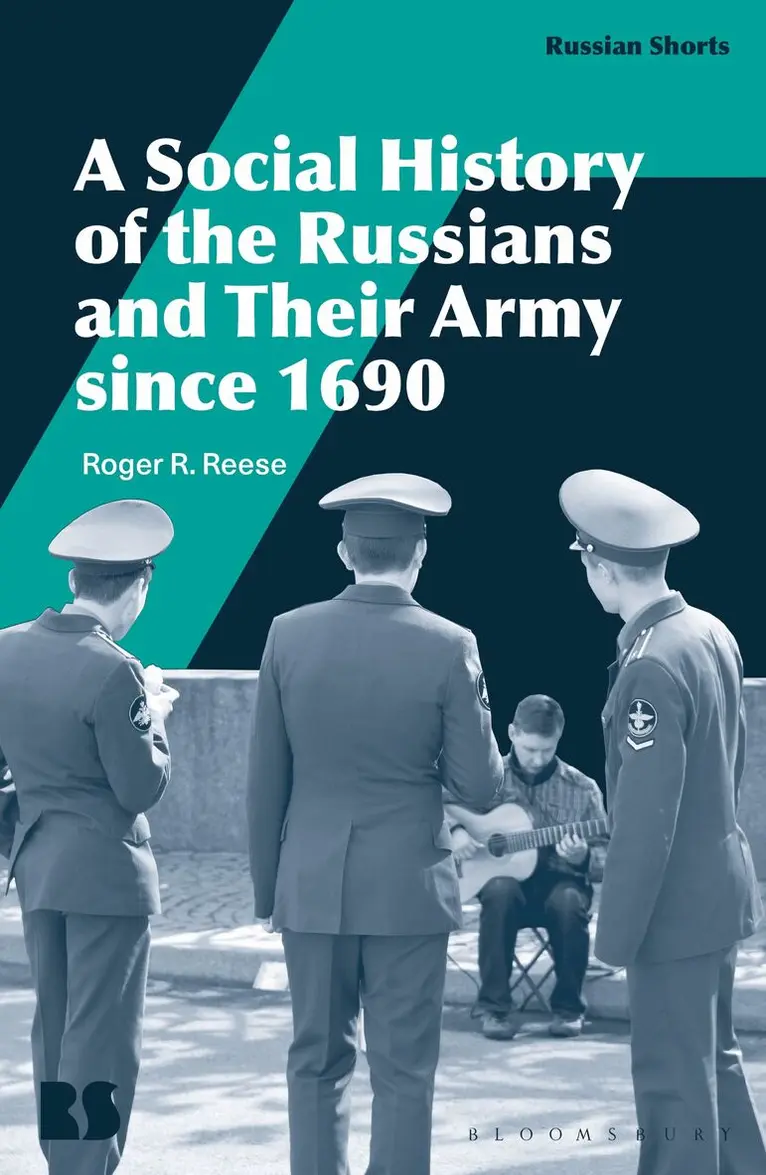
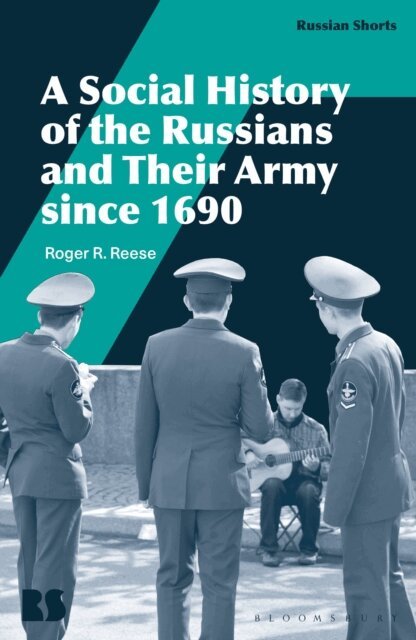
This book skilfully probes the conflicted relationship that the Russian peoples have had with their army, most often seeing service as a burden to the individual and family, yet a necessary one to defend the interests of the nation/empire. Roger R. Reese reflects on the fact that even from before its formal institutionalization by Peter I, military service and the army as an institution have not been held in high regard by the Russian peoples, except briefly in exceptional circumstances. Reese examines, illustrates, and explains the varying relationships and expectations of all involved in military service — in their own words wherever possible.From the top down, A Social History of the Russian Army shows what the state, whether tsarist, Soviet, or post-Soviet, expected of the army as an organisation and of its members. From the middle, it shows the expectations and behaviors of army leaders, from ensigns to generals and how they related to each other, their soldiers, and civilians. While at the bottom, the book examines the expectations, behaviors, and feelings about service of the enlisted men. Outside the army, civilian attitudes toward the military are probed to reveal what they envisaged from the military, their willingness or unwillingness to serve, and their views of the army as an institution — views that ranged from seeing it as an oppressive force in the hands of the state to a symbol of patriotism. Throughout, this volume emphasizes the agency of all members of society and the army and the degree to which they used it in their interests or in the interest of the army or the state.
626 kr
Skickas inom 10-15 vardagar
This book skilfully probes the conflicted relationship that the Russian peoples have had with their army, most often seeing service as a burden to the individual and family, yet a necessary one to defend the interests of the nation/empire. Roger R. Reese reflects on the fact that even from before its formal institutionalization by Peter I, military service and the army as an institution have not been held in high regard by the Russian peoples, except briefly in exceptional circumstances. Reese examines, illustrates, and explains the varying relationships and expectations of all involved in military service — in their own words wherever possible.From the top down, A Social History of the Russian Army shows what the state, whether tsarist, Soviet, or post-Soviet, expected of the army as an organisation and of its members. From the middle, it shows the expectations and behaviors of army leaders, from ensigns to generals and how they related to each other, their soldiers, and civilians. While at the bottom, the book examines the expectations, behaviors, and feelings about service of the enlisted men. Outside the army, civilian attitudes toward the military are probed to reveal what they envisaged from the military, their willingness or unwillingness to serve, and their views of the army as an institution — views that ranged from seeing it as an oppressive force in the hands of the state to a symbol of patriotism. Throughout, this volume emphasizes the agency of all members of society and the army and the degree to which they used it in their interests or in the interest of the army or the state.