Roman Hautala – författare
Visar alla böcker från författaren Roman Hautala. Handla med fri frakt och snabb leverans.
5 produkter
Masters of the Earth
A History of the Golden Horde, 1219–1502
Inbunden, 2026
295 kr
Lägg i varukorg
The Golden Horde was a powerful nomadic state that shaped Eastern Europe and modern-day Kazakhstan from the thirteenth to the sixteenth century. Masters of the Earth traces its rise within the Mongol Empire, its period of independence and prosperity and its eventual decline in the face of continual …
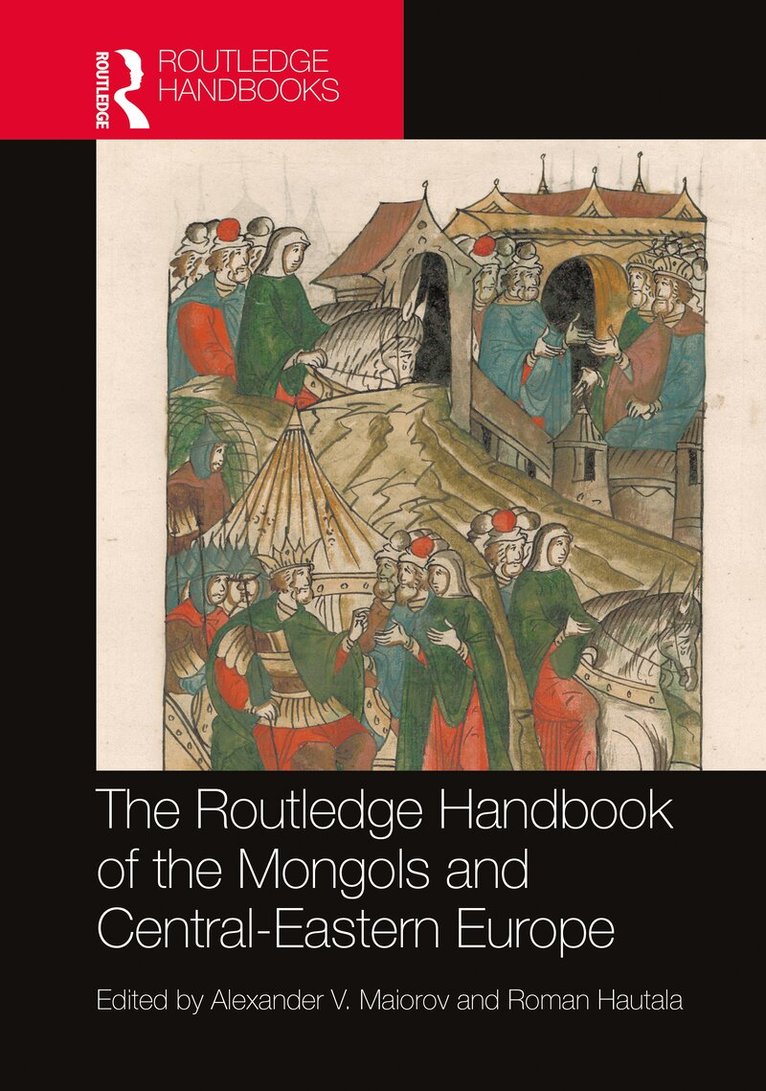
Routledge Handbook of the Mongols and Central-Eastern Europe
Av Alexander V. Maiorov, Roman Hautala
Inbunden, 2021
3904 kr
Lägg i varukorg
The Routledge Handbook of the Mongols and Central-Eastern Europe offers a comprehensive overview of the Mongols’ military, political, socio-economic and cultural relations with Central and Eastern European nations between the thirteenth and fifteenth centuries.The Mongol Empire was the largest …
Routledge Handbook of the Mongols and Central-Eastern Europe
Av Roman Hautala, Alexander V. Maiorov
E-bok, 2021
855 kr
Lägg i varukorg
The Routledge Handbook of the Mongols and Central-Eastern Europe offers a comprehensive overview of the Mongols’ military, political, socio-economic and cultural relations with Central and Eastern European nations between the thirteenth and fifteenth centuries. The Mongol Empire was the largest …
Routledge Handbook of the Mongols and Central-Eastern Europe
Av Roman Hautala, Alexander V. Maiorov
E-bok, 2021
855 kr
Lägg i varukorg
The Routledge Handbook of the Mongols and Central-Eastern Europe offers a comprehensive overview of the Mongols’ military, political, socio-economic and cultural relations with Central and Eastern European nations between the thirteenth and fifteenth centuries. The Mongol Empire was the largest …
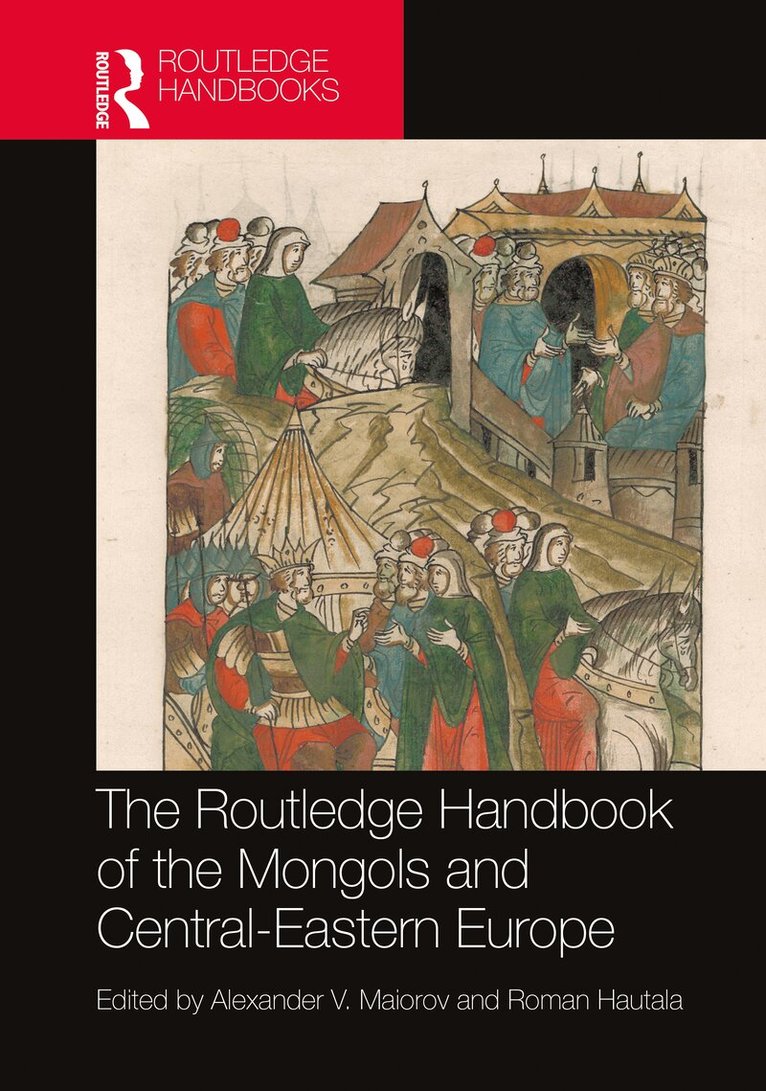
Routledge Handbook of the Mongols and Central-Eastern Europe
Av Alexander V. Maiorov, Roman Hautala
Häftad, 2023
742 kr
Lägg i varukorg
The Routledge Handbook of the Mongols and Central-Eastern Europe offers a comprehensive overview of the Mongols’ military, political, socio-economic and cultural relations with Central and Eastern European nations between the thirteenth and fifteenth centuries.The Mongol Empire was the largest …