Ron Mackay – författare
Visar alla böcker från författaren Ron Mackay. Handla med fri frakt och snabb leverans.
12 produkter
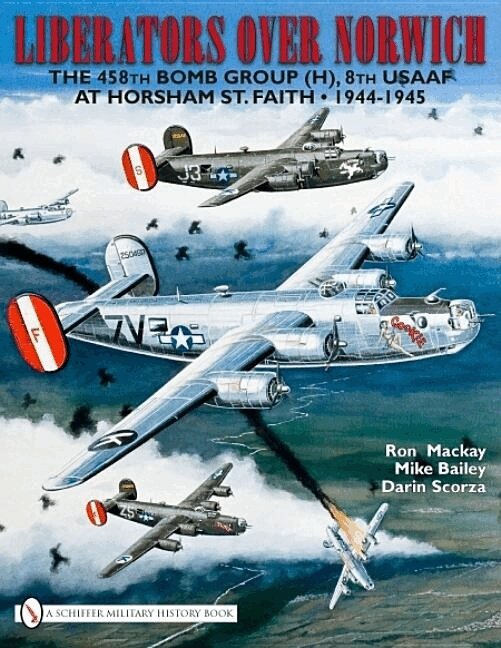
Liberators over Norwich
The 458th Bomb Group (H), 8th USAAF at Horsham St. Faith • 1944-1945
Av Ron Mackay
Inbunden, 2010
724 kr
Lägg i varukorg
The 458th Bomb Group (H) entered combat with the 8th Air Force early in 1944. Based at Horsham St. Faith in England, the combat crews participated in the decisive Campaigns – ‘Big Week’, ‘Big B’, D-Day and the assault on Germany’s oil industry – waged by the USAAF up to VE-Day. The group also …
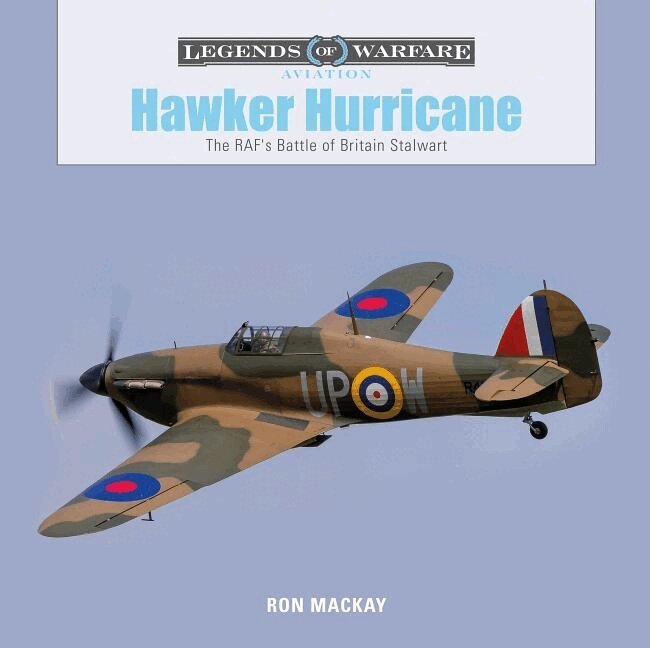
Hawker Hurricane
The RAF's Battle of Britain Stalwart
Av Ron Mackay
Inbunden, 2018
208 kr
Lägg i varukorg
The Hawker Hurricane has rightly earned its place in military aviation annals. Although only preceding the Spitfire by four months in its prototypic launch, the Hawker machine was available in measurably greater numbers by the Battle of Britain, a very critical stage of WWII for Britain and its …
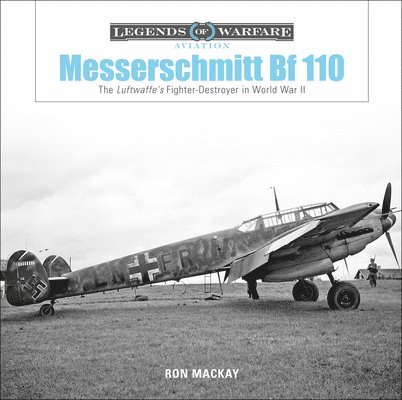
Messerschmitt Bf 110
The Luftwaffe's Fighter-Destroyer in World War II
Av Ron Mackay
Inbunden, 2019
214 kr
Lägg i varukorg
The concept of a twin-engine fighter that could accompany bomber formations and effectively drive off defending fighters was the rationale behind the creation of the Messerschmitt Bf 110. Initial operations during 1939–40 seemed to justify its existence, but the generally weak level of aerial …
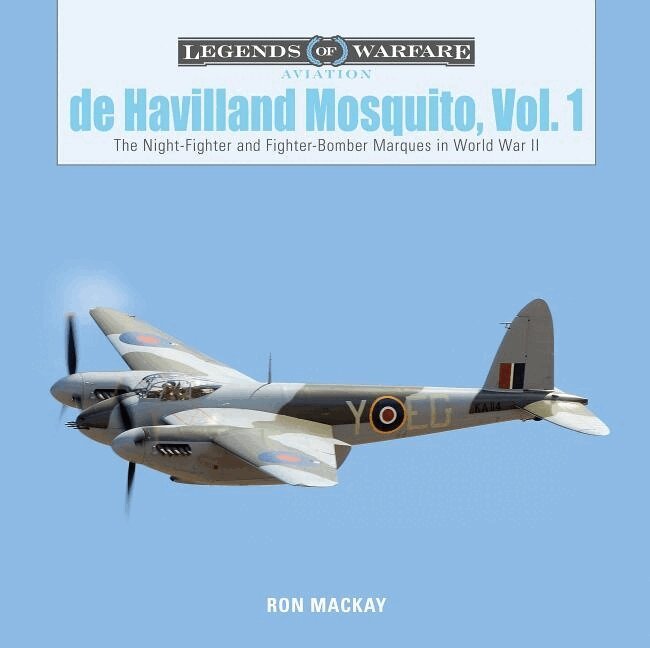
De Havilland Mosquito, Vol. 1
The Night-Fighter and Fighter-Bomber Marques in World War II
Av Ron Mackay
Inbunden, 2019
214 kr
Lägg i varukorg
This first of two volumes on de Havilland’s “Wooden Wonder” covers the night-fighter and fighter-bomber variants of the deadly Mosquito. The development of the multirole Mosquito, from its original bomber and photoreconnaissance operational function to that of a night-fighter and fighter-bomber …
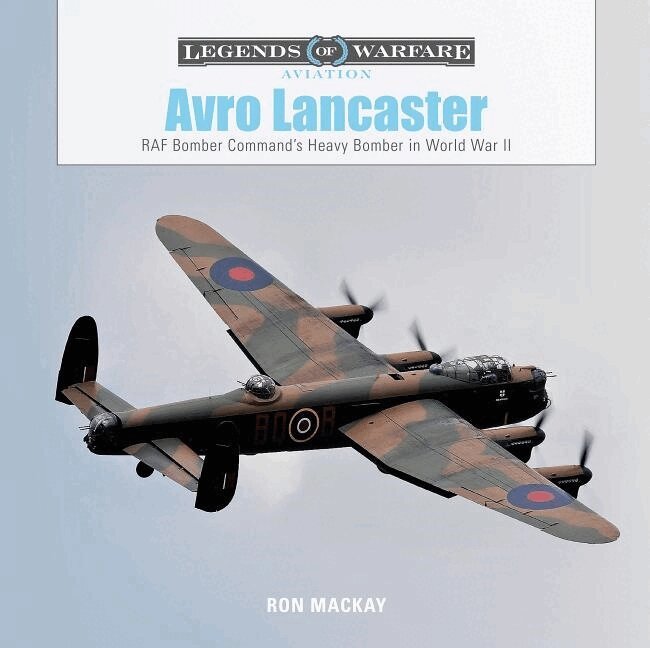
Avro Lancaster
RAF Bomber Command’s Heavy Bomber in World War II
Av Ron Mackay
Inbunden, 2020
239 kr
Lägg i varukorg
The Avro Lancaster was the Royal Air Force's main four-engine bomber in World War II. Its superb design, overall performance, and load-carrying capacity proved key factors in successfully prosecuting the nocturnal bombing offensive against Hitler's industrial and military base. With its ability to …
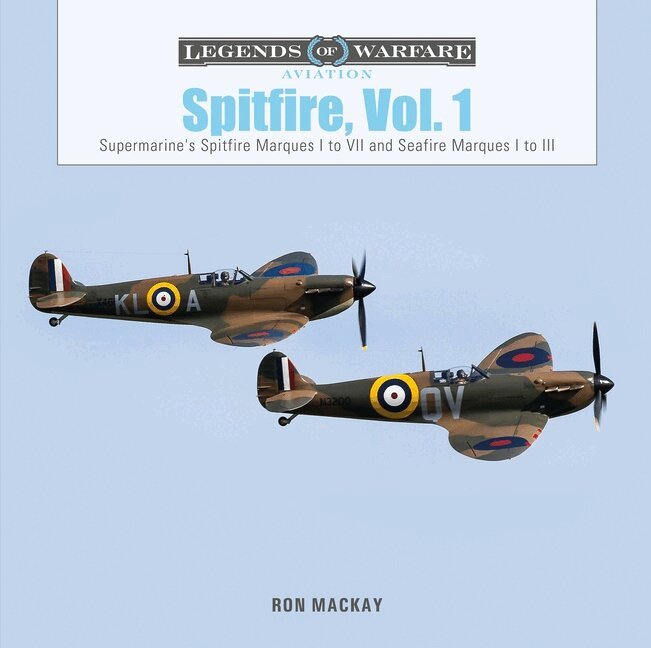
Spitfire, Vol. 1
Supermarine's Spitfire Marques I to VII and Seafire Marques I to III
Av Ron Mackay
Inbunden, 2022
208 kr
Lägg i varukorg
This first of two volumes on the Supermarine Spitfire covers the design, testing, development, and early WWII combat use of the famed British fighter aircraft's initial variants. The Spitfire in its original marques up to the Mk. VII provided a platform that allowed the Royal Air Force to challenge …
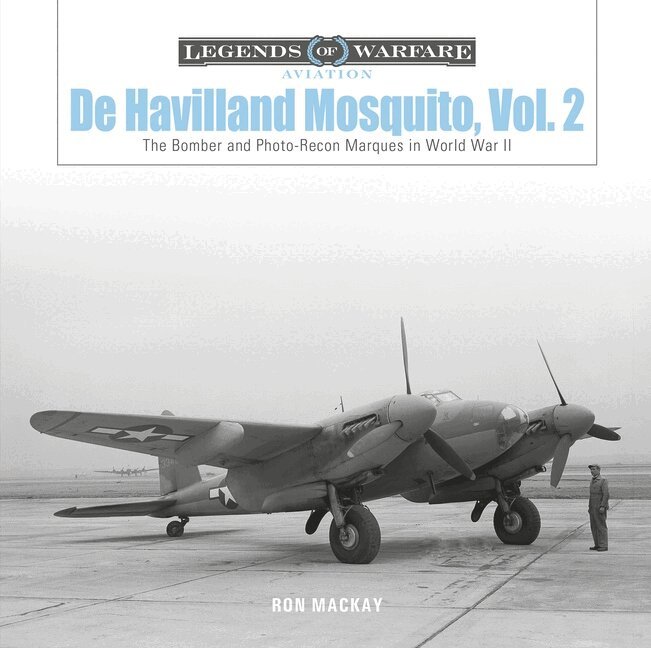
De Havilland Mosquito, Vol. 2
The Bomber and Photo-Recon Marques in World War II
Av Ron Mackay
Inbunden, 2021
208 kr
Lägg i varukorg
This second of two volumes on de Havilland's "Wooden Wonder" covers the World War II bomber and photoreconnaissance variants of the deadly Mosquito. Along with its night fighter and fighter-bomber variants, Mosquito bomber squadrons attacked the enemy around the clock. Pinpoint assaults on …
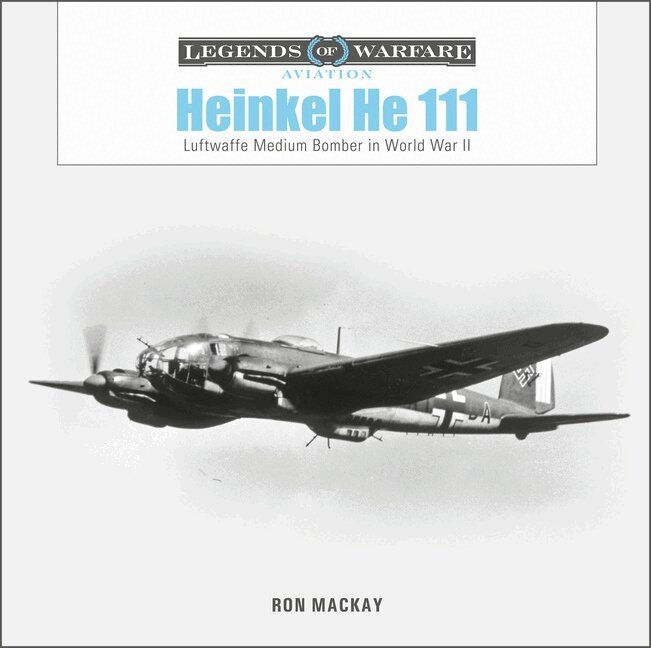
Heinkel He 111
Luftwaffe Medium Bomber in World War II
Av Ron Mackay
Inbunden, 2022
246 kr
Lägg i varukorg
Masquerading as a civilian airliner during the mid-1930s, the Heinkel He 111 medium-range bomber saw its first combat in 1936 with Germany’s Condor Legion during the Spanish Civil War. The initial stages of World War II confirmed the design’s prominent role in advancing the German blitzkrieg in …
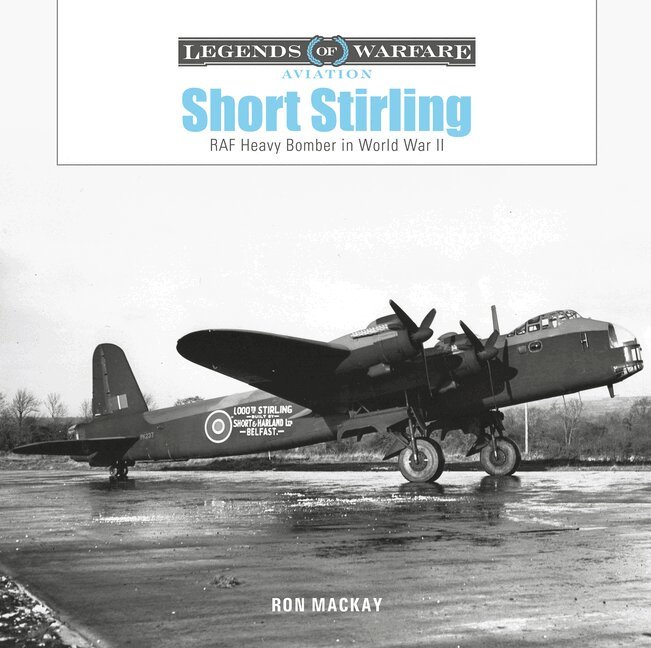
Short Stirling
RAF Heavy Bomber in World War II
Av Ron Mackay
Inbunden, 2023
210 kr
Lägg i varukorg
Introduced in 1941, the Short Stirling was the Royal Air Force’s first four-engine heavy bomber of the Second World War. However, early on, the Stirling’s performance was compromised by several issues: a reduced wingspan, which resulted in serious limitations on maximum altitude capability; the …
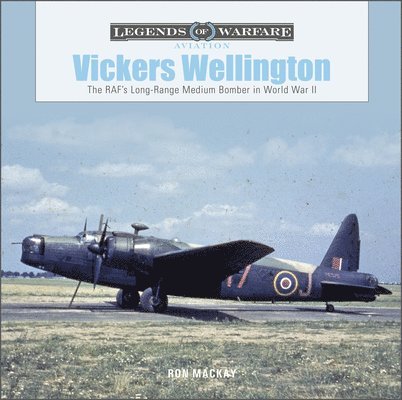
Vickers Wellington
The RAF’s Long-Range Medium Bomber in World War II
Av Ron Mackay
Inbunden, 2023
208 kr
Lägg i varukorg
The Vickers Armstrong Wellington, affectionately dubbed the “Wimpy” after the hamburger-scoffing cartoon character, lays claim to two distinctions within RAF WWII annals. The first related to its geodetic structure, with a cloth covering that proved to be superior to previous designs for surviving …
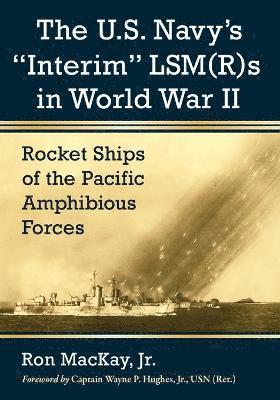
U.S. Navy's "Interim" LSM(R)s in World War II
Rocket Ships of the Pacific Amphibious Forces
Av Ron MacKay
Häftad, 2016
502 kr
Lägg i varukorg
The "Interim" LSM(R) or Landing Ship, Medium (Rocket) was a revolutionary development in rocket warfare in World War II and the U.S. Navy's first true rocket ship. An entirely new class of commissioned warship and the forerunners of today's missile-firing naval combatants, these ships began as …
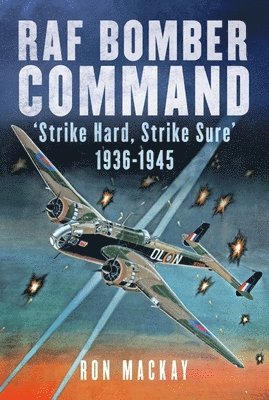
RAF Bomber Command
'Strike Hard, Strike Sure' 1936-1945
Av Ron Mackay
Inbunden, 2021
487 kr
Lägg i varukorg
The concept of strategic assault of a Nation’s industrial and military base by air was heralded by Britain as far back as the immediate period before the start of WWI. However, stringent post-War economy ensured that the creation of Bomber Command in 1936 witnessed a daunting disparity between the …