Ronald E. Powaski – författare
Visar alla böcker från författaren Ronald E. Powaski. Handla med fri frakt och snabb leverans.
16 produkter
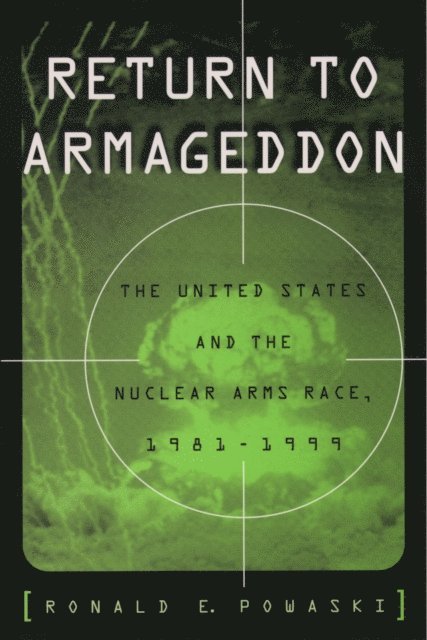
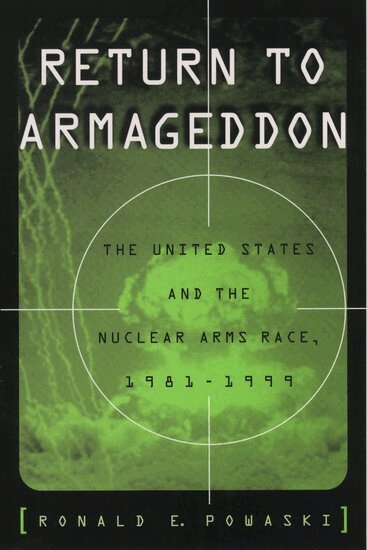
Return to Armageddon
The United States and the Nuclear Arms Race, 1981-1999
E-bok, 2003
504 kr
Lägg i varukorg
When the Cold War ended, the world let out a collective sigh of relief as the fear of nuclear confrontation between superpowers appeared to vanish overnight. As we approach the new millennium, however, the proliferation of nuclear weapons to ever more belligerent countries and factions raises …
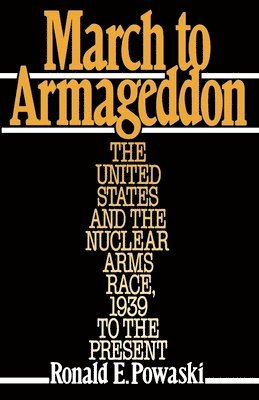
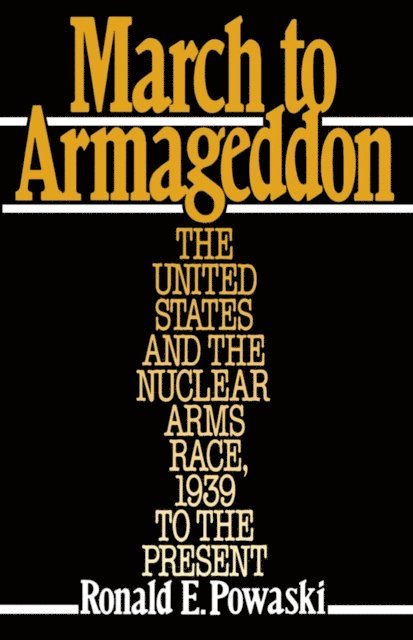
March to Armageddon
The United States and the Nuclear Arms Race, 1939 to the Present
Häftad, 1989
569 kr
Lägg i varukorg
This timely and accessible book traces the evolution of the nuclear arms race from its origin in Roosevelt's decision to develop an atomic bomb to Reagan's decision to continue its expansion in the 1980s. As Powaski explains, the United States and the Soviet Union have a combined total of almost …
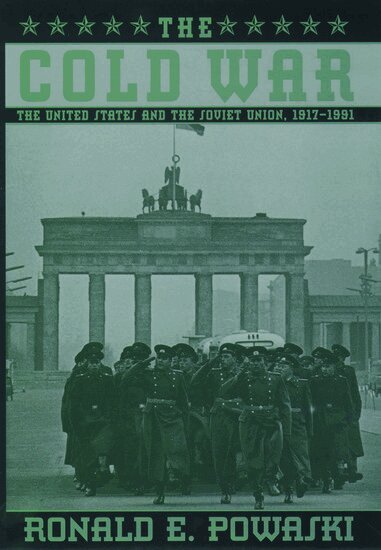
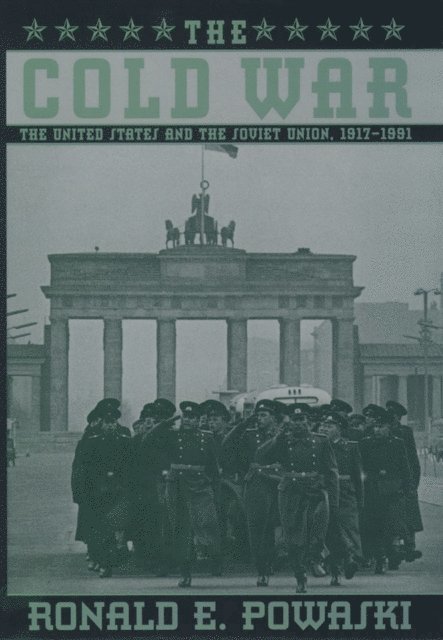
The Cold War
The United States and the Soviet Union, 1917-1991
Inbunden, 1997
1526 kr
Lägg i varukorg
For half of the twentieth century, the Cold War gripped the world. International relations everywhere--and domestic policy in scores of nations--pivoted around this central point, the American-Soviet rivalry. Even today, much of the world's diplomacy grapples with chaos created by the Cold War's …
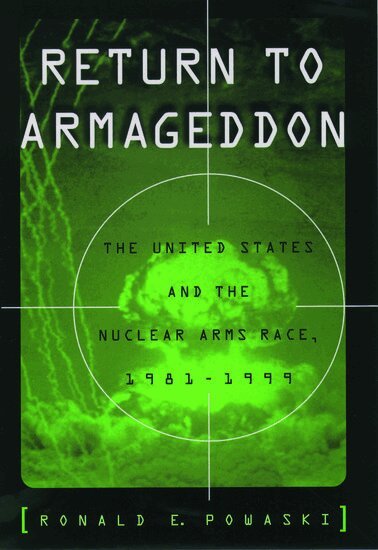
Return to Armageddon
The United States and the Nuclear Arms Race, 1981-1999
Inbunden, 2000
804 kr
Lägg i varukorg
Return to Armageddon covers the extraordinary years spanning the Reagan, Bush and Clinton administrations, a period when the United States, through its victory in the Cold War, led the world away from the brink of nuclear annihilation, and then slowly became aware of the increased threat of nuclear …
Return to Armageddon
The United States and the Nuclear Arms Race, 1981-1999
Häftad, 2003
854 kr
Lägg i varukorg
When the Cold War ended, the world let out a collective sigh of relief as the fear of nuclear confrontation between superpowers appeared to vanish overnight. As we approach the new millennium, however, the proliferation of nuclear weapons to ever more belligerent countries and factions raises …
Return to Armageddon
The United States and the Nuclear Arms Race, 1981-1999
E-bok, 2000
567 kr
Lägg i varukorg
When the Cold War ended, the world let out a collective sigh of relief as the fear of nuclear confrontation between superpowers appeared to vanish overnight. As we approach the new millennium, however, the proliferation of nuclear weapons to ever more belligerent countries and factions raises …
March to Armageddon
The United States and the Nuclear Arms Race, 1939 to the Present
E-bok, 1987
370 kr
Lägg i varukorg
Ronald E. Powaski offers the first complete, accessible history of the events, forces, and factors that have brought the world to the brink of a nuclear holocaust. He traces the evolution of the nuclear arms race from FDR''s decision to develop an atomic bomb to Reagan''s decision to continue its …
Cold War
The United States and the Soviet Union, 1917-1991
E-bok, 1997
1057 kr
Lägg i varukorg
For half of the twentieth century, the Cold War gripped the world. International relations everywhere--and domestic policy in scores of nations--pivoted around this central point, the American-Soviet rivalry. Even today, much of the world''s diplomacy grapples with chaos created by the Cold War''s …
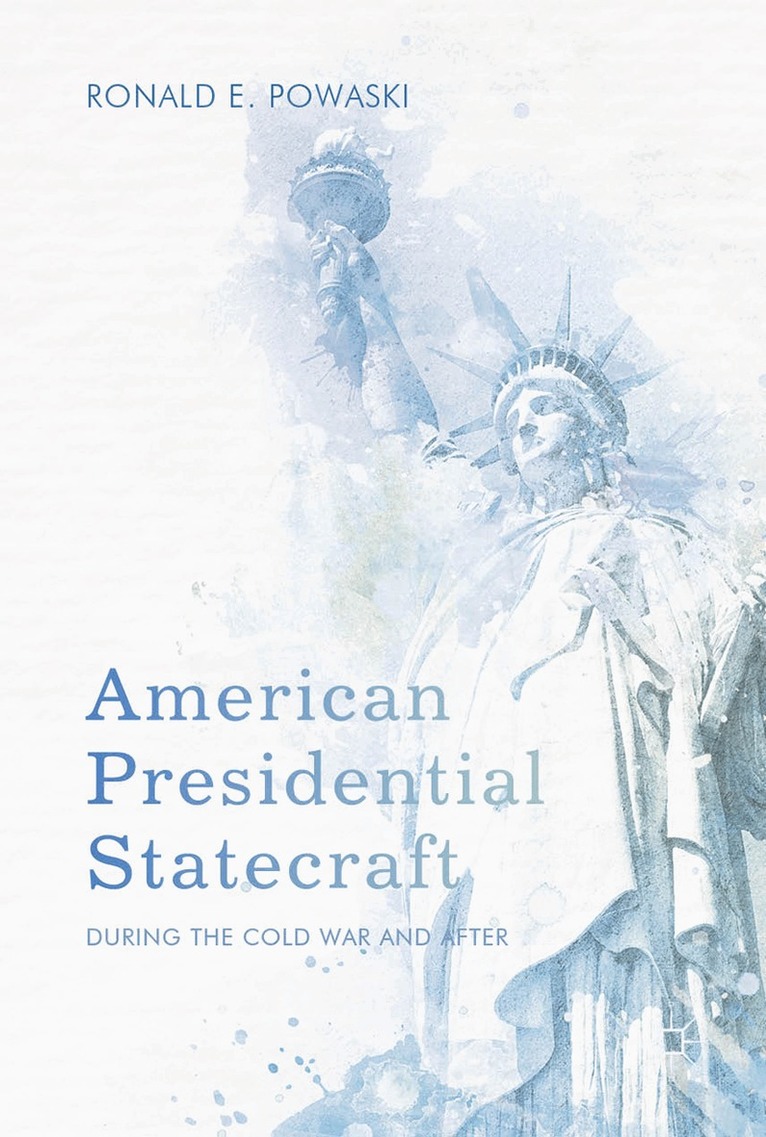
American Presidential Statecraft
During the Cold War and After
Inbunden, 2017
1014 kr
Lägg i varukorg
This book, the second of two volumes, examines the presidency in last half of twentieth century America and explores the successes and failures of presidents in their foreign policy initiatives. It examines each president's ability to apply his skills to a foreign policy issue in the face of …
American Presidential Statecraft
During the Cold War and After
E-bok, 2017
1296 kr
Lägg i varukorg
This book, the second of two volumes, examines the presidency in last half of twentieth century America and explores the successes and failures of presidents in their foreign policy initiatives. It examines each president''s ability to apply his skills to a foreign policy issue in the face of …
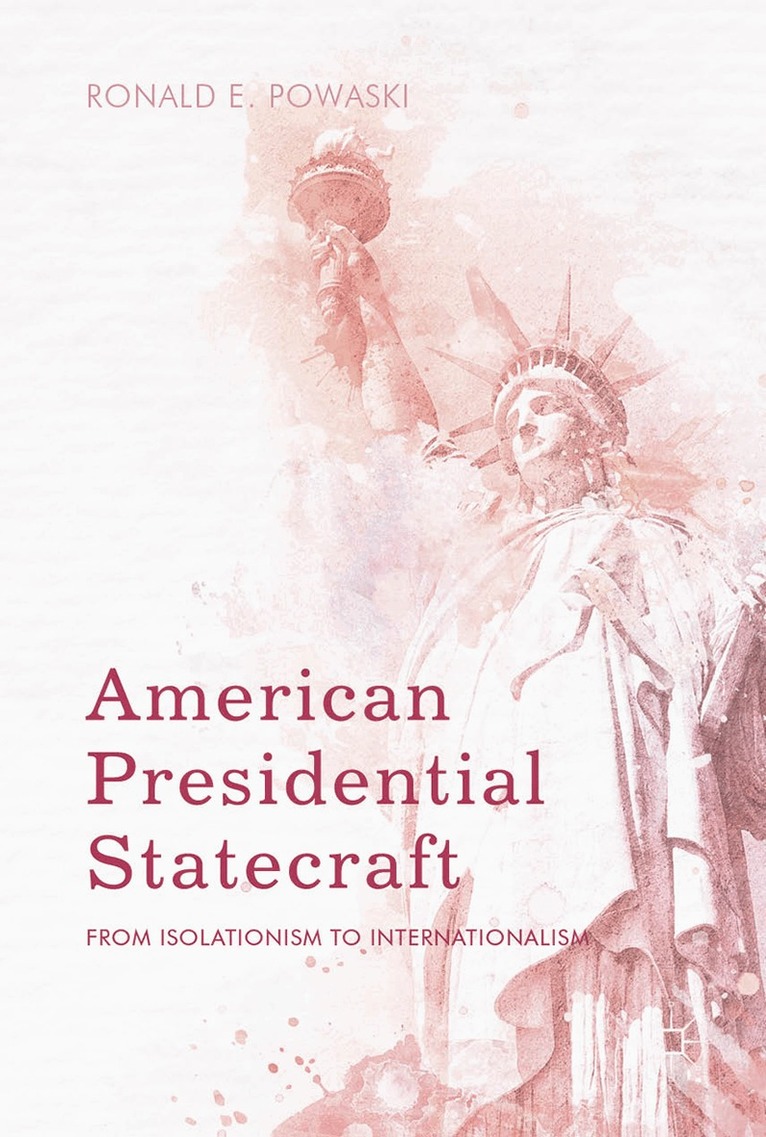
American Presidential Statecraft
From Isolationism to Internationalism
Inbunden, 2017
1014 kr
Lägg i varukorg
This book examines the presidency in twentieth century America and explores why some presidents succeed as makers of U.S. foreign policy while others fail, sometimes tragically. It explores each president's ability to apply his skills to a foreign policy issue in the face of opposition that may …
American Presidential Statecraft
From Isolationism to Internationalism
E-bok, 2017
1268 kr
Lägg i varukorg
This book examines the presidency in twentieth century America and explores why some presidents succeed as makers of U.S. foreign policy while others fail, sometimes tragically. It explores each president''s ability to apply his skills to a foreign policy issue in the face of opposition that may …
American Presidential Statecraft
During the Cold War and After
Häftad, 2018
1014 kr
Lägg i varukorg
This book, the second of two volumes, examines the presidency in last half of twentieth century America and explores the successes and failures of presidents in their foreign policy initiatives. It examines each president's ability to apply his skills to a foreign policy issue in the face of …
American Presidential Statecraft
From Isolationism to Internationalism
Häftad, 2018
1014 kr
Lägg i varukorg
This book examines the presidency in twentieth century America and explores why some presidents succeed as makers of U.S. foreign policy while others fail, sometimes tragically. It explores each president's ability to apply his skills to a foreign policy issue in the face of opposition that may …
Ideals, Interests, and U.S. Foreign Policy from George H. W. Bush to Donald Trump
Häftad, 2018
566 kr
Lägg i varukorg
This volume discusses the presidential foreign policies of the post–Cold War era, beginning with George H. W. Bush and ending with the first 17 months of Donald Trump’s presidency. During this period, the United States emerged from the Cold War as the world’s most powerful nation. Nevertheless, the …
Ideals, Interests, and U.S. Foreign Policy from George H. W. Bush to Donald Trump
E-bok, 2018
734 kr
Lägg i varukorg
This volume discusses the presidential foreign policies of the post–Cold War era, beginning with George H. W. Bush and ending with the first 17 months of Donald Trump’s presidency. During this period, the United States emerged from the Cold War as the world’s most powerful nation. Nevertheless, the …