Ronald K.L. Collins – författare
Visar alla böcker från författaren Ronald K.L. Collins. Handla med fri frakt och snabb leverans.
6 produkter
The Judge
26 Machiavellian Lessons
Av Ronald K.L. Collins, David M. Skover
Inbunden, 2017
469 kr
Lägg i varukorg
There is no book of political strategy more canonical than Niccolò Machiavelli's The Prince, but few ethicists would advise policymakers to treat it as a bible. The lofty ideals of the law, especially, seem distant from the values that the word "Machiavellian" connotes, and judges are supposed to …
Judge
26 Machiavellian Lessons
Av David M. Skover, Ronald K.L. Collins
E-bok, 2017
253 kr
Lägg i varukorg
There is no book of political strategy more canonical than Niccolò Machiavelli''s The Prince , but few ethicists would advise policymakers to treat it as a bible. The lofty ideals of the law, especially, seem distant from the values that the word "Machiavellian" connotes, and judges are supposed …
Judge
26 Machiavellian Lessons
Av David M. Skover, Ronald K.L. Collins
E-bok, 2017
253 kr
Lägg i varukorg
There is no book of political strategy more canonical than Niccolò Machiavelli''s The Prince , but few ethicists would advise policymakers to treat it as a bible. The lofty ideals of the law, especially, seem distant from the values that the word "Machiavellian" connotes, and judges are supposed …
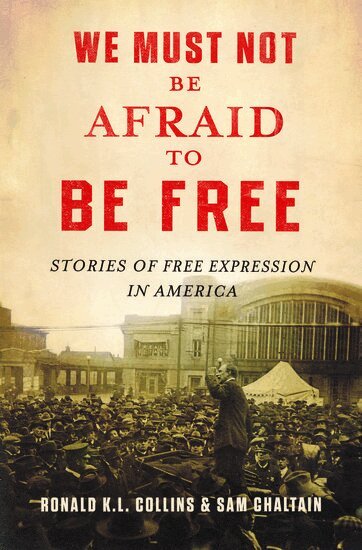
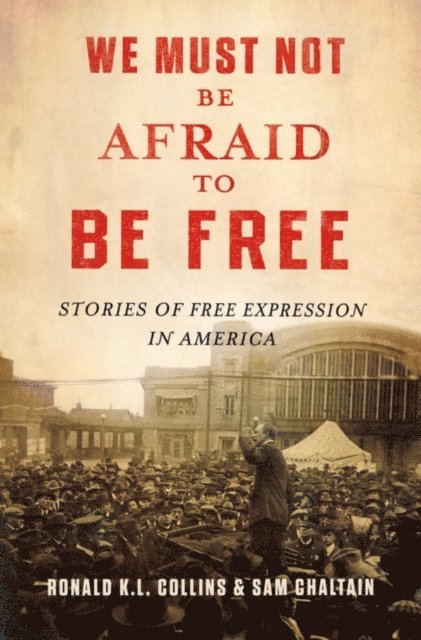
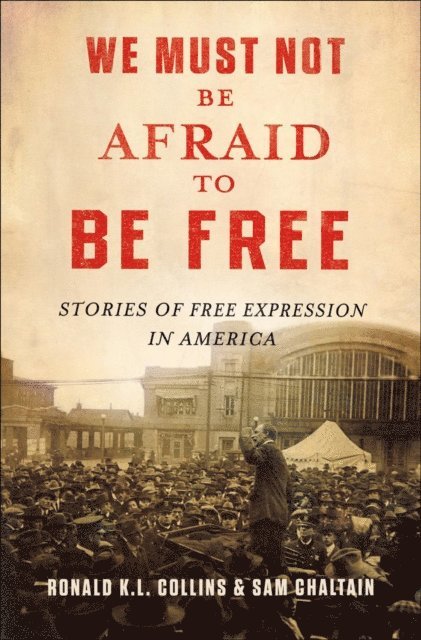
We Must Not Be Afraid to Be Free
Stories of Free Expression in America
Av Ronald K.L. Collins, Sam Chaltain
Inbunden, 2014
888 kr
Lägg i varukorg
In a stinging dissent to a 1961 Supreme Court decision that allowed the Illinois state bar to deny admission to prospective lawyers if they refused to answer political questions, Justice Hugo Black closed with the memorable line, "We must not be afraid to be free." Black saw the First Amendment as …
We Must Not Be Afraid to Be Free
Stories of Free Expression in America
Av Sam Chaltain, Ronald K.L. Collins
E-bok, 2010
574 kr
Lägg i varukorg
In a stinging dissent to a 1961 Supreme Court decision that allowed the Illinois state bar to deny admission to prospective lawyers if they refused to answer political questions, Justice Hugo Black closed with the memorable line, "We must not be afraid to be free." Black saw the First Amendment as …
We Must Not Be Afraid to Be Free
Stories of Free Expression in America
Av Sam Chaltain, Ronald K.L. Collins
E-bok, 2011
574 kr
Lägg i varukorg
In a stinging dissent to a 1961 Supreme Court decision that allowed the Illinois state bar to deny admission to prospective lawyers if they refused to answer political questions, Justice Hugo Black closed with the memorable line, "We must not be afraid to be free." Black saw the First Amendment as …