Ronald L. Baker - Böcker
Visar alla böcker från författaren Ronald L. Baker. Handla med fri frakt och snabb leverans.
5 produkter
5 produkter
247 kr
Skickas inom 10-15 vardagar
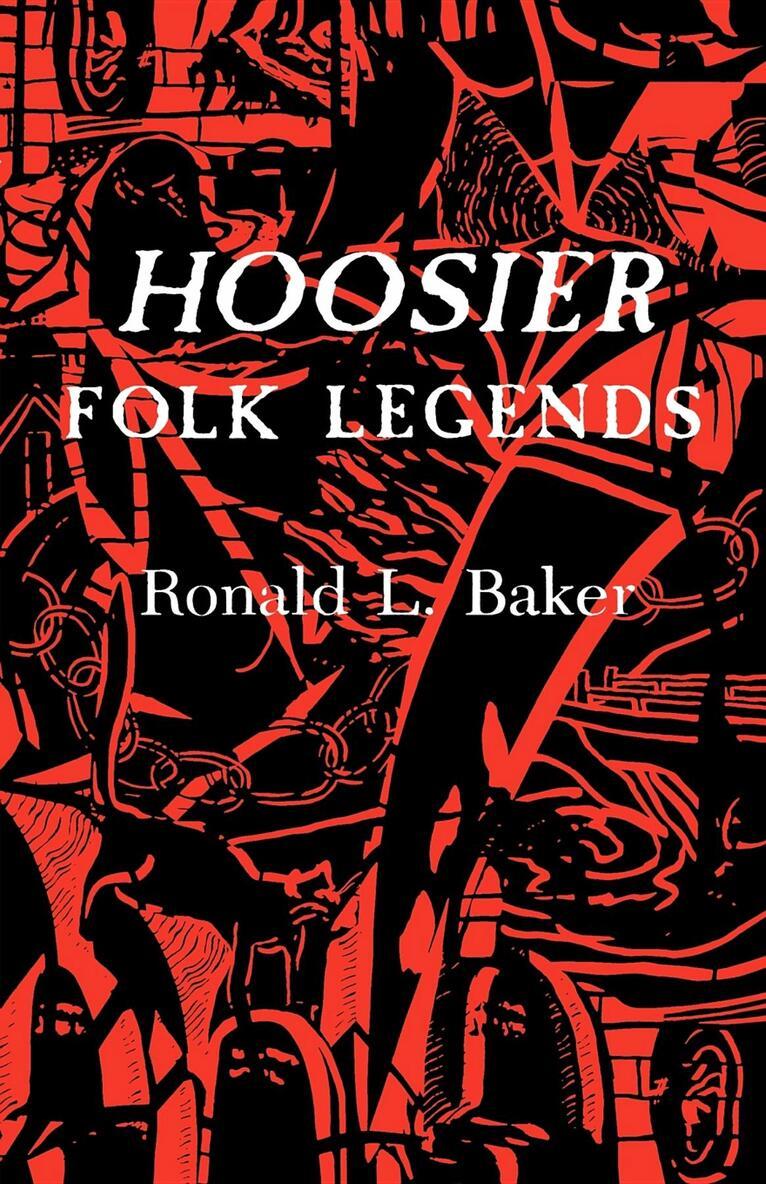
Spine-tingling and funny, Hoosier Folk Legends is a collection of over 300 legends gathered throughout tthe state of Indiana. Ronald L. Baker includes ghost stories, stories of the evil eye, and stories of bloodstopping. He relates legends of Jesse James, Al Capone, and John Dillinger and tells the sad story of the ghost of Diana of the Dunes. Hoosier Folk Legends explains the derivation of the names of Hobart, Jasper, Loogootee, and the Shake Rag School. Also included are a number of legends that did not originate in Indiana but are widely circulated in the Hoosier state, such as "The Baby-Sitter and the Phone Call," "Hook Man," and "The Vanishing Hitchhiker.'' Hoosier Folk Legends demonstrates the persistence and vitality of oral folk traditions. It is a book for students of folklore and anyone interested in old-time yarns
274 kr
Skickas inom 10-15 vardagar
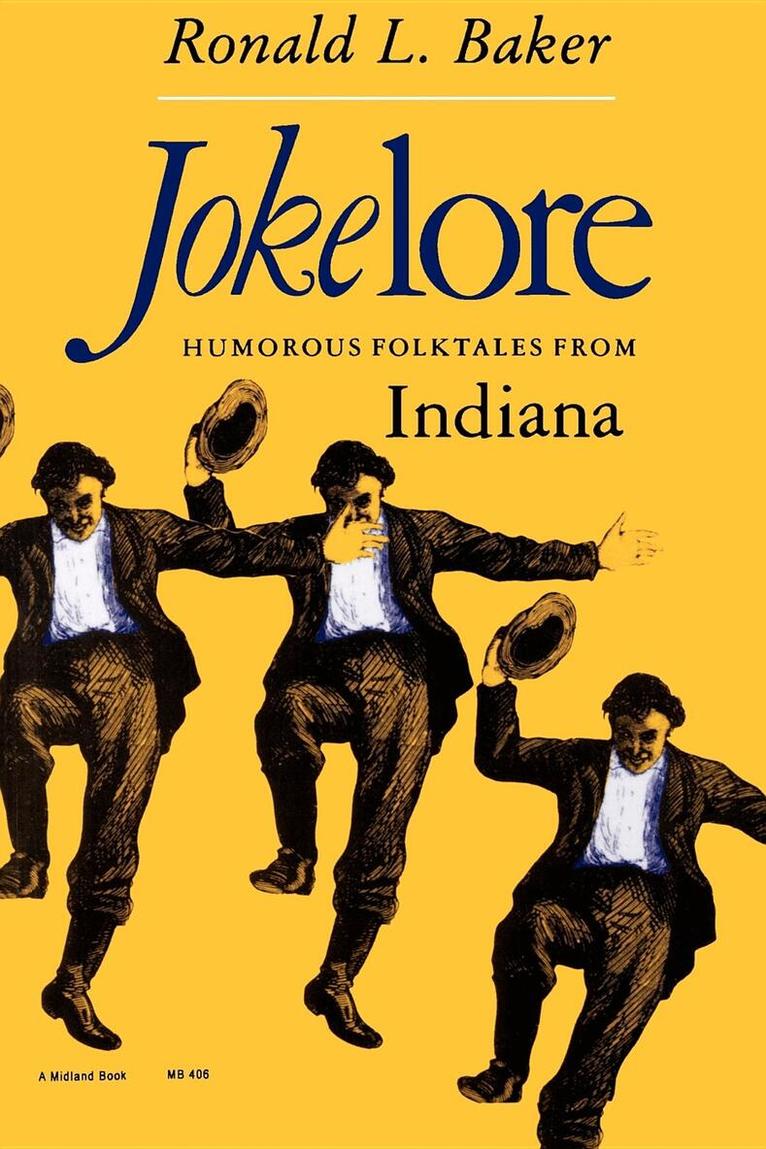
" . . . extremely valuable . . . enthusiastically recommend[ed] . . . " —Western FolkloreThese hilarious and slightly off-color stories, although gathered in Indiana, reflect the ancient origin and universality of the joke. The chuckle, the grin, the uncontrolled belly-laugh evoked by Jokelore attest to the popularity of this ancient form of folk literature.
Homeless, Friendless, and Penniless
The WPA Interviews with Former Slaves Living in Indiana
Inbunden, Engelska, 2000
405 kr
Skickas inom 10-15 vardagar
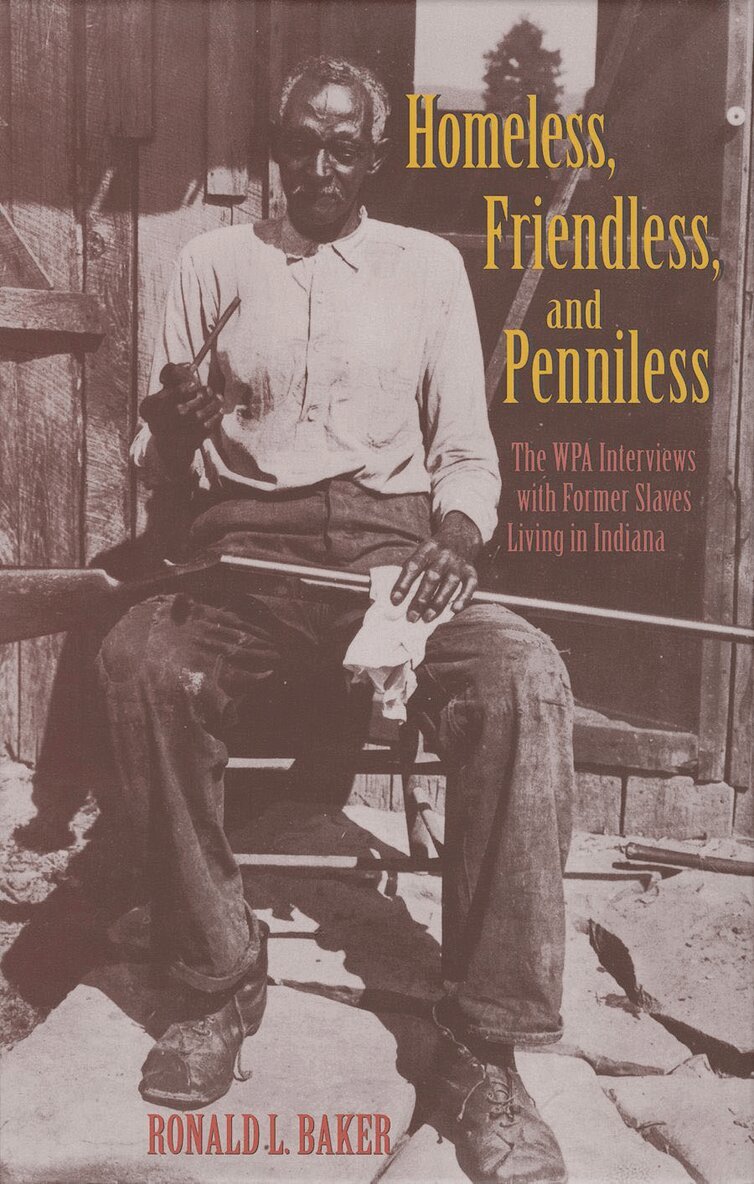
Homeless, Friendless, and PennilessThe WPA Interviews with Former Slaves Living in IndianaRonald L. BakerLives of former slaves in their own words, published for the first time.Based on a collection of interviews conducted in the late 1930s, Homeless, Friendless, and Penniless is an invaluable record of the lives and thoughts of former slaves who moved to Indiana after the Civil War and made significant contributions to the evolving patchwork of Hoosier culture.The Indiana slave narratives provide a glimpse of slavery as remembered by those who experienced it, preserving insiders' views of a tragic chapter in American history. Though they were living in Indiana at the time of the interviews, these African Americans been enslaved in 11 different states from the Carolinas to Louisiana. The interviews deal with life and work on the plantation; the treatment of slaves; escaping from slavery; education, religion, and slave folklore; and recollections of the Civil War. Just as important, the interviews reveal how former slaves fared in Indiana after the Civil War and during the Depression. Some became ministers, a few became educators, and one became a physician; but many lived in poverty and survived on Christian faith and small government pensions.Ronald L. Baker, Chairperson and Professor of English at Indiana State University, is author of many books, including Hoosier Folk Legends and From Needmore to Prosperity: Hoosier Place Names in Folklore and History (both from Indiana University Press. He is co-author of Indiana Place Names with Marvin Carmony and editor of The Folklore Historian, the journal of the Folklore and History Section of the American Folklore Society.ContentsPart One: A Folk History of SlaveryBackground of the WPA InterviewsPresentation of MaterialLiving and Working on the PlantationThe Treatment of SlavesEscaping from SlaveryEducationReligionFolkloreRecollections of the Civil WarLiving and Working after the Civil WarValue of the WPA InterviewsAcknowledgmentsPart Two: The WPA Interviews with Former Slaves [134 entries]Appendices, including Thematic Index
1 314 kr
Skickas inom 10-15 vardagar
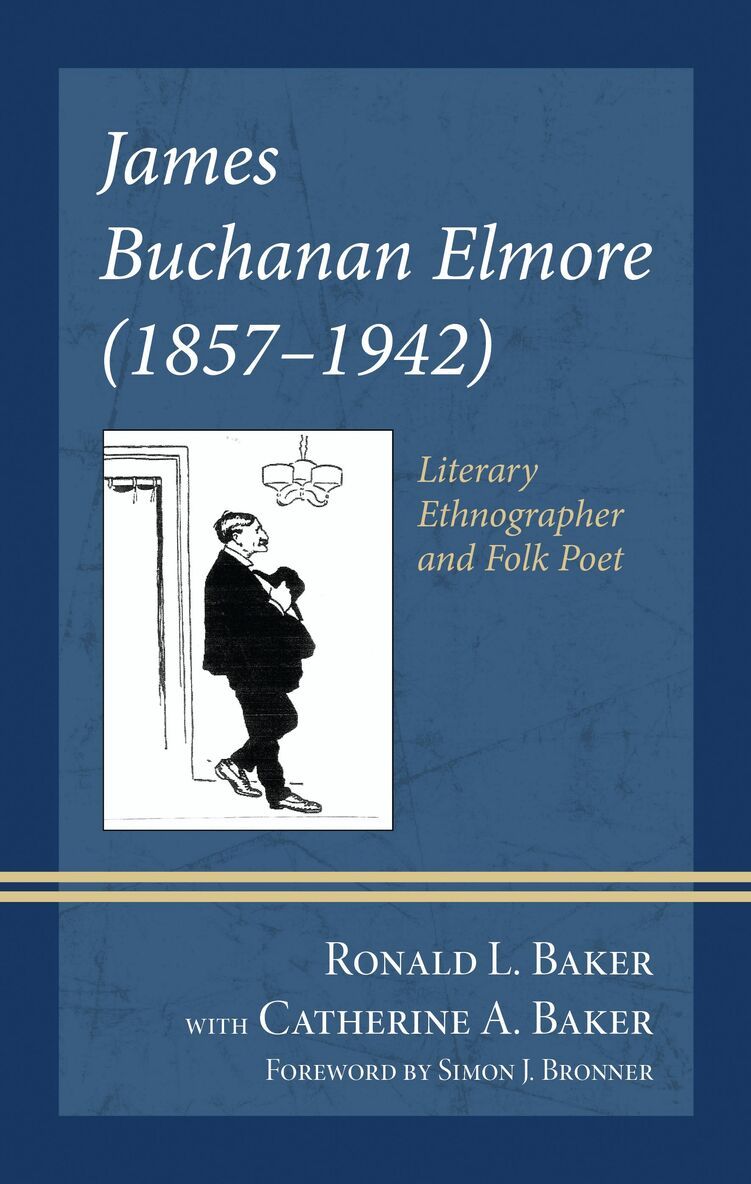
James Buchanan Elmore (1857–1942): Literary Ethnographer and Folk Poet details the life and work of Elmore as a “folk poet,” emphasizing the importance in the cultural understanding of the ethnographic insights he gave as a farmer in the midwestern region of the United States that experienced dramatic social change after the Civil War. In song and verse, folk poets write of community events and personalities associated with them and of manifestations of natural forces with effects upon society. Often about locations overlooked by national historians and anthropologists, these writings are valued for their interpretations as participants within the cultural expressions describing group feeling and thought. By many estimates, Elmore left the largest legacy of folk poetic material in the United States, but not until now has a folklorist analyzed this rich trove of documentation for understanding the shifting folklife of the Midwest amid cultural shifts in the late nineteenth and early twentieth centuries. Baker illustrates that Elmore shows more similarities to folk poets such as South Carolina's Bard of the Congaree, journeyman printer J. Gordon Coogler (1865–1901), than with academic poets Wallace Stevens or even James Whitcomb Riley. Aptly nicknamed the Bard of Alamo, Elmore was his community's laureate—the voice of the-people—living in Indiana in the late nineteenth and early twentieth centuries and a recorder of folklife from the 1830s on the frontier until after the Civil War when industrialization swept through the nation.
731 kr
Kommande