Ronald Polansky – författare
Visar alla böcker från författaren Ronald Polansky. Handla med fri frakt och snabb leverans.
9 produkter
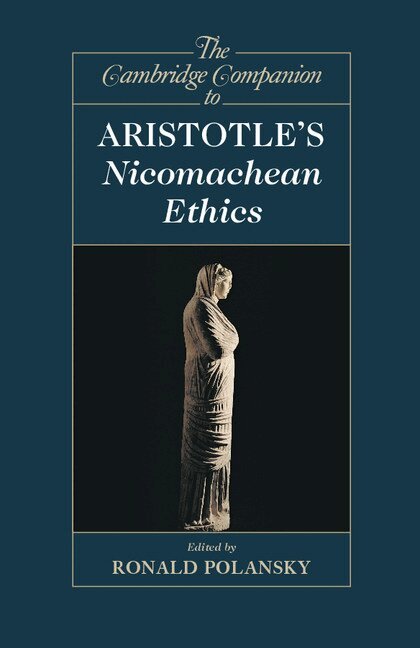
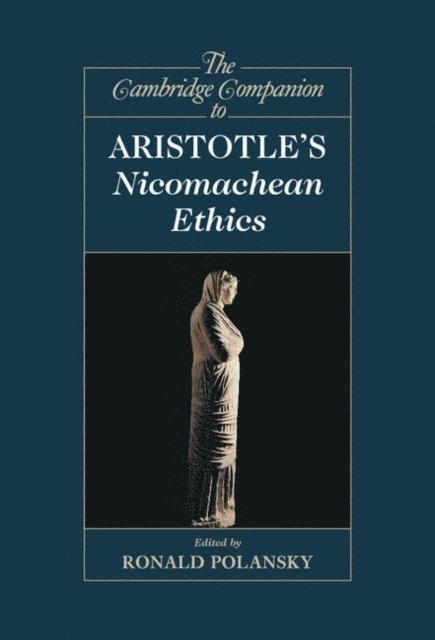
The Cambridge Companion to Aristotle's Nicomachean Ethics
Häftad, 2014
536 kr
Lägg i varukorg
Aristotle's Nicomachean Ethics is the first and arguably most important treatise on ethics in Western philosophy. It remains to this day a compelling reflection on the best sort of human life and continues to inspire contemporary thought and debate. This Cambridge Companion includes twenty essays …
Aristotle's De Anima
A Critical Commentary
Häftad, 2010
553 kr
Lägg i varukorg
Aristotle's De Anima is the first systematic philosophical account of the soul, which serves to explain the functioning of all mortal living things. In his commentary, Ronald Polansky argues that the work is far more structured and systematic than previously supposed. He contends that Aristotle …
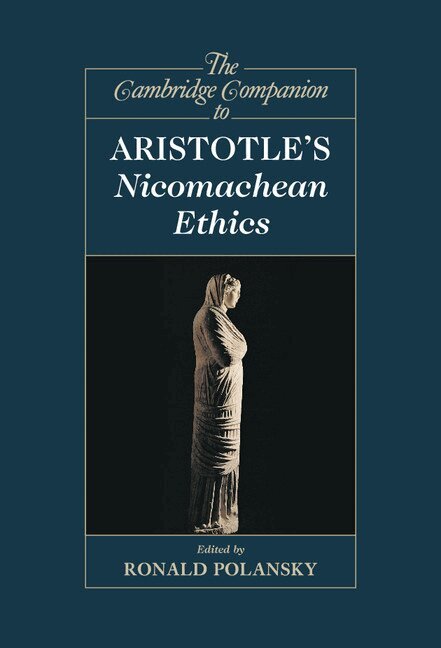
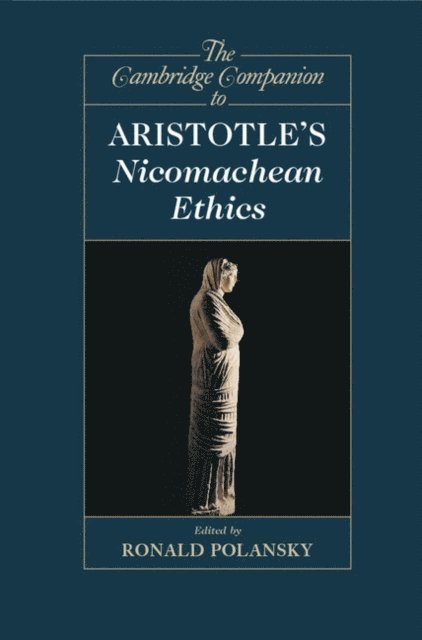
The Cambridge Companion to Aristotle's Nicomachean Ethics
Inbunden, 2014
1710 kr
Lägg i varukorg
Aristotle's Nicomachean Ethics is the first and arguably most important treatise on ethics in Western philosophy. It remains to this day a compelling reflection on the best sort of human life and continues to inspire contemporary thought and debate. This Cambridge Companion includes twenty essays …
Aristotle's De Anima
A Critical Commentary
Inbunden, 2007
2247 kr
Lägg i varukorg
Aristotle's De Anima is the first systematic philosophical account of the soul, which serves to explain the functioning of all mortal living things. In his commentary, Ronald Polansky argues that the work is far more structured and systematic than previously supposed. He contends that Aristotle …
Cambridge Companion to Aristotle's Nicomachean Ethics
E-bok, 2014
522 kr
Lägg i varukorg
Aristotle''s Nicomachean Ethics is the first and arguably most important treatise on ethics in Western philosophy. It remains to this day a compelling reflection on the best sort of human life and continues to inspire contemporary thought and debate. This Cambridge Companion includes twenty essays …
Cambridge Companion to Aristotle's Nicomachean Ethics
E-bok, 2014
522 kr
Lägg i varukorg
Aristotle''s Nicomachean Ethics is the first and arguably most important treatise on ethics in Western philosophy. It remains to this day a compelling reflection on the best sort of human life and continues to inspire contemporary thought and debate. This Cambridge Companion includes twenty essays …
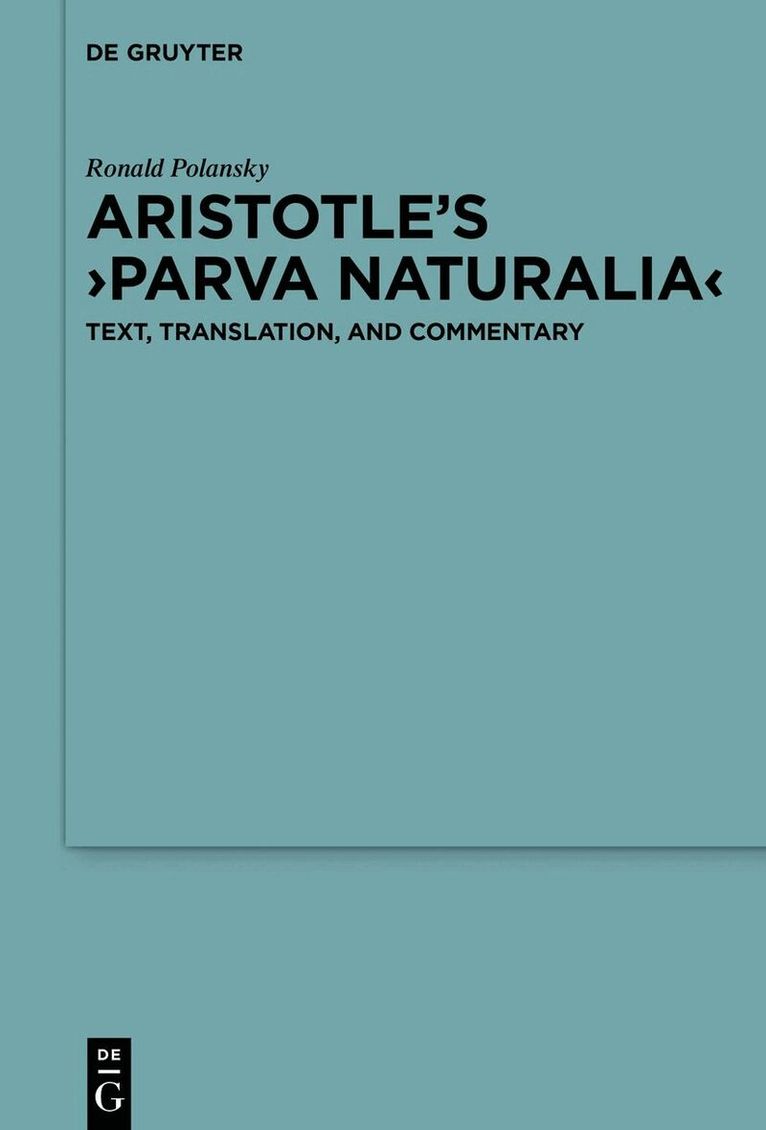
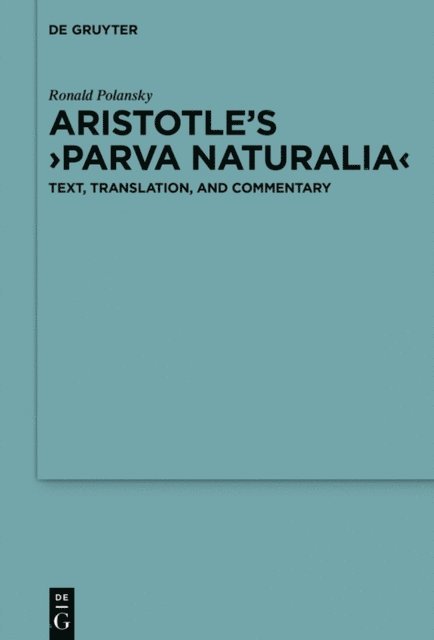
Aristotle’s ›Parva naturalia‹
Text, Translation, and Commentary
Inbunden, 2024
4013 kr
Lägg i varukorg
Aristotle’s Parva naturalia continues the investigation begun in the De anima. The De anima defines the soul and treats its main powers, nutrition, sense perception, intellection, and locomotion. The Parva naturalia — On sense and sensible objects, On memory and recollection, On sleep, On dreams, …
Aristotle's Parva naturalia
Text, Translation, and Commentary
E-bok, 2024
2986 kr
Lägg i varukorg
Aristotle’s Parva naturalia continues the investigation begun in the De anima . The De anima defines the soul and treats its main powers, nutrition, sense perception, intellection, and locomotion. The Parva naturalia — On sense and sensible objects , On memory and recollection , On sleep , On …
Aristotle's Parva naturalia
Text, Translation, and Commentary
E-bok, 2024
3208 kr
Lägg i varukorg
Aristotle’s Parva naturalia continues the investigation begun in the De anima . The De anima defines the soul and treats its main powers, nutrition, sense perception, intellection, and locomotion. The Parva naturalia — On sense and sensible objects , On memory and recollection , On sleep , On …