Ronald Suleski - Böcker
Visar alla böcker från författaren Ronald Suleski. Handla med fri frakt och snabb leverans.
3 produkter
3 produkter
138 kr
Skickas inom 7-10 vardagar
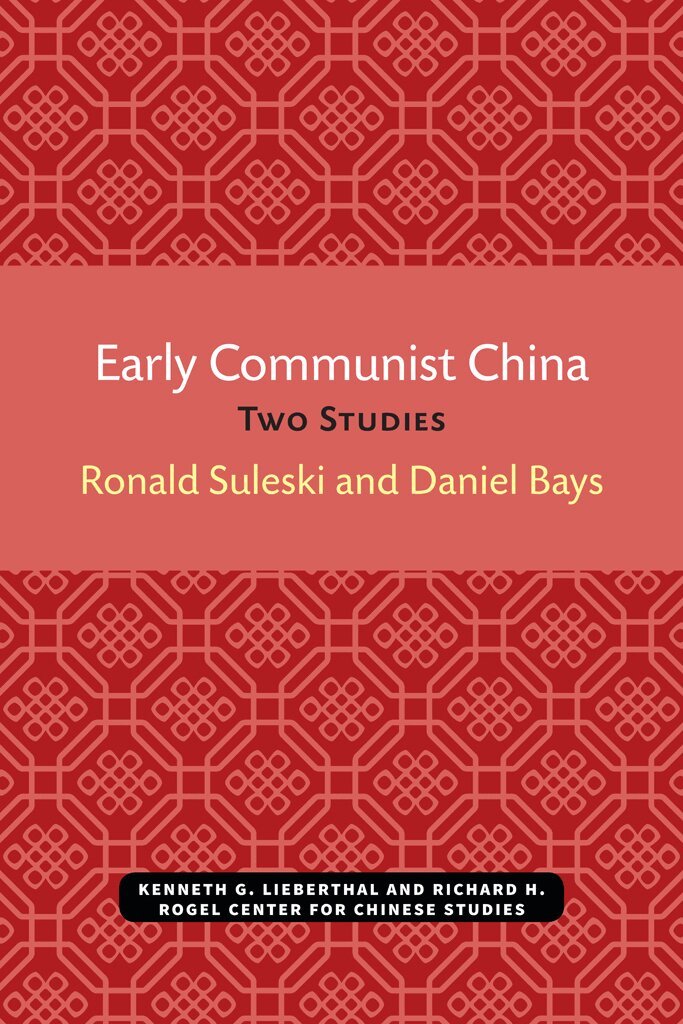
Contains two detailed case studies. In “The Fu-t’ien Incident, December 1930,” Ronald Suleski describes the pivotal incident in the power struggle between Mao Zedong and the Communist Central Committee. Daniel Bays’s study of “Agrarian Reform in Kwangtung, 1950–1953” focuses upon the measures taken by the Chinese Communist Party to control and eventually collectivize rural elites in Kwangtung province.
Del 39 - China Studies
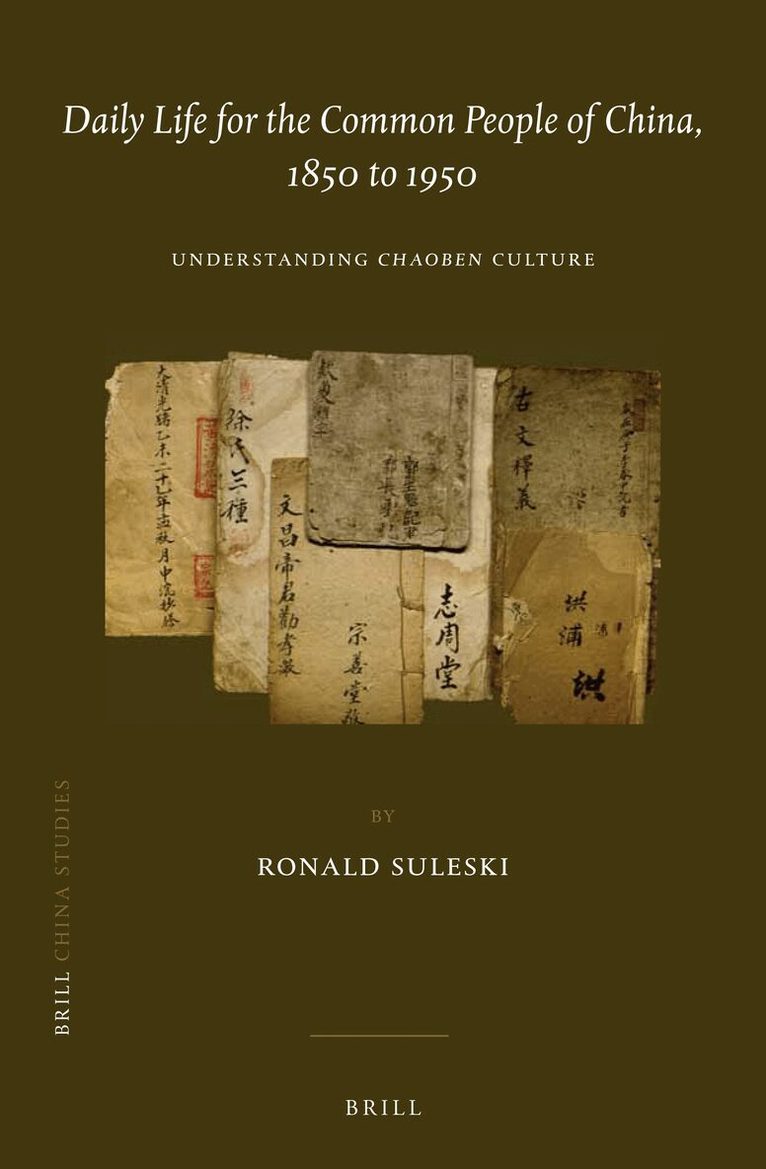
Daily Life for the Common People of China, 1850 to 1950
Understanding Chaoben Culture
Inbunden, Engelska, 2018
3 571 kr
Skickas inom 5-8 vardagar
In this exciting book, Ronald Suleski introduces daily life for the common people of China in the century from 1850 to 1950. They were semi-literate, yet they have left us written accounts of their hopes, fears, and values. They have left us the hand-written manuscripts (chaoben 抄本) now flooding the antiques markets in China. These documents represent a new and heretofore overlooked category of historical sources. Suleski gives a detailed explanation of the interaction of chaoben with the lives of the people. He offers examples of why they were so important to the poor laboring masses: people wanted horoscopes predicting their future, information about the ghosts causing them headaches, a few written words to help them trade in the rural markets, and many more examples are given. The book contains a special appendix giving the first complete translation into English of a chaoben describing the ghosts and goblins that bedeviled the poor working classes.
533 kr
Skickas inom 7-10 vardagar
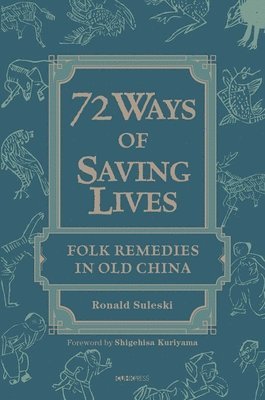
How did lay people in old China save their lives when dealing with acute or chronic health issues? Conventional medicine was costly and might not have been an option for many. Instead, people in villages and towns relied on remedies drawn from a woodblock-printed illustrated booklet called the Seventy-Two Therapies, first published in 1847.The goal of this book is to foster an appreciation of China’s long tradition of folk remedies. Each folk remedy is illustrated by a page from the circa 1860s woodblock edition of the Seventy-Two Therapies which the author used for translation. He also added a historical and interpretive analysis to expand on each therapy and to place it in the context of contemporary thinking, aiming at academics and readers interested in the everyday lives of common people in pre-1950 China, and in the folk medicine wisdom inherited from the past.