Rongbin Han - Böcker
Visar alla böcker från författaren Rongbin Han. Handla med fri frakt och snabb leverans.
8 produkter
8 produkter
1 078 kr
Skickas inom 7-10 vardagar
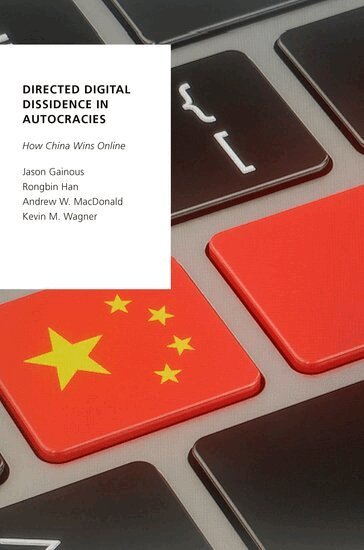
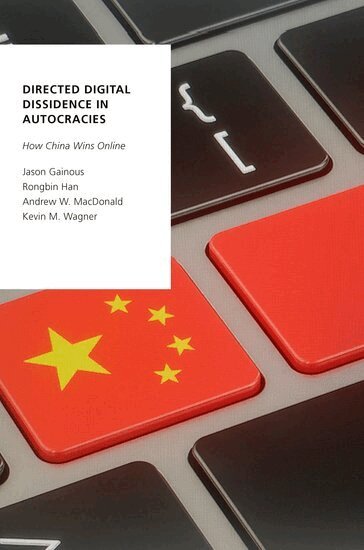
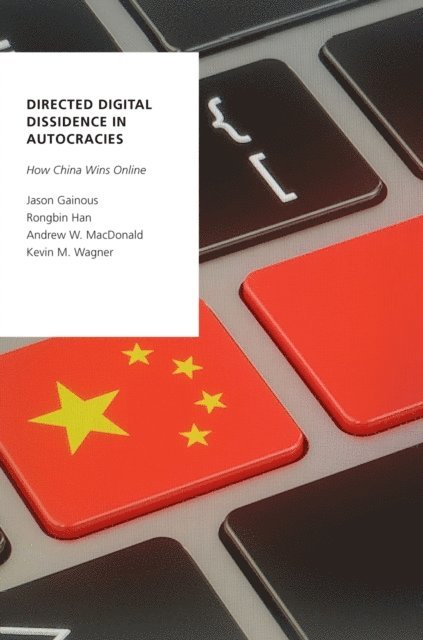
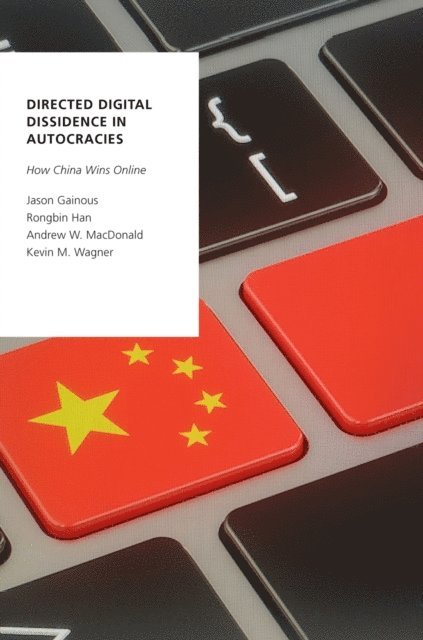
Does the Internet fundamentally change the flow of politically relevant information, even in authoritarian regimes? If so, does it alter the attitudes and behavior of citizens? While there is a fair amount of research exploring how social media has empowered social actors to challenge authoritarian regimes, there is much less addressing whether and how the state can actively shape the flow of information to its advantage. In China, for instance, citizens often resort to "rightful resistance" to lodge complaints and defend rights. By using the rhetoric of the central government, powerless citizens may exploit the slim political opportunity structure and negotiate with the state for better governance. But this tactic also reinforces the legitimacy of authoritarian states; citizens engage rightful resistance precisely because they trust the state, at least the central government, to some degree. Drawing on original survey data and rich qualitative sources, Directed Digital Dissidence in Autocracies explores how authoritarian regimes employ the Internet in advantageous ways to direct the flow of online information. The authors argue that the central Chinese government successfully directs citizen dissent toward local government through critical information that the central government places online--a strategy that the authors call "directed digital dissidence". In this context, citizens engage in low-level protest toward the local government, and thereby feel empowered, while the central government avoids overthrow. Consequently, the Internet functions to discipline local state agents and to project a benevolent image of the central government and the regime as a whole. With an in-depth look at the COVID-19 and Xinjiang Cotton cases, the authors demonstrate how the Chinese state employs directed digital dissidence and discuss the impact and limitations of China's information strategy.
282 kr
Skickas inom 5-8 vardagar
Does the Internet fundamentally change the flow of politically relevant information, even in authoritarian regimes? If so, does it alter the attitudes and behavior of citizens? While there is a fair amount of research exploring how social media has empowered social actors to challenge authoritarian regimes, there is much less addressing whether and how the state can actively shape the flow of information to its advantage. In China, for instance, citizens often resort to "rightful resistance" to lodge complaints and defend rights. By using the rhetoric of the central government, powerless citizens may exploit the slim political opportunity structure and negotiate with the state for better governance. But this tactic also reinforces the legitimacy of authoritarian states; citizens engage rightful resistance precisely because they trust the state, at least the central government, to some degree. Drawing on original survey data and rich qualitative sources, Directed Digital Dissidence in Autocracies explores how authoritarian regimes employ the Internet in advantageous ways to direct the flow of online information. The authors argue that the central Chinese government successfully directs citizen dissent toward local government through critical information that the central government places online--a strategy that the authors call "directed digital dissidence". In this context, citizens engage in low-level protest toward the local government, and thereby feel empowered, while the central government avoids overthrow. Consequently, the Internet functions to discipline local state agents and to project a benevolent image of the central government and the regime as a whole. With an in-depth look at the COVID-19 and Xinjiang Cotton cases, the authors demonstrate how the Chinese state employs directed digital dissidence and discuss the impact and limitations of China's information strategy.
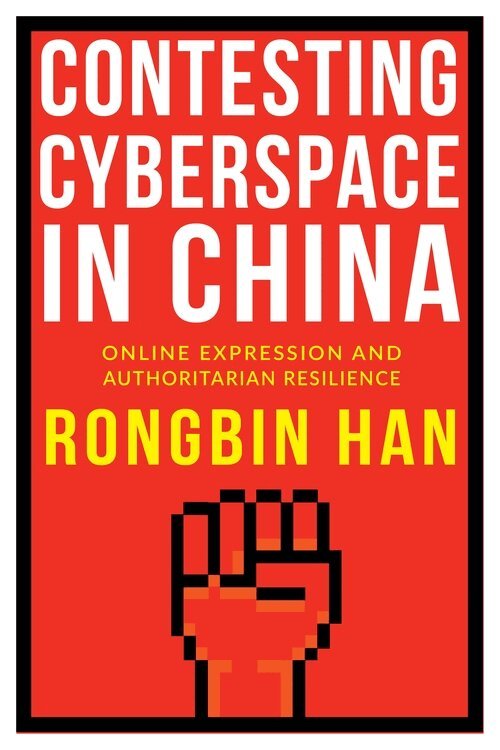
Contesting Cyberspace in China
Online Expression and Authoritarian Resilience
Inbunden, Engelska, 2018
1 108 kr
Skickas inom 7-10 vardagar
The Internet was supposed to be an antidote to authoritarianism. It can enable citizens to express themselves freely and organize outside state control. Yet while online activity has helped challenge authoritarian rule in some cases, other regimes have endured: no movement comparable to the Arab Spring has arisen in China. In Contesting Cyberspace in China, Rongbin Han offers a powerful counterintuitive explanation for the survival of the world’s largest authoritarian regime in the digital age.Han reveals the complex internal dynamics of online expression in China, showing how the state, service providers, and netizens negotiate the limits of discourse. He finds that state censorship has conditioned online expression, yet has failed to bring it under control. However, Han also finds that freer expression may work to the advantage of the regime because its critics are not the only ones empowered: the Internet has proved less threatening than expected due to the multiplicity of beliefs, identities, and values online. State-sponsored and spontaneous pro-government commenters have turned out to be a major presence on the Chinese internet, denigrating dissenters and barraging oppositional voices. Han explores the recruitment, training, and behavior of hired commenters, the “fifty-cent army,” as well as group identity formation among nationalistic Internet posters who see themselves as patriots defending China against online saboteurs. Drawing on a rich set of data collected through interviews, participant observation, and long-term online ethnography, as well as official reports and state directives, Contesting Cyberspace in China interrogates our assumptions about authoritarian resilience and the democratizing power of the Internet.
282 kr
Skickas inom 7-10 vardagar
The Internet was supposed to be an antidote to authoritarianism. It can enable citizens to express themselves freely and organize outside state control. Yet while online activity has helped challenge authoritarian rule in some cases, other regimes have endured: no movement comparable to the Arab Spring has arisen in China. In Contesting Cyberspace in China, Rongbin Han offers a powerful counterintuitive explanation for the survival of the world’s largest authoritarian regime in the digital age.Han reveals the complex internal dynamics of online expression in China, showing how the state, service providers, and netizens negotiate the limits of discourse. He finds that state censorship has conditioned online expression, yet has failed to bring it under control. However, Han also finds that freer expression may work to the advantage of the regime because its critics are not the only ones empowered: the Internet has proved less threatening than expected due to the multiplicity of beliefs, identities, and values online. State-sponsored and spontaneous pro-government commenters have turned out to be a major presence on the Chinese internet, denigrating dissenters and barraging oppositional voices. Han explores the recruitment, training, and behavior of hired commenters, the “fifty-cent army,” as well as group identity formation among nationalistic Internet posters who see themselves as patriots defending China against online saboteurs. Drawing on a rich set of data collected through interviews, participant observation, and long-term online ethnography, as well as official reports and state directives, Contesting Cyberspace in China interrogates our assumptions about authoritarian resilience and the democratizing power of the Internet.
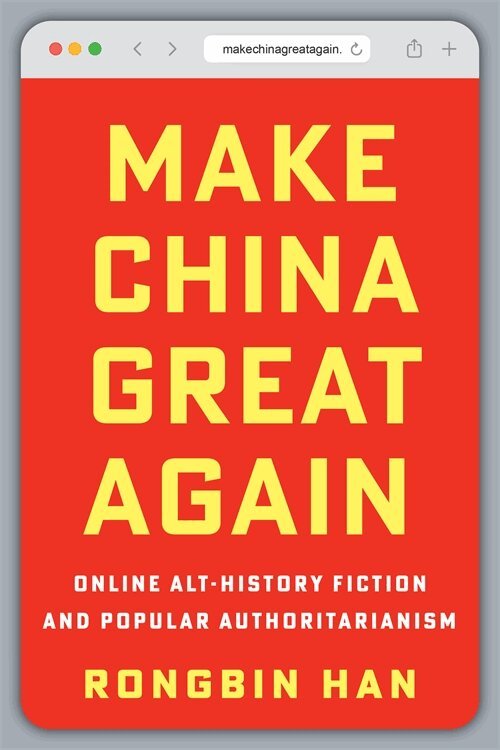
Make China Great Again
Online Alt-History Fiction and Popular Authoritarianism
Inbunden, Engelska, 2026
1 108 kr
Skickas inom 7-10 vardagar
On the Chinese internet, alternate history is booming. Millions of writers and readers fantasize about going back in time and changing their country’s fate. One envisions saving the Southern Song Dynasty from the Mongols and turning China into a capitalist democracy. Another portrays a contemporary traveling to 1905 and sparking a communist revolution before the Chinese Communist Party was even founded. These stories and others like them share a theme of national revival that echoes both the official narrative of the “Chinese dream” and populist movements around the world. Why is alt-history so popular in China, and what does it reveal about politics and culture under authoritarianism?Rongbin Han examines the production and consumption of online alt-history fiction in China, offering new insight into how authoritarian rule gains popular consent. Combining in-depth digital ethnography with analysis of dozens of alt-history novels, he explores how state intervention, market forces, and consumer preferences interact. Han argues that alt-history literature is a project of imagining an ideal China, which simultaneously legitimizes and contests state ideology. Tracing the popular resonance of the regime’s nationalist vision, he demonstrates how citizens play a crucial role in constructing and maintaining the state’s dominance. Because many see national revival as imminent under the party’s leadership, they are willing to tolerate authoritarian rule, in contrast to Western democracies, where discontent has fueled populist politics. Introducing readers to the uncanny world of alt-history, Make China Great Again underscores how aspirations for the rebirth of the nation can bolster undemocratic politics—in China and elsewhere.
282 kr
Skickas inom 7-10 vardagar
On the Chinese internet, alternate history is booming. Millions of writers and readers fantasize about going back in time and changing their country’s fate. One envisions saving the Southern Song Dynasty from the Mongols and turning China into a capitalist democracy. Another portrays a contemporary traveling to 1905 and sparking a communist revolution before the Chinese Communist Party was even founded. These stories and others like them share a theme of national revival that echoes both the official narrative of the “Chinese dream” and populist movements around the world. Why is alt-history so popular in China, and what does it reveal about politics and culture under authoritarianism?Rongbin Han examines the production and consumption of online alt-history fiction in China, offering new insight into how authoritarian rule gains popular consent. Combining in-depth digital ethnography with analysis of dozens of alt-history novels, he explores how state intervention, market forces, and consumer preferences interact. Han argues that alt-history literature is a project of imagining an ideal China, which simultaneously legitimizes and contests state ideology. Tracing the popular resonance of the regime’s nationalist vision, he demonstrates how citizens play a crucial role in constructing and maintaining the state’s dominance. Because many see national revival as imminent under the party’s leadership, they are willing to tolerate authoritarian rule, in contrast to Western democracies, where discontent has fueled populist politics. Introducing readers to the uncanny world of alt-history, Make China Great Again underscores how aspirations for the rebirth of the nation can bolster undemocratic politics—in China and elsewhere.
1 739 kr
Skickas inom 3-6 vardagar
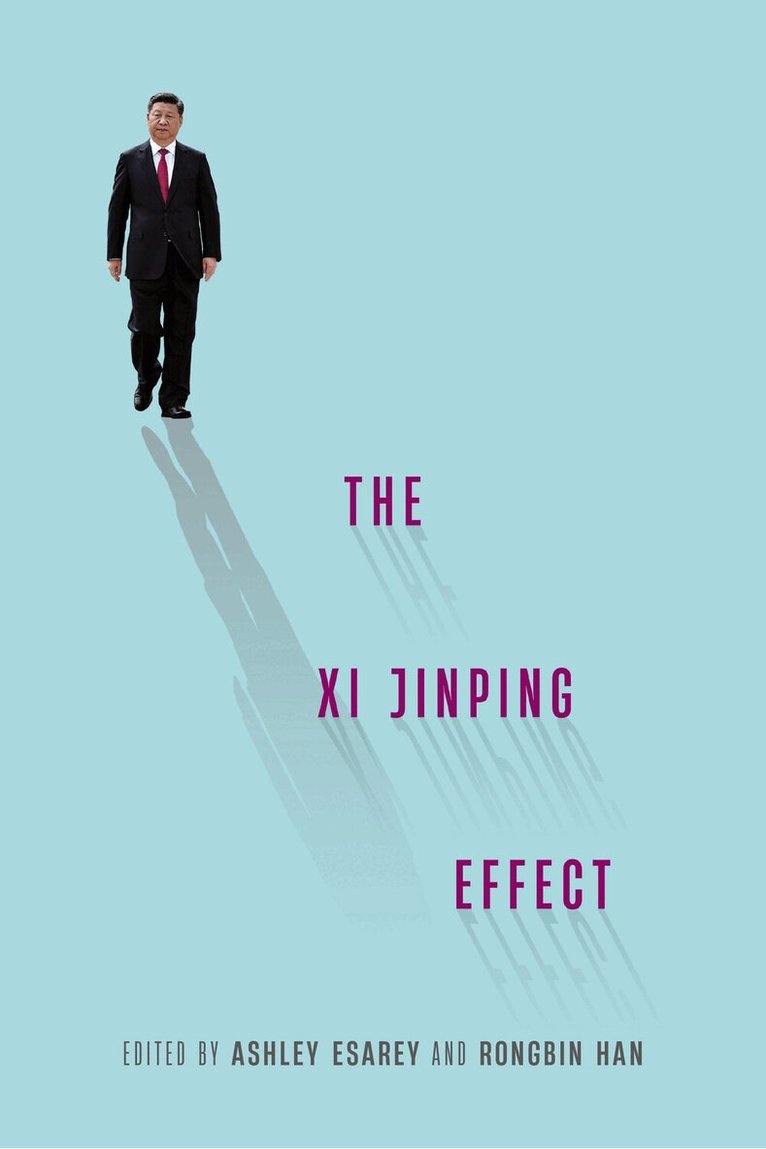
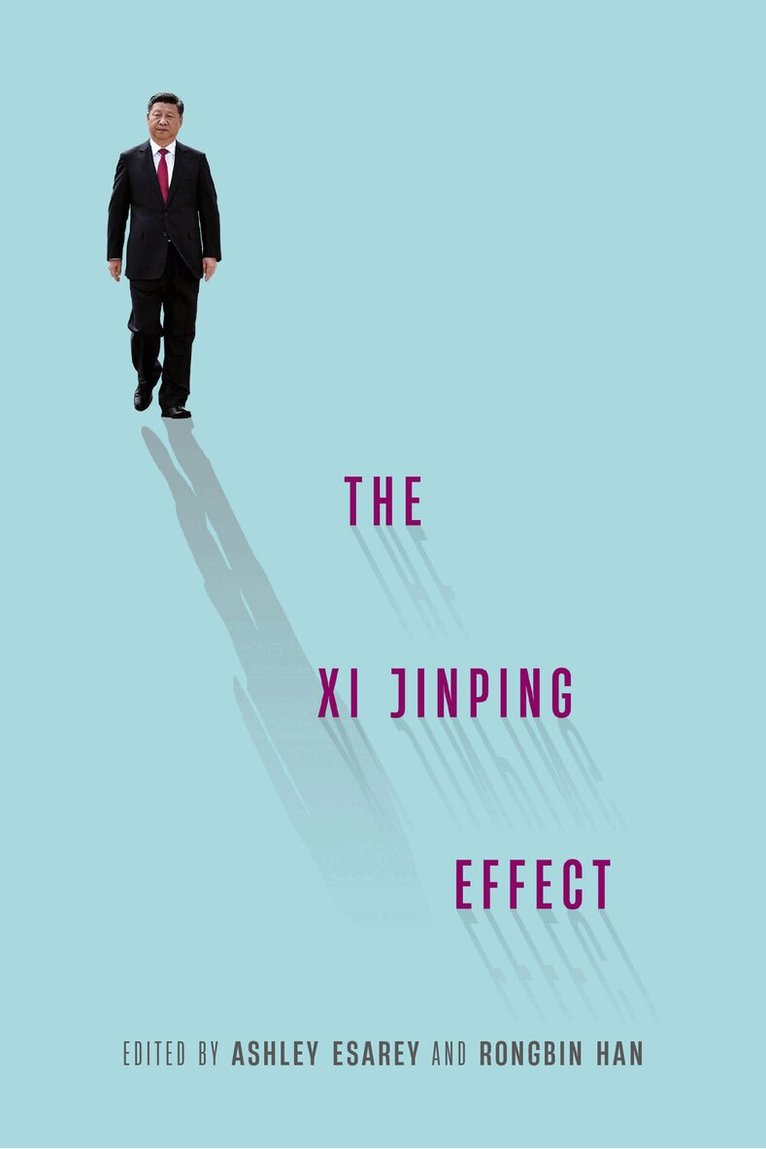
Assesses the broad impact of China's influential leaderThe Xi Jinping Effect explores the relationship between the People's Republic of China's current "paramount leader"—arguably the most powerful figure since Mao Zedong (1893–1976)—and multiple areas of political and social transformation. It illuminates not just policy arenas in which his leadership of China has had an outsized impact but also areas where his initiatives have faltered due to unintended consequences, international pushback, or the divergence of local priorities from those of the central government. Collectively, the book's chapters document the ways in which Xi's neo-totalitarianism has dismantled Reform Era legacies, while reconfiguring governance and rewiring China's global connections. Contributions by anthropologists, historians, sociologists, and political scientists consider such issues as Xi's anticorruption campaign and obsession with ideological governance, state surveillance, the status of ethnic minorities and migrants, income inequality, and China's relations with Taiwan and Southeast Asia.Open access edition: DOI 10.6069/9780295752822
454 kr
Skickas
Assesses the broad impact of China's influential leaderThe Xi Jinping Effect explores the relationship between the People's Republic of China's current "paramount leader"—arguably the most powerful figure since Mao Zedong (1893–1976)—and multiple areas of political and social transformation. It illuminates not just policy arenas in which his leadership of China has had an outsized impact but also areas where his initiatives have faltered due to unintended consequences, international pushback, or the divergence of local priorities from those of the central government. Collectively, the book's chapters document the ways in which Xi's neo-totalitarianism has dismantled Reform Era legacies, while reconfiguring governance and rewiring China's global connections. Contributions by anthropologists, historians, sociologists, and political scientists consider such issues as Xi's anticorruption campaign and obsession with ideological governance, state surveillance, the status of ethnic minorities and migrants, income inequality, and China's relations with Taiwan and Southeast Asia.Open access edition: DOI 10.6069/9780295752822